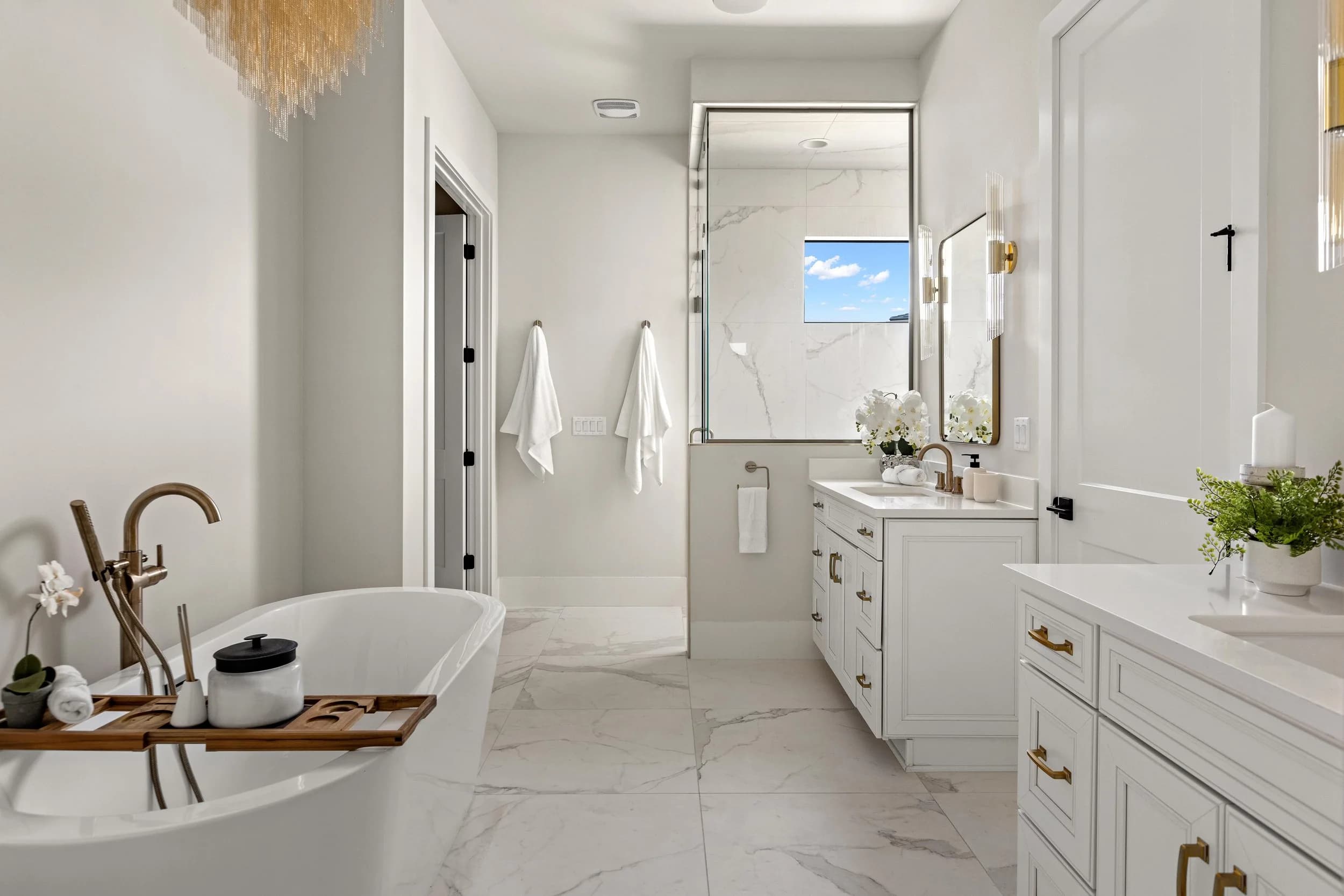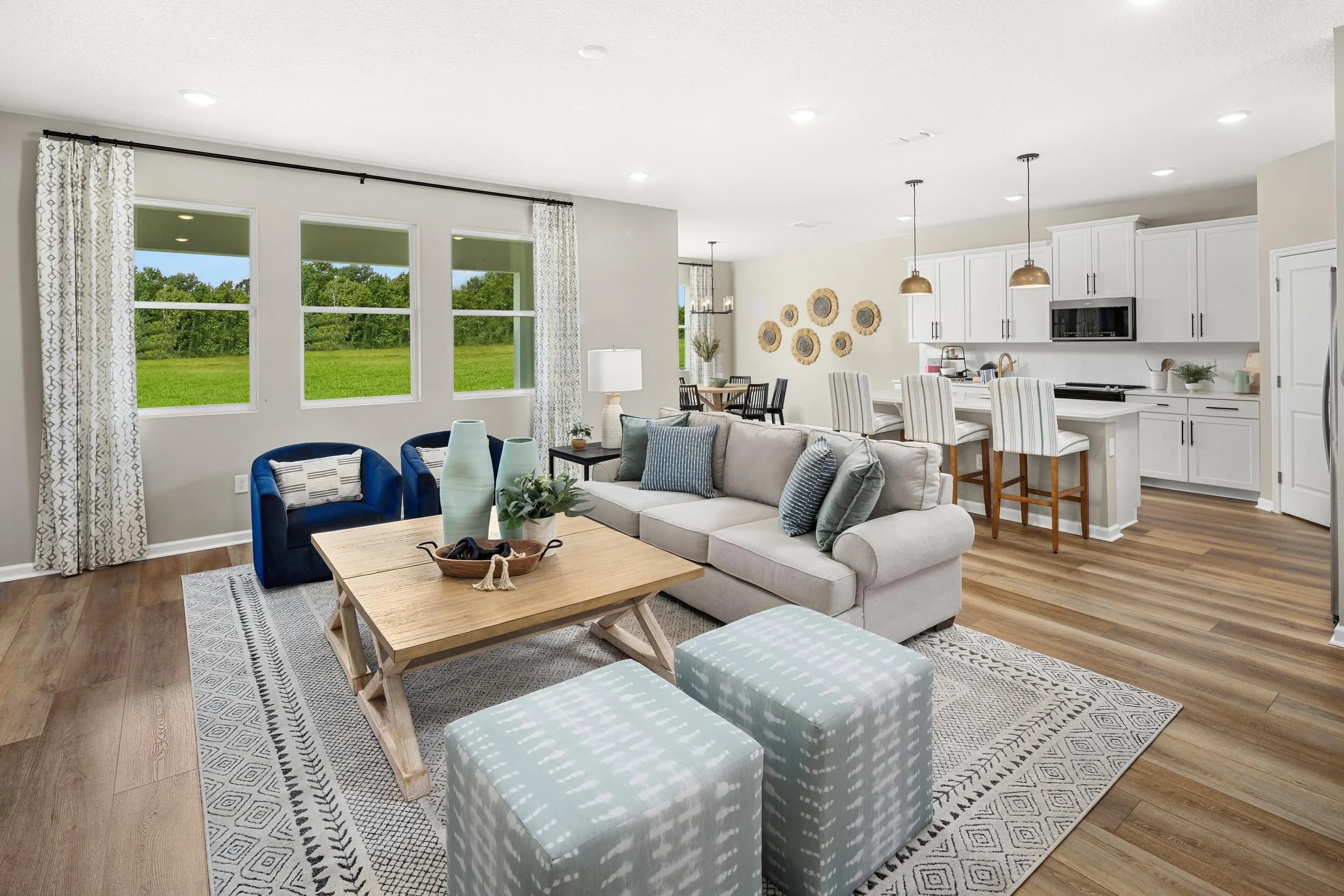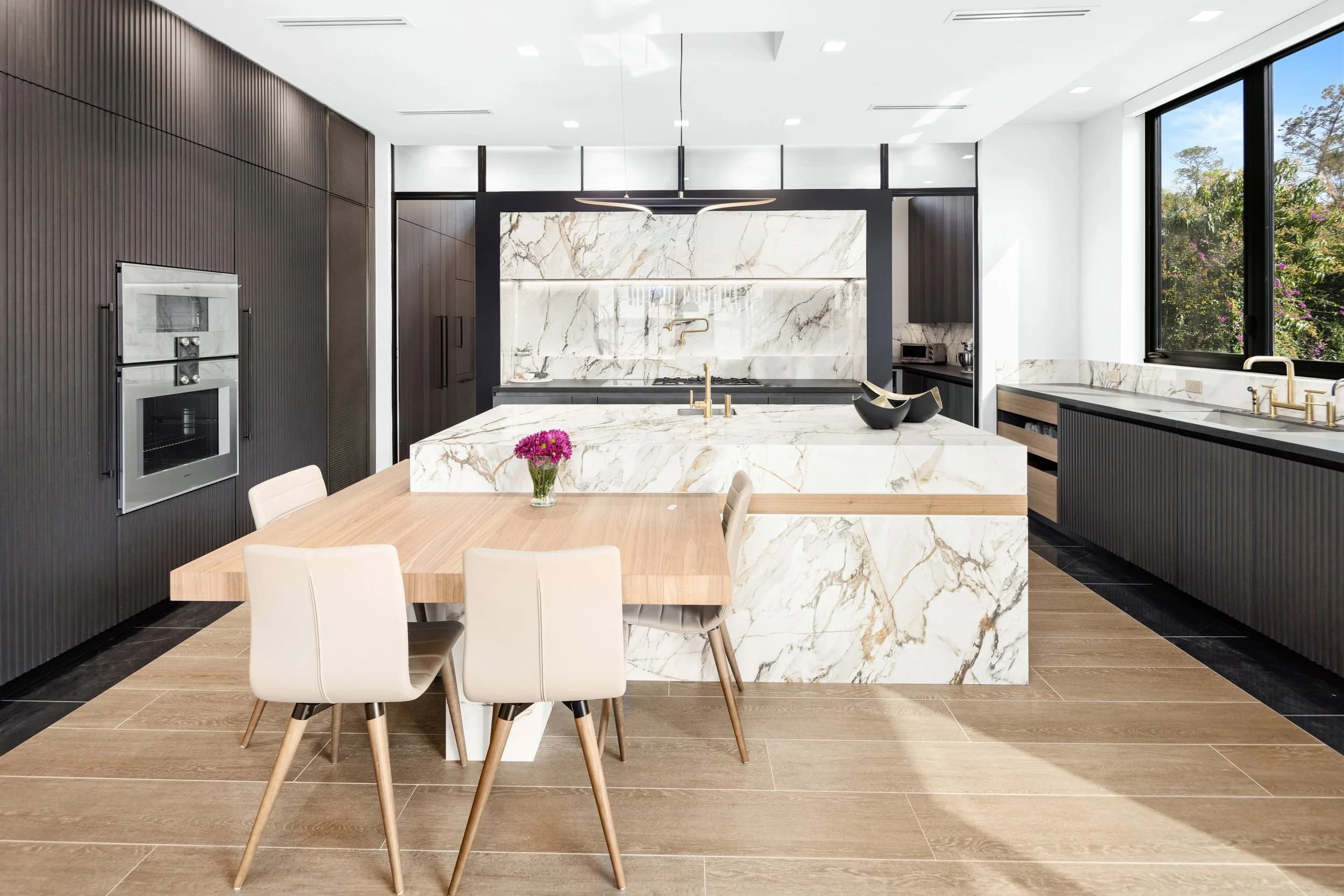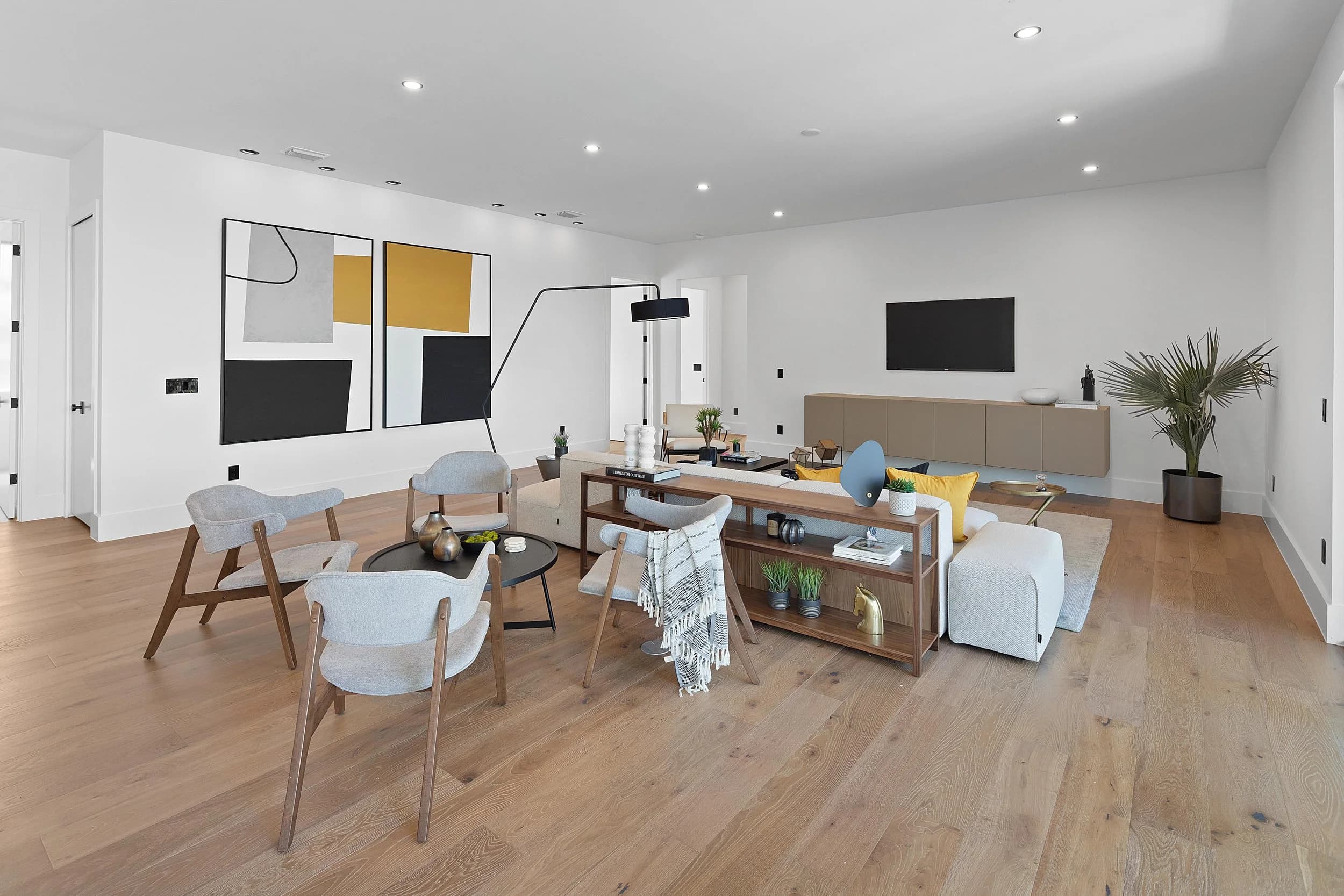
Most agents see the finished gallery and never the work behind it. A listing photograph is not a single click of the shutter. It is a set of captures that are combined, corrected and refined, and knowing what happens in that stage helps you ask for the right things and understand what is, and is not, possible.
This post walks through the editing stage in plain language. The capture methods themselves, such as bracketing and flash, are covered in the guide to HDR versus flash photography. Here, we focus on what happens afterward.
What is exposure blending?
Exposure blending combines several frames of the same scene into one balanced image. A room with bright windows and a dim interior is too contrasty for a single exposure, so the photographer captures a darker frame to hold the window detail and a brighter frame to hold the room. Those frames are merged so both the view outside and the furnishings inside look natural.
Good blending is subtle. The goal is a room that looks the way your eyes remembered it, not an obviously processed picture. If you have seen listings with glowing halos around windows or oddly flat shadows, you have seen blending that went too far. The post on blown-out windows in Florida listings explains why this matters for the many bright rooms in Central Florida homes.
How are crooked lines and color corrected?
Two of the most common fixes are straightening verticals and correcting color. Even a careful photographer ends up with slight tilt, and wide lenses make walls appear to lean. Editing straightens those lines so doorways and corners stand upright, which the post on why the walls lean in listing photos describes in more detail.
Color correction removes unwanted casts. A room lit by warm bulbs and green foliage outside can drift yellow or green, so white balance is adjusted until whites look white and wood tones look true. Accurate color matters because buyers form opinions about paint and flooring from the photograph alone.
- Exposure: brightness and contrast are balanced across the image.
- Verticals: walls, doors and windows are made upright.
- Color: white balance and tones are made consistent from room to room.
- Cleanup: small distractions such as a cord, a nail hole or a dust spot are removed.
What can editing fix, and what can it not?
Editing can fix technical problems, but it cannot change the property. A blown-out sky can be replaced and a stray power cord can be removed, yet a stained carpet, a cracked wall or a dirty window will still be there. Large changes are better handled before the shoot, which is why preparation advice from your photographer pays off.
There is also an ethical line. Edits should never misrepresent the home to a buyer. Removing a temporary item like a trash can is very different from erasing a permanent feature, such as a power line outside a window or a damaged fixture. Where exactly that line sits is worth discussing with your photographer, and your MLS may have its own rules about which edits are permitted.
What should you ask your photographer?
Ask what is included in standard editing and what counts as extra. Some requests are simple, such as turning off a TV screen or removing a cord, while others involve heavy retouching and may be scoped differently. Knowing the difference up front prevents surprises.
- Which window treatment do you use, and how natural does it look on bright days?
- How do you handle TV screens, reflections and mirrors?
- What is the process for requesting a correction after you see the gallery?
- Do you disclose any edits that change the scene, such as sky replacement?
Why does consistency matter across a gallery?
A gallery should read as one set. If one room is warm, the next is cool and the third is much brighter, buyers sense that something is off even if they cannot say why. Editing the full set together keeps brightness, color and style consistent from the first frame to the last.
That consistency is also what keeps photographs looking right on every device, a topic explored in why listing photos look different on every screen. When you understand what happens between the shoot and the gallery, you can give clearer feedback and get a result you are proud to put your name on. Ready to book? Call or text (689) 600-2131 or get in touch.