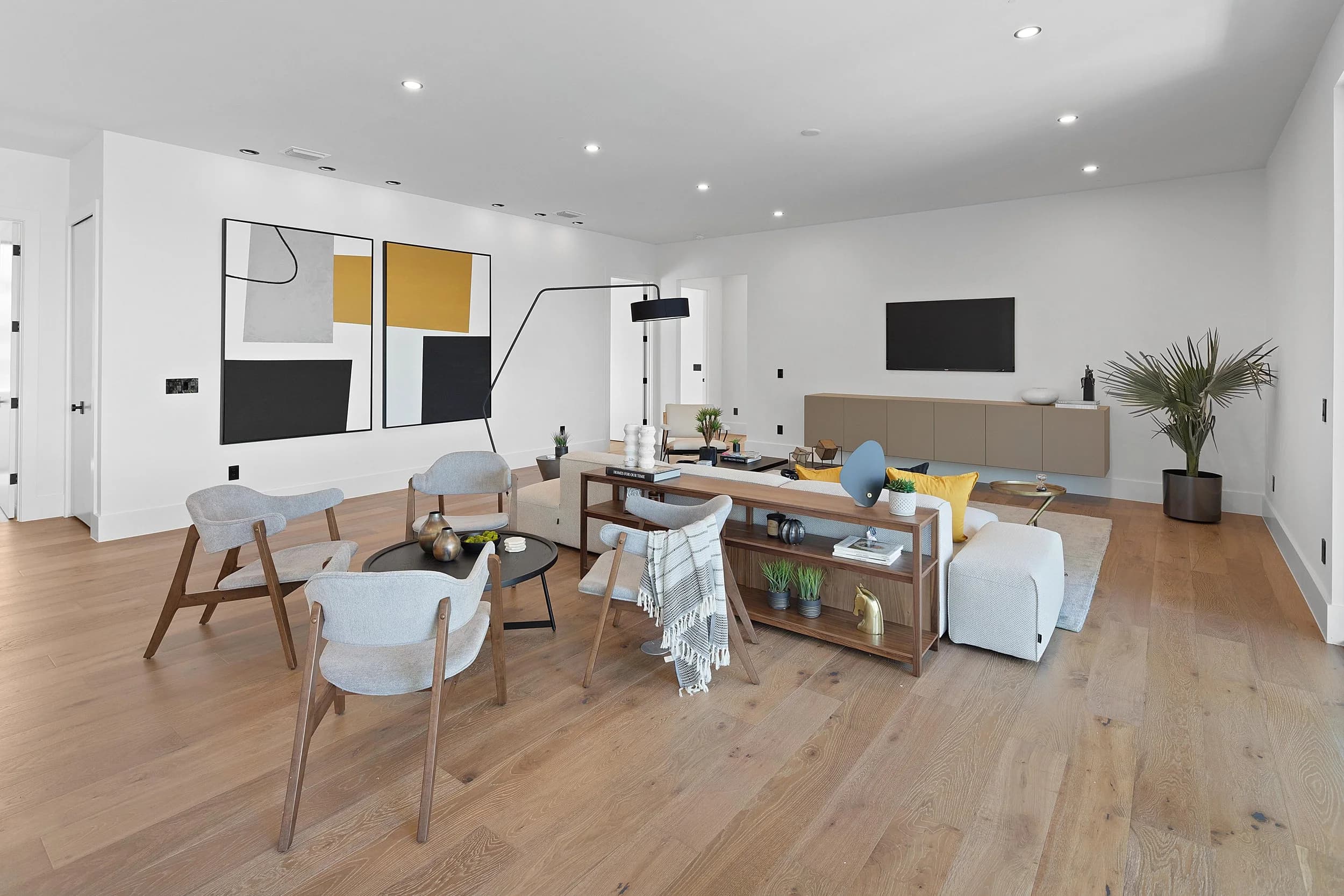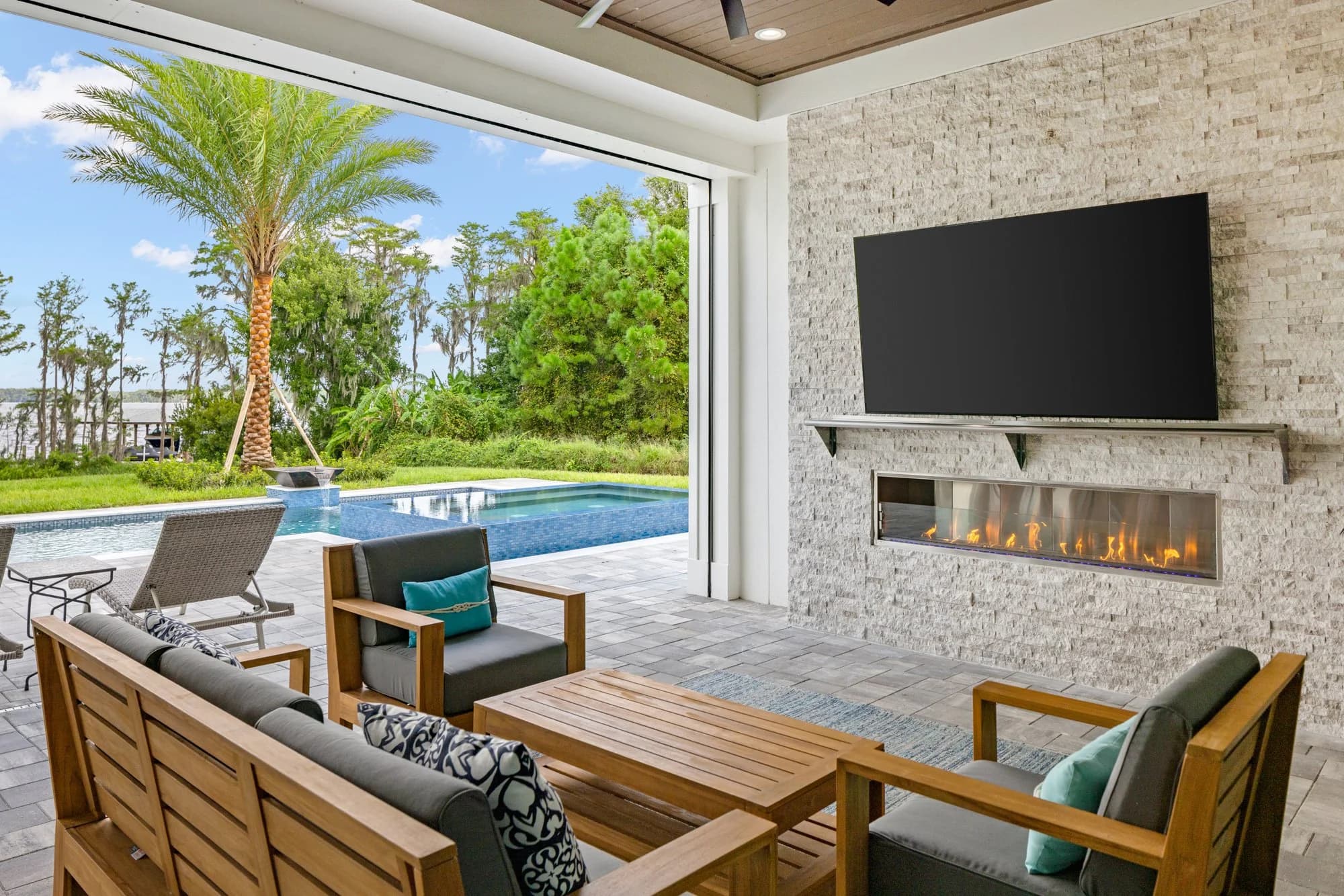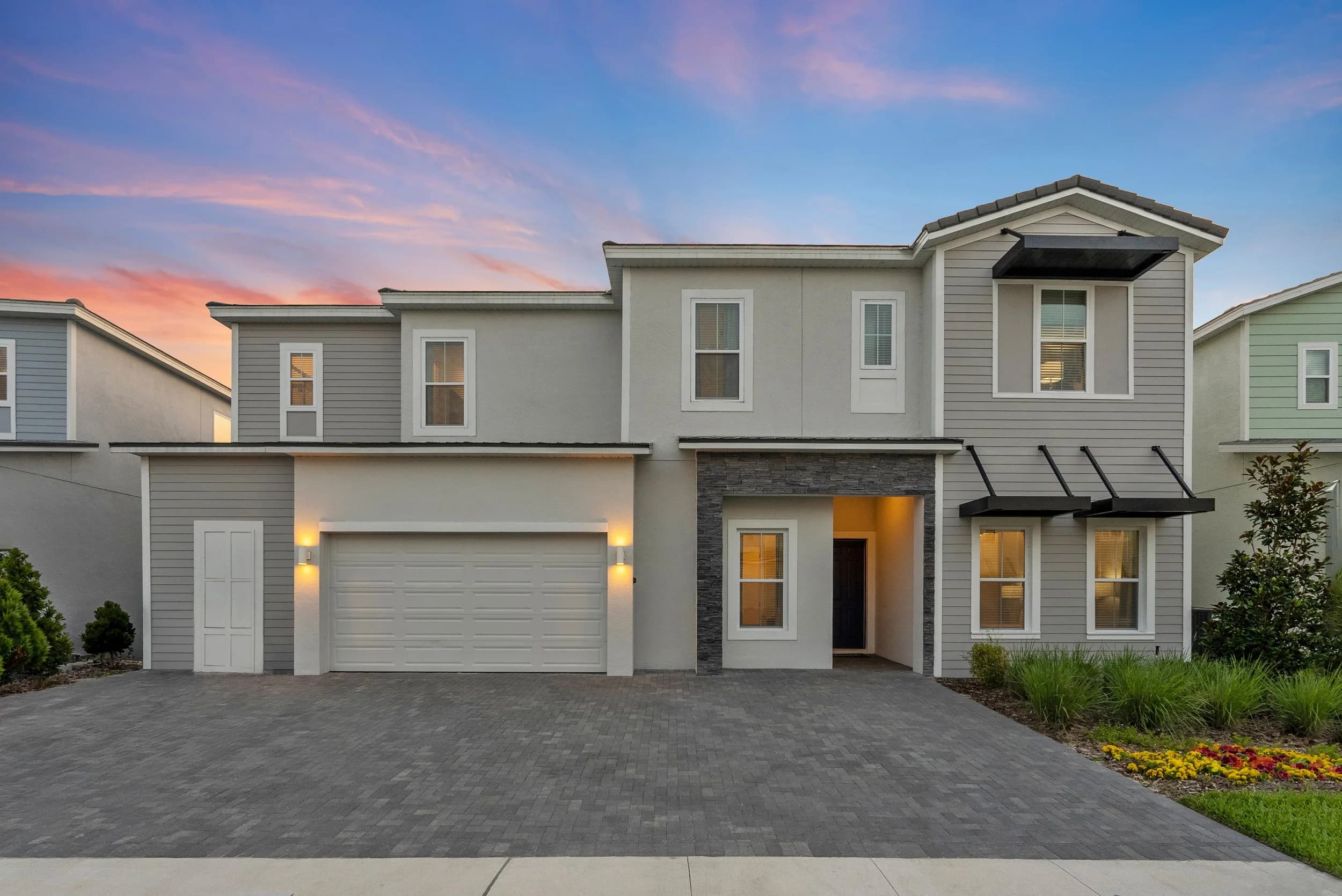
Look at ten amateur listing photos and you'll notice the same thing in nine of them: every window is a solid white rectangle. In Florida, where the view out the window is frequently the reason someone buys the house, that's an expensive habit.
Why Windows Turn White
It's a physics problem, not a skill problem. On a bright Central Florida afternoon, the light outside a window can be hundreds of times brighter than the light inside the room. A camera sensor can only record a limited range of brightness in a single exposure. Expose for the room and the window turns to pure white. Expose for the window and the room goes black.
Your eyes don't have this problem because they adjust constantly and your brain assembles the result. A camera taking one frame can't. So a single-exposure photo — including everything your phone does automatically — has to sacrifice one or the other.
What You're Throwing Away
In this market, the window is often carrying real value:
Water views. Lakefront, canal, pond, and Gulf-facing properties price on that view. A white window means a buyer scrolling Zillow has no idea it exists.
Golf course frontage. Same problem, and golf-course lots carry a premium that the photos need to justify.
Pool and lanai. A screened pool visible from the great room is one of the strongest Florida selling features there is.
Conservation and preserve lots. Buyers pay extra for a treeline instead of a neighbor's wall. If the window is white, that lot reads as ordinary.
Light and orientation. Even without a special view, showing greenery outside tells the buyer the room isn't facing a fence six feet away.
Skyline and downtown views. In Tampa and downtown Orlando condos, the view is frequently the entire product.
How Professionals Solve It
There are two established approaches, and good photographers use both depending on the room.
Exposure bracketing (HDR). The camera takes several frames of the same scene at different exposures — one for the highlights, one for the midtones, one for the shadows — and they're blended so both the room and the view outside are properly rendered. Done well, it's invisible. Done badly, it produces the grey, over-processed look with glowing halos around windows that gives HDR a bad reputation.
Flash blending. The photographer lights the interior with strobes so the room's brightness comes closer to the outdoor light, then combines a flash frame with an ambient frame that holds the window detail. This preserves natural color and contrast and tends to look cleaner, but takes longer on site.
Most professional Florida interior work uses a hybrid: ambient bracketing as a base, with flash added where the room needs it. The technique matters less than the result — the room looks like the room, and you can see out the window.
What a Correct Window Should Look Like
There's a middle ground people miss. The goal isn't a razor-sharp, fully saturated landscape outside every window — that reads as fake and pulls the eye out of the room. What you want is:
The view legible, so a buyer can identify water, trees, a pool, or a fairway
Slightly brighter than the interior, because that's how windows genuinely look
Natural color in the glass — no blue-grey haze, no oversaturated green
No glowing halo around window frames and mullions
Consistent treatment across every photo in the gallery
What Sellers and Agents Can Do
Some of this is prep, not camera work:
Clean the windows and sliders inside and out. Every smudge and every water spot becomes visible once the exposure is corrected.
Open the blinds and pull curtains fully clear of the glass — all the way to the frame, not halfway.
Raise blinds to a consistent height in every room. Mismatched blind heights across a gallery look sloppy.
Clean the pool and lanai before the interior shoot, because the pool is now visible from inside.
Trim what's directly outside the main windows. Overgrowth right against the glass blocks the view you're paying to reveal.
Schedule around sun angle. A west-facing great room at 4 p.m. in July is the hardest case there is. Morning is often better.
When White Windows Are Actually Fine
There's a reasonable exception. If the view out a window is a neighbor's siding six feet away, an AC unit, or a blank fence, a bright, softly blown window is the better choice — it reads as light rather than as a problem, and it doesn't draw attention. Good photography is about deciding which windows to open up and which to let go bright. Blanket-white every window and you've made that decision by accident.
Ready to Book?
If your listing's best feature is on the other side of the glass, the photos need to show it. Ready to book? Get in touch or call us — we serve Orlando, Tampa Bay, and Central Texas.