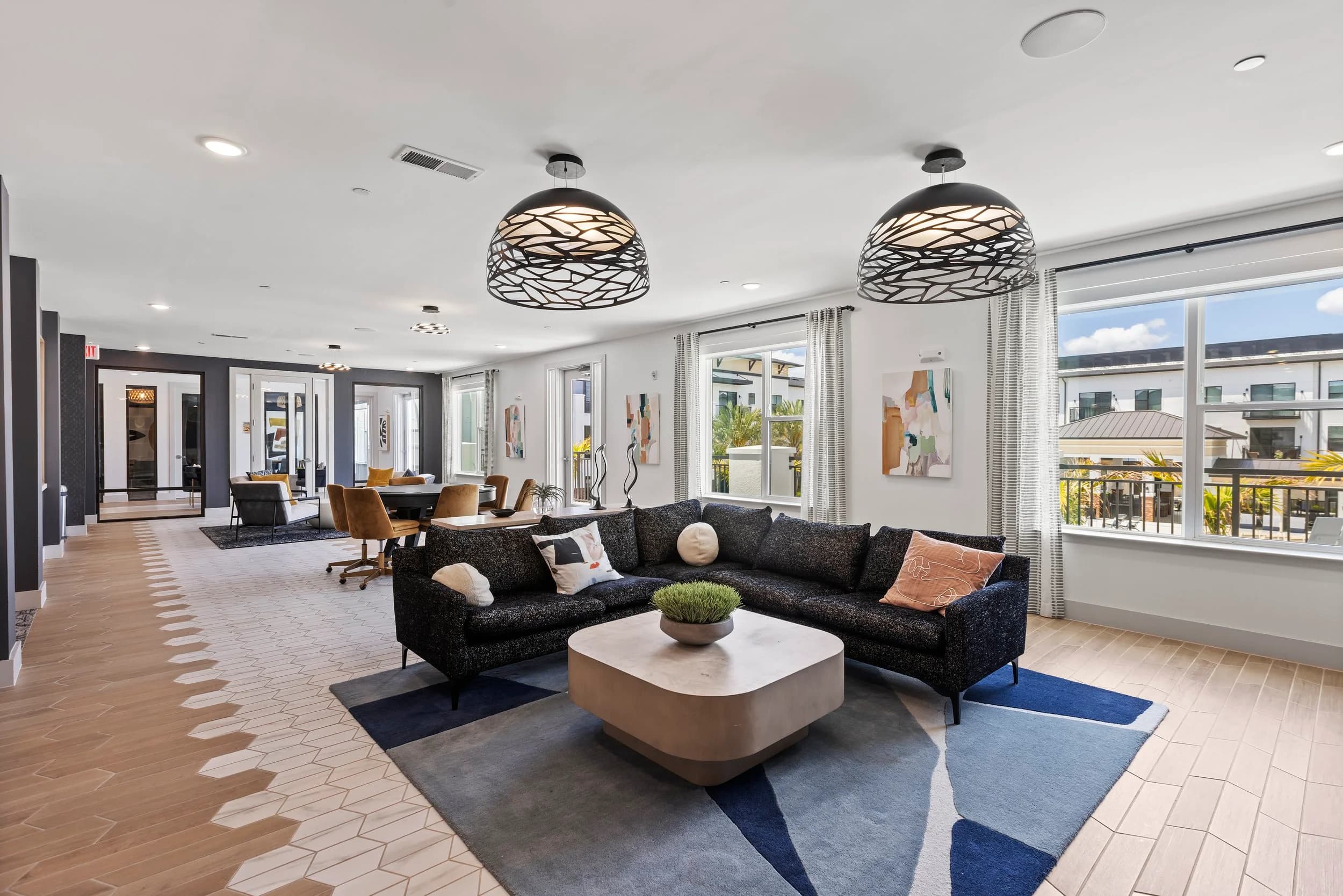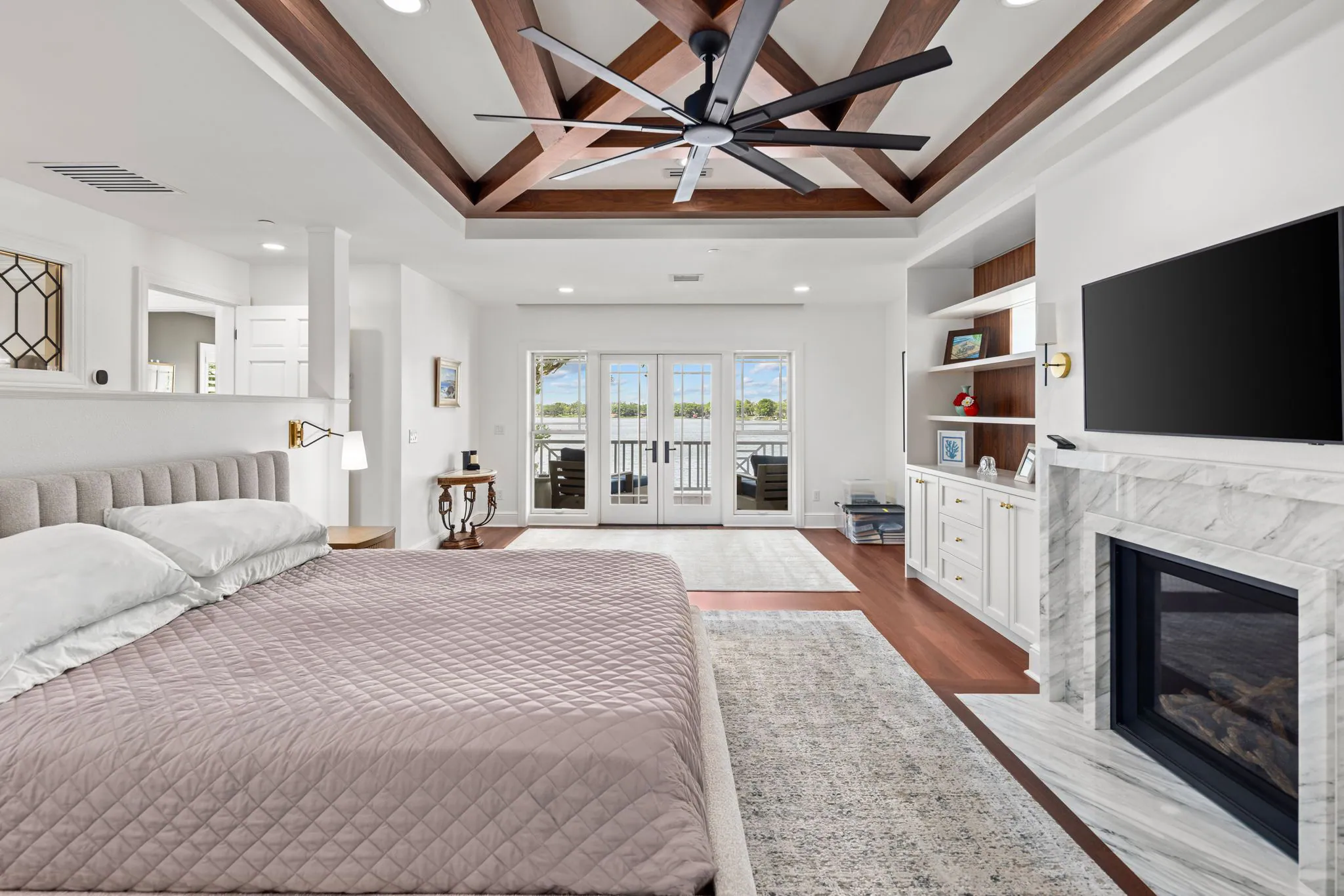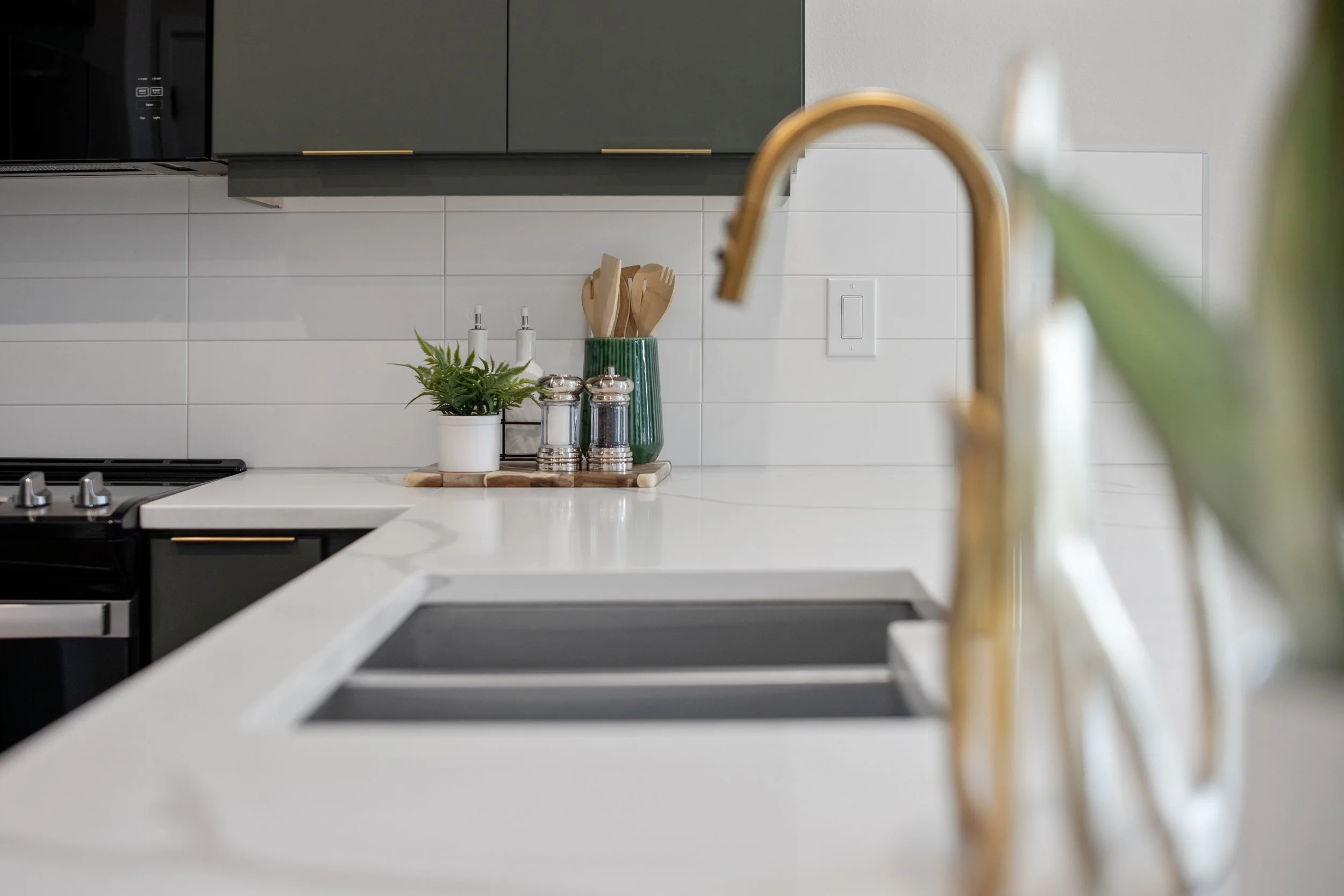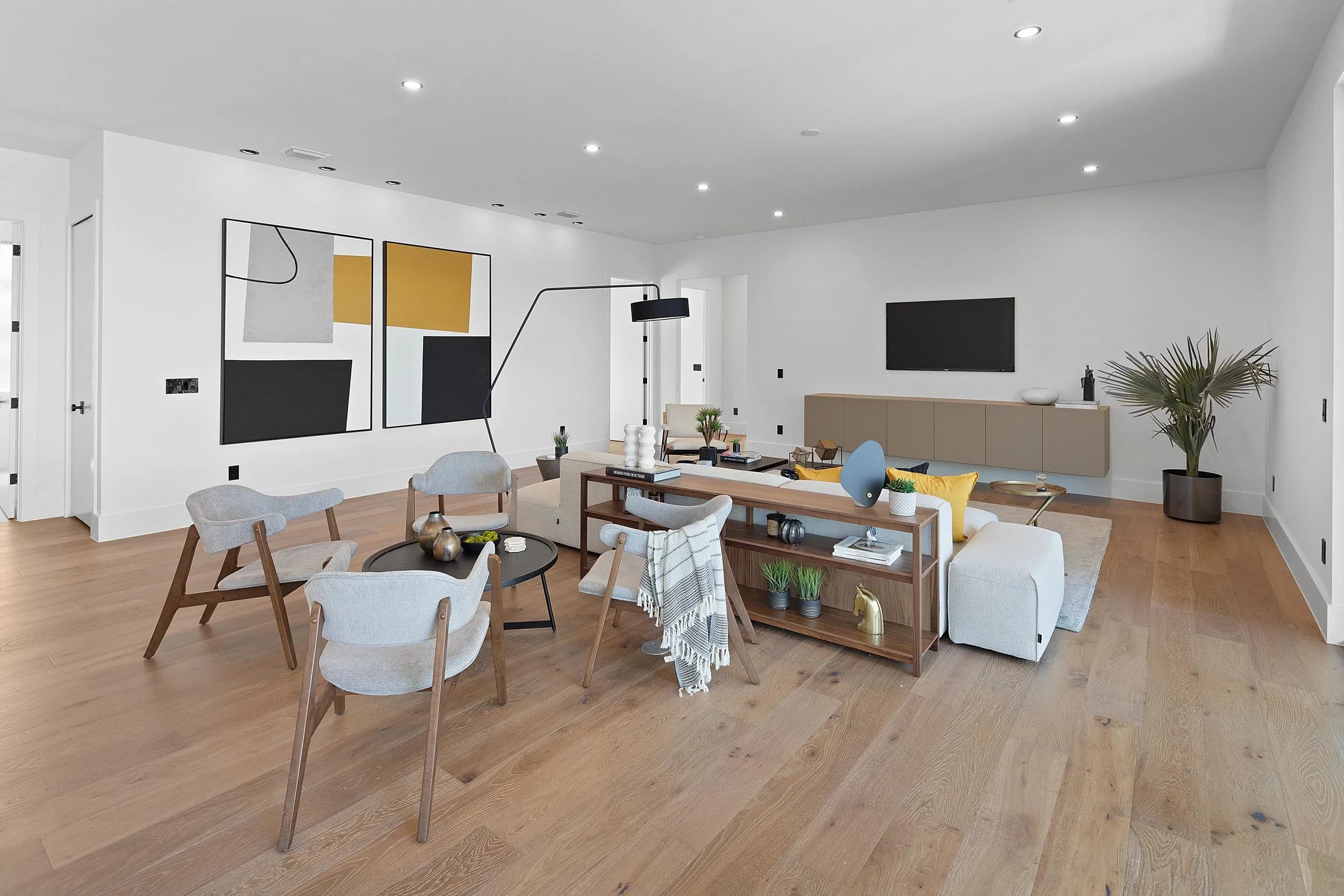
Most listing galleries are built entirely from wide room views. Adding four or five well-chosen detail shots is one of the cheapest ways to make a home feel more considered — but only if the details are worth showing.
What Counts as a Detail Shot
A detail shot is a tighter frame that isolates one element rather than describing a whole room. In real estate work, that usually means:
Cabinet hardware, faucets, and plumbing fixtures
Tile patterns, backsplashes, and shower niches
Countertop edges, waterfall islands, and material seams
Trim, crown molding, coffered ceilings, and stair details
Light fixtures, chandeliers, and sconces
Built-ins, custom closets, and pantry organization
Fireplace surrounds and accent walls
These are not artistic filler. They are evidence. A wide kitchen photo tells a buyer the kitchen is large. A tight frame of the hardware and the counter edge tells them the finish level is real.
Why They Matter More Than Agents Expect
They signal quality without a word of copy. Buyers scrolling Zillow at speed are making a fast judgment about whether a home is a renovation or a real build. Soft-close hardware, honed stone, and a properly mitered edge communicate that instantly.
They give the gallery a rhythm. Twenty-eight consecutive wide shots blur together. Breaking the sequence with a tighter frame every six or seven images keeps a viewer moving through the set rather than bailing halfway.
They are the raw material for everything else. Detail frames are what fill Instagram carousels, listing flyers, email headers, and reels. A single shoot that includes eight detail shots gives an agent months of usable content beyond the MLS.
Where Detail Shots Earn a Slot
Not every home deserves them. Detail work pays off when there is genuine craft to point at:
Renovated properties. If a seller spent forty thousand dollars on a kitchen, the gallery should prove where the money went.
New construction and model homes. Builders use detail imagery to sell finish packages and upgrade tiers. A tight frame of the quartz and the tile is often what closes an upgrade decision at the design center.
Luxury listings. At the top of the market, buyers assume space and are shopping on material quality.
Historic homes. Original millwork, hardware, and floors are the value proposition, and a wide shot flattens all of it.
Custom or unusual features. A wine room, a hidden pantry door, a custom stair rail — anything a buyer will remember the listing by.
Where They Waste One
Detail shots hurt when they draw attention to ordinary or dated materials. Photographing builder-grade brushed nickel hardware on a 2005 spec home does not add value; it just uses a gallery slot that a better room view could have filled.
The other common mistake is over-shooting. Twelve macro frames of tile in a twenty-five photo gallery makes a listing feel like it is hiding something — usually a small floor plan. If a viewer finishes the gallery without a clear sense of how the home flows, the details crowded out the rooms.
A reasonable ratio is one detail shot for every five or six room photos, capped at around six for a typical single-family listing.
Where They Belong in the Sequence
Order matters as much as selection. Details should support the room they came from, not open the gallery.
Never lead with one. The hero image is an exterior or the best living space. A close-up of a faucet as photo one gives a buyer no idea what they are looking at.
Place each detail immediately after its parent room. Kitchen wide, kitchen second angle, then the hardware or backsplash frame. The viewer already has context.
Use one as a closer. A strong final detail — a fireplace, a light fixture, a stair rail — leaves a better last impression than a laundry room.
What to Ask Your Photographer
Detail shots require a different approach than room work: shallower depth of field, careful reflection control on chrome and glass, and often a tripod adjustment for every frame. They add time to a shoot, so it is worth being specific.
Walk the home before the shoot and flag three to six things you would tell a buyer about in person — the thing the seller is proudest of, the upgrade that cost the most, the feature no other home on the street has. That short list is the detail shot list. It is a better filter than any general rule.
Detail photography is a small part of a shoot that carries an outsized share of the impression a listing leaves. Choose the details deliberately, keep the count disciplined, and let them support the rooms rather than replace them.
Ready to book? Get in touch or call us — we serve Orlando, Tampa Bay, and Central Texas.