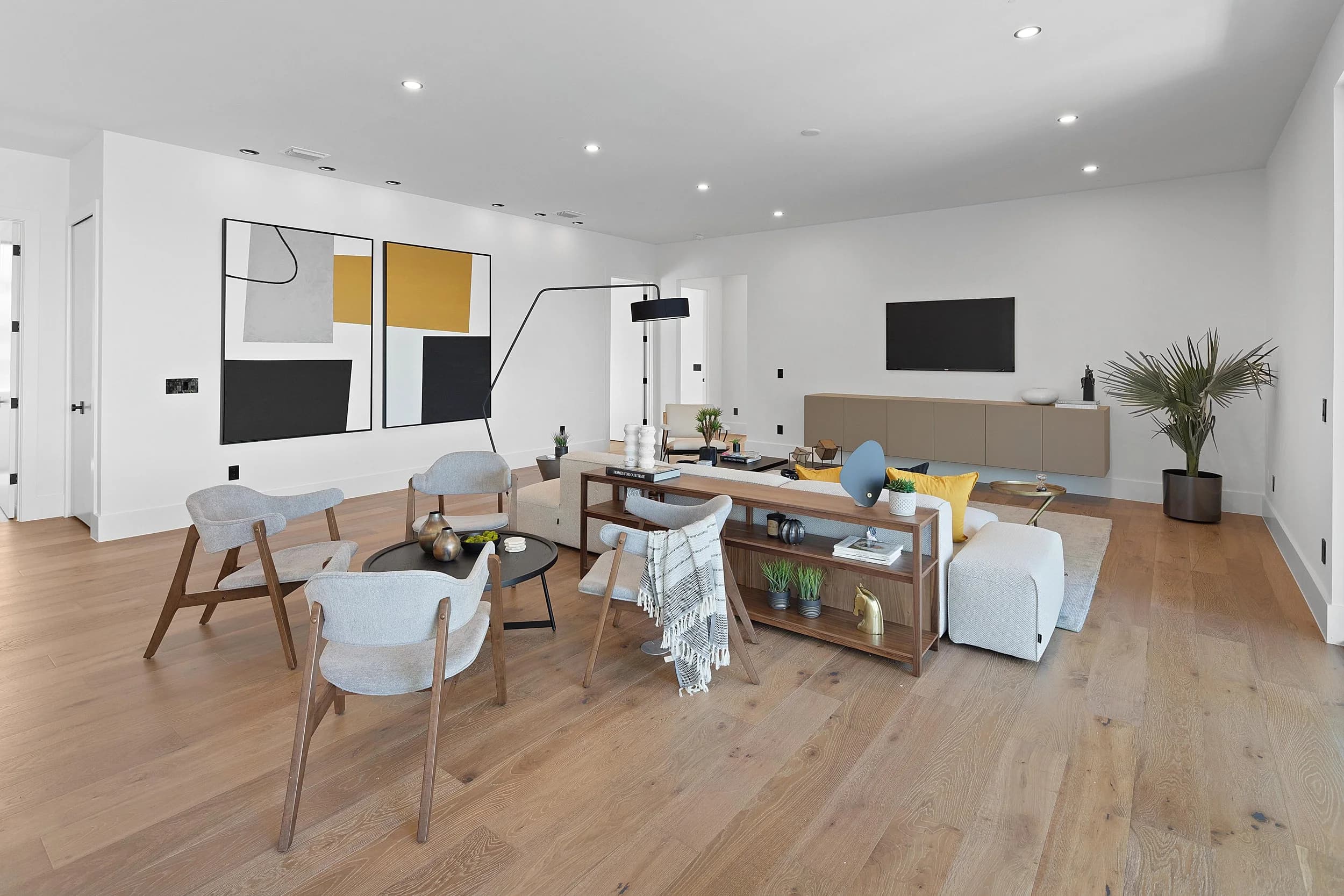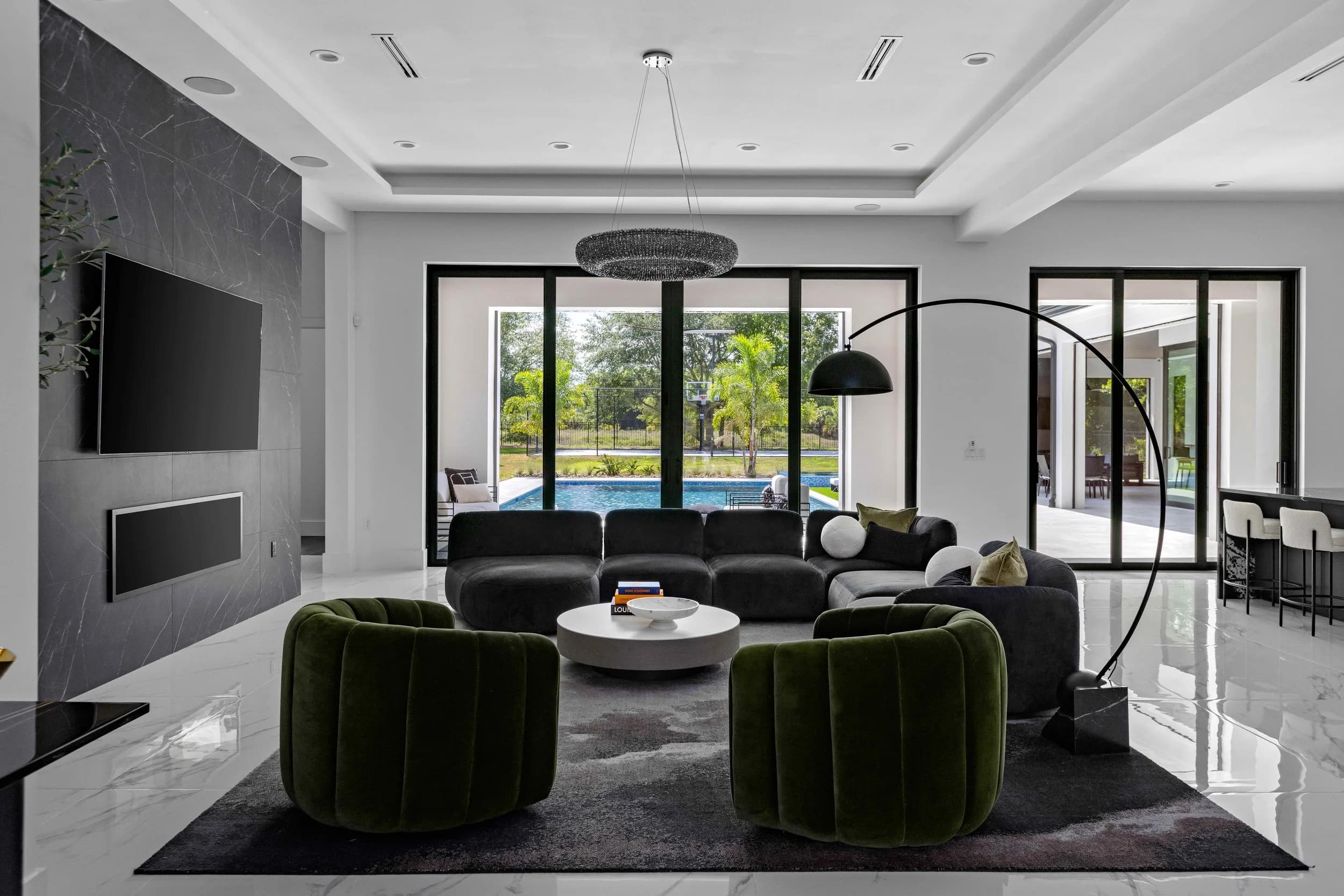
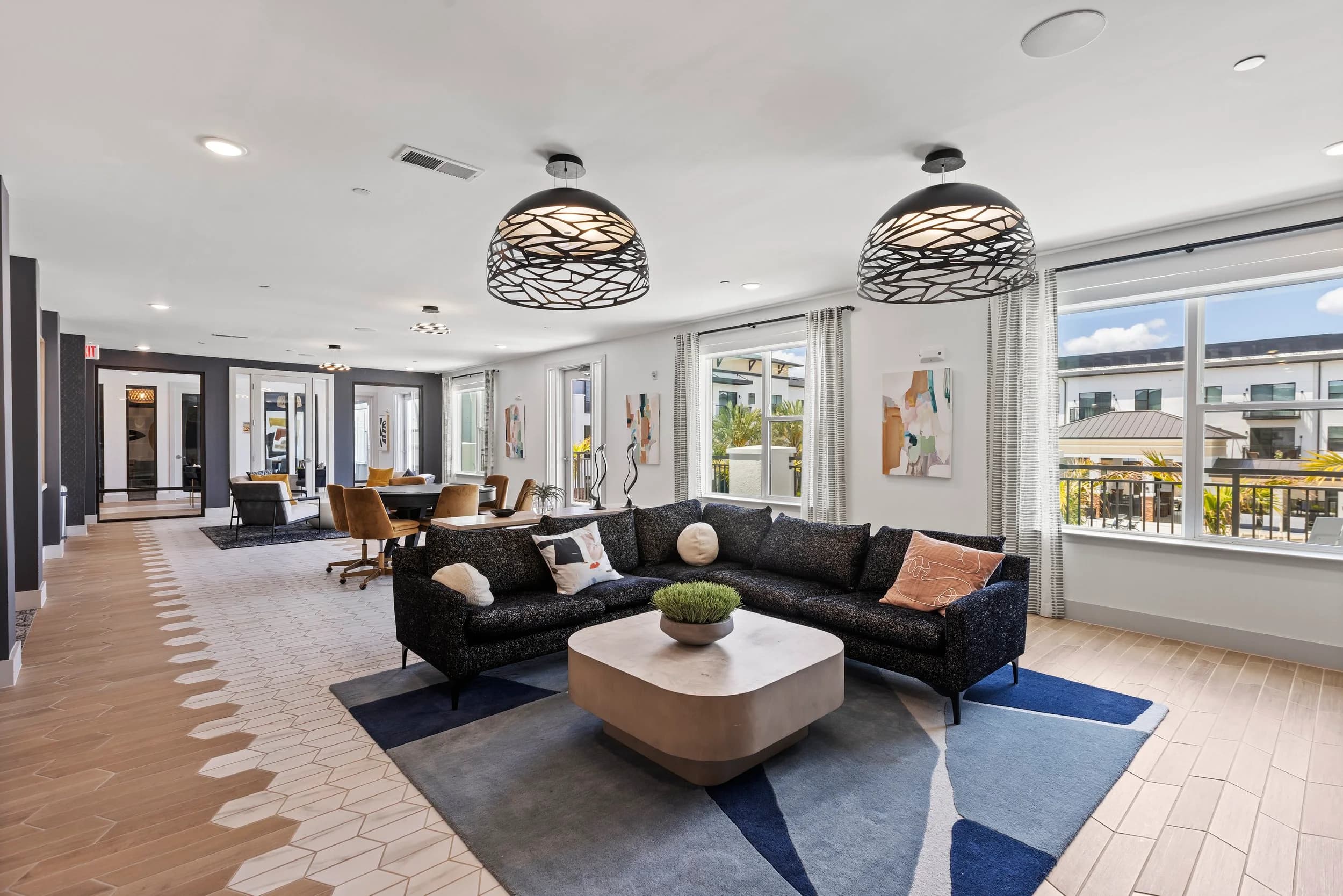
Compact condos, downtown lofts, and cozy starter homes are some of the hardest properties to shoot well — and some of the most rewarding when done right. The goal isn’t to deceive buyers; it’s to show small spaces accurately and at their best so the square footage feels as livable as it truly is.
Why Small Spaces Are Tricky to Shoot
In a tight room, the photographer’s biggest enemy is distance. There’s nowhere to back up, so a careless wide shot warps the room, exaggerates the foreground, and makes furniture look like it’s bulging toward the camera. Mirrors, sliding doors, and reflective surfaces — common in Florida condos — add glare and clutter. And small rooms show every bit of mess, so staging discipline matters more than ever. Done poorly, the result feels cramped; done well, it feels open, bright, and intentional.
The Right Gear and Technique Make the Difference
Professional results in small spaces come down to controlled technique: a quality wide-angle lens that captures the room without distorting it, a tripod and level horizons so walls don’t lean, proper exposure blending or flash to balance bright windows with darker interiors, and careful composition that shoots from a corner to give the eye depth and flow. These are the same fundamentals that separate iPhone snapshots from listing-ready photography — and they matter even more when every inch counts.
Staging and Prep That Maximize Space
Photography can only do so much if the room itself is working against it. Before the shoot, declutter aggressively so empty surfaces read as space, right-size the furniture by removing oversized pieces, and pull furniture slightly off the walls — counterintuitively, a little breathing room reads as more space, not less. Maximize natural light by opening blinds, turning on every lamp, and cleaning the windows, and lean on light, consistent tones that expand a room visually. A photographer who arrives early can fine-tune these details, but the more the seller handles in advance, the better.
Light Is Your Best Tool for Openness
Nothing makes a small space feel larger than light. Bright, even illumination eliminates the shadowy corners that make rooms feel boxed in, which is why timing and technique matter so much. In Florida, strong midday sun can blow out windows and create harsh contrast, so professional exposure blending — capturing the room and the view as separate exposures and merging them — is often the key to making a condo feel both bright and grounded.
Show Layout and Flow
Small-space buyers care intensely about how rooms connect; a studio or one-bedroom lives or dies on flow. Shoot sightlines that show how one space opens into the next, capture the view from the entry to orient the buyer, and consider adding a floor plan or 3D tour so buyers understand the layout instantly. For condos especially, a Matterport tour pairs beautifully with stills — it lets remote and out-of-state buyers walk the space themselves and grasp dimensions no photo can fully convey.
Honesty Sells Better Than Tricks
It’s tempting to over-widen a lens to make 600 square feet look like 1,200 — don’t. Buyers who feel misled at the showing leave frustrated, and the listing loses momentum. The right approach is to present the space accurately but flatteringly: clean, bright, well-composed, and true to scale. That builds trust and brings the right buyers — the ones who want exactly what the space offers.
The Bottom Line
Small spaces reward skill. With the right lens, level horizons, balanced light, and disciplined staging, a compact Orlando condo or Tampa loft can look every bit as inviting as it deserves — without bending the truth. The result is more clicks, more qualified showings, and faster offers. Ready to book? Get in touch or call us — we serve Orlando, Tampa Bay, and Central Texas with photography, video, and 3D tours for properties of every size.