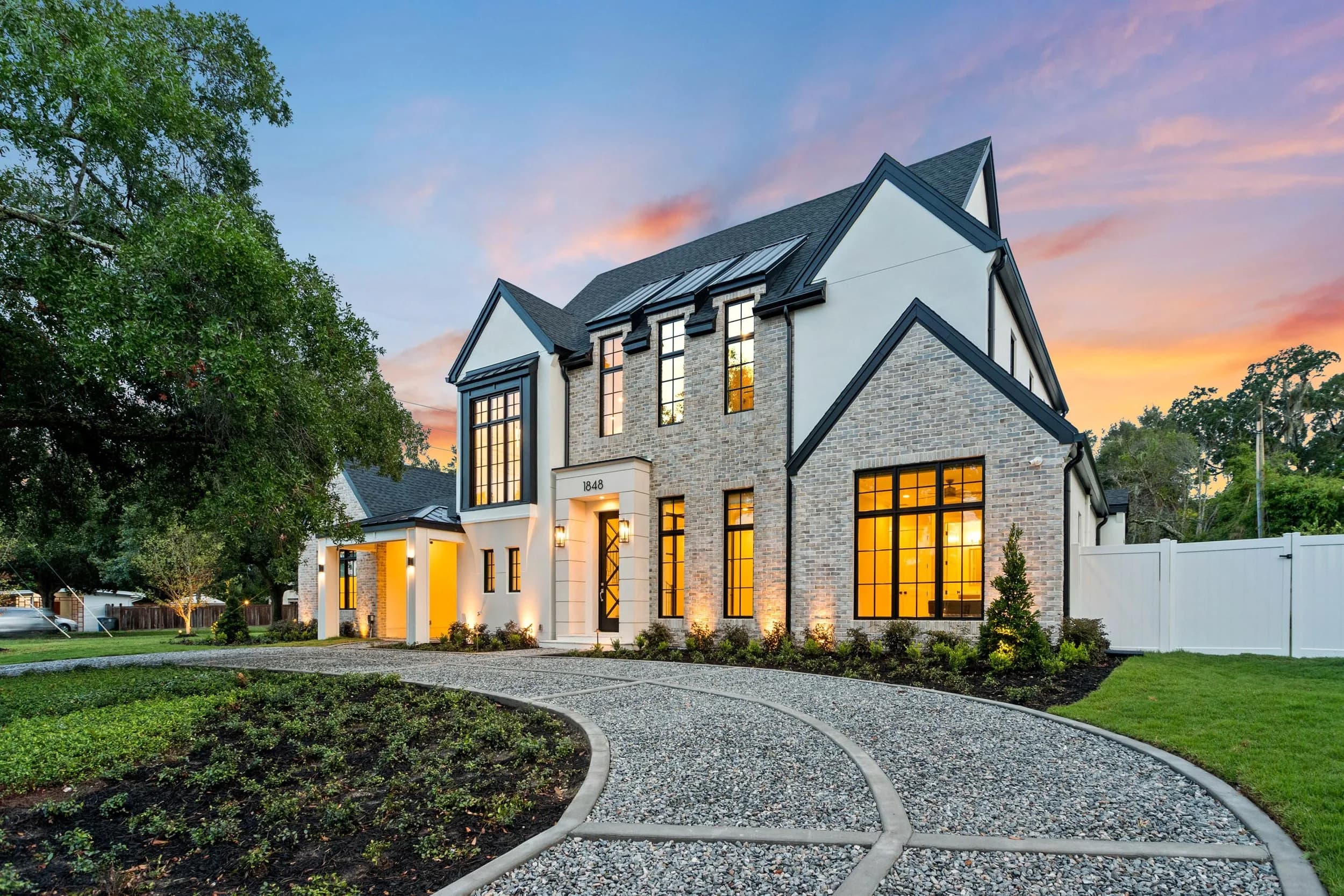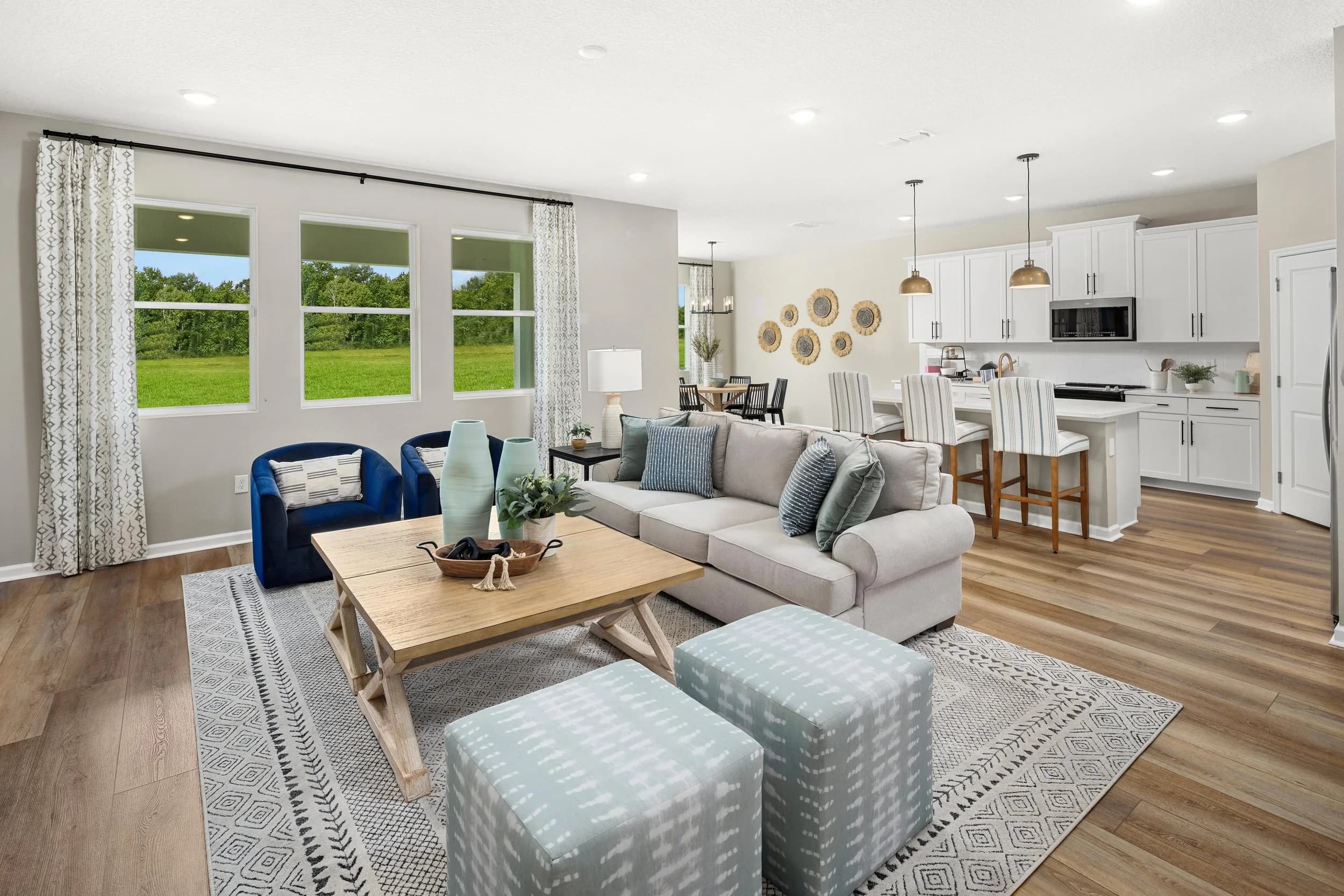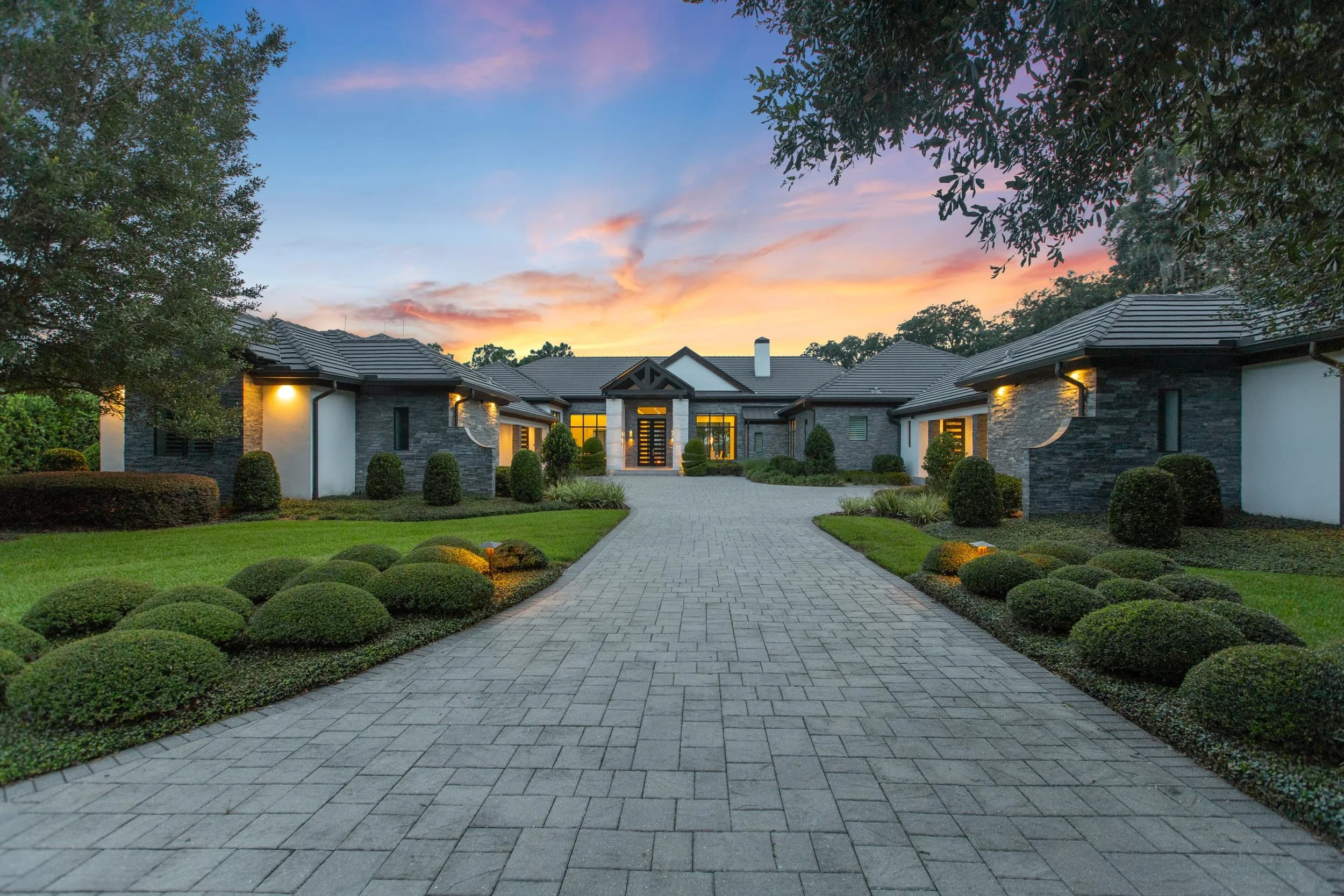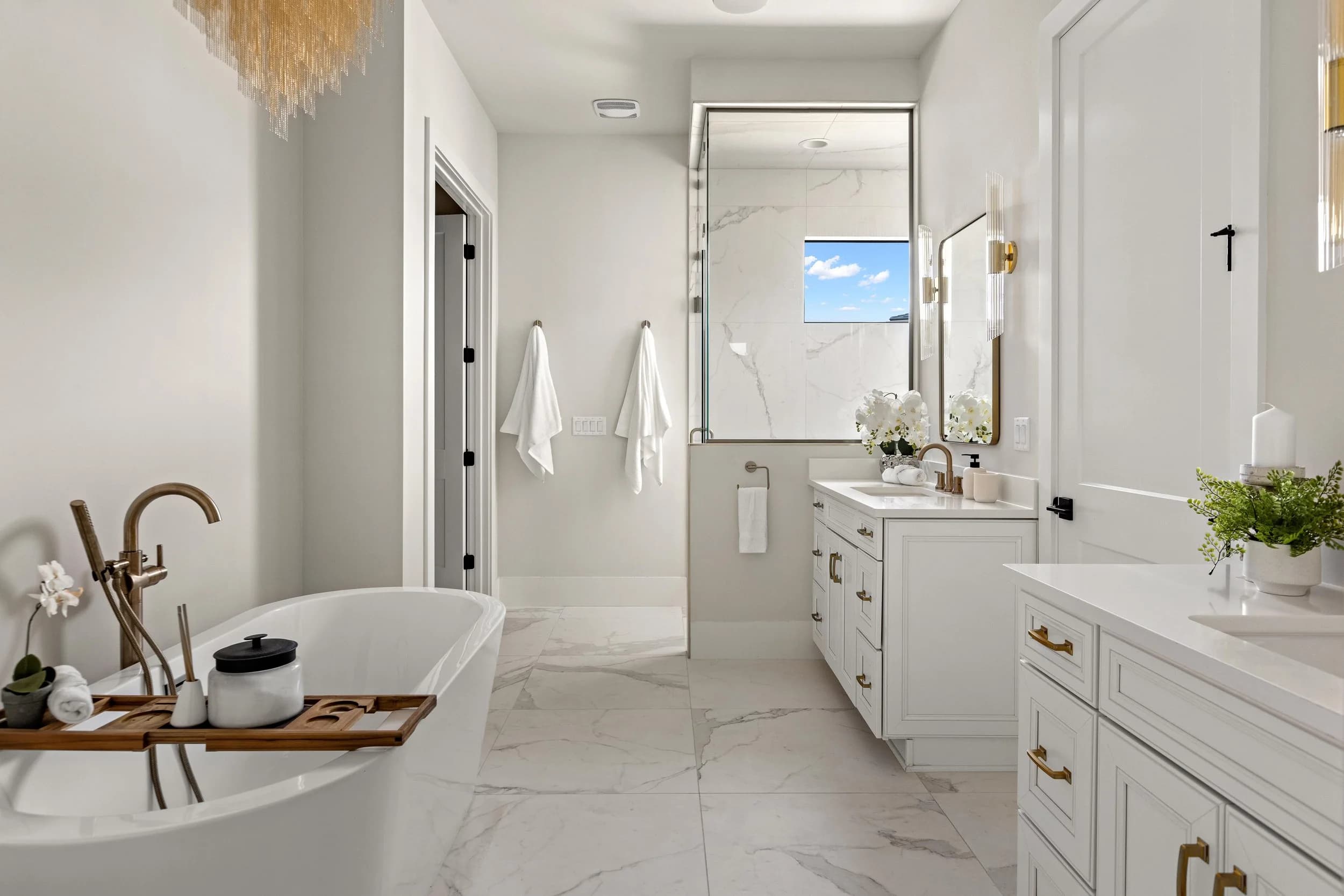
If you’ve ever compared two sets of listing photos and wondered why one looks crisp and natural while the other looks muddy or oddly lit, the answer usually comes down to technique. The two dominant approaches in real estate photography are HDR (high dynamic range) and flash photography. Both can produce beautiful results, but they get there in very different ways.
What Is HDR Photography?
HDR works by capturing several exposures of the same room — one bright, one dark, and a few in between — and blending them together. The bright frames preserve detail in shadowy corners, while the darker frames hold onto the view outside the windows. Merged correctly, the result is a single image that shows everything from the dim hallway to the sunny backyard.
HDR is fast, which is one of its biggest advantages on a busy shoot. A photographer can move quickly from room to room without setting up lighting gear in each space. For agents working under tight Orlando and Tampa Bay listing deadlines, that speed is what keeps a gallery inside the 24-hour delivery window.
The tradeoff is that poorly executed HDR can look unnatural — over-saturated colors, gray flat lighting, or strange halos around windows. Quality depends heavily on the photographer’s editing skill.
What Is Flash Photography?
Flash photography (sometimes called flambient, when blended with ambient light) uses strobes to light each room deliberately. The photographer controls exactly where the light falls, producing clean whites, accurate colors, and a polished, magazine-style look. It excels in rooms with mixed lighting, spaces with dark cabinetry or rich paint colors, twilight shots where balance matters, and luxury listings where every detail needs to look intentional.
The downside is time. Flash setups take longer per room, which can raise costs and extend shoot length — something to weigh on large or multi-property jobs.
How the Two Compare
A simple way to think about it: HDR is faster while flash is more deliberate. Flash typically wins on color accuracy, especially with bold paint or wood tones, and usually holds window views more cleanly. Flash also produces a more uniform look across a whole gallery, while HDR is often more budget-friendly for standard listings.
Which Should You Choose?
For most standard residential listings, high-quality HDR delivers excellent results at a reasonable price and turnaround. For luxury homes, tricky lighting, or listings where you want that crisp, editorial finish, flash (or a flash-and-ambient blend) is worth the extra investment.
The honest truth is that the photographer matters more than the method. A skilled professional knows when each technique fits the property — and many of the best results come from blending both. At JRP, we choose the approach that makes each specific home look its best, whether that’s a starter condo or a waterfront estate.
Ready to book? Get in touch or call us — we serve Orlando, Tampa Bay, and Central Texas.