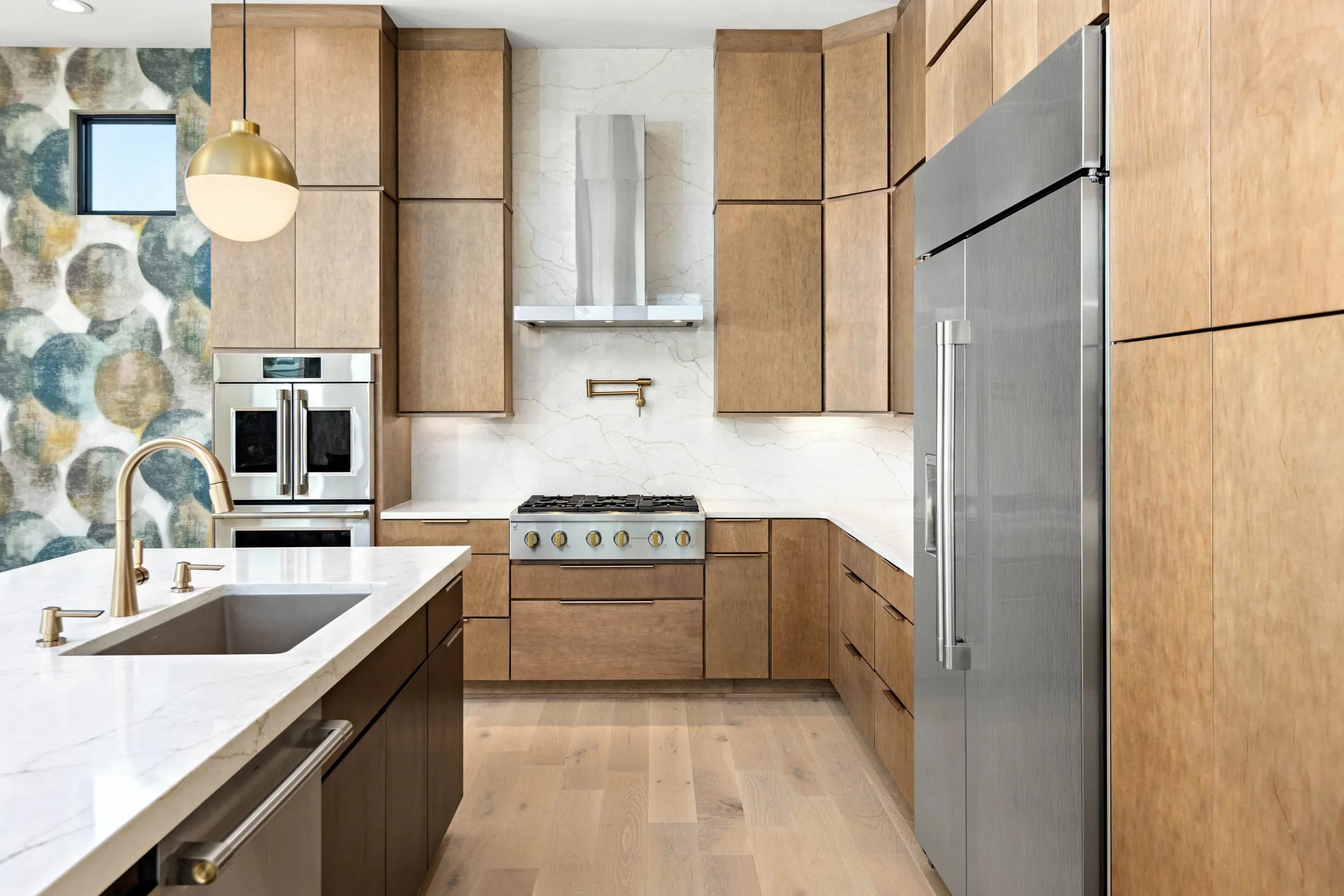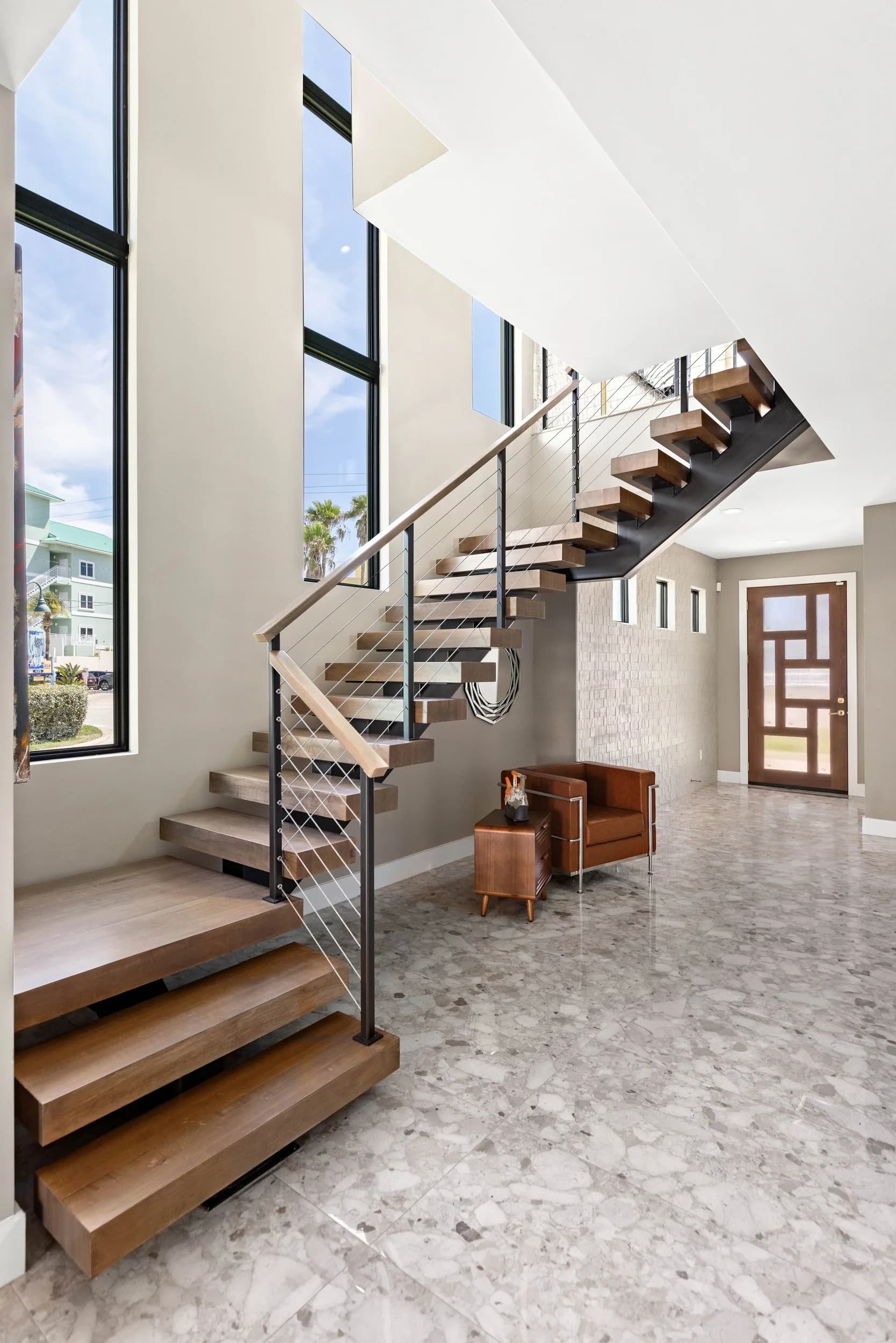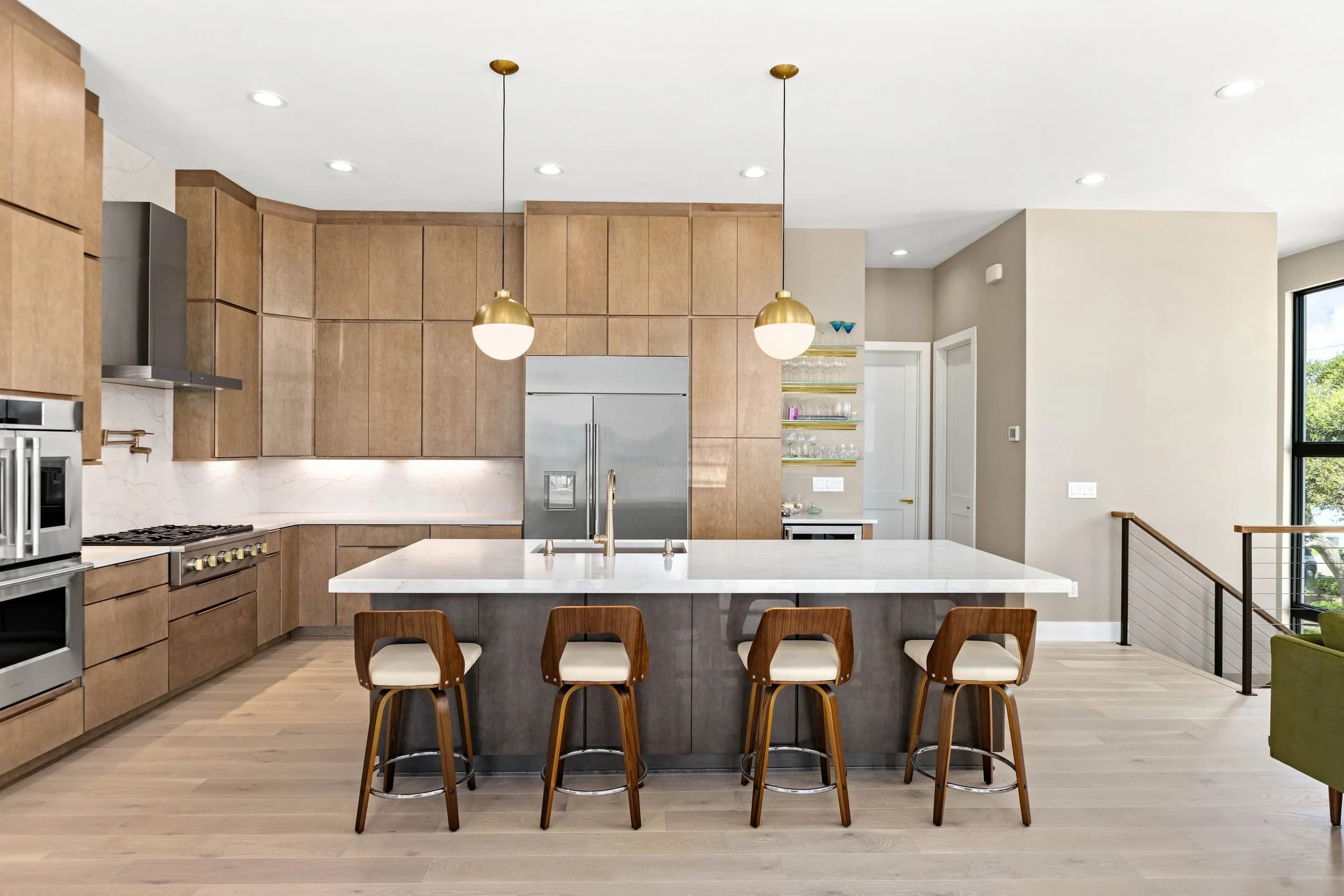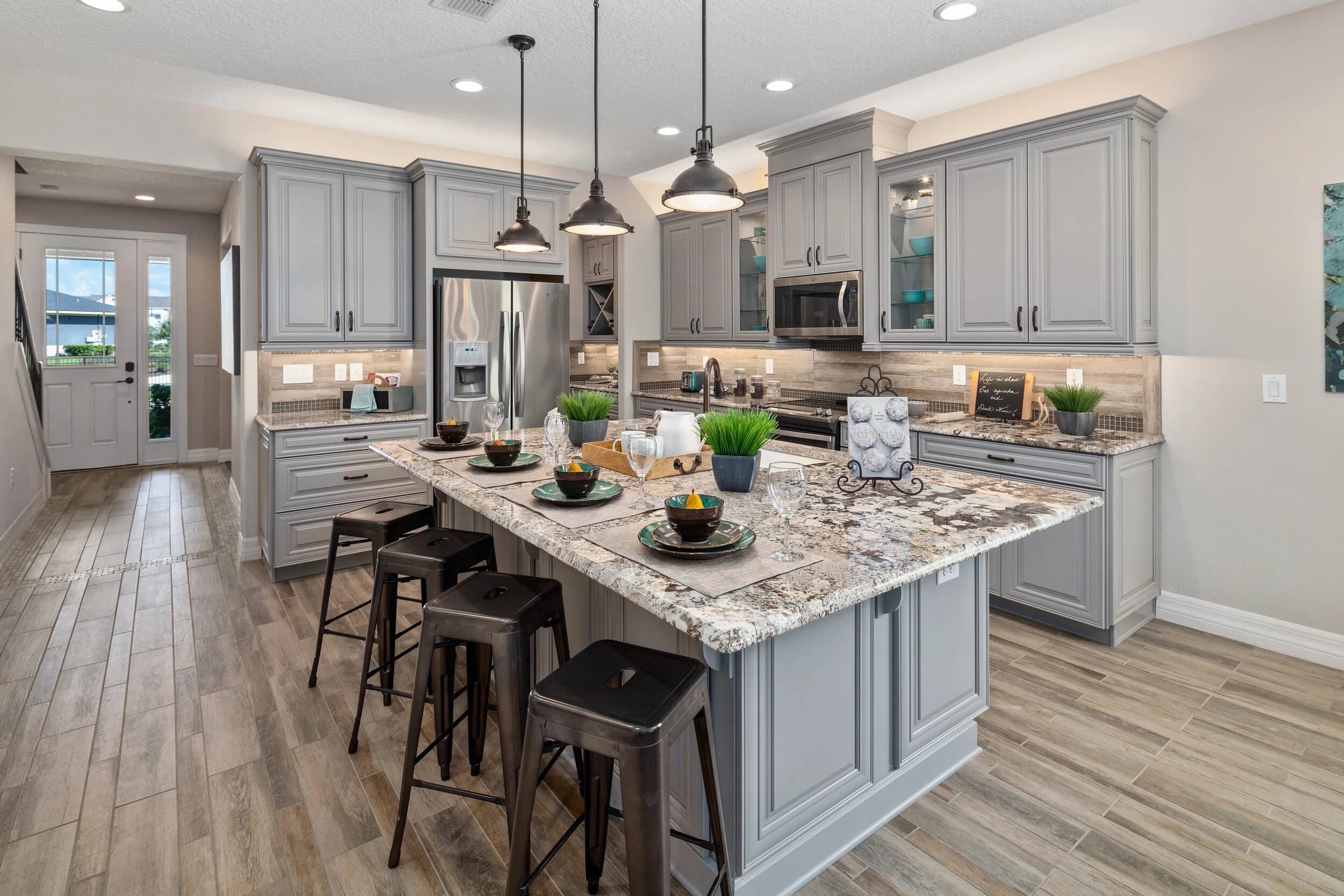
An empty room is hard to sell. Buyers struggle to judge scale, picture their own furniture, or feel an emotional pull toward bare walls and echoing floors. Staging solves that — but should you stage with real furniture or do it digitally? Here’s how the two stack up on cost, speed, and results.
What Each Option Actually Involves
Physical staging means bringing real furniture, art, rugs, and decor into the home. A stager assesses the space, designs each room, delivers and arranges everything, and later removes it after the home sells. It’s a full logistical operation.
Virtual staging starts with professional photos of the empty or sparsely furnished rooms. A digital artist then adds realistic furniture and decor to the images. The home itself stays empty; only the photos show it furnished.
The Cost Difference
This is where the two diverge sharply. Physical staging in the Orlando and Tampa Bay markets typically runs from a few thousand dollars for a partial stage to well over $5,000 to $10,000 for a full home, often billed monthly. A vacant luxury listing that sits on the market for several months can rack up serious staging fees.
Virtual staging usually costs a small fraction of that — often $25 to $75 per image. Staging a full gallery of photos might total a couple hundred dollars, a one-time cost with no rental clock running. For agents managing multiple vacant listings, the savings add up fast.
Where Each One Wins
Cost isn’t the whole story. Physical staging shines when buyers will walk through in person and need to feel the space, when the listing is luxury or high-stakes, or when a home shows poorly empty due to an awkward layout.
Virtual staging shines when budget is tight or the home is vacant and far from the agent, when you need fast turnaround to get the listing live, when the primary audience is browsing online (which today is nearly everyone), or when you want to show one room styled multiple ways.
The Honest Tradeoffs
Virtual staging has one important rule: honesty. Buyers should never arrive expecting furniture that doesn’t exist, and most MLS systems require virtually staged photos to be clearly labeled. It’s a marketing tool to spark imagination, not to deceive. Physical staging, meanwhile, delivers an in-person wow that photos alone can’t fully replicate — but at a much higher price and with more coordination.
Many agents now use a hybrid approach: virtual staging to make the online listing pop and attract clicks, paired with light physical touches for showings. Since the vast majority of buyers start their search online, strong photos — staged or not — are the first thing that determines whether a home gets a second look.
Whichever route you choose, it all starts with great photography of the space. Ready to book? Get in touch or call us — we serve Orlando, Tampa Bay, and Central Texas.