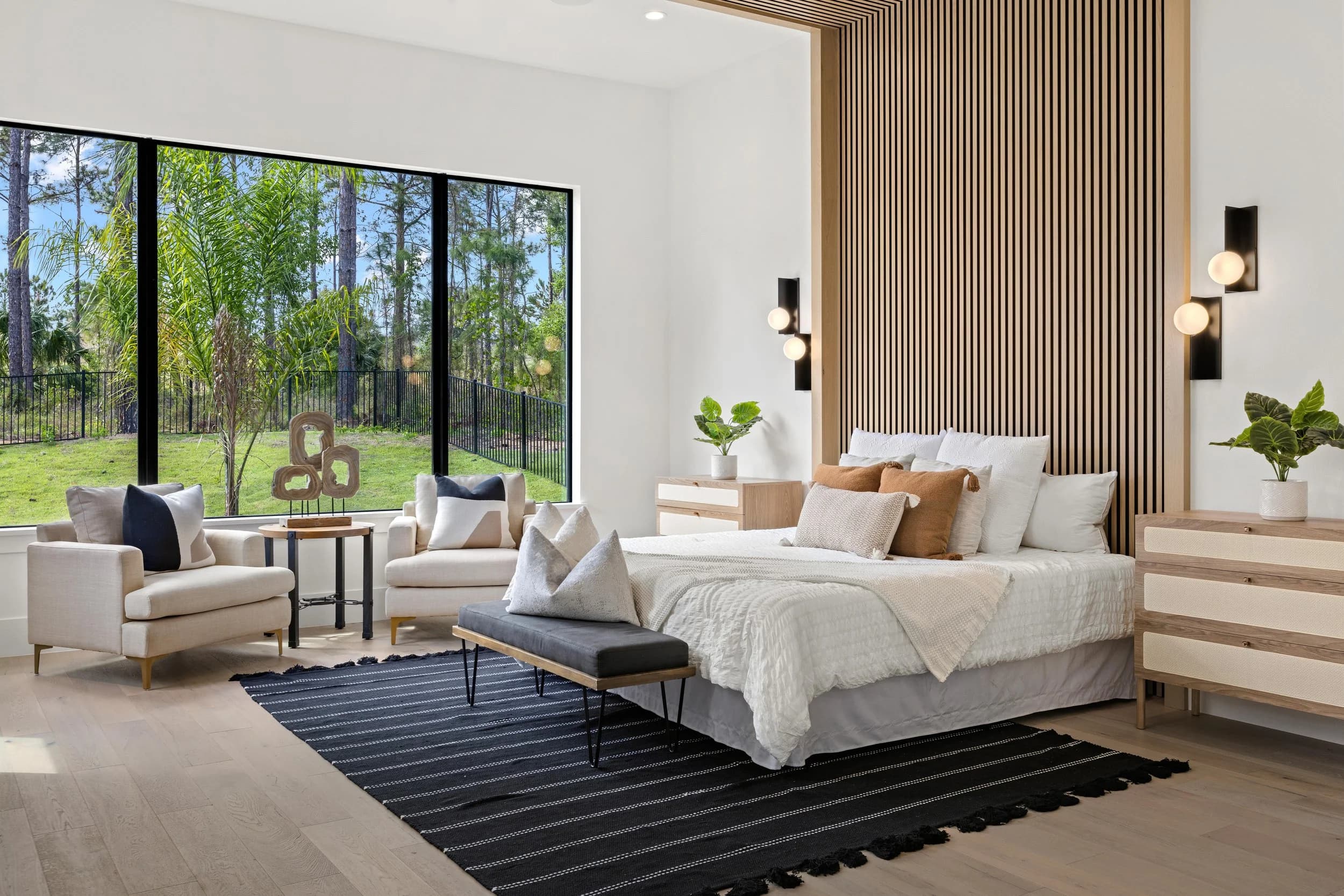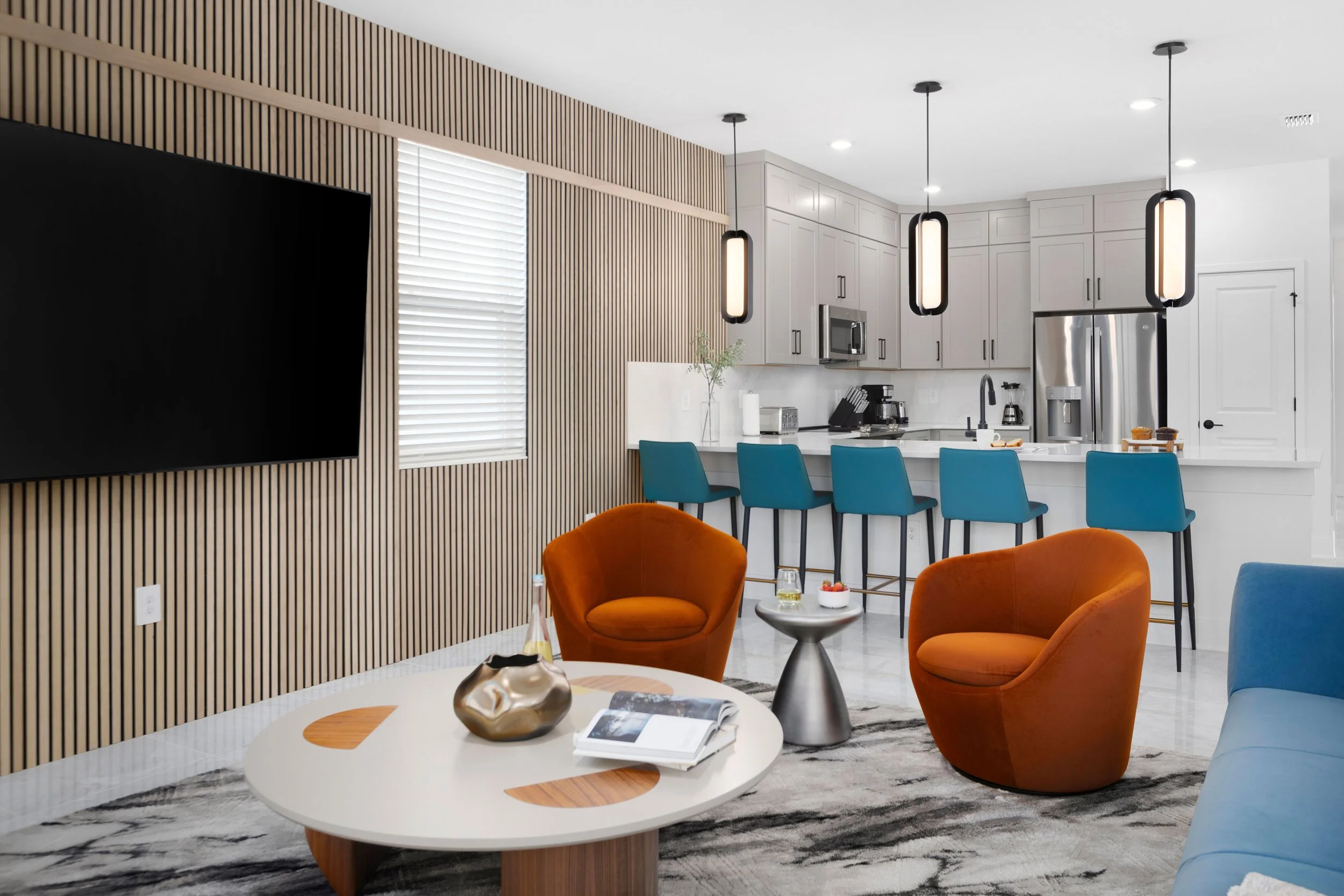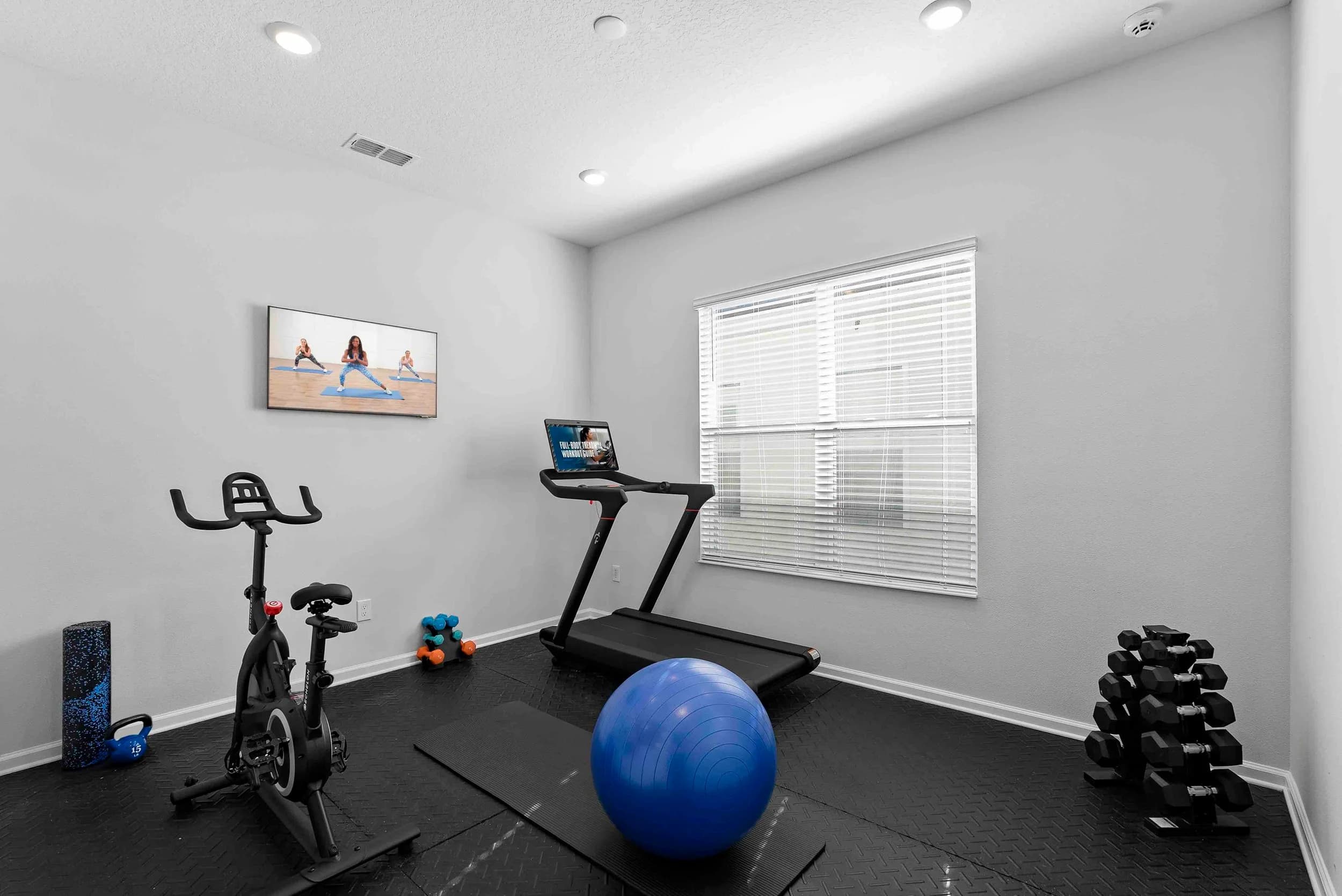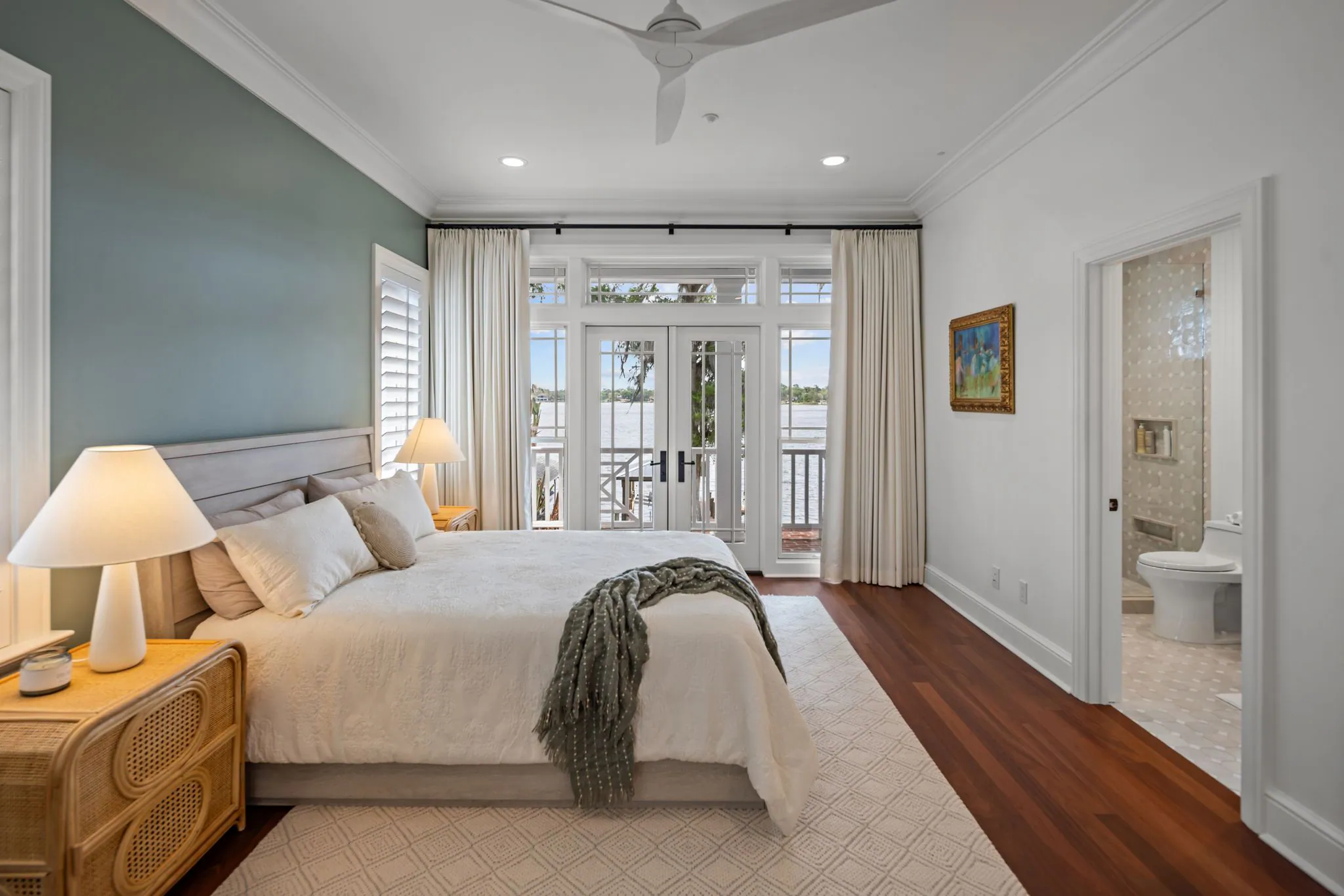
A home with a separately rented guest suite or income unit is really two products in one listing. One buyer wants a comfortable primary residence, and another wants a property that supports itself. The gallery has to serve both without confusing either, and without implying anything about income that the agent cannot support.
This is a common situation across Orlando, Tampa Bay, and Central Florida, and it shows up in Austin and San Antonio wherever a casita or garage apartment sits behind the main house.
Sequence the gallery so the main home leads
Lead with the primary residence. Most buyers, including investors, first judge the home itself, and a gallery that opens on the rental unit can make the main house look like an afterthought. Present the front elevation, the main living spaces, the kitchen, and the primary suite first, then move to the second unit as its own clearly marked section.
Photographing the second unit as a separate set, with its own entrance, kitchen, and bath, lets a buyer see exactly what it is. The family-use version of this idea is covered in Photographing ADUs, Casitas, and In-Law Suites. The difference here is that the second unit may be producing income, so the framing is about function and separation rather than about extended family.
The order matters in a scrolling gallery. Buyers on a phone rarely go past the first dozen frames, so anything essential to the sale should appear early.
Show the separation buyers care about
Income-minded buyers look for privacy and independence, so the photographs should show them. A separate entrance, a dedicated parking spot, a distinct address or mailbox, and a private outdoor area all matter, and they are easy to include with a few deliberate frames.
- The unit's own entrance and path, photographed from the point a tenant would arrive.
- The kitchen and bath, because these are the features that determine whether the unit stands alone.
- Any shared area, such as a driveway or yard, shown accurately so a buyer understands what is and is not private.
- A wide frame of the property that shows how the two structures sit relative to each other.
Floor plans help here. A simple 2D plan or a Matterport scan of each structure shows buyers how the pieces relate, and it gives the agent something concrete to point to when a buyer asks whether the unit is truly self-contained. Neither replaces documentation of permitting, but both make the physical layout clear.
Handle the tenant carefully
If the unit is occupied, the tenant's access and privacy come first. The lease and local rules govern when the landlord can enter, and the tenant has to agree to the timing. The basic etiquette is covered in Photographing Tenant-Occupied Listings. In practice, that means giving notice in advance, asking the tenant to remove personal items, and being ready to skip the interior if the tenant declines.
When the interior cannot be shot, exterior photographs and a floor plan can represent the unit honestly, provided the description says the unit is occupied. The list of things to clear from any interior before photography is in What to Remove Before Listing Photos, and it applies to a tenant's belongings as much as a seller's.
Label everything accurately
Captions and descriptions should say what each space is and whether it is permitted, permitted as rented, or simply a guest suite. An agent should not use a photograph to suggest income, occupancy, or a legal status that has not been documented. Whether the unit is permitted, and what it can lawfully be used for, is a question for the owner, the county, and a professional, and the listing should reflect only what the agent can substantiate.
Keep the language in the gallery neutral and descriptive too. The rules on what belongs in the frame and in the copy are set out in Fair Housing and Your Listing Photos.
A short factual line in the description, naming the unit, its features, and its occupancy status, does more for credibility than any adjective. Buyers looking for income will verify the details themselves, and a gallery that matches the description earns their trust early.
Plan the shoot as two sessions in one visit
The efficient approach is to shoot the main home first and the second unit afterward, on the same visit, with a clear order agreed in advance. Tell the photographer who occupies the unit, when it is available, and whether the tenant will be home. Listing galleries are delivered within 24 hours, video in 48 to 72 hours. Larger properties take a little longer. Two structures on one lot count as a larger property, so mention the second unit when you book.
Ready to book? Call or text (689) 600-2131 or get in touch.