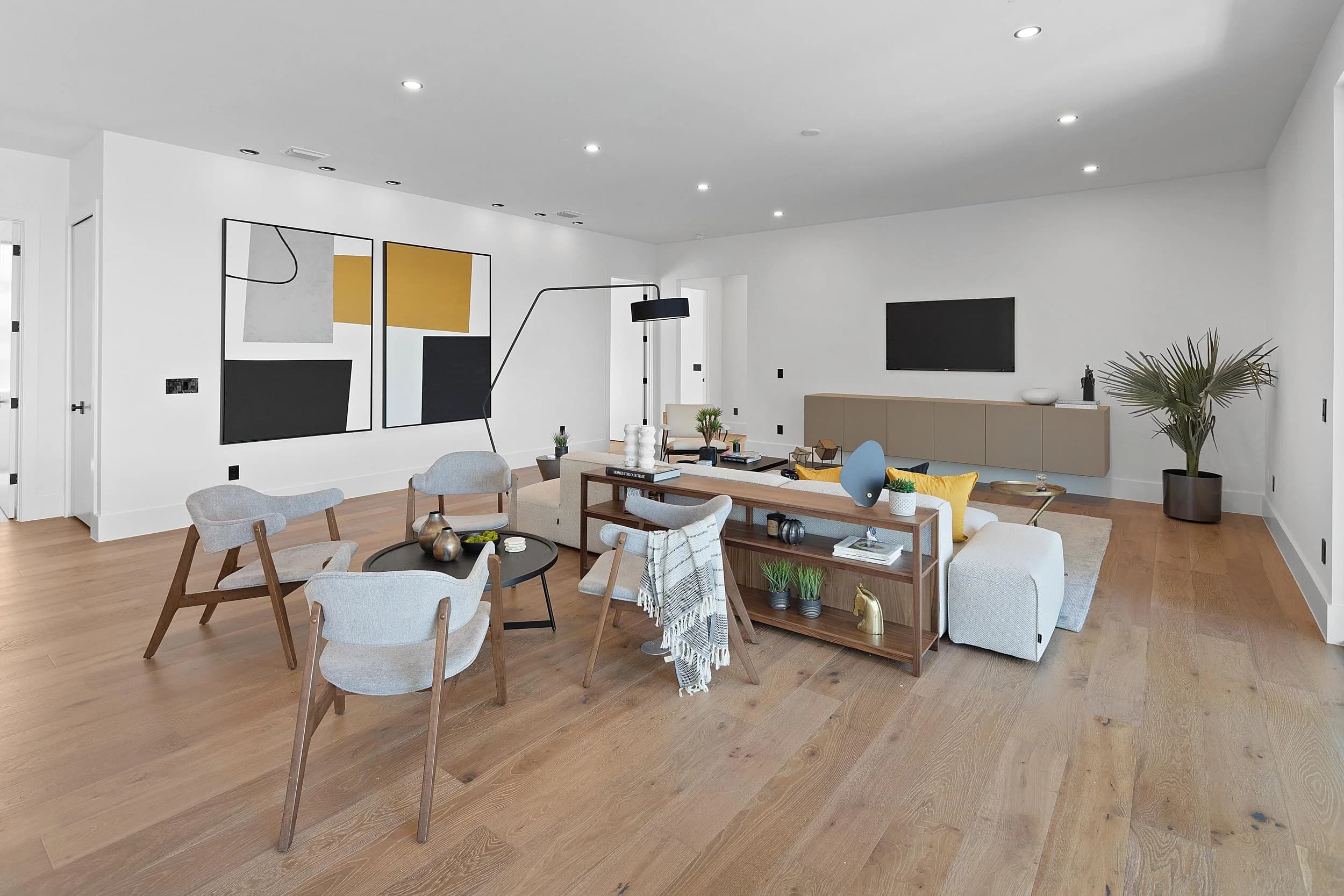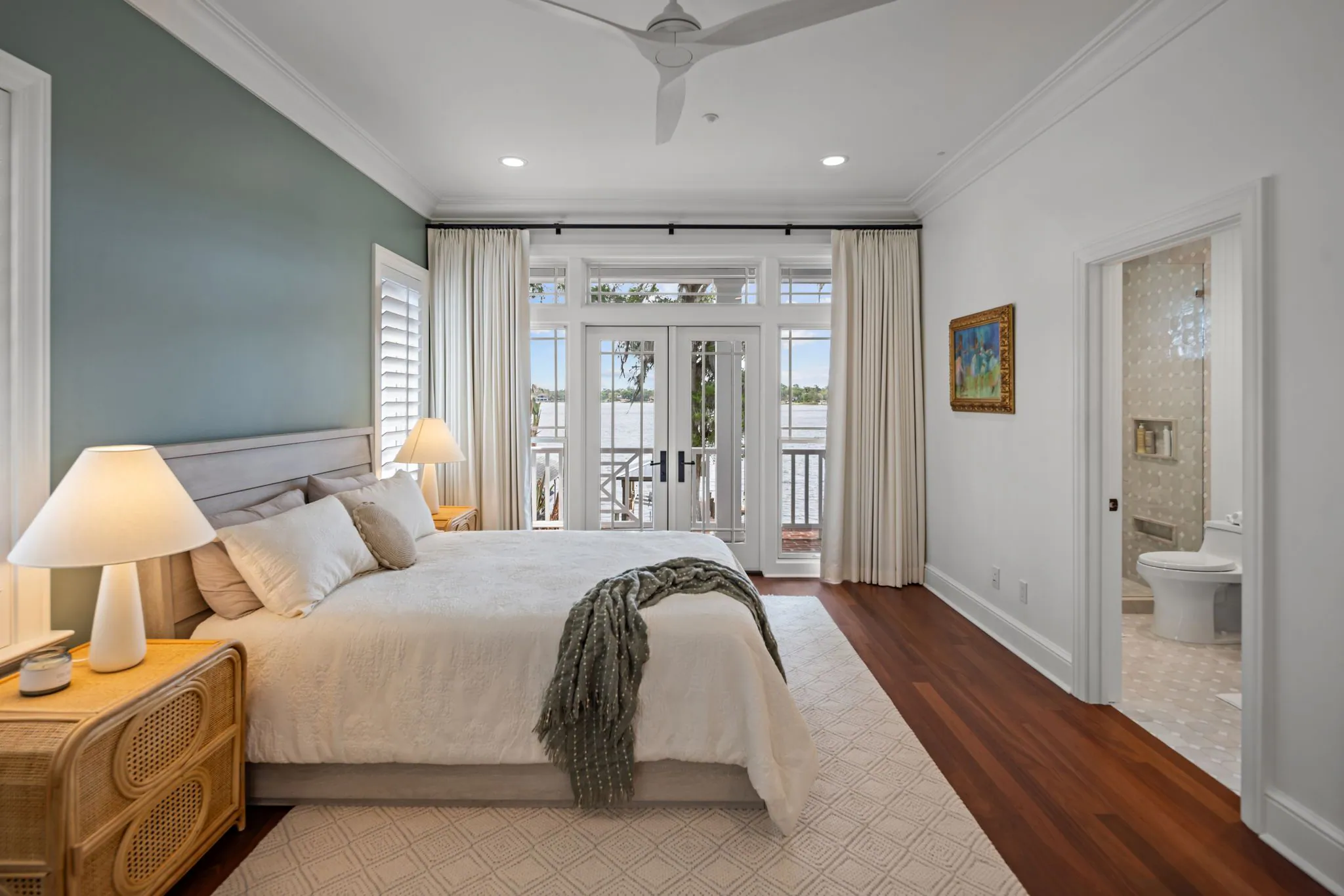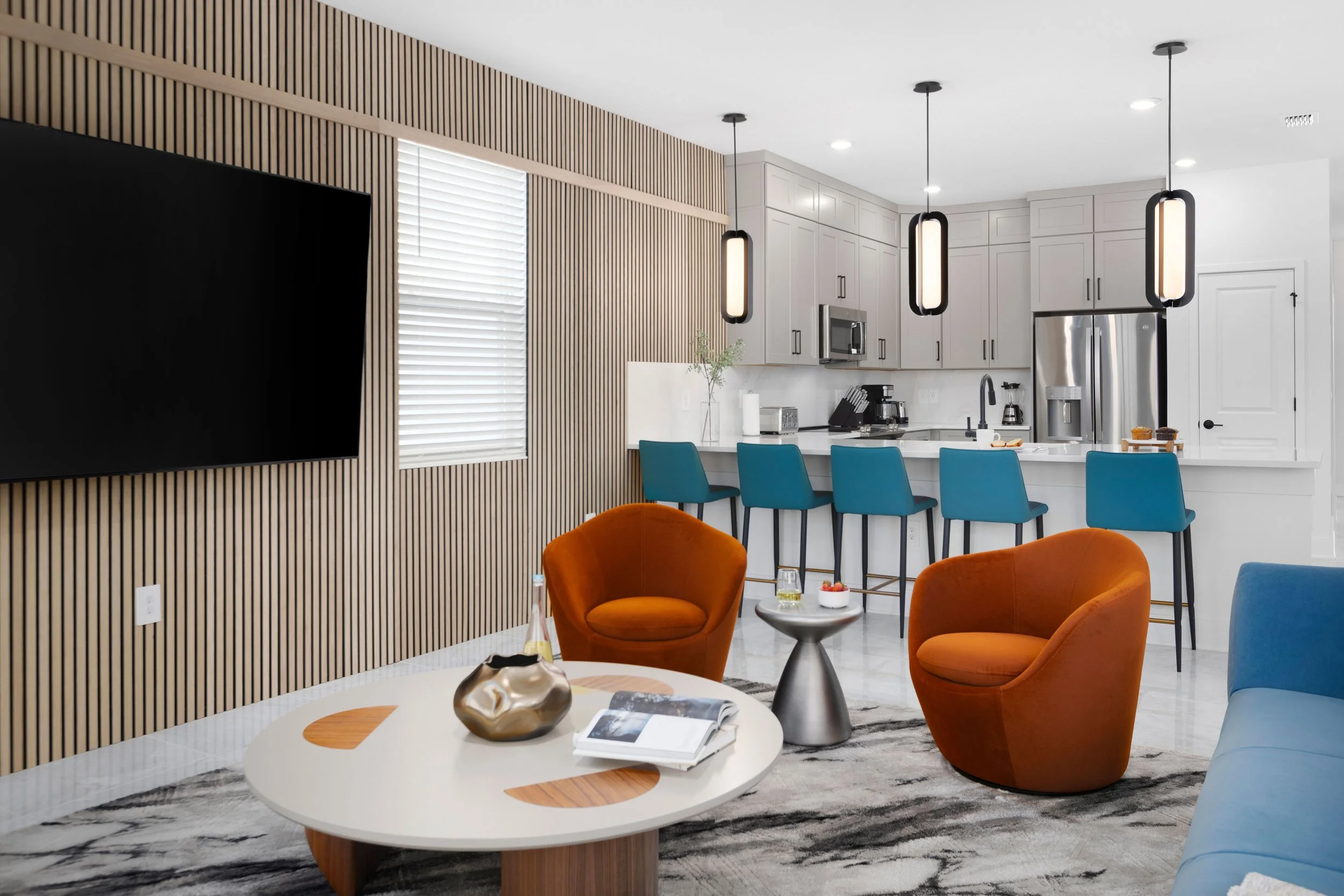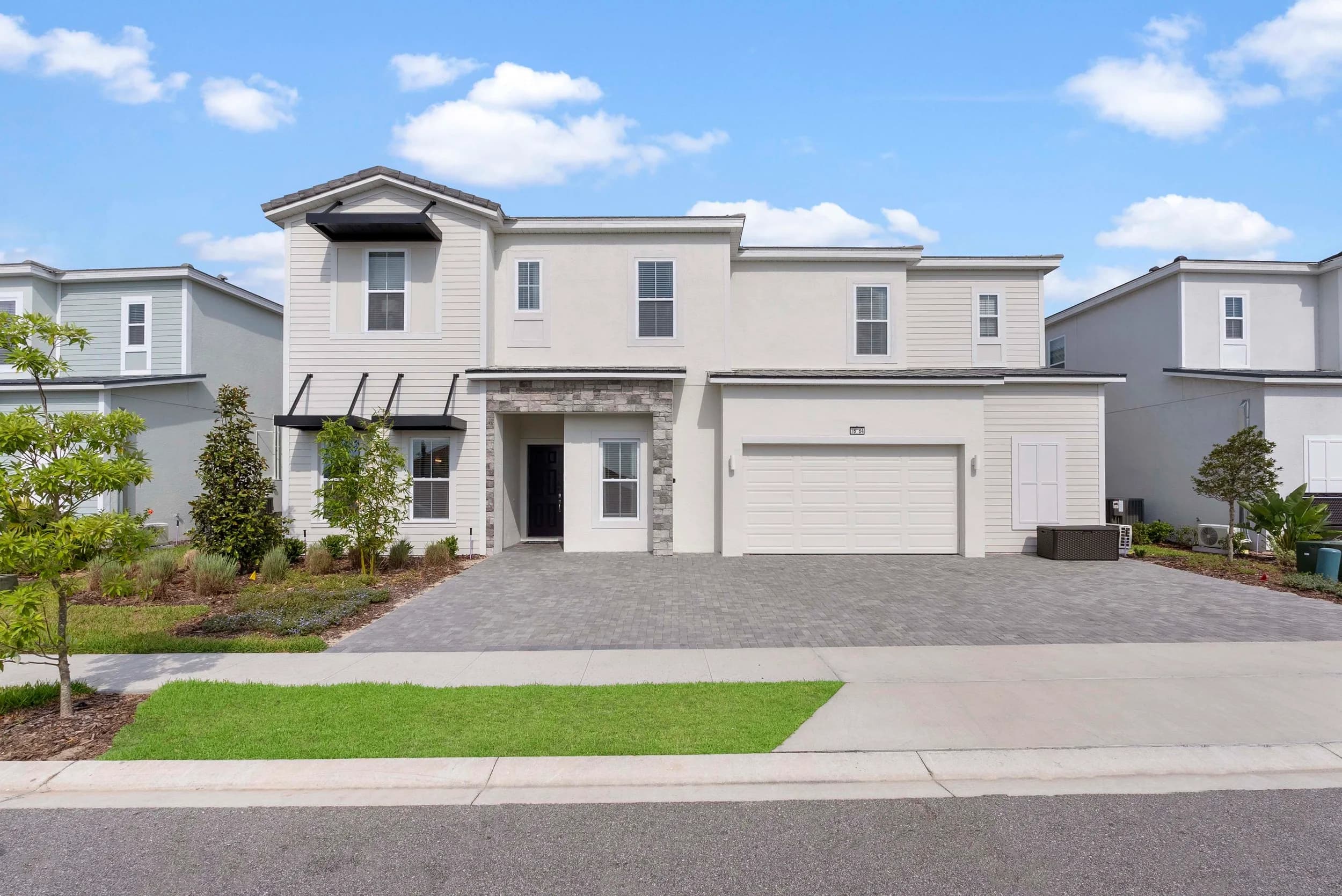
A duplex, triplex or fourplex listing has a harder job than a single-family home. It has to win over two very different buyers at once: the owner-occupant who plans to live in one unit and rent the others, and the investor who will never live there and wants to judge the property as a business. The same gallery has to work for both, and it usually has to be shot around tenants.
This guide covers how agents in Orlando, Tampa Bay, Austin and San Antonio can plan photography for 2 to 4 unit properties: what the exterior should prove, how to structure the gallery unit by unit, and how to work with the people who live there.
Two buyers, one gallery
The owner-occupant looks at a small multifamily listing much like a home buyer. They want to see a unit they would be happy living in, a yard or outdoor space, and parking. The investor scans for different things: the condition of each unit, signs of deferred maintenance, how units are separated, and whether the property will be easy to rent and manage.
A good gallery answers both without favoring either. That means showing every unit, not just the best one, and being consistent about it. An investor who sees a polished Unit A and nothing of Unit B will assume the worst about Unit B.
The exterior: show the building as a whole and how it is divided
Exterior photos for a small multifamily property carry more information than usual. Beyond a strong front elevation, plan frames that show:
- Separate entries for each unit, and how a visitor finds them.
- Parking: driveways, garages or carports, and how spaces are assigned.
- Separate utilities where they exist, such as individual meters or water heaters, shot plainly. Investors look for them.
- Outdoor space for each unit, and whether yards are shared or fenced apart.
- Roof, siding and other big-ticket items in good light, since condition drives investor offers.
An aerial helps on corner lots, deep lots and properties with a detached unit behind the main building, because it shows the layout in a single frame. In older neighborhoods with heavy tree cover, a high angle may be the only way to show the whole roof.
Unit by unit: structuring the gallery
Buyers lose track quickly when photos of three kitchens appear in a random order. Keep the gallery in a fixed sequence:
- Exterior and aerial frames first.
- Then Unit A, room by room, from living area to kitchen to bedrooms and bath.
- Then Unit B in the same order, and so on.
- Shared areas such as laundry rooms or storage last.
Label each photo with its unit in the caption, so buyers never have to guess. Our post on writing MLS photo captions that do real work covers wording, and our post on sequencing a listing gallery explains why order matters on portals. A 2D floor plan for each unit is especially useful here, because unit sizes and layouts often differ more than buyers expect.
If one unit is vacant and recently renovated, it is fine to give it a few more frames, as long as every unit is still shown. Never use photos of one unit to stand in for another, even when the layouts match. Finishes, flooring and condition rarely do.
Working with tenants on shoot day
Most small multifamily listings are at least partly occupied. Tenant coordination is often the hardest part of the job, and it starts well before the photographer arrives:
- Give proper notice. Follow the lease and local rules for entry, and confirm the date and time window with each tenant.
- Ask, don't demand. A short, friendly note explaining what will be photographed and that personal items and photos will be kept out of the frame goes a long way.
- Plan around privacy. Framed photos, mail, documents and anything identifying should be moved or left out of the frame. Bedrooms in occupied units can be shot simply, or skipped if a tenant prefers.
- Shoot the vacant unit thoroughly. If one unit is empty, it carries the interior story while occupied units are shown more lightly.
Our guide to photographing tenant-occupied listings goes deeper on prep and communication; the same principles apply to every unit in a small building.
On timing, a 2 to 4 unit property takes longer to shoot than a single home of the same size, because each unit is its own set of rooms. Delivery timing is confirmed at booking.
A small multifamily gallery that shows every unit clearly, labels it well and respects the people living there gives both kinds of buyers what they need to book a showing. Ready to book? Call or text (689) 600-2131 or get in touch.