Rural and semi-rural buyers in Central Florida look for the systems behind a property as closely as they look at the kitchen. A well house, a septic field, a propane tank or a backup generator can matter more to them than a new countertop, and most listing galleries leave those features out entirely.
This post is a practical checklist for agents who want to document those systems honestly and usefully. It focuses on what to photograph, how to caption it and what to leave to inspections and disclosures. Energy equipment such as panels has its own guide, how to photograph solar panels and energy features on Florida homes, so this one stays on water, waste and backup systems.
Why should a listing show these systems at all?
A listing should show them because rural buyers ask about them first, and a gallery that answers the question builds trust before the showing. Someone moving from a city with municipal water and sewer often has never thought about a pump, a pressure tank or a drain field. Showing them clearly, with plain captions, saves both sides a round of questions.
It also helps the property stand apart. In many areas of Central Florida and the hill country around Austin and San Antonio, a well-maintained system is part of the value of acreage. A tidy, labeled picture of it supports that story.
What should you photograph?
Photograph the visible, accessible parts of each system in clean, neutral frames, and keep the images factual rather than promotional.
- Well house or wellhead. Show the enclosure and the pump house door, with clutter removed and the area around it mowed.
- Pressure tank and water treatment. If a softener or filtration unit is in a garage or utility room, one clear frame is enough.
- Septic access. Lids and risers can be photographed, but the system's condition is not something a photograph can show, so do not imply it.
- Propane tank and generator. Show the location and the pad, with a view of the whole unit rather than a close crop.
- Battery or backup systems. These belong in the same family of pictures if the home has them.
Keep the frames simple and evenly lit. A bright overcast morning works better than harsh midday sun, which creates dark shadows around enclosures and makes labels hard to read.
How do you caption them honestly?
Caption what is visible and nothing more. Write "Well house with pressure tank" rather than "Brand-new, trouble-free water system." A photograph can show what exists and where it is, but not how well it works, how old it is or whether it has been serviced. Those facts belong in seller disclosures and inspection reports.
Check with your broker or MLS about caption rules before publishing, and confirm any claim about age, capacity or compliance with the seller first. If a statement could be wrong, it should not be in the gallery. The same caution applies to privacy, which is covered in the guide to what to remove before listing photos, since utility areas sometimes contain personal items, documents or security equipment.
How does this fit with the rest of a rural gallery?
Systems should be a small section near the end of the gallery, after the home, the outdoor living areas and the land. Lead with the strongest visuals and use the systems as supporting proof. For horse properties and other working land, the guide to photographing equestrian and horse properties in Central Florida shows how barns and pastures fit the sequence, and the post on acreage and ranch properties in Central Texas does the same for larger parcels.
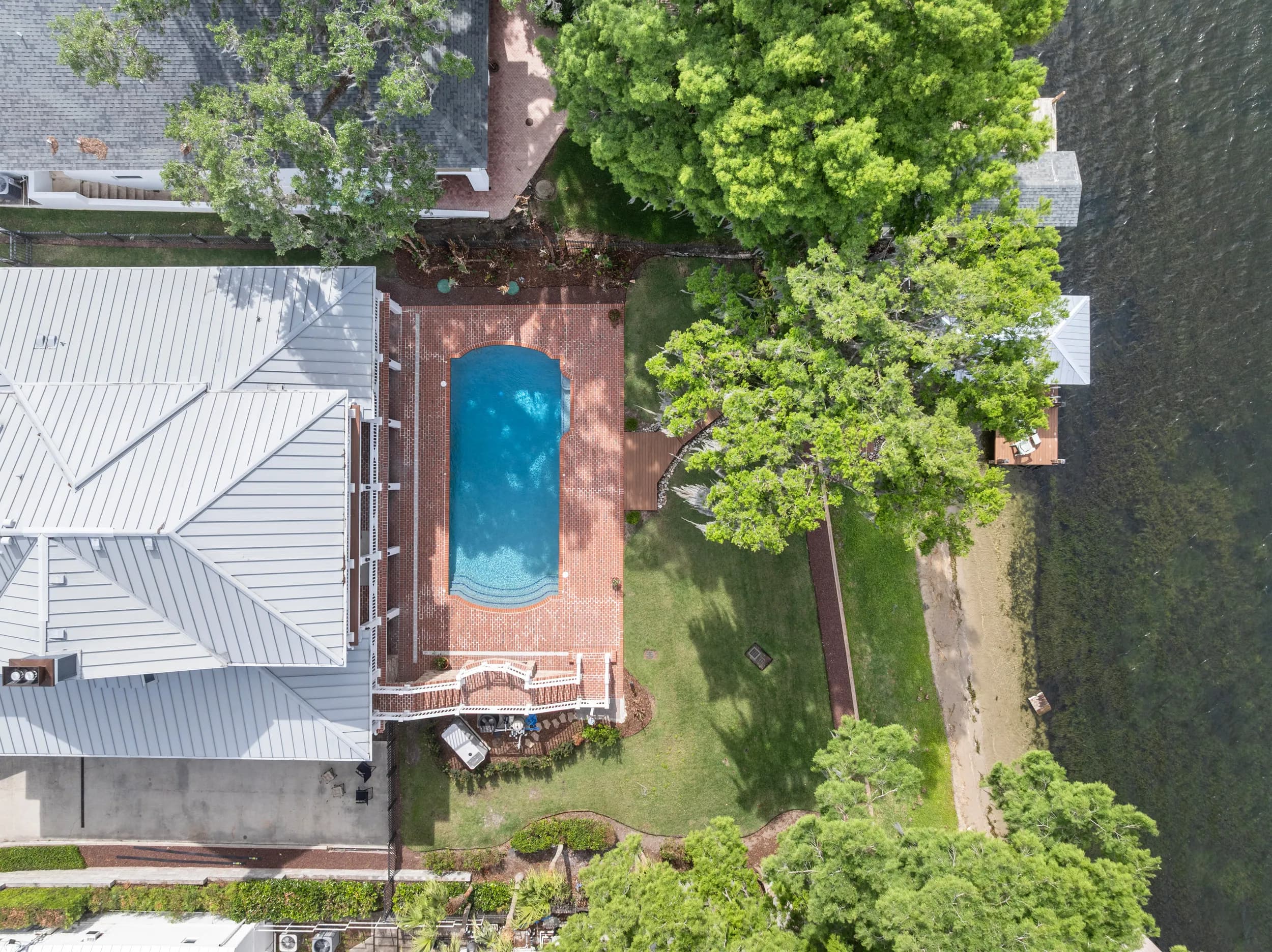
Aerial photography helps as well. A drone view can show where the well house, outbuildings and drain field sit relative to the home, which helps buyers understand the layout of the land. Every JRP drone flight is flown by an FAA Part 107 certified remote pilot insured for commercial aerial work, so aerials can be planned alongside the ground-level pictures.
When a property depends on its systems, documenting them clearly and honestly is a small step that earns real credibility with the buyers most likely to want the home.
Ready to book? Call or text (689) 600-2131 or get in touch.