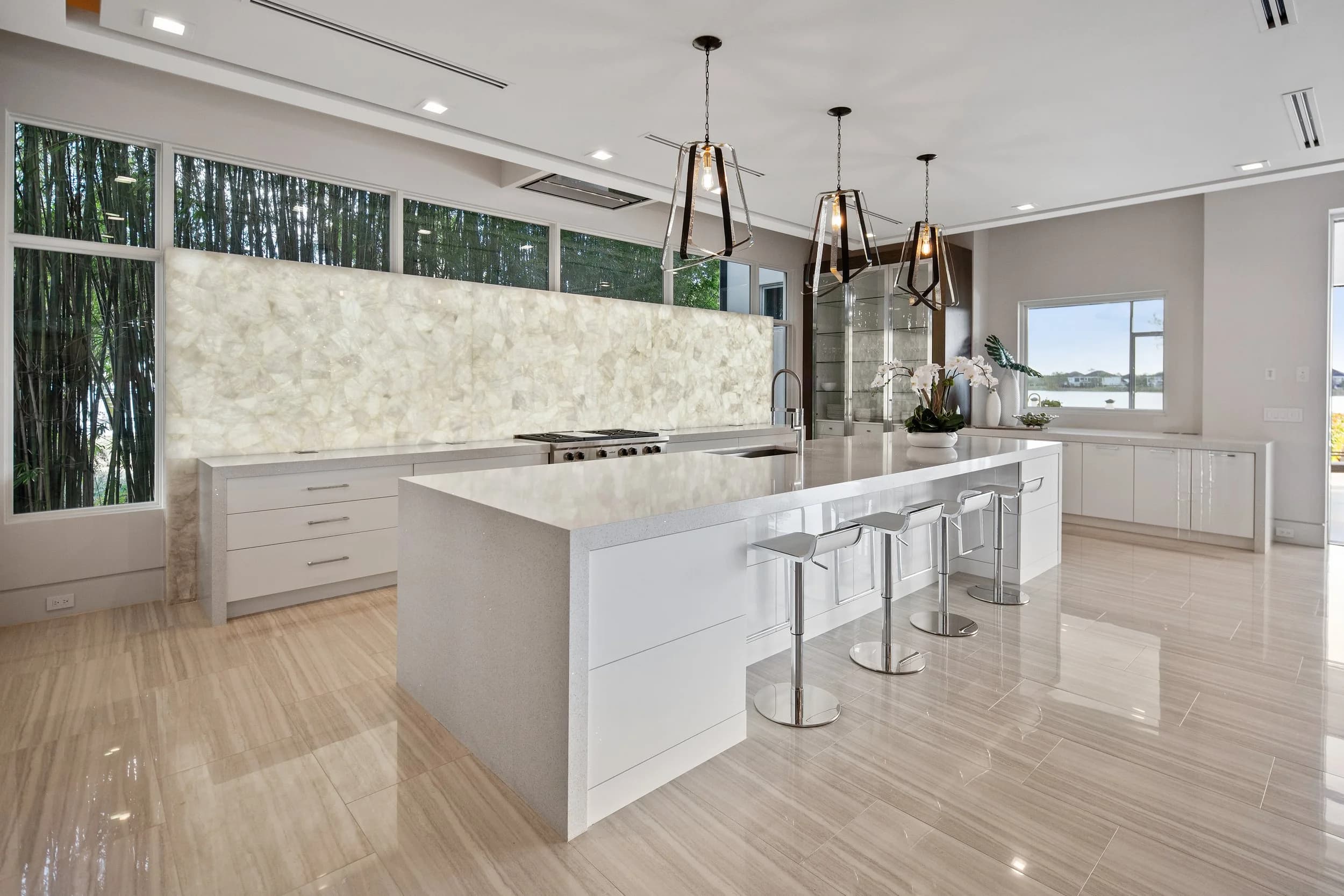
On an equestrian listing, the house is often the least important building on the property. The buyer is evaluating a working operation, and the gallery has to document it the way a barn manager would walk it.
A Different Buyer With a Different Checklist
Central Florida has a deep equestrian market — the Ocala and Marion County corridor at the top end, then Clermont, Groveland, Minneola, and the acreage west of Orlando, and east Hillsborough and Pasco counties on the Tampa Bay side. Properties range from five-acre backyard setups to full training facilities.
Across that whole range, the buyer is asking the same thing: can I move my horses in and operate, or do I have to build first. That question is answered by the barn, the footing, the fencing, and the water — not by the kitchen backsplash. A gallery weighted twenty-eight photos to the house and four to the barn tells that buyer the listing wasn't taken seriously.
A reasonable split on a working equestrian property is closer to half the gallery on the facilities. On larger training operations, more.
Documenting the Barn
Barns photograph poorly by default. They are dim, high-contrast, and long — bright doorways at each end of a dark aisle is one of the harder lighting situations in property photography. It takes bracketed exposures blended together, and often supplemental light, to produce an aisle shot where the stalls are visible and the far door isn't a white hole.
What the set needs to cover:
The aisle, end to end, from both directions, showing width and surface.
Stall count and stall interiors — at least one representative stall shot showing size, front, mats, and any automatic waterers. Buyers count stalls from the photos, so make them countable.
The tack room, including saddle racks, storage, and whether it's climate controlled. In Florida this is a real differentiator.
The wash rack, with drainage, hot water if present, and cross ties.
The feed room and hay storage, including how much hay the space actually holds.
Utilities to the barn. Panel, outlets, fans, lighting, and the water source. Photograph the electrical panel and the spigots plainly. Whether the barn is on well or on a separate meter is a question every buyer asks.
Equipment storage — tractor bay, implement shed, trailer parking under cover.
Grooming, cross-tie, and any lay-up or medical stall.
Barn light peaks when the sun is high enough to fill the aisle but not so high that the contrast between inside and out is extreme. Mid-morning generally beats mid-day. Overcast is a gift for barn interiors and worth rescheduling for on a marginal day.
Arena, Footing, and Fencing
These three items carry as much weight as the barn.
The arena needs dimensions, and photographs that let a buyer verify them. Shoot from a corner to show the full rectangle, from the rail to show the surface, and from the air to show the shape and its relationship to the barn. Note whether it's covered, lighted, and whether there's a viewing area or a mounting block. If there's a round pen, shoot that separately.
Footing deserves its own close frame. Sand, clay, a sand-and-fiber blend, and screenings all look different at close range, and an experienced buyer can read a lot from one honest photo of the surface with a boot or a rail for scale. Also worth documenting: drainage, base condition where visible, and the watering setup, since Florida arenas need it.
Fencing is a capital item. Photograph the fence type — board, vinyl, no-climb wire, wire with a top board, electric — and its actual condition, including any sagging or repair sections. Show gates, latches, and corners. Cross-fencing is what determines how the buyer can rotate turnout, so it needs to be legible from the air.
Also on the list: run-in sheds in each paddock, automatic or trough water in the pastures, pasture condition and grass coverage, and the trailer approach — where a rig enters, whether it can turn around without backing a quarter mile, gate widths, and the driveway surface. A buyer hauling a three-horse gooseneck cares deeply about that turnaround, and it almost never appears in listing photos.
What the Drone Is Actually For
On acreage, the aerial isn't a hero shot. It's the site plan.
The frames that matter:
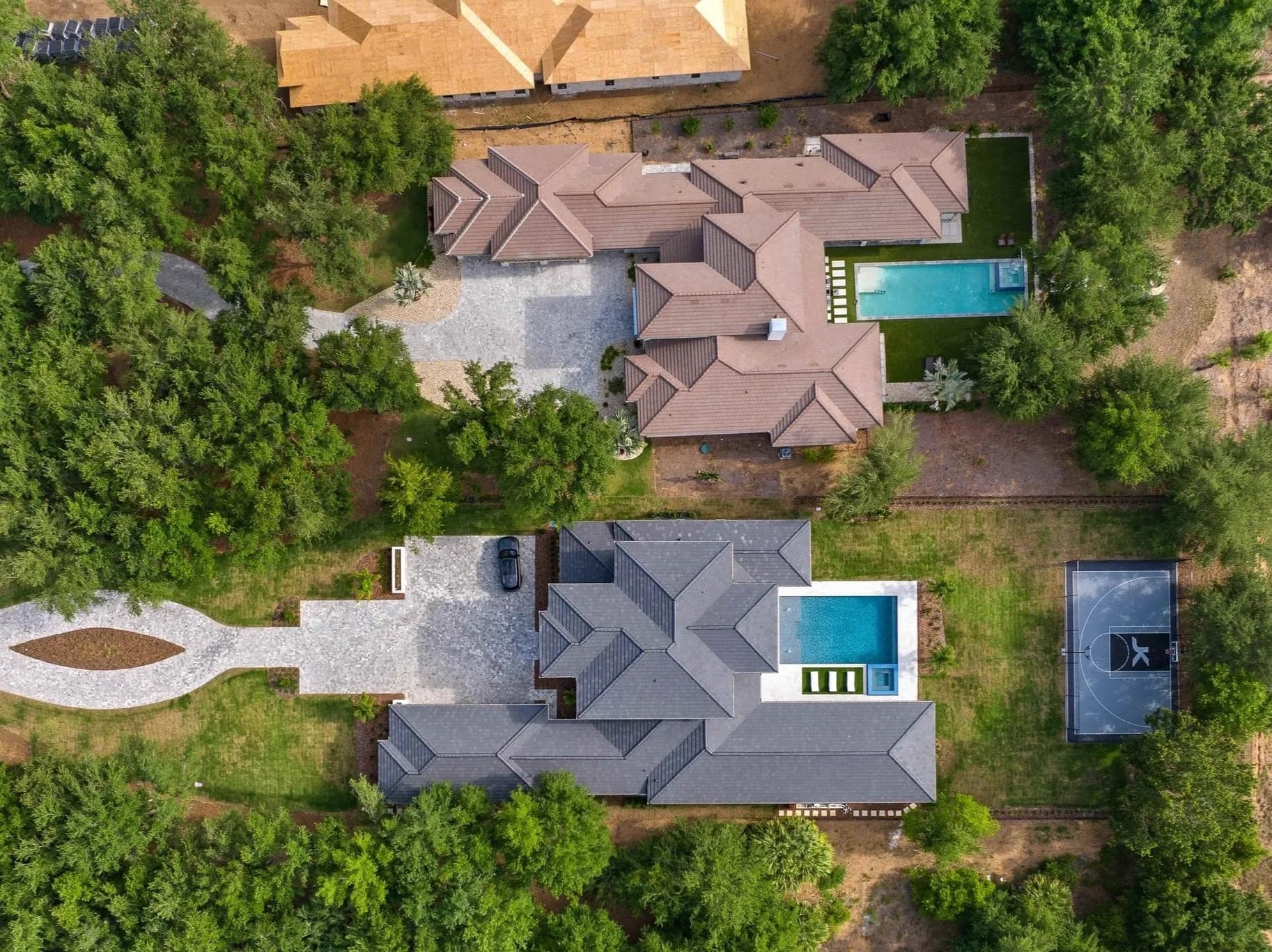
A high, near-vertical overview showing the full parcel with the boundaries readable — fence lines, tree lines, and road frontage. This is the single most useful image on an equestrian listing.
A mid-altitude oblique showing the relationship between house, barn, arena, and paddocks. Buyers evaluate how far they'll walk in the rain at 5 a.m.
Cross-fencing and paddock layout, showing how many separate turnouts exist and how they connect.
Access and frontage, including the entrance, driveway, and any secondary gate.
Rural Central Florida acreage is often in uncontrolled airspace, which makes the flying simpler than in Orlando proper, but Part 107 rules and any local or property restrictions still apply, and some parcels sit near private strips or hospital pads that change the picture. That gets checked before the day.
Working Safely Around Horses
Shoot day on a working farm has a safety dimension that a suburban listing doesn't, and the photographer is a stranger with unfamiliar equipment.
Brief the owner before anything flies. Drones spook horses. The animals should be where the owner wants them — usually stalled or in a far paddock — before the aircraft leaves the ground, and someone who knows the horses should be present.
Fly high over livestock. Altitude reduces both noise and the visual threat, and the useful acreage frames are high frames anyway. Low, close passes over turned-out horses are not worth the risk to the animals or the liability.
Take direction on ground movement. Don't walk behind a horse, don't open gates, don't move animals. Ask before entering any paddock.
Keep gear out of aisles where a horse is being led, and let handling take priority over the shot.
Expect to work around the barn schedule. Feeding, turnout, and training happen on fixed times. Building the shoot around them produces cleaner photos and a cooperative seller.
Well-documented horse properties sell to people who already know what they're looking at. Give them the information, and the house photographs will do their own work.
Ready to book? Get in touch or call us — we serve Orlando, Tampa Bay, and Central Texas.