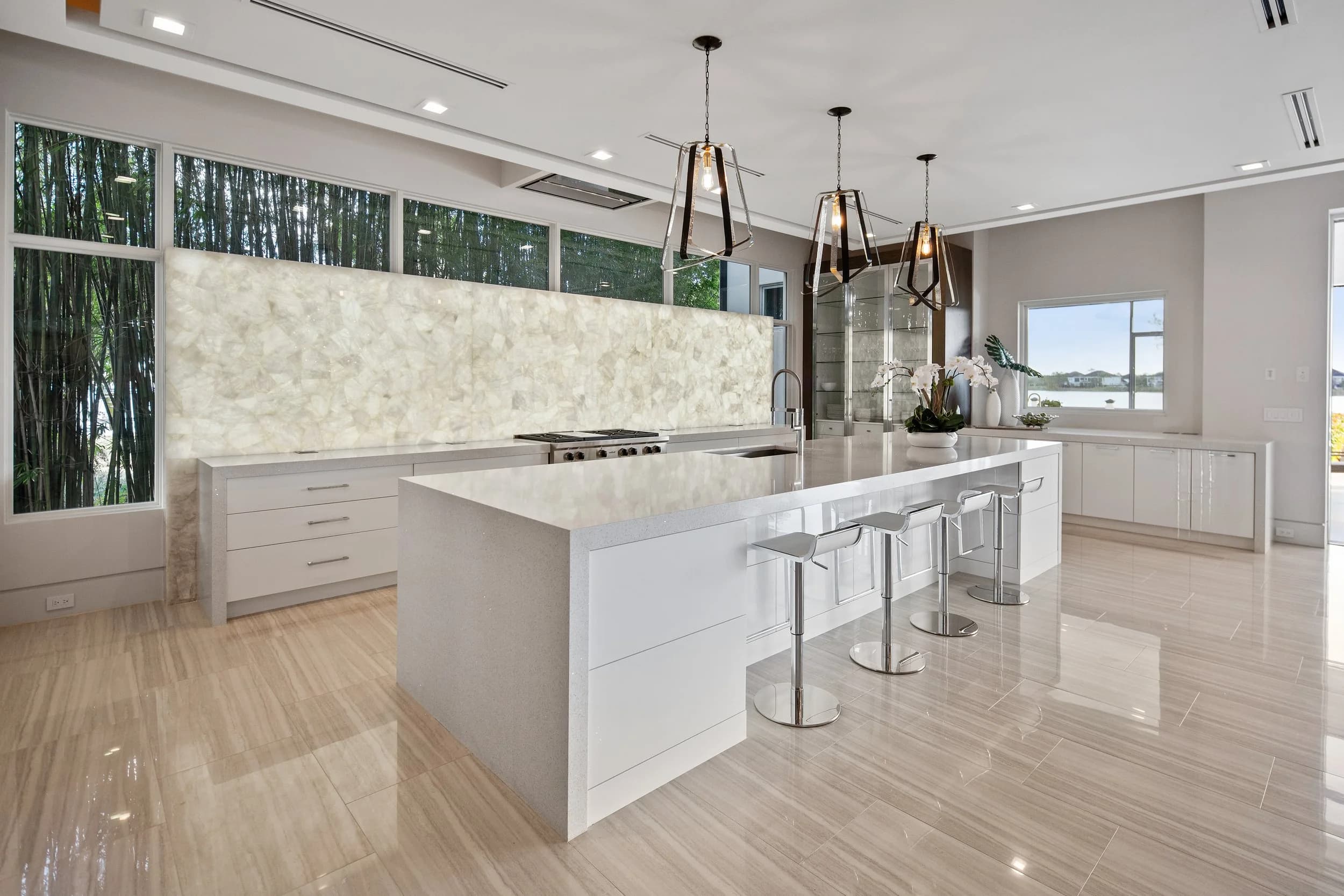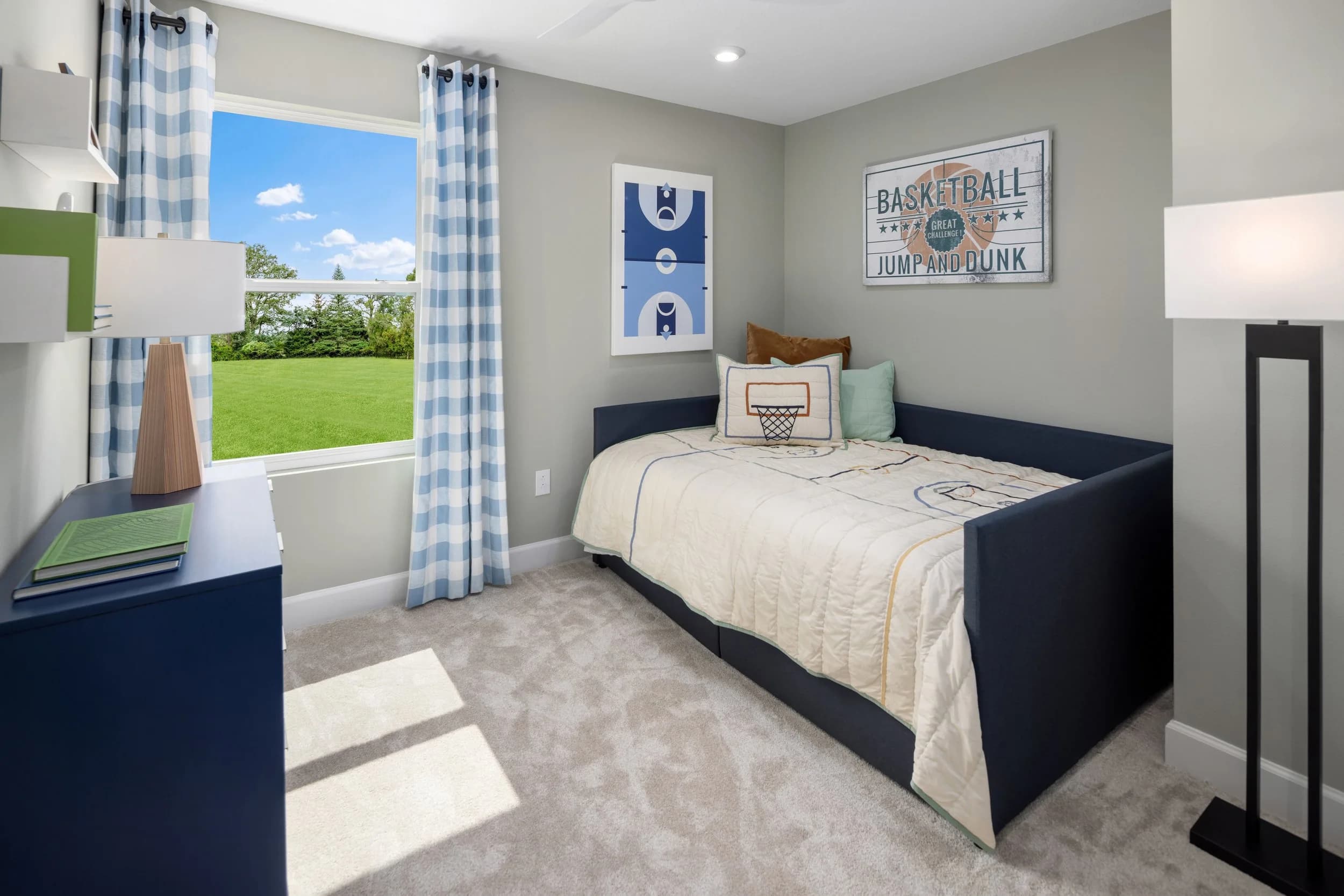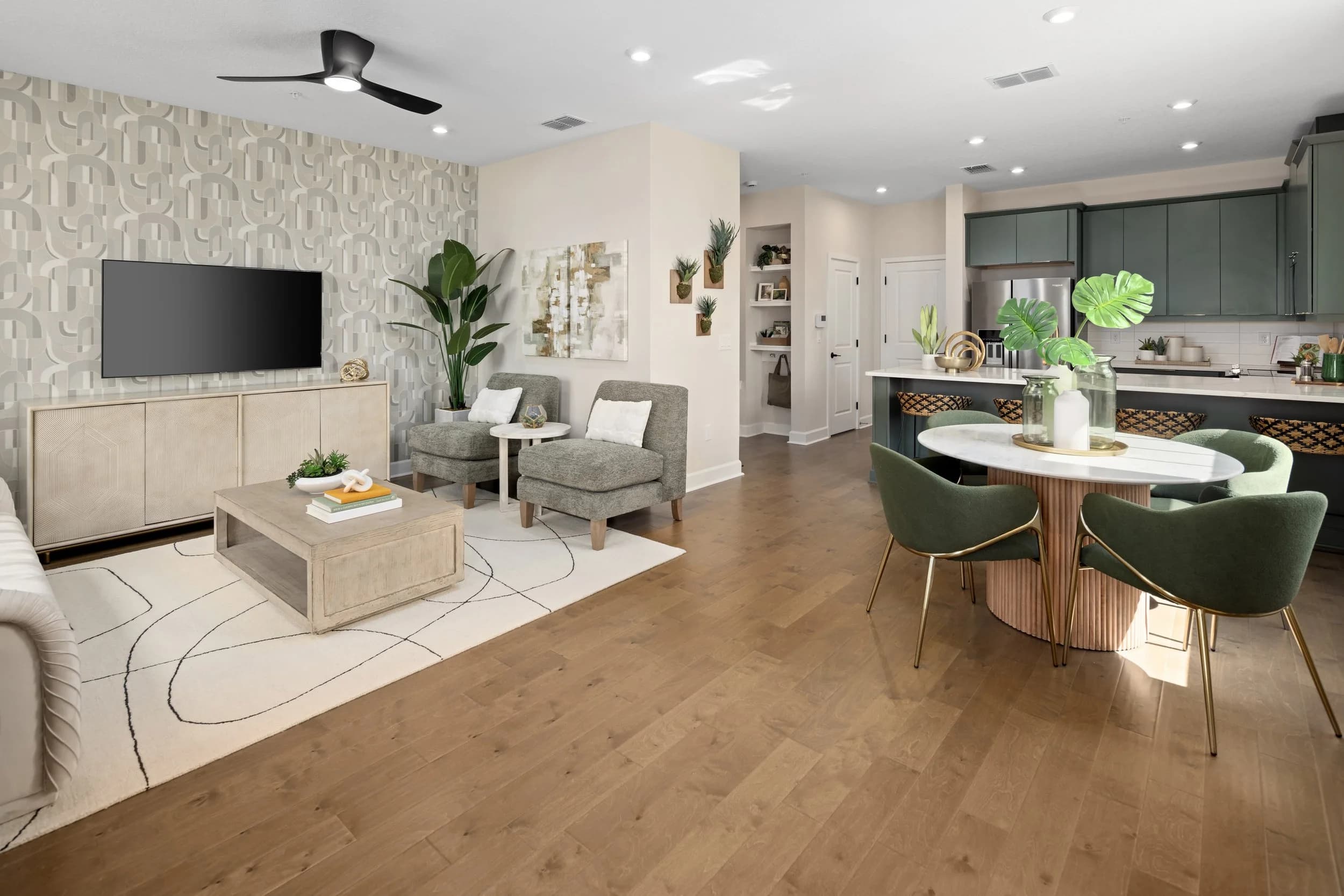
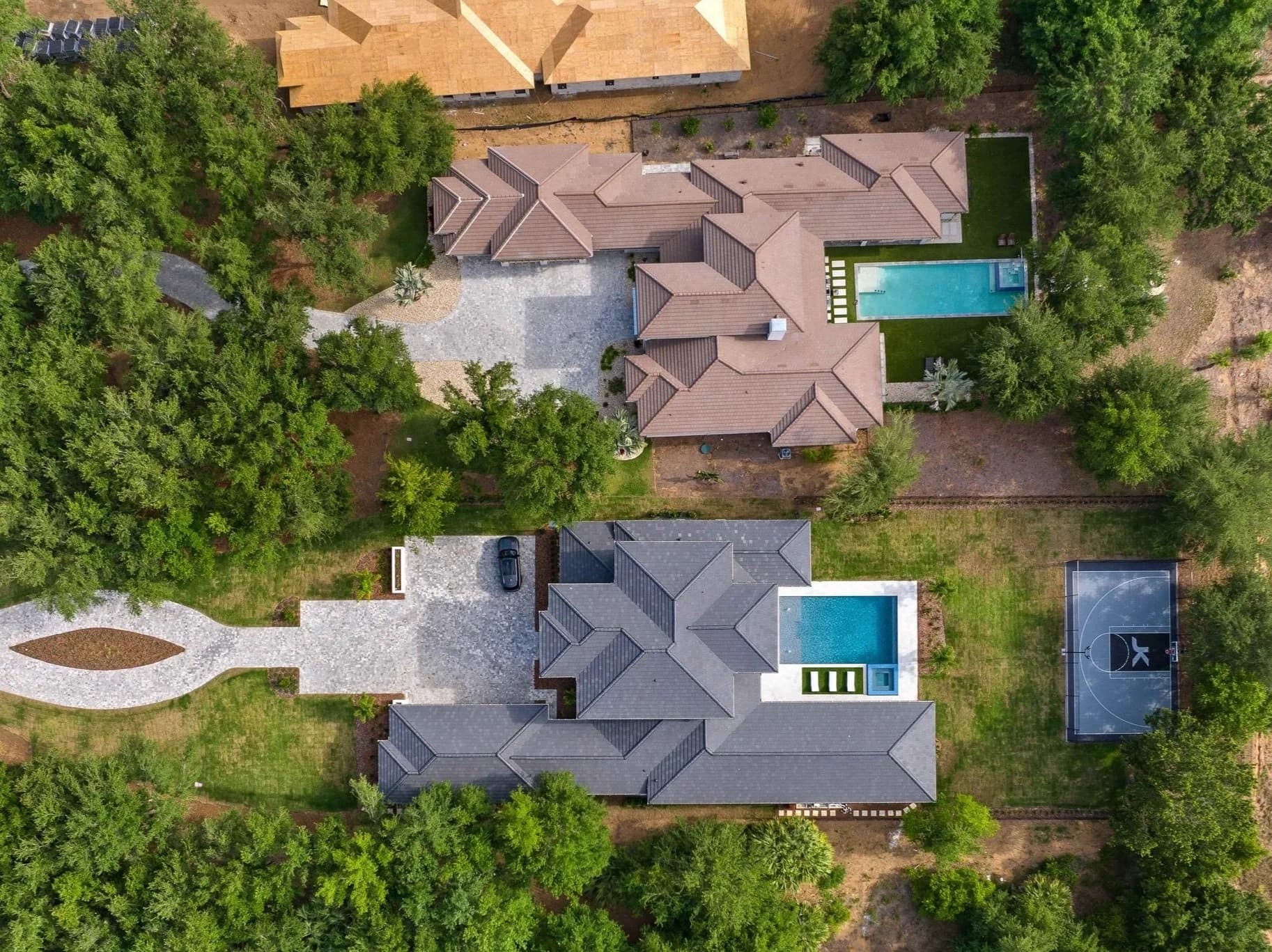
A 40-acre property outside Dripping Springs doesn’t photograph like a suburban home in Round Rock. The house may be the smallest part of what’s being sold, and standard listing coverage misses most of the value.
The House Isn’t the Product
On a subdivision listing, the structure is the asset. On acreage, the buyer is purchasing land, access, water, improvements, and use rights. The residence is one line item among several.
That shifts the shot list. A buyer evaluating a ranch property between Austin and San Antonio wants to understand:
Total acreage and how the parcel is shaped
Road frontage and how you get in
Fencing condition and cross-fencing layout
Water: tanks, creeks, wells, ponds, seasonal drainage
Tree cover versus cleared pasture
Outbuildings, barns, workshops, and equipment storage
Topography and elevation change
Neighboring land use and how isolated the property really feels
Photograph the parcel first and the house second. On a 100-acre listing, aerials aren’t a nice addition. They’re the primary medium.
Aerials Do the Structural Work
Ground-level photography can’t communicate scale on large parcels. A fence line disappears into the horizon and a 20-acre pasture looks like a field.
What works on Central Texas acreage:
High-altitude parcel overview. A single frame showing the whole property with boundaries legible. Pair it with a lot-line overlay so buyers can orient.
Mid-altitude oblique of the improvements cluster. House, barn, pens, and drive in one frame at 150 to 250 feet, angled to show relationships between structures.
Water features from above. A stock tank reads as a puddle from the ground and a genuine asset from 200 feet.
Road frontage and entry. Gate, cattle guard, and the approach from the county road.
Golden-hour terrain raking light. Low sun across Hill Country topography reveals elevation change that flat midday light erases completely.
Directional context shots. Four frames facing each cardinal direction from center-parcel, so an out-of-state buyer understands what surrounds them.
Airspace out here is usually cooperative. Most Hill Country acreage sits in uncontrolled airspace, but properties near Austin-Bergstrom, San Marcos Regional, New Braunfels, or the San Antonio Class C shelf still need LAANC authorization. Check before the shoot, not on arrival.
Barndominiums Have Their Own Rules
Barndos have moved from budget alternative to intentional design choice across Central Texas, and they photograph badly with a standard residential approach.
Show the exterior form honestly. Buyers searching for a barndominium want to see the metal building. Hiding it behind a tight crop attracts the wrong traffic.
Handle the ceiling height. Open-span interiors with 16 to 20 foot ceilings are the selling point. Vertical compositions and higher camera positions capture volume that a standard eye-level horizontal frame flattens.
Photograph the shop bay as a feature. The workshop, RV bay, or equipment space is often why the buyer is interested. Shoot it clean and lit, not as an afterthought.
Show the transition. The living-to-shop boundary is architecturally distinctive. Frame it deliberately.
Manage mixed lighting. Metal buildings frequently combine high clerestory daylight, LED shop fixtures, and warm residential lamps in one room. This is where competent flash work separates from single-exposure phone photography.
Include the pad and site work. Concrete, drainage, and grading matter to these buyers.
Timing and Season Matter More Here
Texas seasons change acreage photography substantially.
Spring delivers green pasture and, in a good year, wildflowers. It is the most flattering window and worth waiting for when the timeline allows.
Late summer browns out heavily. Grass greening in post can help, but a heavily edited August pasture won’t match what a buyer sees on a showing. Better to shoot honestly and lean on terrain and improvements.
Winter strips leaf cover, which actually helps on wooded parcels: buyers can see topography, fence lines, and structures otherwise hidden.
Time of day matters more than on residential. Midday flattens terrain. Early morning and late afternoon give the raking light that makes elevation readable.
Also worth planning around: livestock placement, equipment staging, and gate access. A shoot on 60 acres takes longer than a suburban home simply because of travel time between features.
Deliverables That Actually Get Used
For acreage listings, the useful package usually includes:
Full aerial parcel set with a boundary-overlay image
Ground-level improvements coverage: house, barn, outbuildings
Interior coverage of the residence
Water, fencing, and access documentation
An aerial video flyover that traces the perimeter and the entry approach
Twilight exterior if the improvements support it
That package serves the MLS listing, the land-listing platforms where these properties get real traffic, and the seller’s own marketing. For builders and developers marketing multi-parcel developments across the Austin, San Antonio, and Dallas corridors, the same coverage doubles as community marketing assets.
Ready to book? Get in touch or call us — we serve Orlando, Tampa Bay, and Central Texas.