The first shoot with a new photographer goes best when the agent sends a short brief ahead of time. A good brief covers access, the features that matter, how the photos will be used, and who approves the gallery. It takes ten minutes to write and saves a surprising amount of back and forth.
Most advice on working with photographers stops at hiring. This post covers the gap between signing on and shooting, using the questions agents ask most in Orlando, Tampa Bay, Central Florida, Austin, and San Antonio.
What should you send a photographer before the first shoot?
Start with logistics, because they cause most day-of problems. Send the address, the arrival window, gate or lockbox details, and the name and phone number of whoever will be on site. Mention parking, pets, alarm systems, and any tenant or seller schedule.
Then send the property basics: whether it is vacant or occupied, staged or not, and whether construction, landscaping, or repairs are still underway. If you want a sense of how occupancy changes the shoot, see Vacant vs. Occupied: How a Home's Status Changes the Photo Shoot.
Which features should the brief call out?
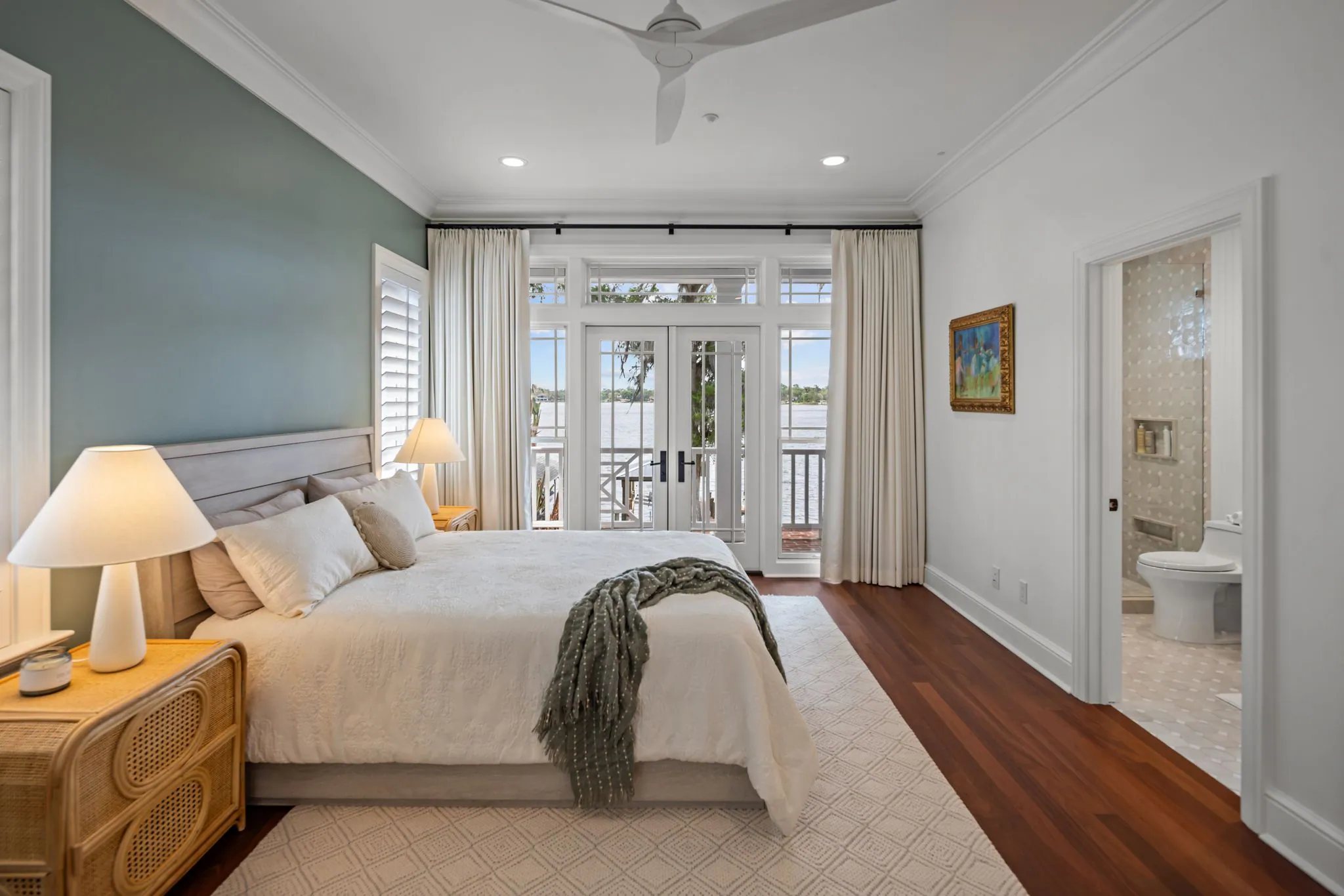
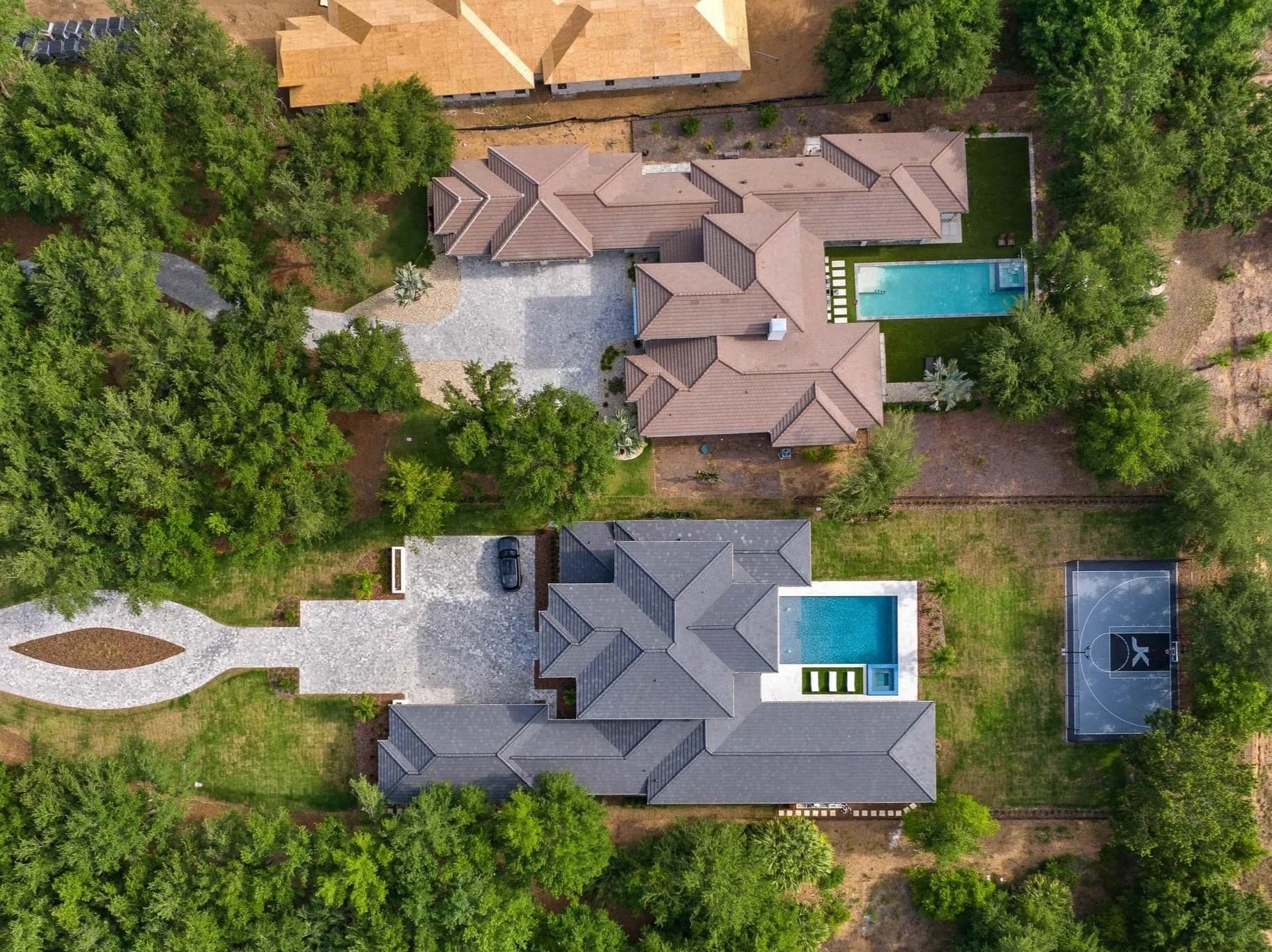
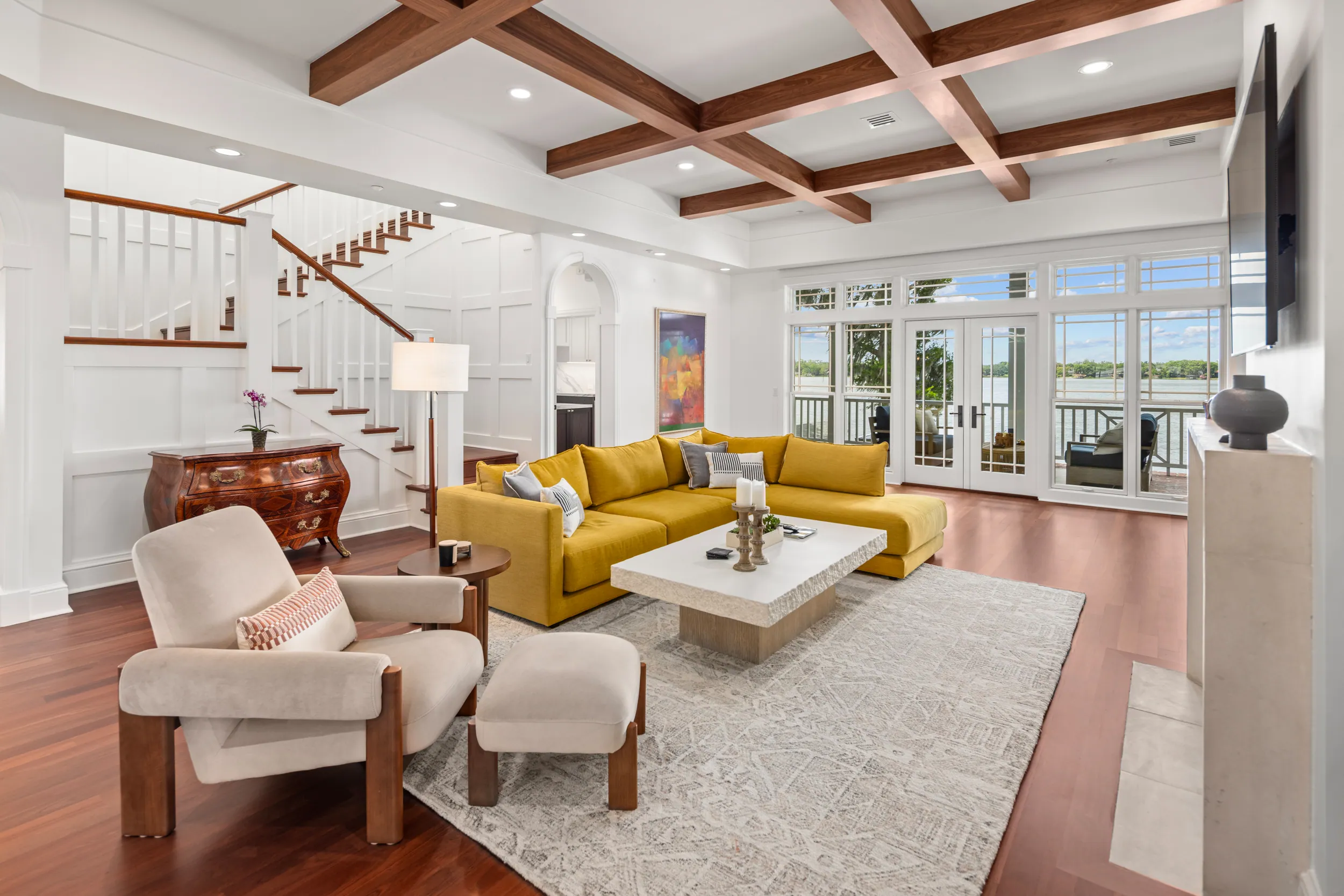
List the three to five things that will sell this home. A renovated kitchen, a lake view, a pool and lanai, a detached office, or a quiet cul-de-sac location each deserve deliberate attention, and a photographer who knows the priorities will spend time and light on them.
It also helps to flag problems honestly. A busy road, an awkward floor plan, a dark room, or an unfinished area are easier to handle when the photographer knows in advance. The goal is an accurate gallery that shows the home well, not one that hides what a buyer will see in person.
How will the photos be used?
Say where the images will appear: the MLS, a brochure, social media, a single-property website, or an ad. Mention whether you also want video, drone, a 3D tour, or a floor plan, so everything can be planned for one visit. A shot list can guide the conversation, and The Real Estate Photographer's Shot List is a useful reference.
If your brokerage or team has branding requirements, share them now. The same applies to any limits on what may appear in the frame, such as personal items or signage.
Who approves the gallery, and who needs to be there?
Decide before the shoot who signs off on the final gallery, whether that is you, the seller, or a team lead. Settling this early prevents last-minute changes after the images have been prepared. Agents are not always required on site; Who Needs to Be at a Real Estate Photo Shoot? explains when presence helps and when it gets in the way.
Booking lead time is part of the brief too. Popular days fill up, especially around listing launches, and How Far in Advance Should You Book a Real Estate Photographer? covers how to plan it.
What should you leave to the photographer?
Composition, camera height, lighting, and the order in which rooms are shot are the photographer's craft. A brief should describe the goal, not dictate every frame. Over a few shoots, the photographer learns your preferences and the brief can shrink to a few lines.
A repeat brief is also a good place to record what worked: favorite angles, the way you like twilight handled, or how you want detail shots used. Those notes make every later shoot more consistent.
It does, mostly by removing guesswork. When a photographer arrives knowing the home, the audience, and the priorities, the first hour goes into making images instead of asking questions. Shoots also tend to run more smoothly because access, parking, and occupant schedules are settled in advance.
A brief is also a courtesy to the seller. Homeowners prepare better when they hear what to expect, such as which lights will be on, which cars should be moved, and roughly how long the visit will last.
Keep the brief short and put the essentials first. One page, or even a text message with a few clear lines, is usually enough. The aim is a shared picture of the job, not a contract.
Ready to book? Call or text (689) 600-2131 or get in touch.