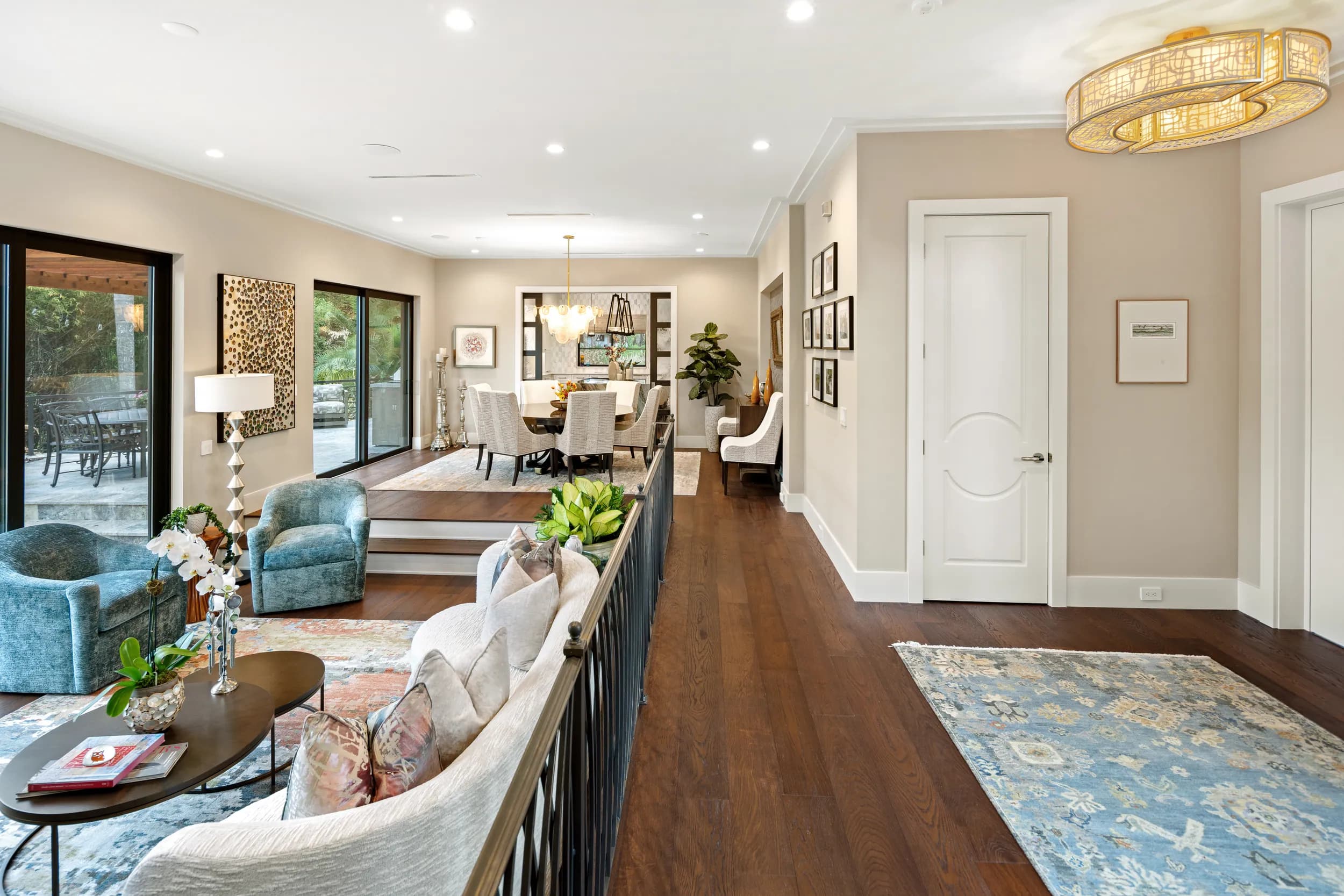
Almost everyone who has shopped for a home online has had the experience. The photos showed a bright, roomy house with a perfect blue sky and a lawn like a golf course. Then the showing revealed smaller rooms, duller colors, and a yard that was mostly sand. Buyers notice, and they talk about it. Agents in Orlando, Tampa Bay, Central Florida, Austin, and San Antonio hear the complaint too: "Why do real estate photos look so fake?"
The answer is a handful of choices, some made with the camera and some in post-production. A few are reasonable. Others cross a line. Knowing the difference helps agents keep listing photos attractive and believable at the same time.
Over-Brightening and Over-Saturating
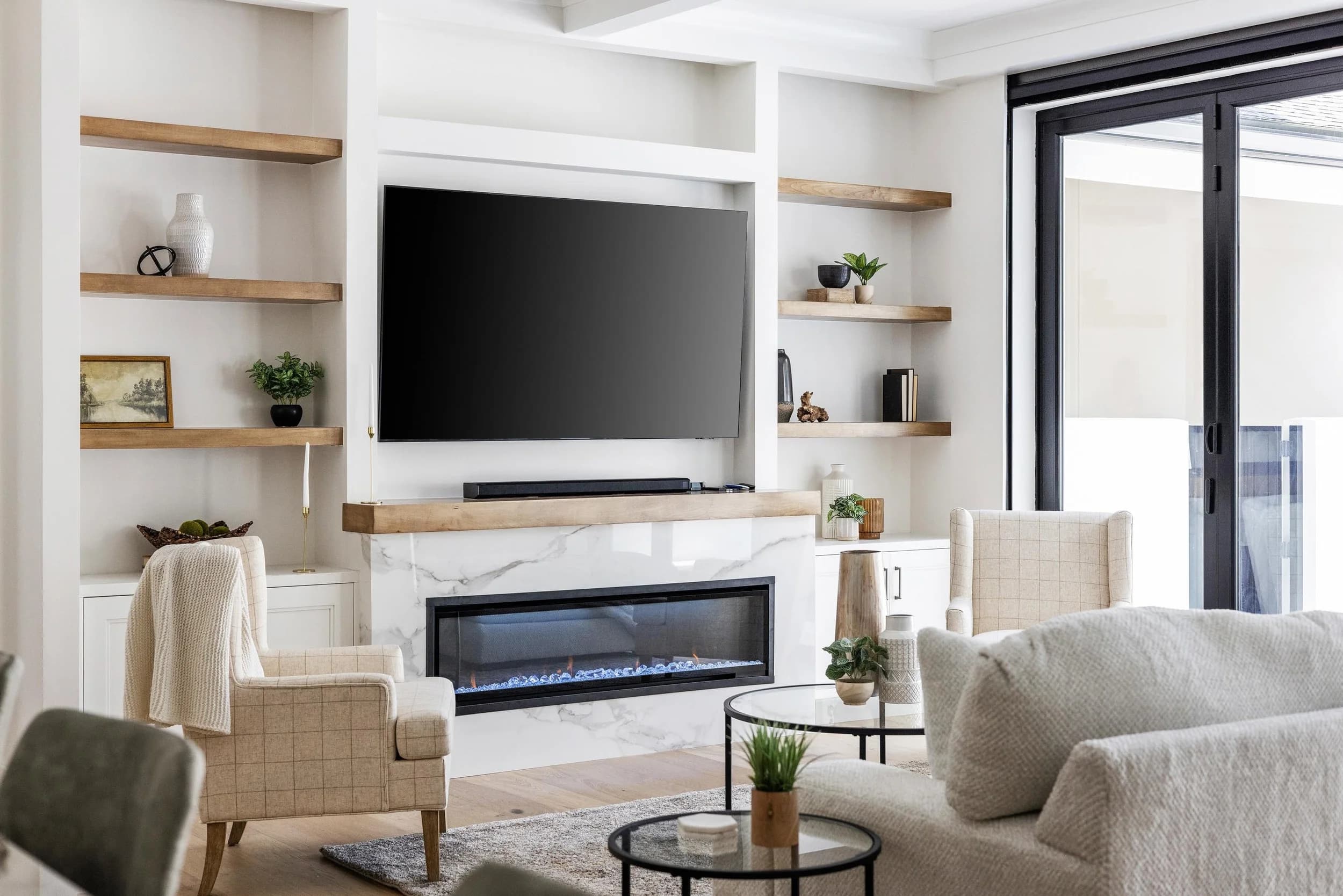
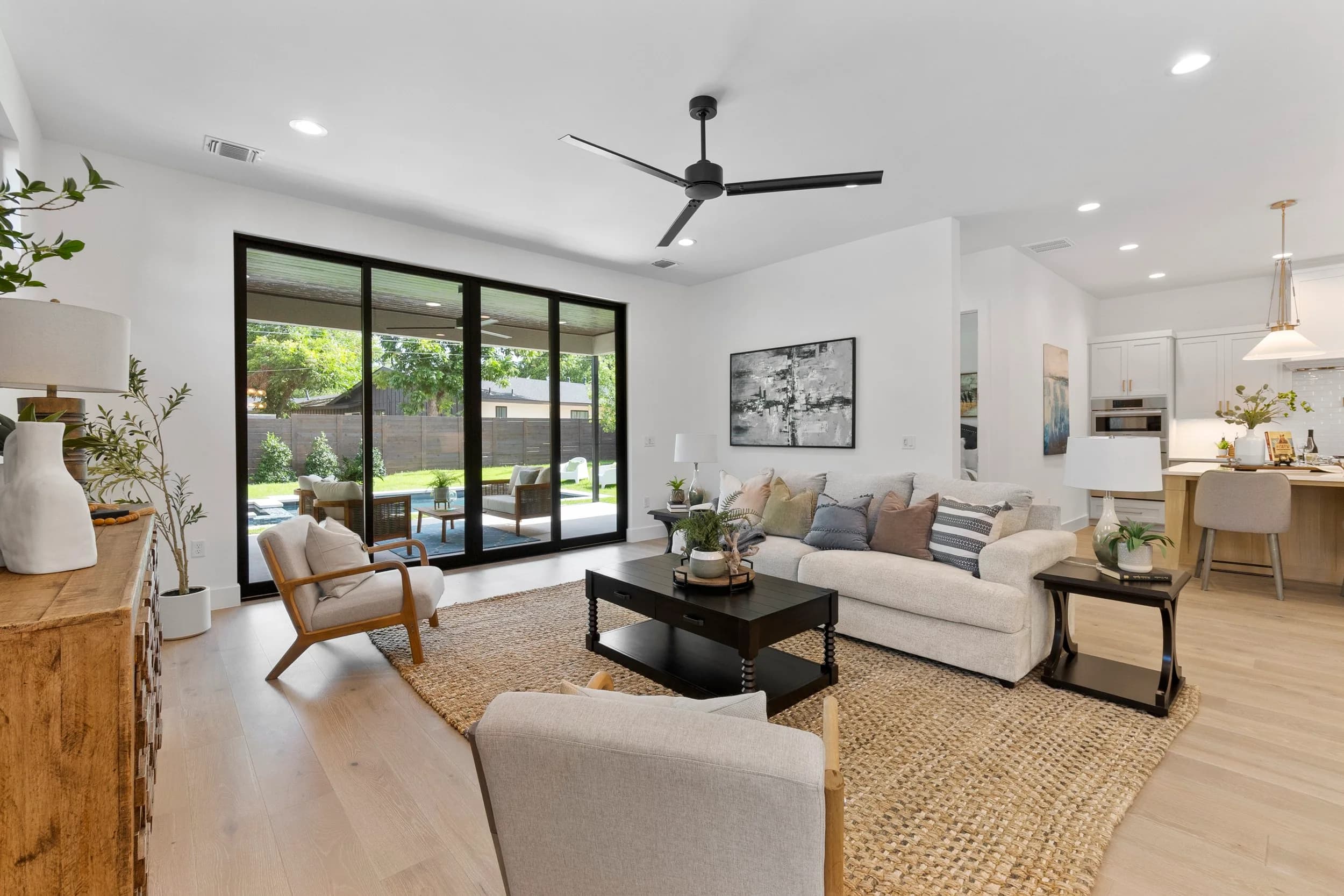
The most common cause is simply too much. Rooms pushed so bright that walls lose texture, grass turned neon green, and skies made a blue that never happens in Florida in August. Each change might look like an improvement on its own, but together they create a picture that feels artificial.
Good real estate photography balances light so a room looks bright and inviting while still looking like itself. Paint colors should match what a buyer will see. Our post on color accuracy in paint and flooring explains why that matters more than most sellers realize.
Stretched Rooms From Ultra-Wide Lenses
Another reason photos feel off is distortion. Very wide lenses can make a small room look like a ballroom, with furniture at the edges stretched sideways and walls bending. Some photographers lean on extreme focal lengths to make rooms look bigger. Buyers then walk in and feel misled.
A moderate wide angle, a level camera, and a sensible camera height show a room's real size and layout. Our guide to wide-angle versus fisheye lenses goes deeper on why lens choice matters.
Replaced Skies and Glowing Windows That Do Not Match
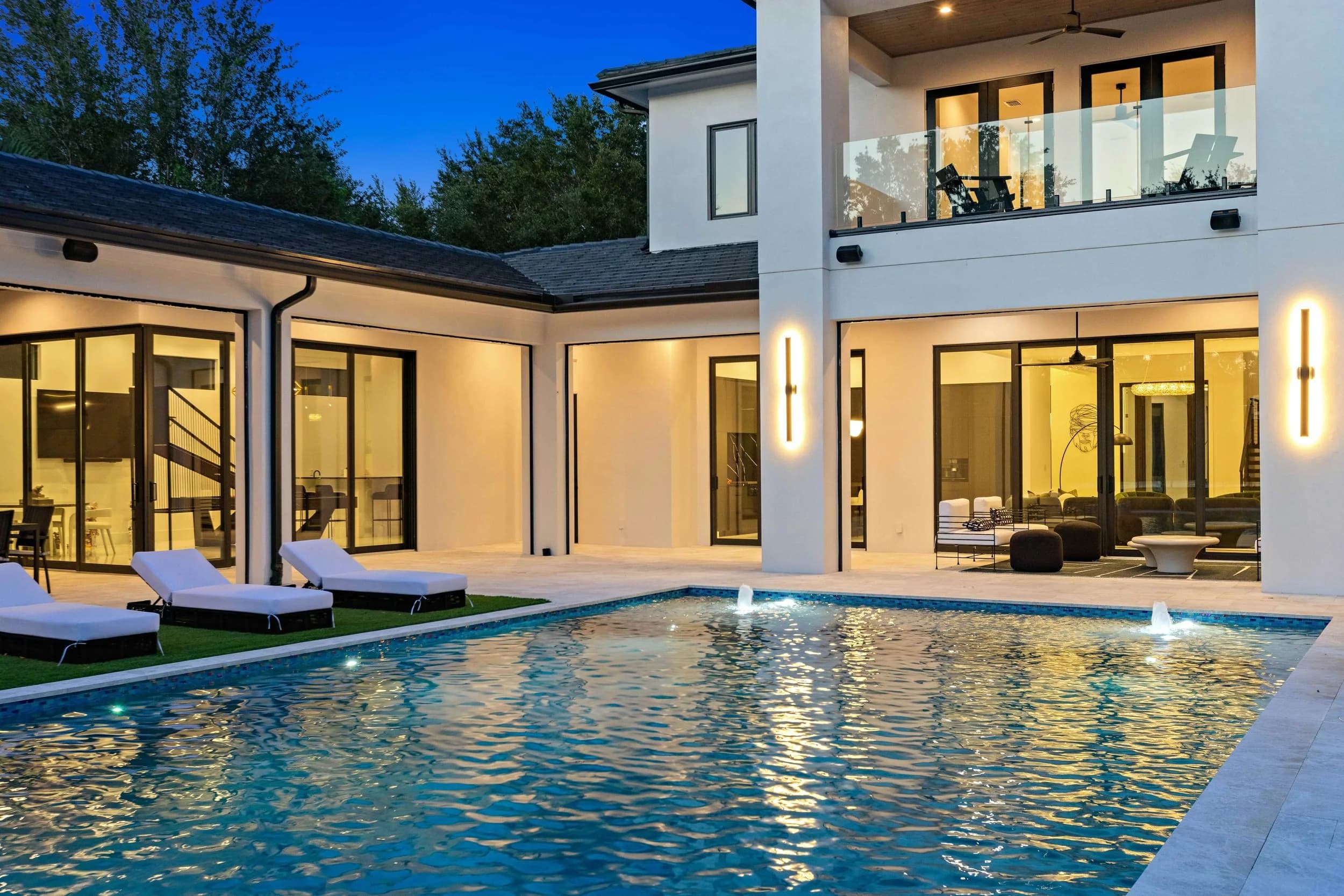
Sky replacement is widely used and can be perfectly acceptable when it swaps a gray, overcast sky for a natural-looking one. It looks fake when the light in the sky does not match the light on the house: a sunset sky over a house lit from directly above, or shadows pointing the wrong way.
Windows are a similar story. A view composited into a window that does not match the reflections, or a bright interior with a pitch-black window, both read as artificial. Balancing window light at capture is usually more natural than fixing it later. Our post on blown-out windows covers why windows matter so much.
Things Added or Removed
Here is where reasonable editing ends and misrepresentation begins. Removing a trash can, a car in the driveway, or a stray cord is common and generally accepted. Adding a fire to an empty fireplace is usually fine if clearly decorative. Filling in a dead lawn, removing a power line, hiding a crack, or adding a window that does not exist is different. Those edits change what a buyer believes they are buying.
AI tools have made this easier and more tempting. Our post on AI object removal and decluttering explains where the line sits, and our guide to Stellar MLS virtual staging rules covers the disclosure side for Central Florida agents.
Why Fake-Looking Photos Hurt the Listing
It is tempting to think a dramatic photo always helps. In practice, buyers who feel misled at a showing often lose trust in the rest of the listing. They start looking for what else might be off, and that can shorten showings and weaken offers. Photos that look true to life tend to bring in better qualified buyers, people who already know what they will see and like it.
What Natural-Looking Listing Photos Have in Common
The best listing photos usually share a few traits:
- Light that is bright but believable, with real wall and floor colors.
- Straight vertical lines and rooms that keep their true proportions.
- Windows that show some of the view instead of glowing white.
- Skies and lawns that match the season and the time of day.
- Edits limited to temporary items, never permanent features.
Agents can ask to see full galleries, not just highlight images, when choosing a photographer. A full set shows whether the work stays natural from room to room. Listing galleries are delivered within 24 hours, video in 48 to 72 hours. Larger properties take a little longer.
The Bottom Line
Real estate photos look fake when editing and lens choices push past what the home actually looks like. Good photography makes a home look its best and still look like itself, which is what earns trust at the showing. Ready to book? Call or text (689) 600-2131 or get in touch.