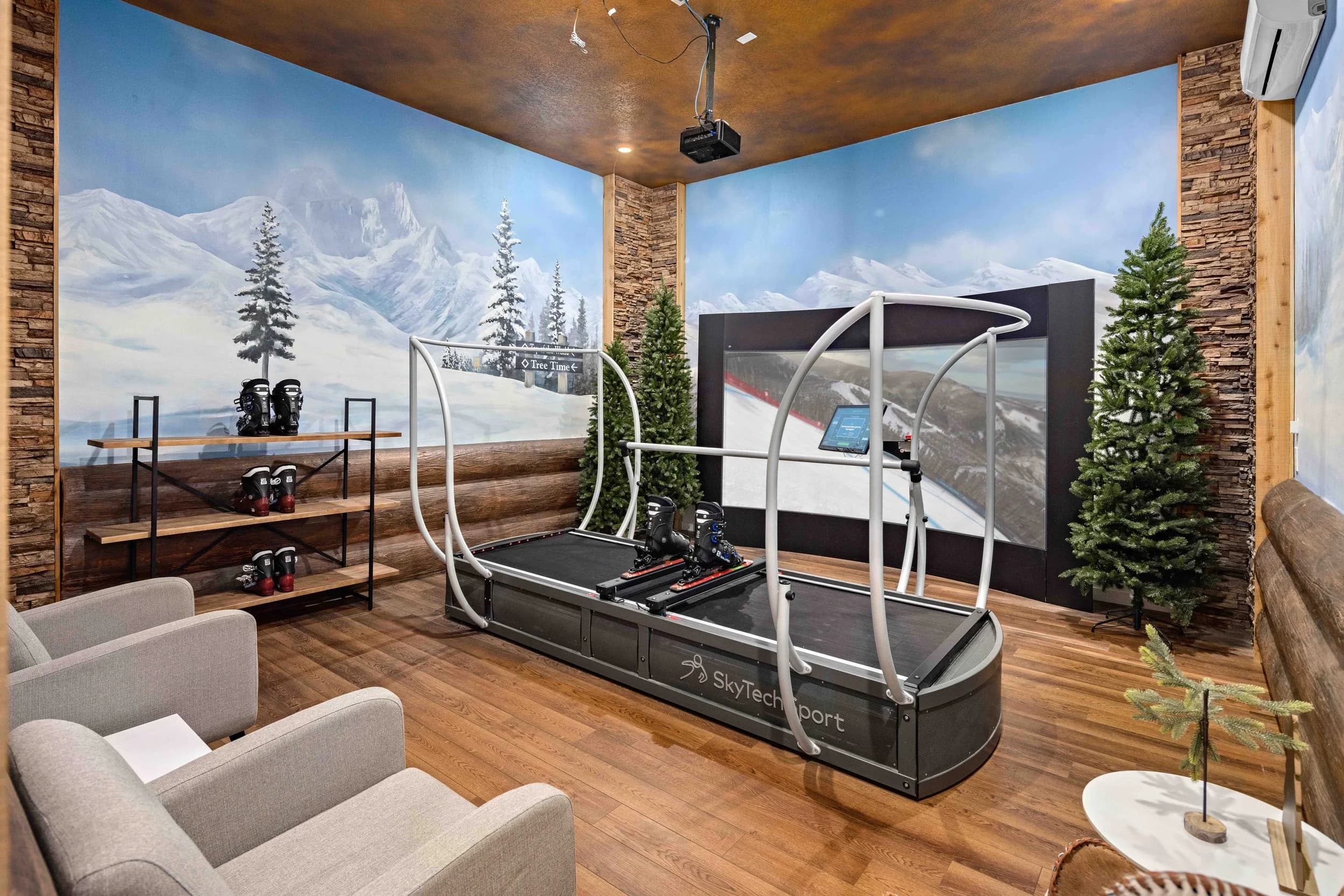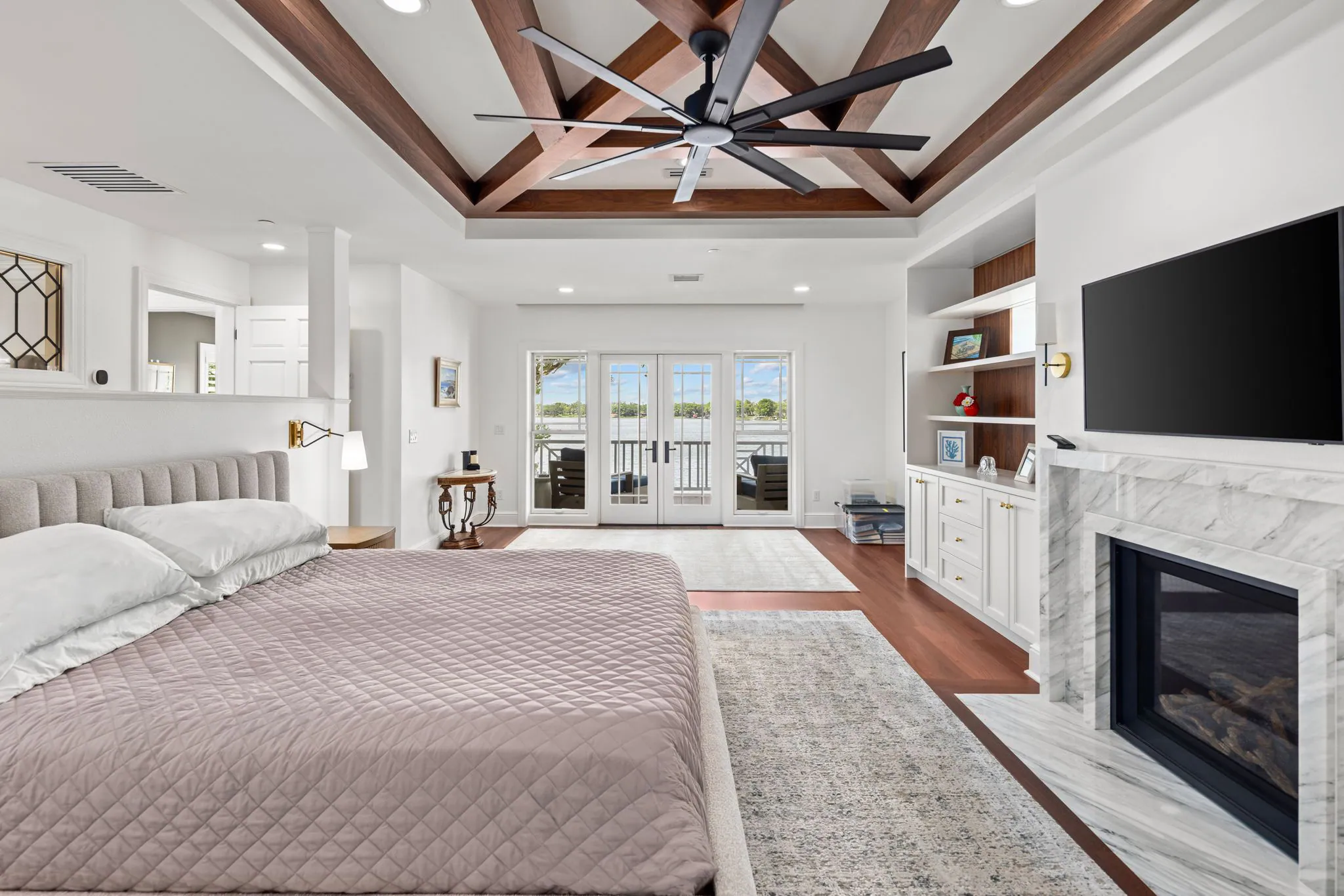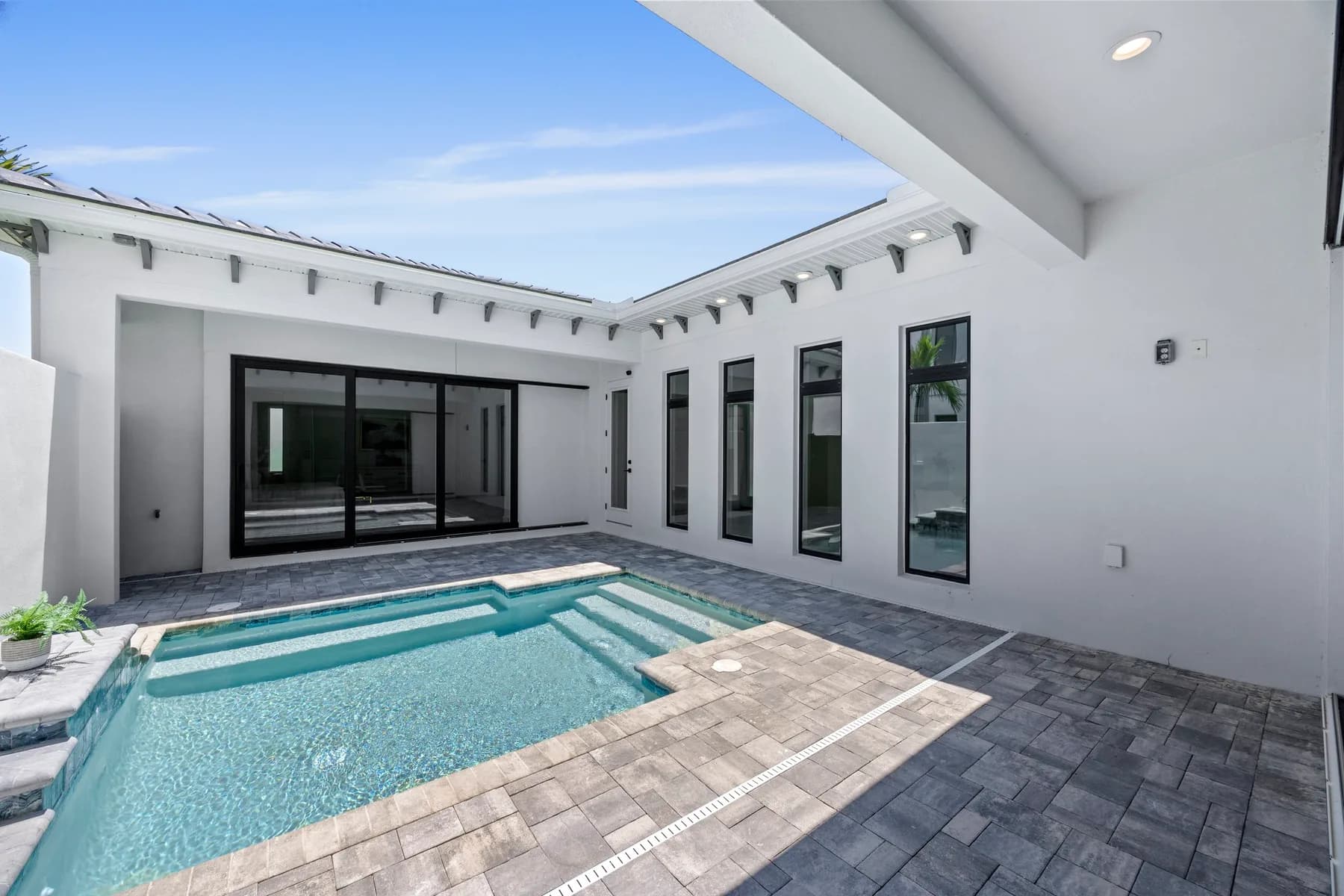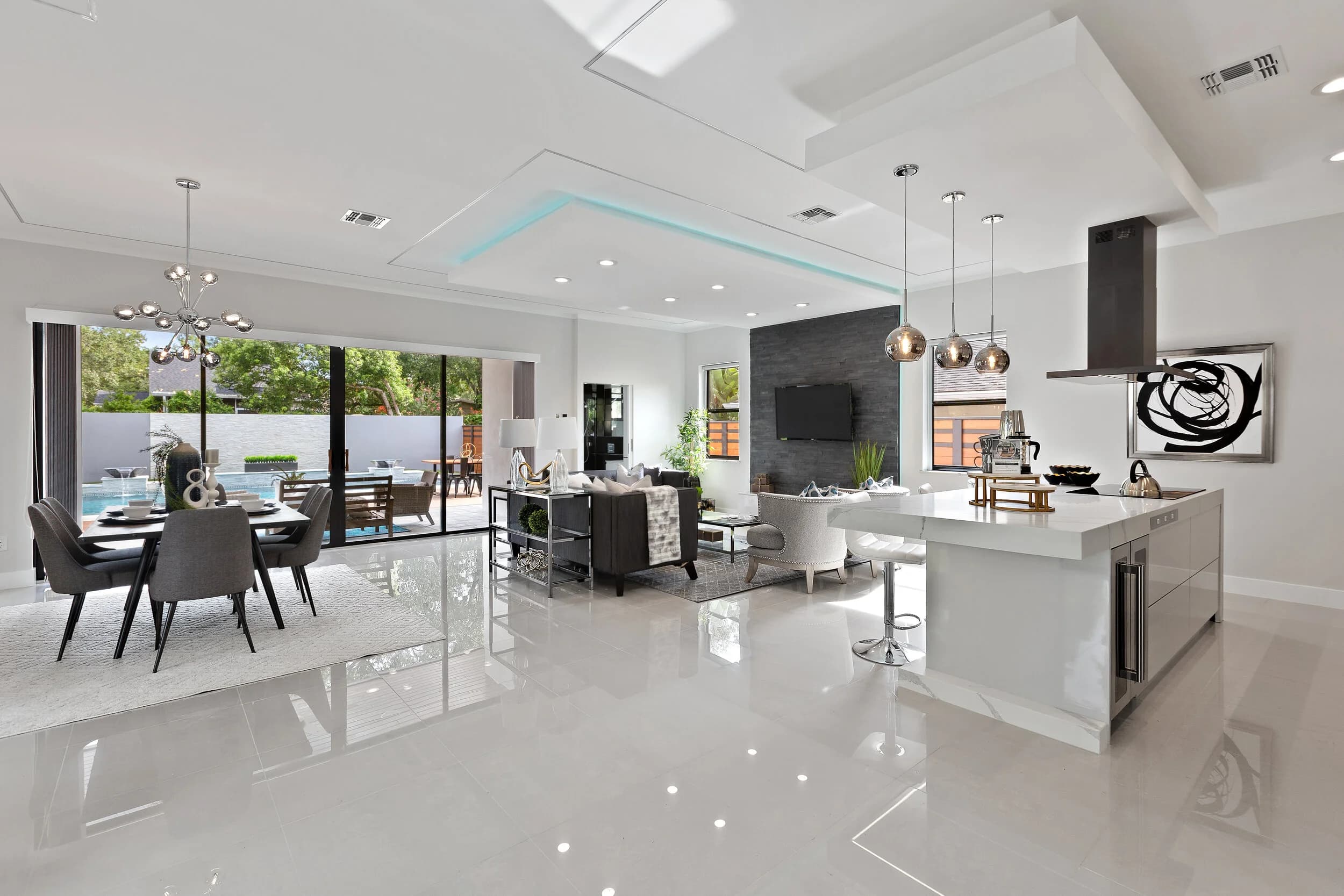
If you’ve ever seen a listing photo where the walls bow outward and the room looks like it’s wrapped around a fishbowl, you’ve seen a fisheye lens used where it shouldn’t be. Lens choice is one of the quiet technical decisions that separates professional real estate photography from an amateur phone shot, and it directly affects how spacious, accurate, and trustworthy a listing looks. Here’s what agents and sellers should understand about it.
First, What ‘Wide-Angle’ Actually Means
Interior spaces are tight, and a normal lens can only capture a sliver of a room from the doorway. A wide-angle lens takes in a much broader field of view, letting a photographer show a whole room, walls, windows, and flow, in a single frame. That’s why wide-angle lenses are the standard tool for real estate interiors.
But ‘wide’ covers a range, and there’s a meaningful difference between a rectilinear wide-angle lens and a fisheye.
The Key Difference: Straight Lines vs. Curved Ones
Here’s what sets them apart:
• Rectilinear wide-angle lenses keep straight lines straight. Walls, door frames, countertops, and cabinets stay true, so the room looks like the room. This is what professionals use.
• Fisheye lenses are ultra-wide but distort the image, bending straight lines into curves, especially toward the edges. They capture even more of a room, but at the cost of making it look warped and unnatural.
For real estate, the goal is an accurate, flattering representation of the space. A fisheye fails the accurate half of that immediately: bowed walls and curved horizons tell buyers something is off, even if they can’t name what.
Why Too-Wide Is Its Own Problem
There’s a temptation to go as wide as possible so rooms look bigger. It backfires in two ways:
• It misrepresents the space. An extremely wide or fisheye shot can make a small bedroom look cavernous. Buyers feel misled when they walk in and the room is a third of what the photo implied, and that erodes trust in the whole listing.
• It distorts everything at the edges. Furniture near the frame edges stretches, hallways tunnel, and proportions get strange. It reads as gimmicky rather than professional.
The best interior photography uses a moderate wide angle, wide enough to show the room fully, controlled enough that it still looks real. A skilled photographer chooses the focal length room by room rather than blasting everything at the widest setting.
How the Pros Keep Rooms Looking Right
Getting a room to look both spacious and honest takes more than the right lens. A few techniques professionals rely on:
• Level, straight verticals. Keeping the camera level so walls run truly vertical is one of the biggest tells of professional work. Crooked verticals make even a great lens look amateur.
• Thoughtful composition. Shooting from a corner, choosing the right height, and framing to include foreground and depth make a room feel inviting rather than empty.
• Consistent focal length within reason. Keeping a similar look across the gallery makes the home feel cohesive, so buyers can mentally walk it.
• Correcting minor distortion in editing. Even good wide-angle lenses have slight distortion, which professionals clean up so the final images look natural.
What This Means for Your Listing
You don’t need to know the difference between rectilinear and fisheye to spot the result. When you review your listing photos, ask:
• Do the walls and door frames look straight, or do they curve?
• Does each room look like a believable version of itself, or suspiciously huge?
• Do the images look consistent from photo to photo?
If the answer is straight, believable, and consistent, the lens work is doing its job. If rooms look bent or exaggerated, buyers will sense it, and the disappointment when they tour in person costs you more than the photos ever gained.
Professional real estate photography is full of these small technical choices, lens selection, camera height, leveling, exposure blending, that add up to images buyers trust. Get them right, and your listing looks spacious and honest, which is exactly the combination that turns online views into showings.
Ready to book? Get in touch or call us — we serve Orlando, Tampa Bay, and Central Texas.