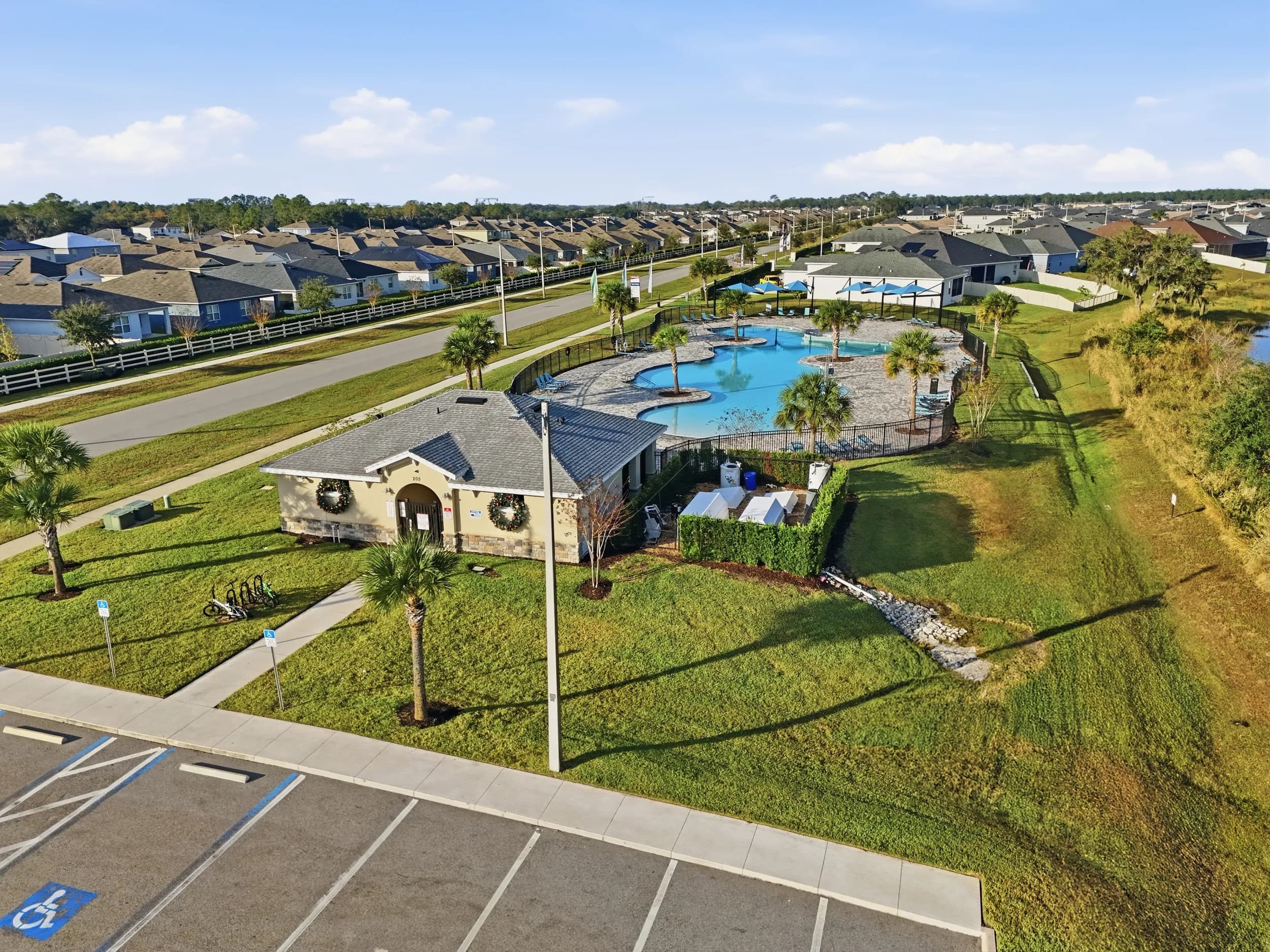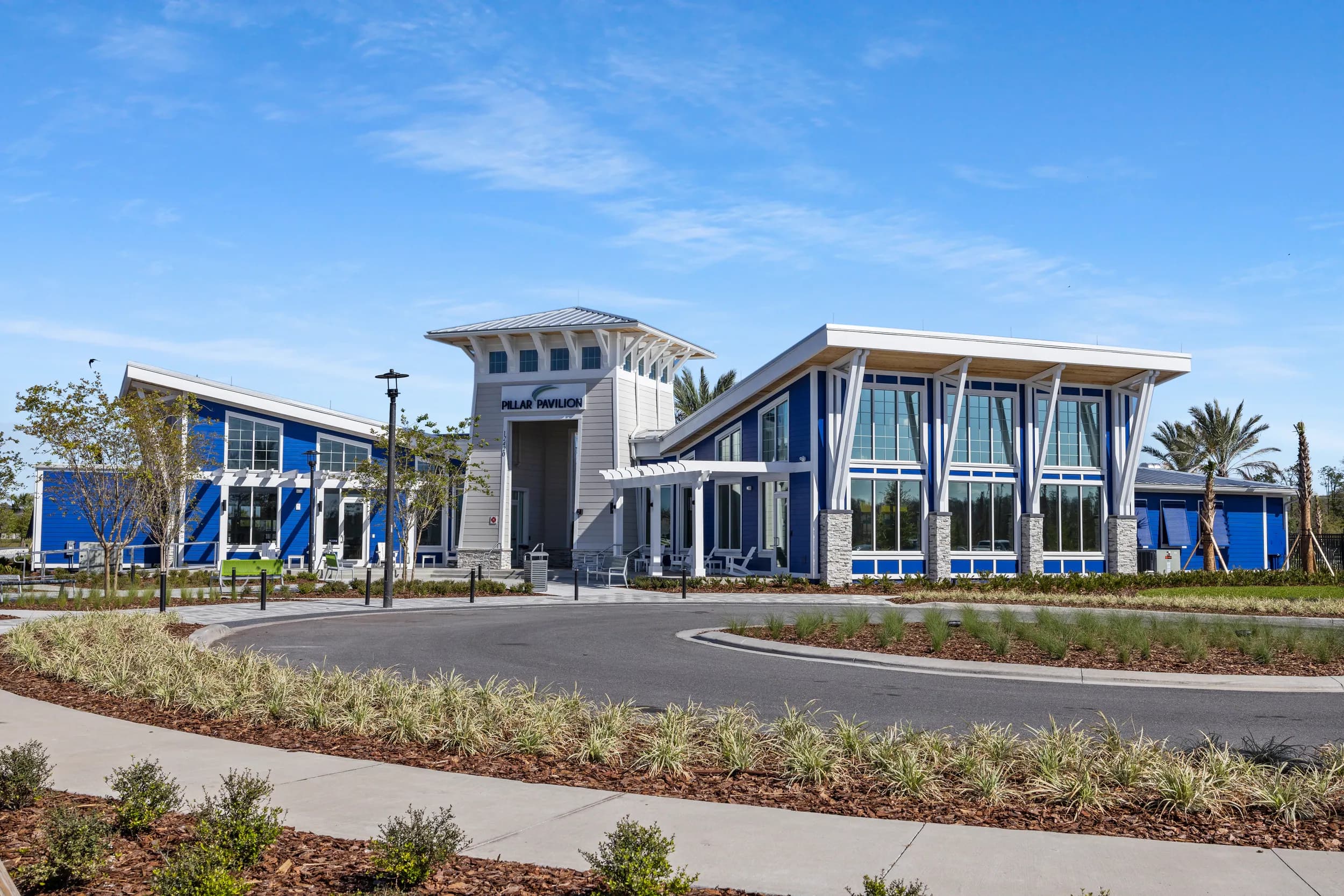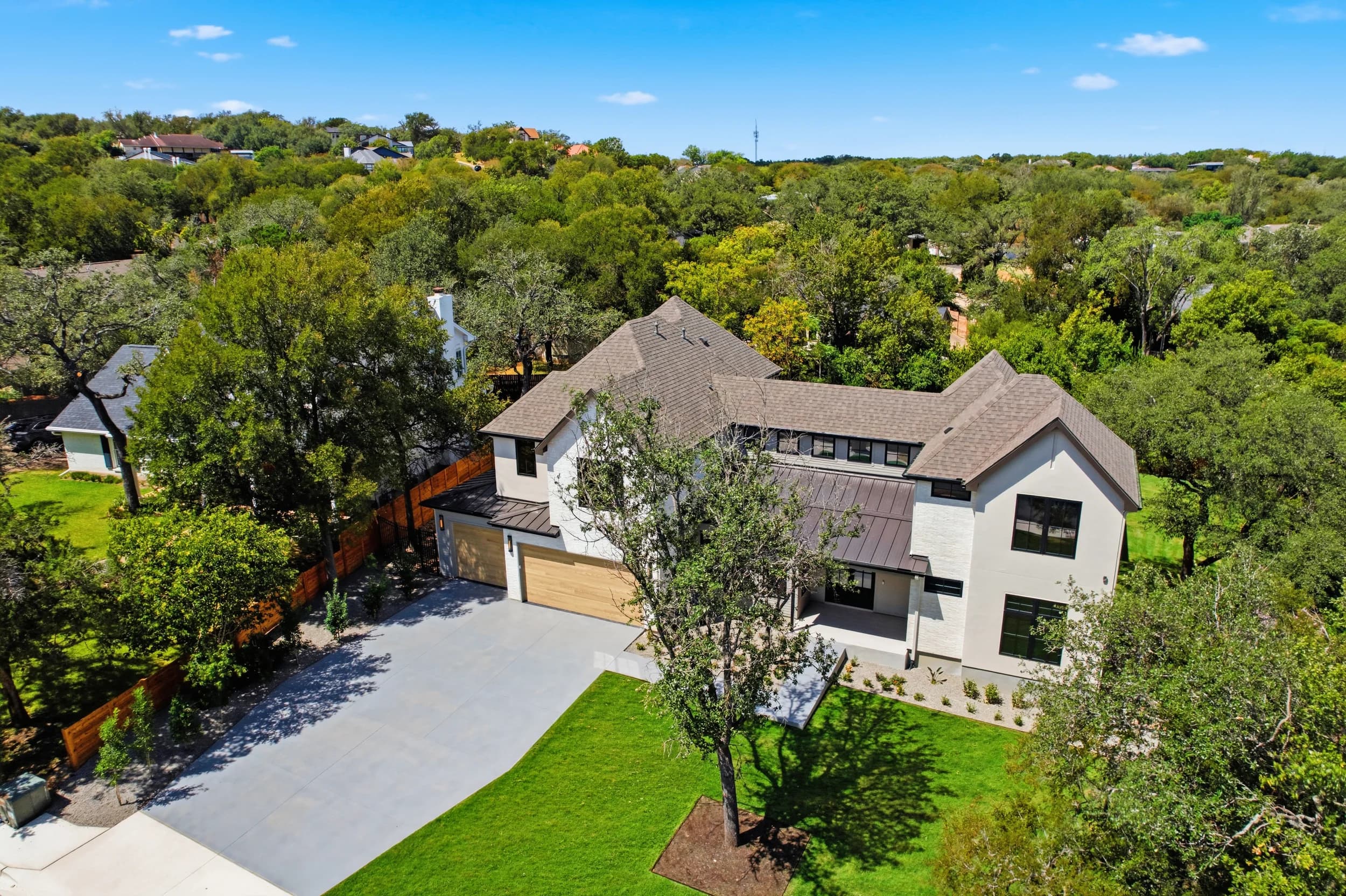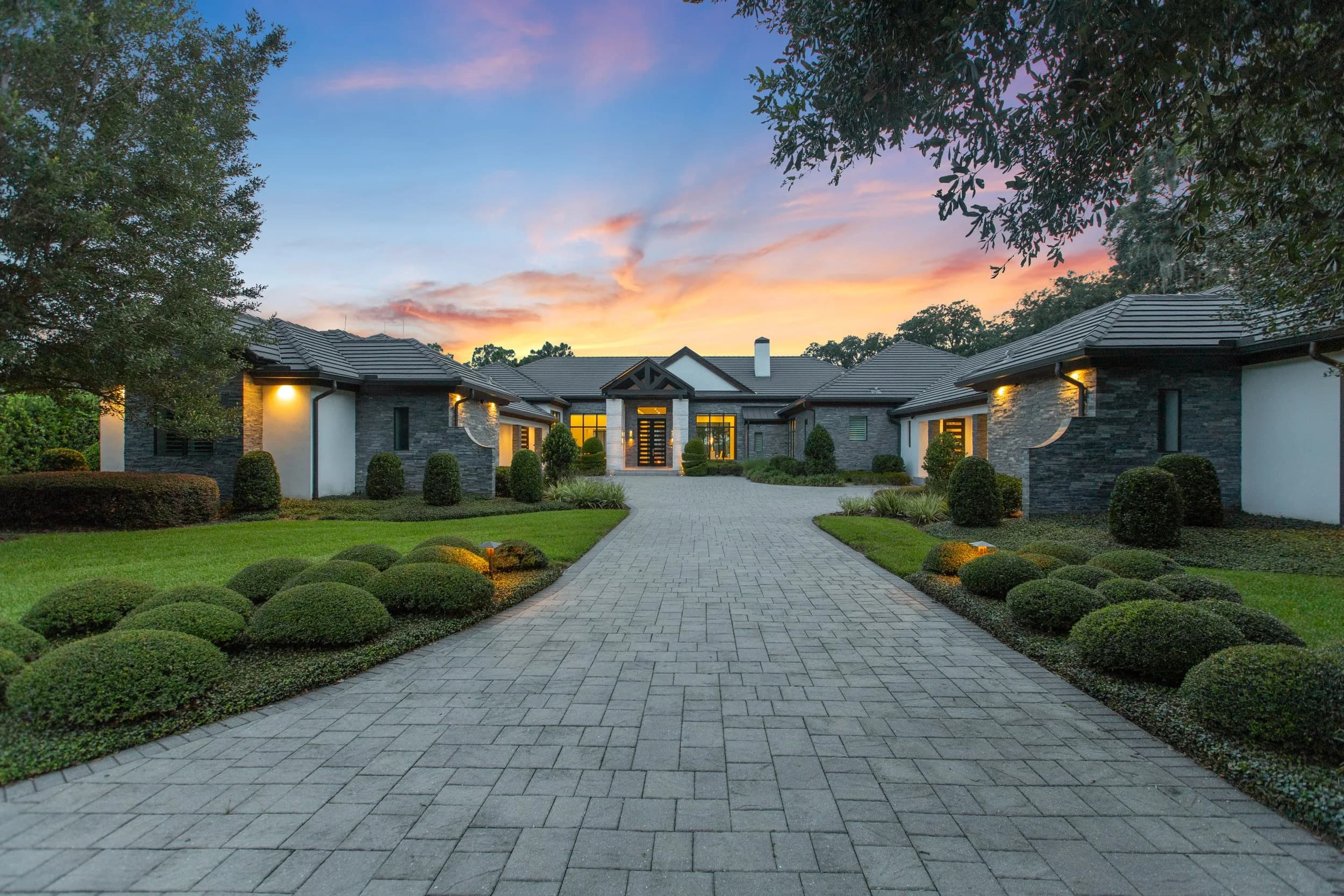
Most commercial listings are photographed at midday, when the parking lot is full and the glass reflects a white sky. That set is necessary, but it rarely produces the image that stops a tenant rep or an investor in the middle of a search. A twilight frame can. The lobby glows, the signage reads, and the building looks occupied and cared for. For brokers in Orlando, Tampa Bay, Austin and San Antonio, a short dusk session added to the daytime shoot often produces the strongest single image in the package.
This post covers what twilight does for a commercial building, which property types benefit most, and how to prepare the site so the evening goes to plan.
What twilight shows that daylight cannot
For a short window after sunset, the light inside a building and the light left in the sky are close to the same brightness. During that window the camera can see into the lobby and the upper floors while the facade and the sky still hold color. At noon the same glass is a mirror.
- Lit lobbies. The reception desk, the finishes, the art and the elevator bank become visible from the street. A tenant sees what arriving at the building feels like before ever touring it.
- Signage. Building signs, monument signs and tenant panels are photographed illuminated. That shows brand visibility after dark, which matters to retail, restaurant, medical and bank users.
- Parking lots and garages. An evenly lit lot reads as safe and maintained. Property managers and tenants with evening staff look for exactly that.
- Architectural lighting. Canopy lights, facade washes and landscape uplights that an owner paid for are invisible in a daytime set. At dusk they define the building.
Which buildings benefit most
Twilight is not automatic for every listing. It earns its place when the building has glass, light and a reason to be seen in the evening.
- Office buildings with glazed lobbies, where the entry sequence is a selling point.
- Retail centers and freestanding retail, where lit storefronts and pylon signs show how the property performs at night. Visibility and access in daylight are covered separately in the post on retail center photography for visibility, access and co-tenancy.
- Medical office and bank branches, where a clean, well-lit approach supports the brand.
- Hospitality, restaurant and mixed-use properties, which do much of their business after sunset.
- New flex and industrial buildings with a storefront office, when the office entry is the image that leads the listing.
It is worth waiting when a building has dark vacant floors with no way to switch lights on, lot lights that are out, or a sign with dead letters. Twilight shows all of it. Fix those items first, then schedule the session.
How to prepare the building
Almost everything that makes or breaks a commercial twilight frame is decided by the property team before the photographer arrives. A simple checklist helps:
- Override timers and photocells so every exterior light, sign and lot pole is on before sunset, not after.
- Turn on interior lights on every floor that faces the camera, including vacant suites.
- Set blinds to one consistent position across the facade.
- Replace burnt-out lamps and sign letters the week before.
- Clear the lot of cones, pallets and service vehicles. Fewer cars reads cleaner, so let tenants know which rows to leave open.
- Switch off irrigation for the evening so pavement and glass stay dry.
- Notify security and tenants that a crew with tripods will be on site at dusk.
- Have someone present who can reach the electrical panels and the lighting controls.
Planning the shoot itself
The usable light lasts only a short time, so a commercial twilight session is built around one to three compositions, not a full walk of the property. Those angles are scouted in daylight, usually during the afternoon shoot, and the tripod is in place before the sun sets. Several exposures are captured as the light changes and blended into one natural frame.
Orientation matters. A facade that faces west catches the last color in the sky differently from one that faces east, and the photographer will choose the main angle with that in mind. Weather matters too: clear and partly cloudy evenings both work, while heavy overcast or rain is a reason to move the date.
Drone frames at dusk are possible under FAA Part 107 with the proper lighting on the aircraft and any airspace authorization the location requires. Whether an aerial twilight is worth adding is decided site by site. Delivery timing for the full set is confirmed at booking.
Where the twilight frame gets used
One strong dusk image tends to travel further than the rest of the gallery. Brokers use it as the lead photo on listing platforms, the cover of the offering memorandum, the header of the email announcement and the banner on the property website. Choosing and ordering images for the platforms is its own subject, covered in the guide to preparing LoopNet, CoStar and Crexi photos.
The frame should stay honest. Lights that do not exist are not added, and the sky is kept to what the evening really looked like, so a tenant who visits at dusk sees the same building. For homes, the related residential topic is photographing landscape and outdoor lighting at dusk.
JRP photographs office, retail, medical, hospitality and industrial properties across Central Florida and Central Texas, with twilight available as part of a commercial real estate photography shoot.
Ready to book? Call or text (689) 600-2131 or get in touch.