Commercial real estate photography in Austin has to cover a lot of ground. A broker might list a floor in a Downtown tower one week, a retail bay at the Domain the next and a distribution building out along the SH 130 corridor after that. Each one is marketed to a different tenant or investor, and each one needs a different kind of photography. What works for a glass lobby on Congress Avenue does very little for a truck court east of the city.
This guide walks through the main Austin submarkets and what brokers, owners and property managers should ask for in each. It sits alongside our broader commercial real estate photography service in Austin, and it leaves platform specifics to our post on preparing LoopNet, CoStar and Crexi listings.
Downtown Austin: towers, lobbies and the skyline
Downtown office and mixed-use listings are sold as much on address as on square footage. Tenants want to see where they will be and what it feels like to arrive. The photography should show both.
- The approach and the lobby. A clean exterior from street level, then the lobby, elevator bank and any shared lounge or conference space. These are the frames a tenant rep forwards first.
- The suite itself. Wide frames that show the floor plate and window line, plus a few that show how the space could be used. Vacant suites need careful composition so they read as open, not empty.
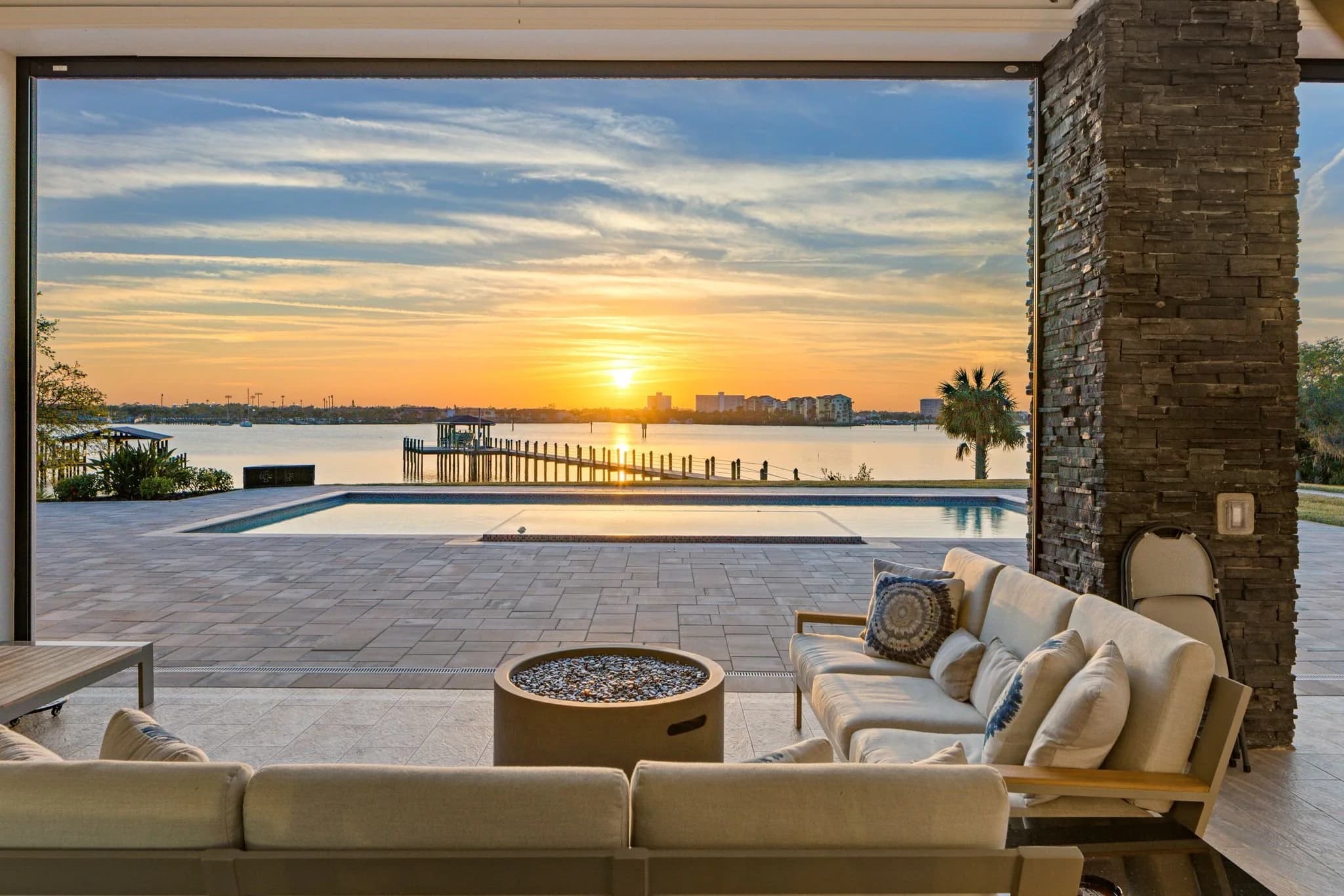
- The view. Upper floors often look toward Lady Bird Lake, the Capitol or the surrounding towers. A window view exposed correctly, so the city shows instead of a white rectangle, is worth more than another interior angle.
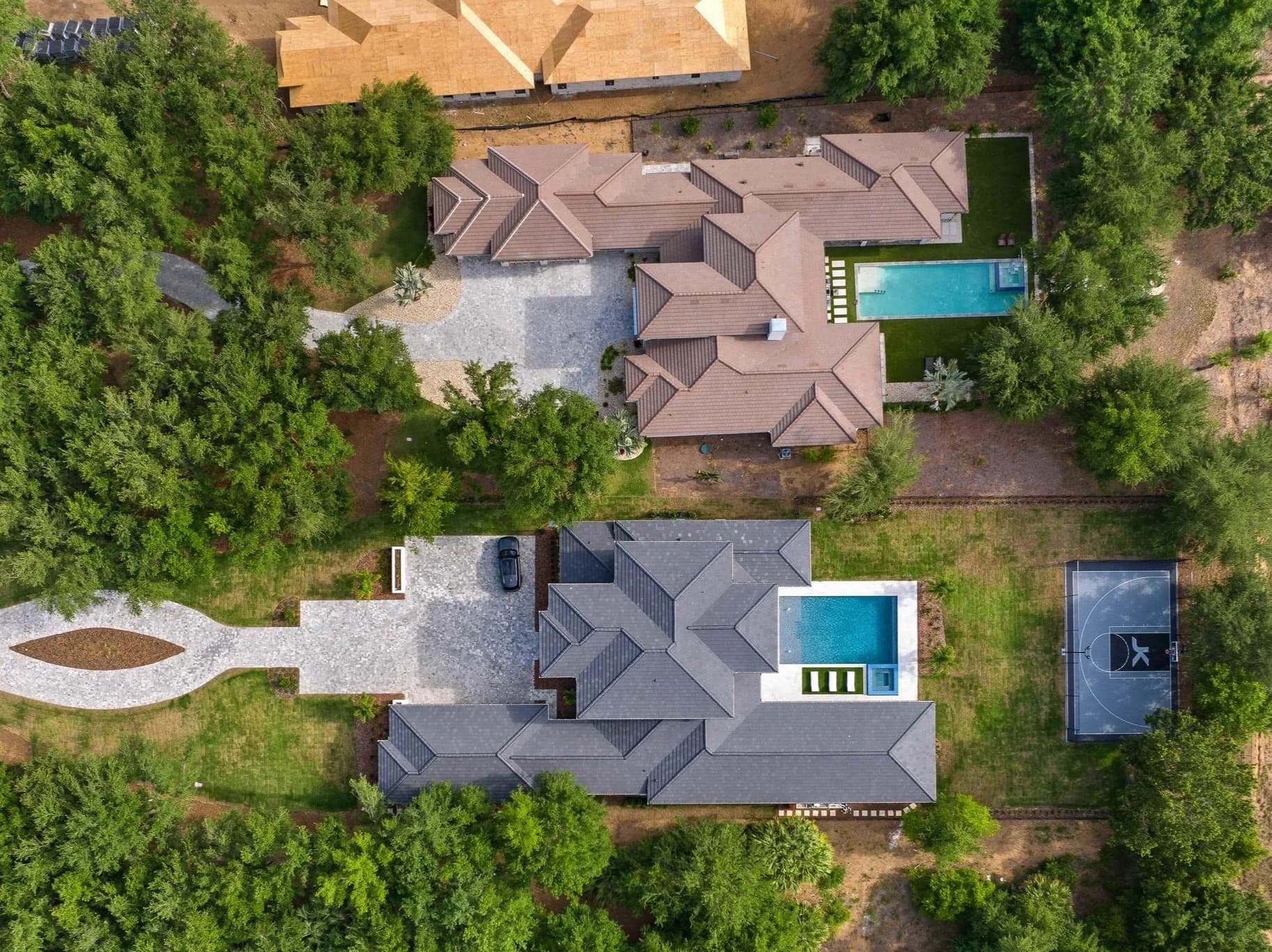
- Context aerials. A drone frame placing the building in the Downtown grid helps out-of-town decision makers understand the location quickly, where airspace and building management allow it.
The Domain and North Austin: mixed-use space that sells the setting
The Domain area mixes office, retail, restaurants and residential in a walkable setting, and that setting is a large part of what a tenant is paying for. Photography for a listing here should show the space and the district around it.
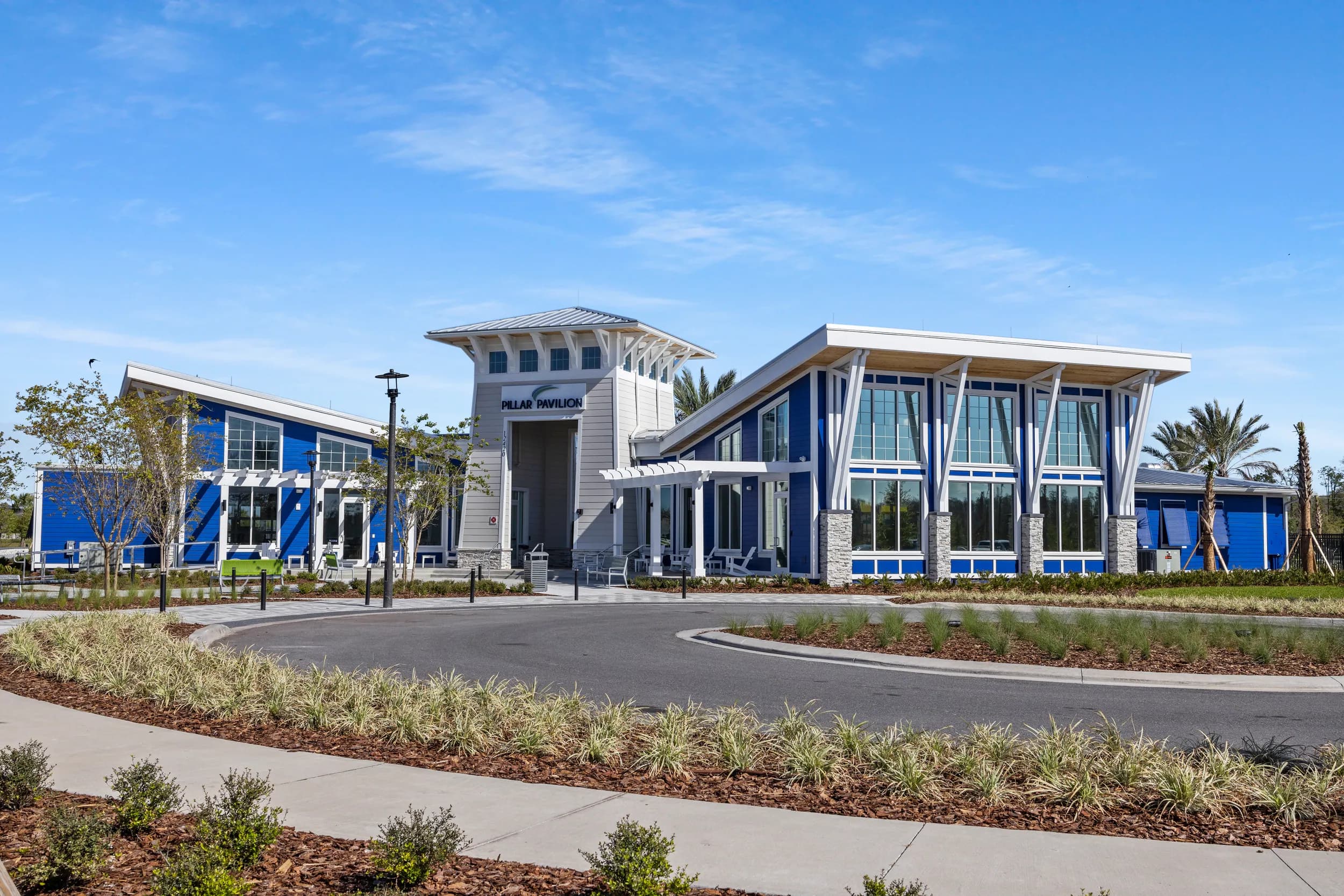
- Storefront and street frontage for retail and restaurant space, shot when the street is active enough to feel alive but clear enough to see the storefront.
- Office suites with amenity context: nearby dining, green space and parking structures, so a company can picture its employees there.
- Dusk exteriors for retail and restaurant listings, when signage and storefront lighting are on. A lit storefront tells a retailer more about the location than a midday frame.
North Austin office parks along the major highways need a similar approach with more emphasis on parking, access and building signage, since those are what suburban office tenants check first.
East Austin and the SH 130 corridor: creative office, flex and industrial
East Austin creative office and converted buildings are usually marketed on character: exposed structure, natural light, patios and the neighborhood. Wide frames should show the volume of the space, and detail frames should show the materials that make it different from a standard suite.
Further east, industrial and flex buildings along the SH 130 corridor are a different job entirely. Industrial tenants and investors want facts they can see:
- Dock doors, drive-in doors and the truck court, shot so the depth and turning room read clearly.
- Clear height inside the warehouse, with a frame that shows the racking space and lighting.
- Office build-out at the front of the building, kept simple and accurate.
- Aerials that show highway access, the site layout, trailer parking and any expansion land.
For smaller multi-tenant buildings, our post on photographing flex and small-bay warehouse space goes deeper on the unit-by-unit approach.
Planning the shoot: access, drone authorization and tenants
Most problems on commercial shoots come from planning, not photography. A short checklist before the day saves a return trip.
- Building access. Confirm who meets the crew, which floors and suites are open, and whether security needs names in advance.
- Insurance. Many Austin buildings ask for a certificate of insurance before anyone sets up. Our post on photographer insurance and commercial site access covers what to request.
- Drone airspace. Parts of Austin sit in controlled airspace, including areas around Austin-Bergstrom International Airport. Flights there need FAA authorization under Part 107, and some sites cannot be flown at all. Ask early so the aerial plan is settled before the shoot.
- Occupied space. If tenants are in place, agree on what can be photographed, when, and how screens, documents and people are handled.
- Lights and parking lots. Turn on every light in the suite and, for exteriors, ask whether the lot can be cleared of vehicles for the main frames.
Delivery timing for commercial work is confirmed at booking, based on the size of the property and the mix of photo, video and drone.
Frequently asked questions
Do you photograph commercial real estate in Austin?
Yes. JRP has a local crew in Austin and photographs office, retail, restaurant, flex and industrial properties across the metro, from Downtown to the SH 130 corridor.
Can you fly a drone over a Downtown Austin building?
Sometimes. Downtown and the area around the airport fall under controlled airspace, so each flight is checked and authorized under FAA Part 107 rules. Building management and site conditions also have to allow it. If a flight is not possible, we plan the exterior coverage from the ground or from an upper floor instead.
What should I shoot first on an industrial listing?
The truck court, dock doors and an aerial of the site. Industrial tenants screen on access, loading and layout before they look at the office area, so those frames should lead the listing.
Do you photograph occupied office space?
Yes. We schedule around tenants where needed and agree in advance which areas are photographed and how people, screens and paperwork are kept out of frame.
Do you also shoot video and 3D tours for Austin commercial listings?
Yes. Photo, video, drone and 3D tours can be captured in one visit, which keeps the coverage consistent and saves coordinating several vendors with building management.
Ready to book? Call or text (689) 600-2131 or get in touch.