Commercial real estate photography in Orlando has a different job than listing photography for homes. The audience is a tenant's broker screening twenty buildings in an afternoon, a site selector who will never visit before shortlisting, or an investor reading an offering memorandum on a phone. They are not looking for warmth. They are looking for answers: how the space is laid out, how it is accessed, what is around it, and whether it matches what the flyer claims. This post covers what Orlando brokers need from a photographer for office, retail and industrial listings, submarket by submarket, with a short FAQ at the end.
Office: Downtown, Maitland, Lake Mary and Lake Nona
Orlando office product spans very different buildings. Downtown towers sell on views, lobbies and proximity. Maitland Center and the Lake Mary and Heathrow stretch of the I-4 corridor sell on parking, campus settings and easy drives. Lake Nona's newer buildings sell on being new, and on the medical and research neighbors around them.
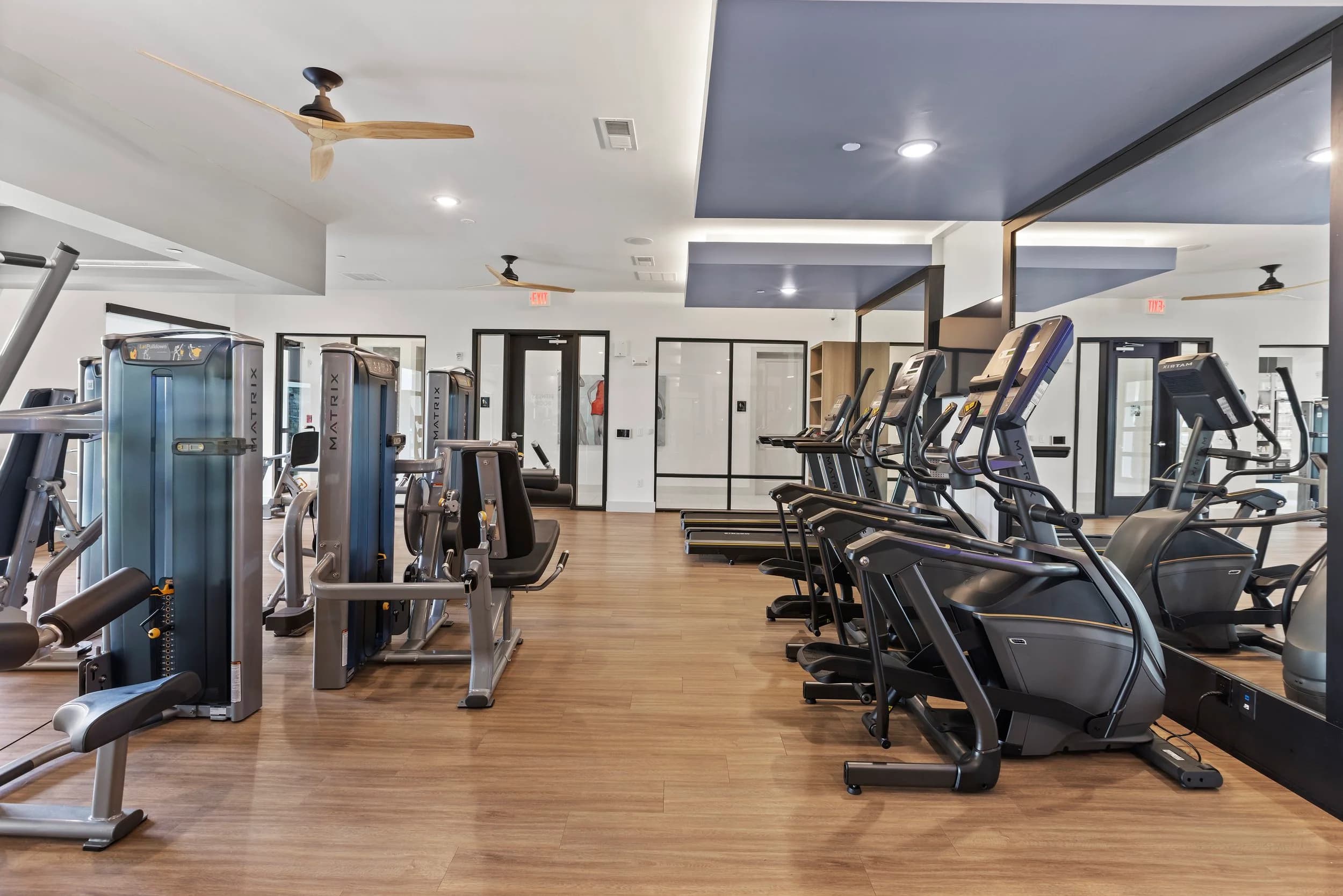
The photography should follow those stories. For a downtown tower, that means a clean lobby frame, the elevator bank, a representative floor (ideally a built-out suite and a shell), the view from the glass, and an exterior that shows where the building sits on the skyline. For suburban office, lead with the approach: the monument sign from the road, the parking field with the building behind it, then the entry and common areas. For every office listing, photograph the amenities tenants ask about on the first call: restrooms, break areas, fitness rooms, covered parking and the conference center if there is one.
Suite interiors need care. Empty suites should be photographed with lights on, blinds set the same way in every window, and ceiling tiles and carpet clean. Finished suites photograph best after the furniture is squared up and the desks are cleared. If the suite is occupied, work with the property manager on an evening or weekend window and keep screens, whiteboards and nameplates out of frame.
Retail: visibility, access and co-tenancy
Retail brokers along International Drive, in the suburban centers of Dr. Phillips and Winter Garden, and in the neighborhood plazas across Orange and Seminole counties are selling the same three things: can customers see it, can they get to it, and who else is there. Photographs should answer each one.
- Visibility: shoot the pylon or monument sign with traffic in frame, and the storefront from the main road at the angle a driver actually sees it.
- Access: show the curb cuts, the signal if there is one, and the parking field from a height that makes the count legible.
- Co-tenancy: an aerial or elevated frame that places the anchor and the inline tenants together does more than a paragraph of text.
Vacant retail bays should be photographed clean, lit and swept, with the storefront glass washed. Second-generation restaurant space deserves the hood, the walk-in and the grease trap area in the gallery, because the next operator will ask.
Industrial: docks, clear height and the truck court
Orlando's industrial market runs along the Beachline and around Orlando International Airport, through the south Orange County distribution corridors, and up into Sanford and Apopka. Tenants in this product care about function, and the photos should show it: dock doors counted in a single frame, the truck court depth from above, the clear height with a forklift for scale, the sprinkler system, the office component and the yard.
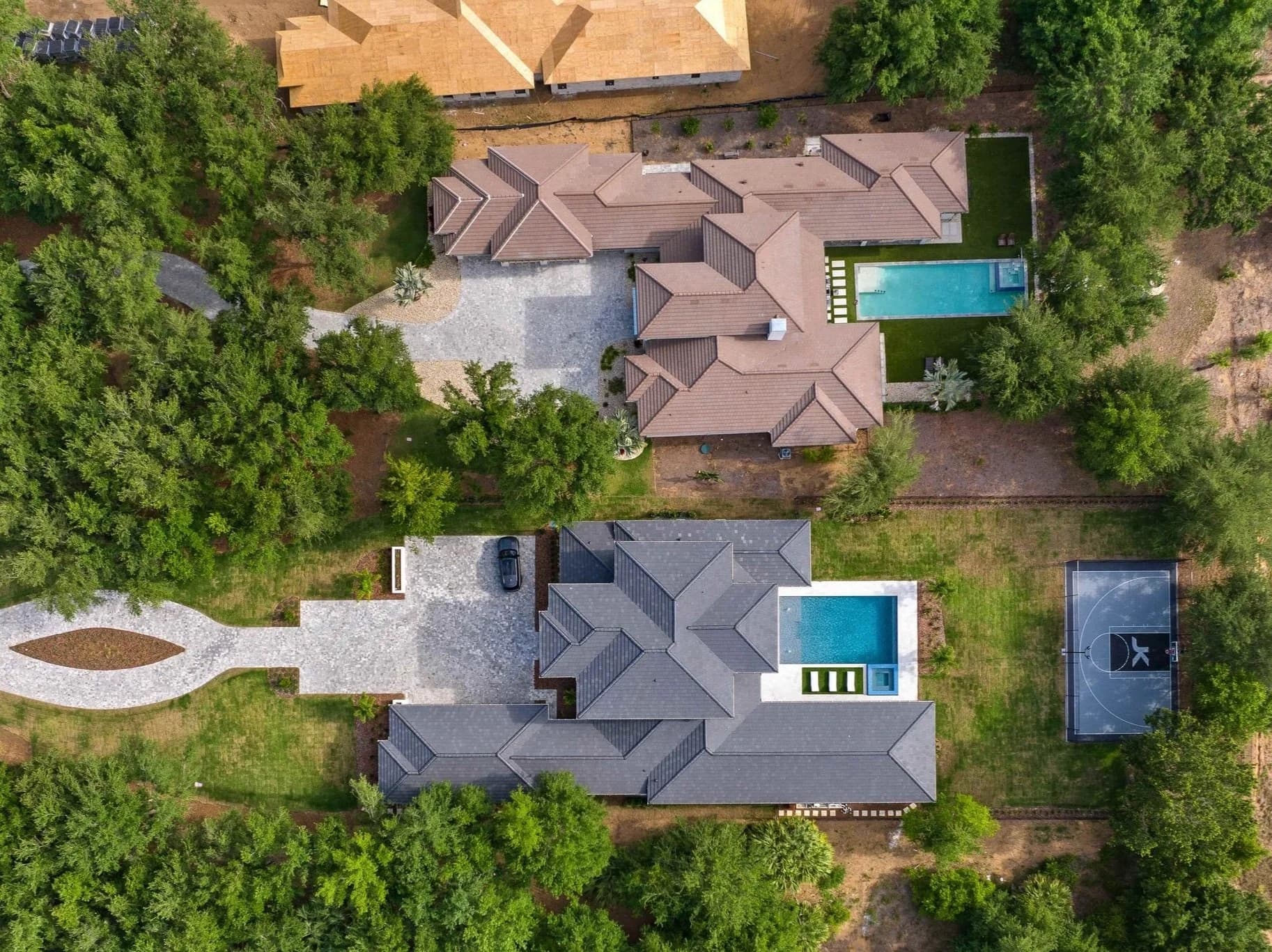
Drone work earns its keep here. A straight-down aerial of the roof and truck court, plus an oblique that shows highway access, communicates more than any interior frame. Airspace in Orlando is complicated, with Orlando International, Orlando Executive and Orlando Sanford all shaping where a licensed pilot can fly and what authorization is needed. We explain that in general terms in our post on drone no-fly zones in Orlando. For a commercial shoot, the practical takeaway is to share the address early so the aerial can be planned or ruled out before the shoot day.
Preparing a commercial shoot in Orlando
Most of the problems in commercial galleries come from access and lighting, not from the camera. Before the shoot, confirm who unlocks each suite, whether the building engineer can turn on floor lighting, and whether the parking lot lights can be run for a dusk exterior. Ask tenants to clear visible clutter from common areas. If the property requires a certificate of insurance, send the requirements ahead of time; our post on photographer insurance and site access covers what property managers usually ask for.
Think about the whole package, too. A commercial listing today rarely runs on photos alone. Brokers combine stills with an aerial set, a short video and sometimes a 3D tour for suites that out-of-market tenants want to walk remotely. Our overview of commercial marketing ideas for brokers lays out when each one helps. Delivery timing for commercial work is confirmed at booking, since the scope varies so much between a single suite and a multi-building campus. You can see how JRP approaches this work on our Orlando commercial real estate photography page.
Frequently asked questions
Do you photograph commercial properties across the Orlando metro, not just downtown?
Yes. JRP has a local Orlando crew that covers Downtown, Maitland, Altamonte Springs, Lake Mary, Sanford, Lake Nona, International Drive, the airport industrial corridors and the west side, including Winter Garden and Ocoee. We also work in Tampa Bay, Austin and San Antonio for brokers with listings in more than one market.
Can you shoot an office building while tenants are still working?
Yes, with planning. Common areas and exteriors can be photographed during the day with little disruption. Occupied suites are usually scheduled for evenings or weekends through the property manager, and we keep people, screens and personal items out of frame.
Is drone photography possible near Orlando International Airport?
Often, but not always. Much of the airport area sits in controlled airspace where a Part 107 pilot needs authorization, and some locations cannot be flown at all. We check the address before quoting and tell you up front what is possible.
What should a broker send before the shoot?
The suite list with square footages, a site plan or floor plan, any marketing flyer already drafted, the access contact for each space, and the certificate of insurance requirements if the property has them. That lets us build a shot list that matches how the listing will be marketed.
Do you deliver images sized for LoopNet, CoStar and Crexi?
Yes. We deliver web-ready files suited to the listing platforms as well as full-resolution files for offering memorandums, print flyers and brochures. Platform requirements change, so we follow the platforms' own current guidance rather than a fixed spec.
Ready to book? Call or text (689) 600-2131 or get in touch.