When a retail tenant looks at a shopping center, the first questions are rarely about the space itself. Can customers see the center from the road? Can they get in and out easily? Who else is there, and will those neighbors bring the right shoppers? Retail center photography that answers those questions up front saves brokers a lot of explaining, and it helps a listing stand out to tenant reps and investors who screen many sites before they visit one.
This guide covers how brokers and owners in Orlando, Tampa Bay, Austin and San Antonio can plan photography and aerials that prove visibility, access and co-tenancy. For the broader shot plan behind a plaza leasing package, see our guide to photographing retail plazas and shopping centers for leasing. This post goes deeper on the three things most retail decisions turn on.
Visibility: what drivers actually see
Visibility is the reason many retailers choose one corner over another, so it deserves its own set of frames rather than a single wide shot of the storefronts. Plan for:
- Approach views from the road. Ground-level frames, shot safely from a sidewalk or shoulder, that show what a driver sees while approaching the center from each direction.
- Pylon and monument signs. A straight-on frame of each sign, plus a wider frame that places it against the road. If a panel is open, the photo shows exactly where a new tenant's name would go.
- Building sign bands. Facade frames that show the sign area above each vacant suite, so a tenant can picture its own sign on the building.
- Sightlines past obstacles. If trees, outparcel buildings or a change in grade block part of the view, honest frames let a broker get ahead of the question instead of losing a tour over it.
A low aerial, just above the roofline, often shows signage and road frontage better than a high overview. Save the high frames for context.
Access: ingress, egress and parking
Tenants want to know how easy it is for customers to turn in, park and leave. Photography can show this more clearly than a site plan alone:
- Every entrance and exit, including whether it is signalized, right-in and right-out, or shared with a neighbor. Confirm these details with the owner and label them in captions rather than guessing.
- Cross access to adjacent centers or outparcels, which matters to restaurants and service tenants.
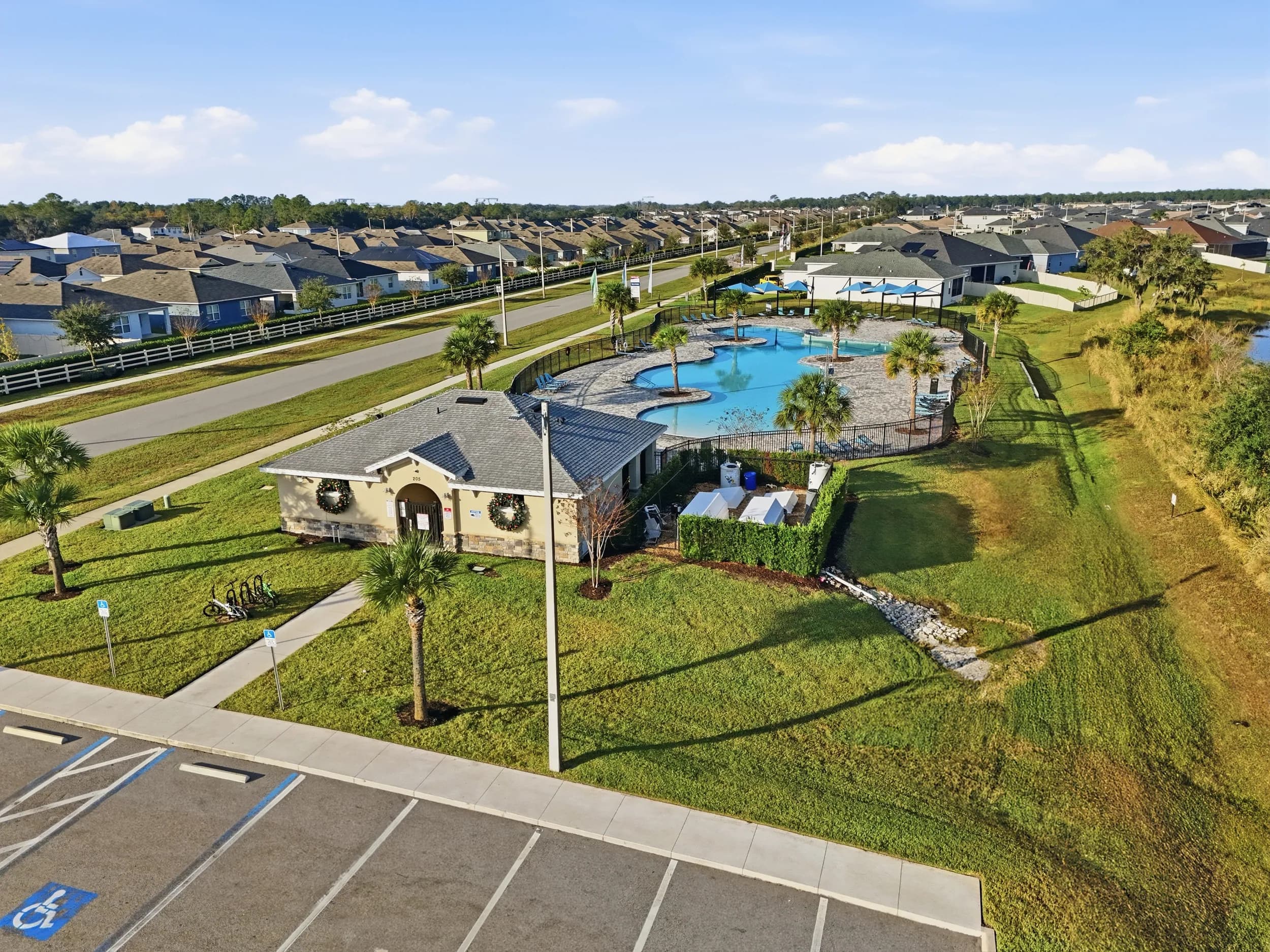
- The parking field from above, ideally at a normal busy time so it looks used but not full. An empty lot can read as a struggling center; a packed one can read as a parking problem.
- Drive-thru lanes and pad sites, which quick-service and coffee tenants check first.
- Service access: rear loading, dumpster enclosures and delivery routes, shot plainly.
Annotated aerials are the clearest way to put all of this in one frame, with entrances, signals, parcel lines and nearby roads labeled on a single image. Our post on annotated drone aerials for offering memorandums covers how to brief those labels.
Co-tenancy: show who the neighbors are
Retailers buy into a center's customer flow as much as its square footage. An anchor grocer, a busy gym or a popular restaurant can be the deciding factor for a smaller tenant. Photos should make the tenant mix easy to read:
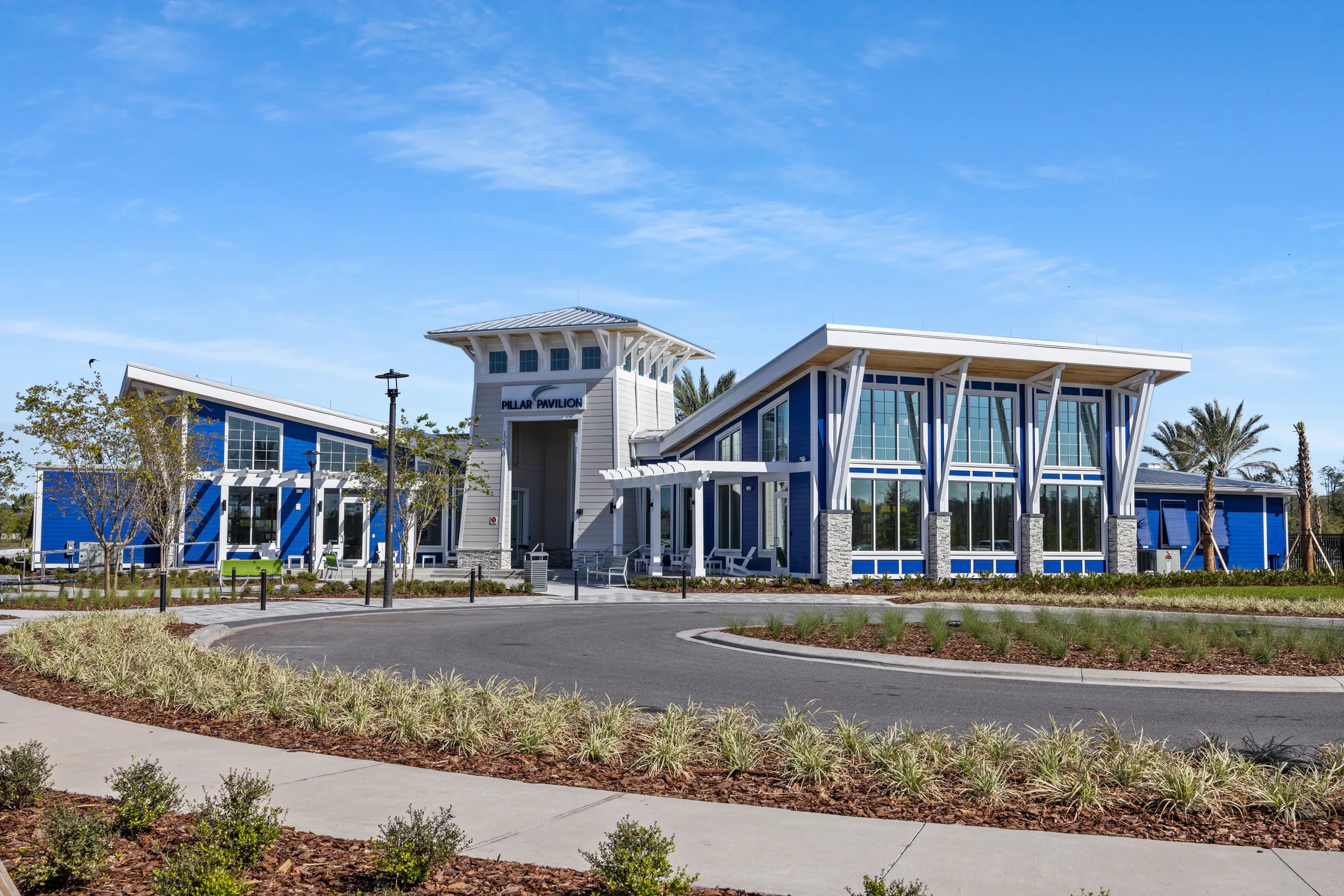
- Storefront frames of the anchors and strongest in-line tenants, with signage legible. Confirm with the owner how tenant names and storefronts can appear in marketing.
- Each vacancy next to its neighbors, so a tenant rep sees what the space sits between, not just the empty suite.
- Nearby demand drivers in the wide aerial: other shopping, office buildings, busy intersections and residential streets around the site.
- Activity, when it helps: shoppers in the lot or at storefronts at a normal time, shot from a distance so no one is identifiable.
Keep the co-tenancy story current. If a tenant shown in the photos closes, update the gallery. A prospect who tours and finds a different center than the photos showed stops trusting the rest of the package.
Light, timing and the shoot plan
Retail centers face every direction, so one time of day rarely suits every facade. A common plan looks like this:
- Shoot the main storefront line when the sun is on it, choosing the time by which way the center faces.
- Fly aerials on a typical weekday, when the parking field looks naturally active but not packed.
- Add a dusk set when signage is lit. Pylon signs, glowing storefronts and lit parking make a strong hero image, especially for restaurant and entertainment tenants.
- Coordinate with property management on exterior lights, cart corrals, dumpster gates and any landscaping work scheduled that week.
Drone work over an active center follows FAA Part 107 and any airspace authorization the location needs, and flight paths are planned to avoid flying over people. Delivery timing is confirmed at booking. The finished set works across listing platforms; our guide to preparing photos for LoopNet, CoStar and Crexi covers image order and hero choice. JRP's commercial real estate photography covers retail, office, industrial and mixed-use properties across Central Florida and Central Texas.
A retail gallery that shows the road, the way in and the neighbors lets a tenant decide whether a site is worth a visit before the first call. Ready to book? Call or text (689) 600-2131 or get in touch.