Couples, corporate planners and families rarely book an event venue without studying its photos first. Most of them shortlist from a website, a listing on a venue directory and a social feed long before they schedule a tour. If the images only show the room on its best-decorated night, or only show it empty, the planner is left guessing about the one thing they need to know: will their event fit here, and will it look good?
This guide is for owners and sales managers of wedding venues, event barns, ballrooms, rooftop spaces and private dining rooms across Orlando, Tampa Bay, Central Florida, Austin and San Antonio. It covers what a booking-focused set includes, how to plan the shoot around your calendar and how to use the images once you have them.
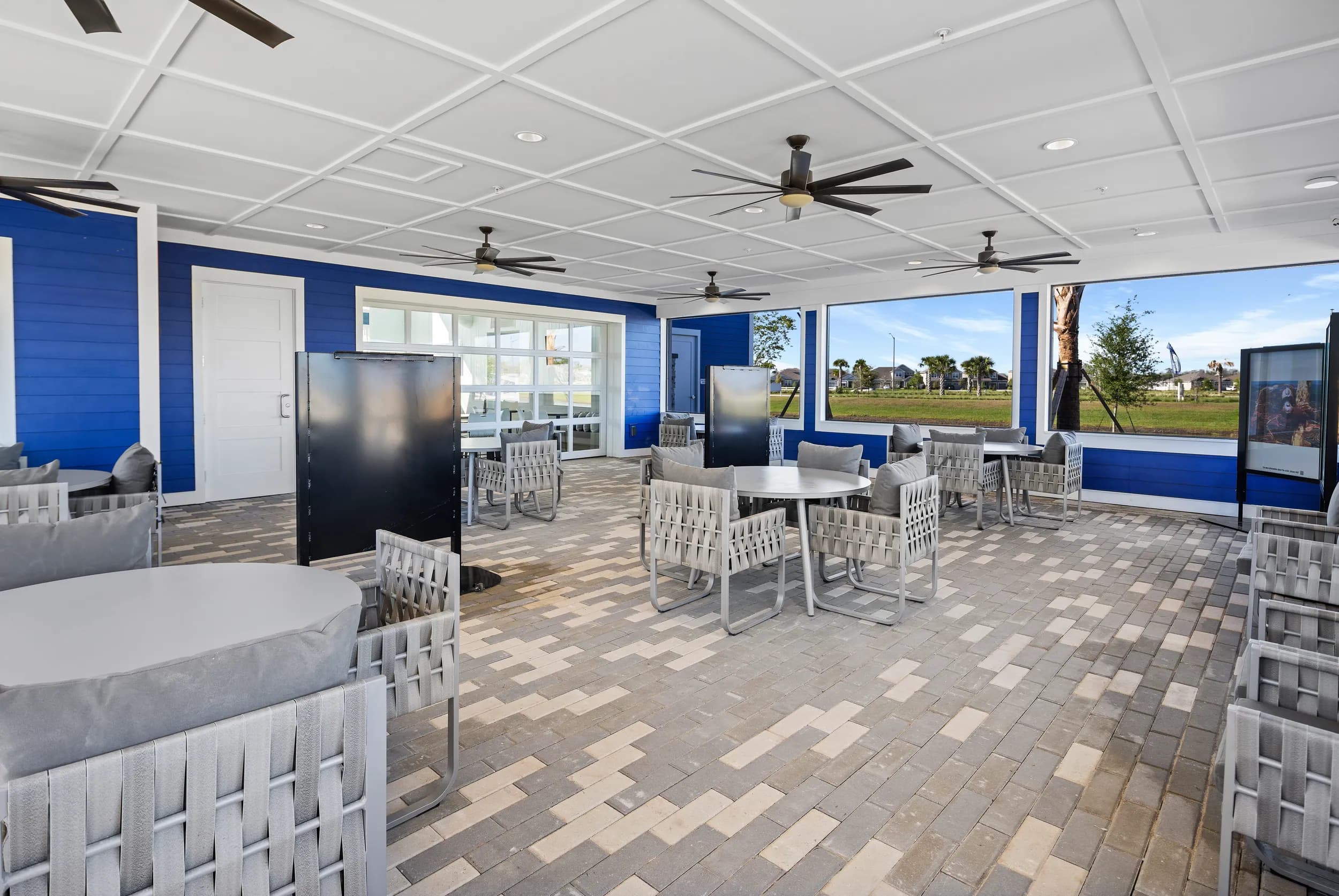
Show the room two ways: empty and set
The single most useful thing a venue can do is photograph the main spaces both bare and dressed. Each version answers a different question.
- Empty rooms show the architecture, the floor, the ceiling height, the windows and the doors. Planners use them to imagine their own design, and they prove nothing is hiding behind the draping.
- Set rooms show what the space becomes. A ceremony setup, a seated dinner and a cocktail layout each help a different client picture their day.
Shoot the empty version from the same corners you will later use for the set version. Matching angles let a planner compare the two directly, and they make the gallery feel organized instead of random.
Capacity layouts planners can trust
Planners and couples want to know how a room handles their guest count. Photography can show that honestly, without relying on a number in a brochure:
- Common configurations. Banquet rounds, long family-style tables, theater seating for a ceremony or presentation, and a standing reception with high-tops.
- The full footprint. A wide frame from a high corner, plus an overhead from a balcony or a drone where the room and the airspace allow it, shows where the dance floor, the bar, the stage and the buffet fit together.
- Flow between spaces. Many venues move guests from a ceremony lawn to a cocktail patio to a reception hall. A frame at each threshold shows how short and easy that walk is.
Keep the setups realistic. If a layout only works with the bar moved outside, don't photograph it as though it were standard. A planner who tours the room and finds it tighter than the photos suggested is unlikely to book.
Grounds, exteriors and the evening light
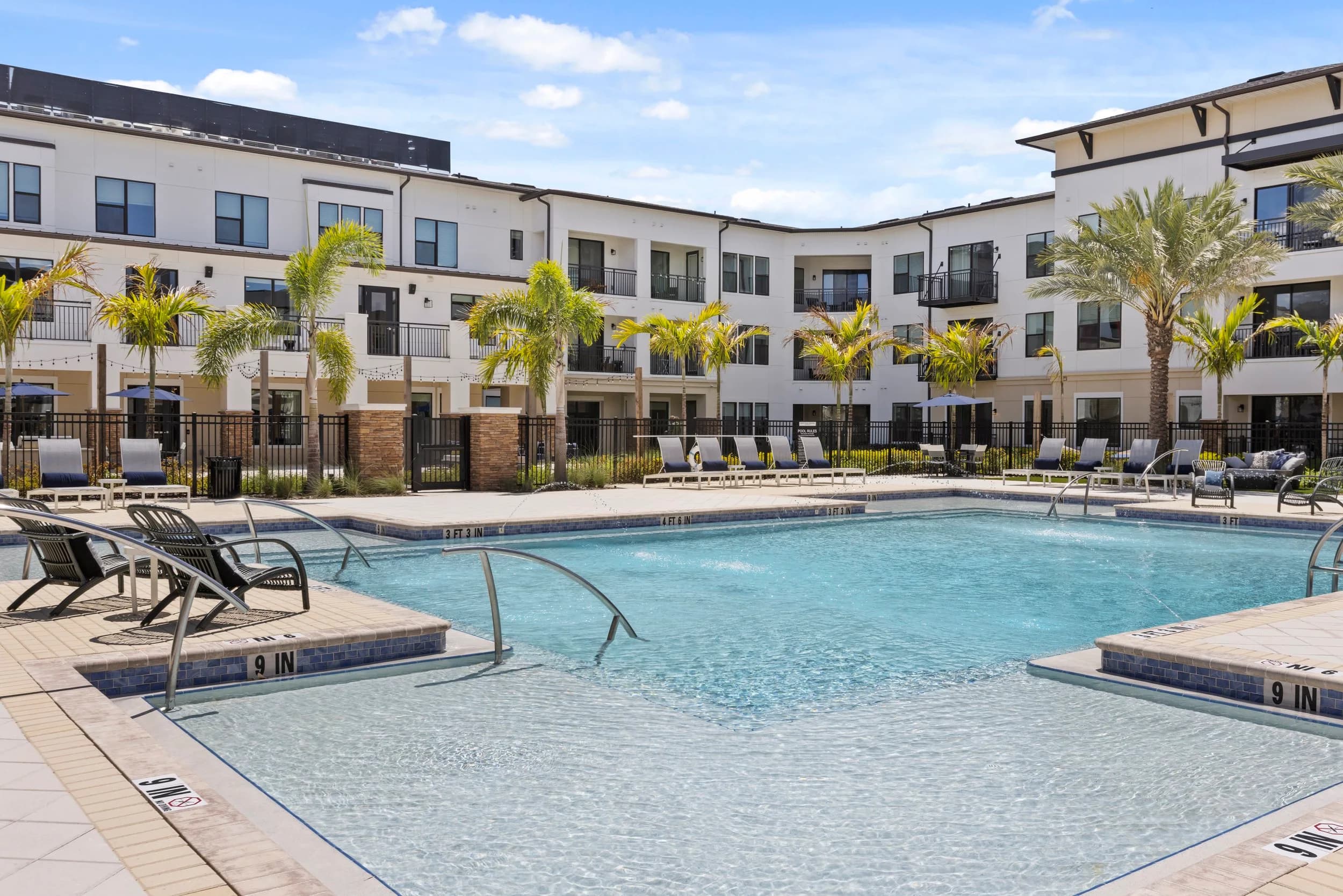
For many venues, the outdoor setting is what sells the date. Gardens, oak canopies, lakefronts and Hill Country views deserve their own coverage:
- Ceremony sites photographed from the guest side and from behind the couple, so both the aisle and the backdrop read.
- Approach and arrival. The drive, the entry gate, parking and the first view guests get of the building.
- Aerials that place the venue in its setting: the size of the property, the water, the trees and how secluded it feels. Our guide to drone photos versus drone video helps decide which format suits your marketing.
- Dusk. Most receptions happen in the evening, so the moment the string lights come on and the sky still has color is the image planners remember. Schedule a session that starts shortly before sunset and continues until the lights take over.
Planning the shoot around your calendar
Venues are busiest exactly when they look best, so the shoot needs a plan:
- Pick an open weekday between events, when the grounds are freshly maintained and the rooms are clean.
- Borrow a real setup. If a client's event is styled the day before, ask their permission to photograph the finished room before guests arrive. Get written consent from the client and their designer or florist before using the images, and credit the vendors.
- Stage your own layouts. For the configurations you rent most, set them with your house linens, chairs and lighting so the images show what is included rather than one couple's custom décor.
- Decide on people. A few staff or models in the frame can add life and scale, but empty rooms date more slowly. Our post on people in property photos covers the trade-offs.
Delivery timing is confirmed at booking, so if a bridal show or a directory deadline is coming, mention it when you schedule.
Putting the images to work
A well-organized set gives the sales team a gallery for every inquiry. Group the images by space and by configuration on your website, so a corporate planner can jump straight to theater seating while a couple goes to the ceremony lawn. Use the same matching angles on directory listings, and keep a short video walk-through for inquiries from people who can't tour in person. Venues that sit inside a hotel or resort have extra considerations, which our post on hotel, resort and hospitality photography in Orlando covers.
Plan to refresh the set whenever something meaningful changes: a renovated ballroom, new furniture, a new ceremony site or a landscaping project that has finally grown in. JRP photographs commercial and hospitality spaces, with photo, video and drone covered in one visit.
Ready to book? Call or text (689) 600-2131 or get in touch.