Scroll through luxury listings, vacation rental pages, and apartment community sites and you will notice something the standard MLS gallery never has: people. Someone in the pool. A family at the kitchen island. A couple on the lanai at sunset.
That is lifestyle photography, and it is a genuinely different product from architectural real estate photography. Knowing which one a project needs, and where the line sits, saves money and avoids some real problems.
What lifestyle photography actually does
Architectural photography answers the question what is this property. Lifestyle photography answers what is it like to live here.
The mechanics are different too. Lifestyle work involves models or willing subjects, wardrobe decisions, more setup per frame, and often a longer shoot day. It is closer to a small commercial production than to a listing shoot.
That is why it costs more, and why it is not the default.
Where lifestyle photography earns its cost
There are four categories where it consistently pays off:
Vacation rentals. Airbnb and VRBO listings compete on the promise of an experience, not square footage. A photo of the pool at golden hour with people enjoying it converts better than the same pool empty. This is probably the strongest use case in Central Florida.
Apartment and build-to-rent communities. Leasing is a lifestyle sale. Amenity photography with residents using the space is standard in the multifamily industry for a reason.
New construction community marketing. Builders selling a community rather than a single house benefit enormously from images of the amenity center, trails, and gathering spaces in use.
Agent and brand marketing. Not the listing gallery, but your own website, brochures, and social content.
Where it does not belong
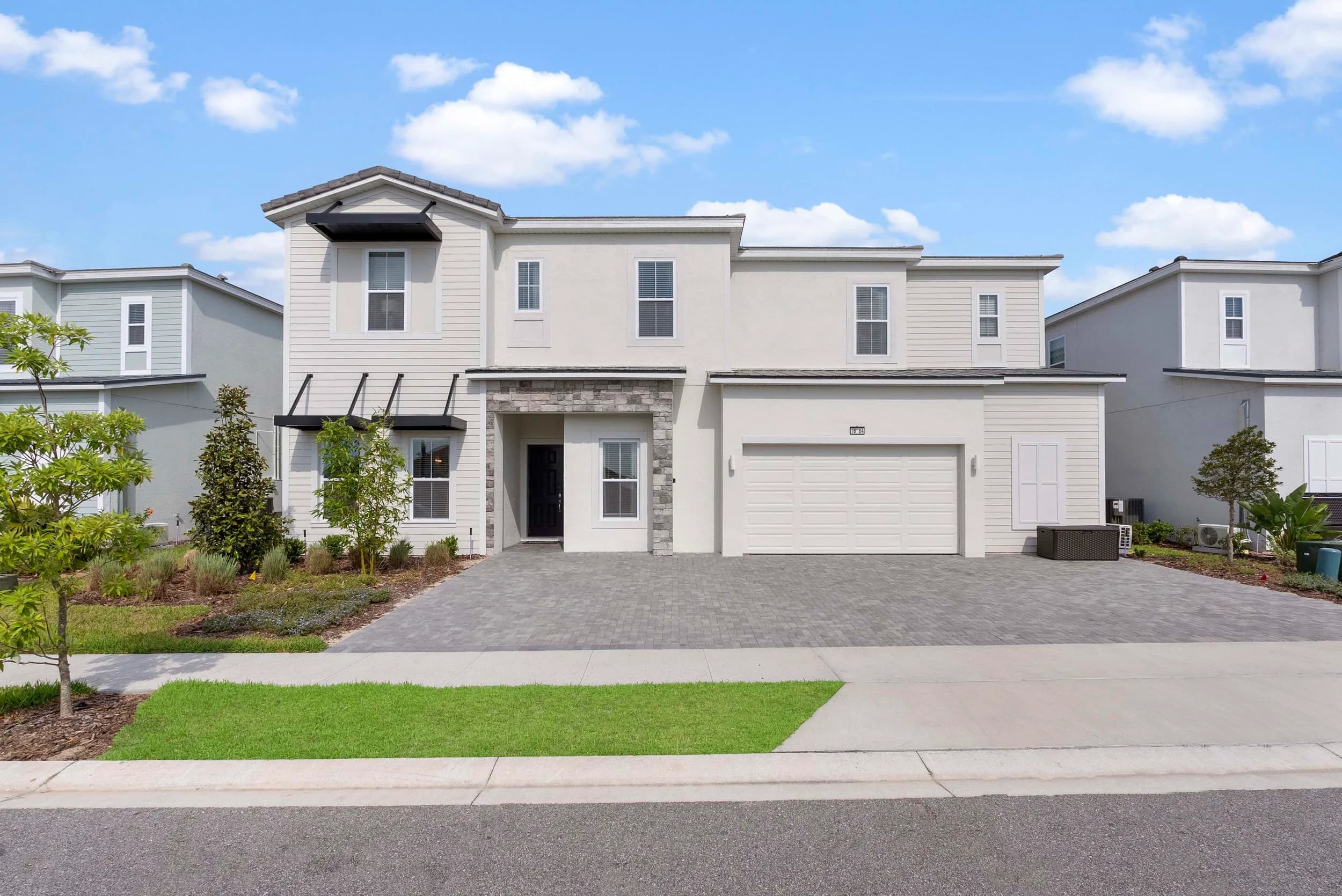
For a standard resale listing on the MLS, keep people out of the photos. There are practical reasons:
MLS rules. Many MLSs restrict or prohibit people, pets, and identifiable individuals in listing photos. Rules vary, so check yours before assuming.
It dates the images. Clothing and styling age faster than architecture. A listing gallery should be usable for the length of the listing.
It distracts. Buyers scanning a gallery are evaluating space. A person in frame draws the eye away from the room and gives no useful information about it.
It creates friction. Buyers imagine themselves in a home. Someone else already occupying the frame works against that.
The fair housing consideration
This is the part that deserves careful attention, and it is why many brokerages have blanket policies.
Under the Fair Housing Act, marketing cannot indicate a preference for or against protected classes. Photographs are marketing. A gallery that consistently shows one demographic of people can be read as signaling who the property is intended for, even when nobody intended that.
The practical guidance most brokerages follow:
Keep people out of MLS listing photos entirely
For community and lifestyle marketing where people are used, ensure the imagery reflects a broad and inclusive range of people
Never use imagery that suggests a community is for or not for any particular group
Run community marketing campaigns past your broker or compliance contact
This is not a reason to avoid lifestyle photography. It is a reason to plan it deliberately rather than casually.
Releases and permissions
If identifiable people appear in images used for marketing, you need a model release. This applies to:
Hired models
Residents who agreed to be photographed
Staff and employees
Anyone recognizable in an amenity shot
For amenity photography at apartment communities, the usual approach is signage posted during the shoot window plus signed releases from anyone featured prominently. Incidental background figures who are not identifiable are lower risk, but the safest gallery is one where you have documentation for every recognizable face.
Also worth noting: the release covers the person, not the property. Separate permission is still needed for private spaces.
A middle path: implied lifestyle
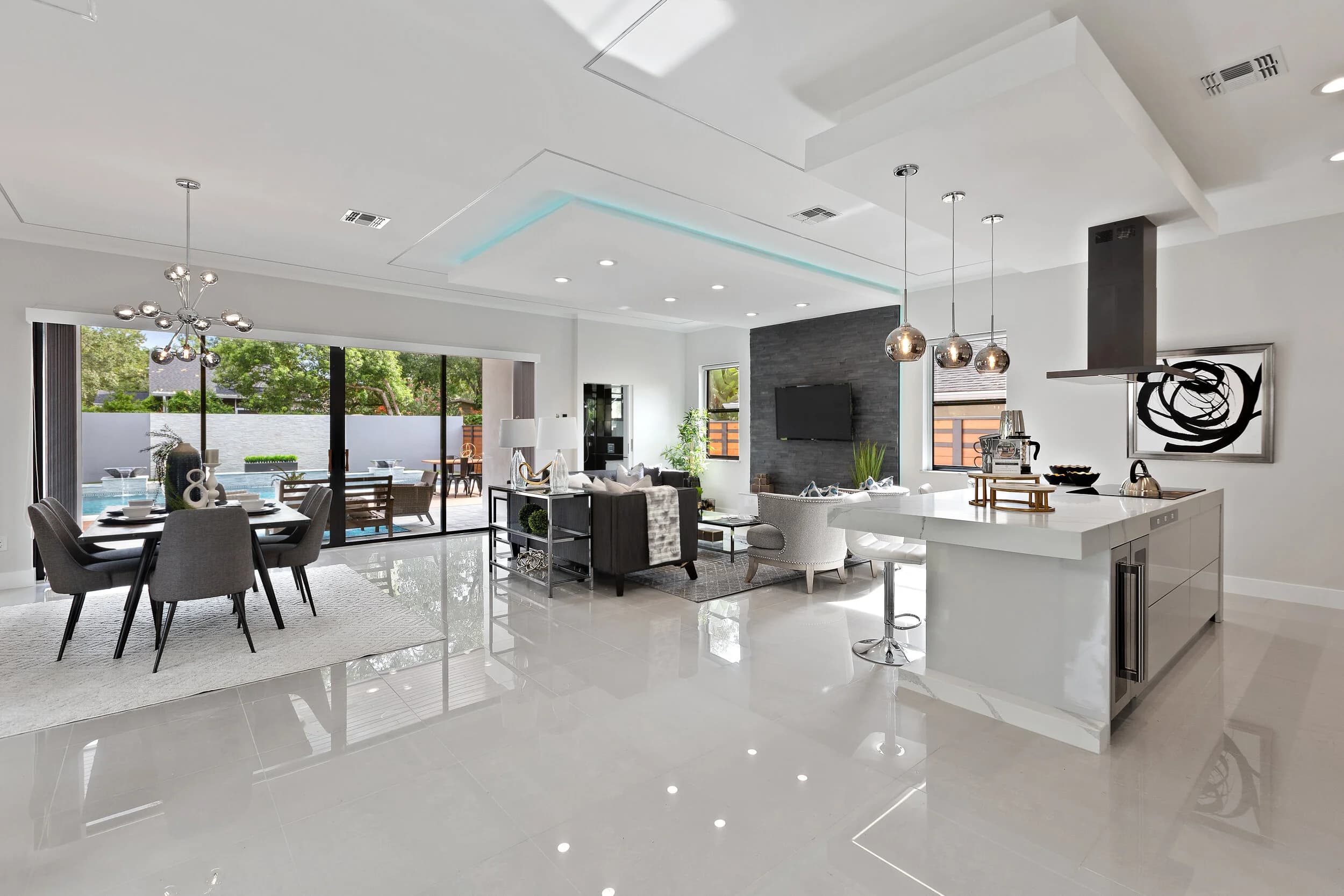
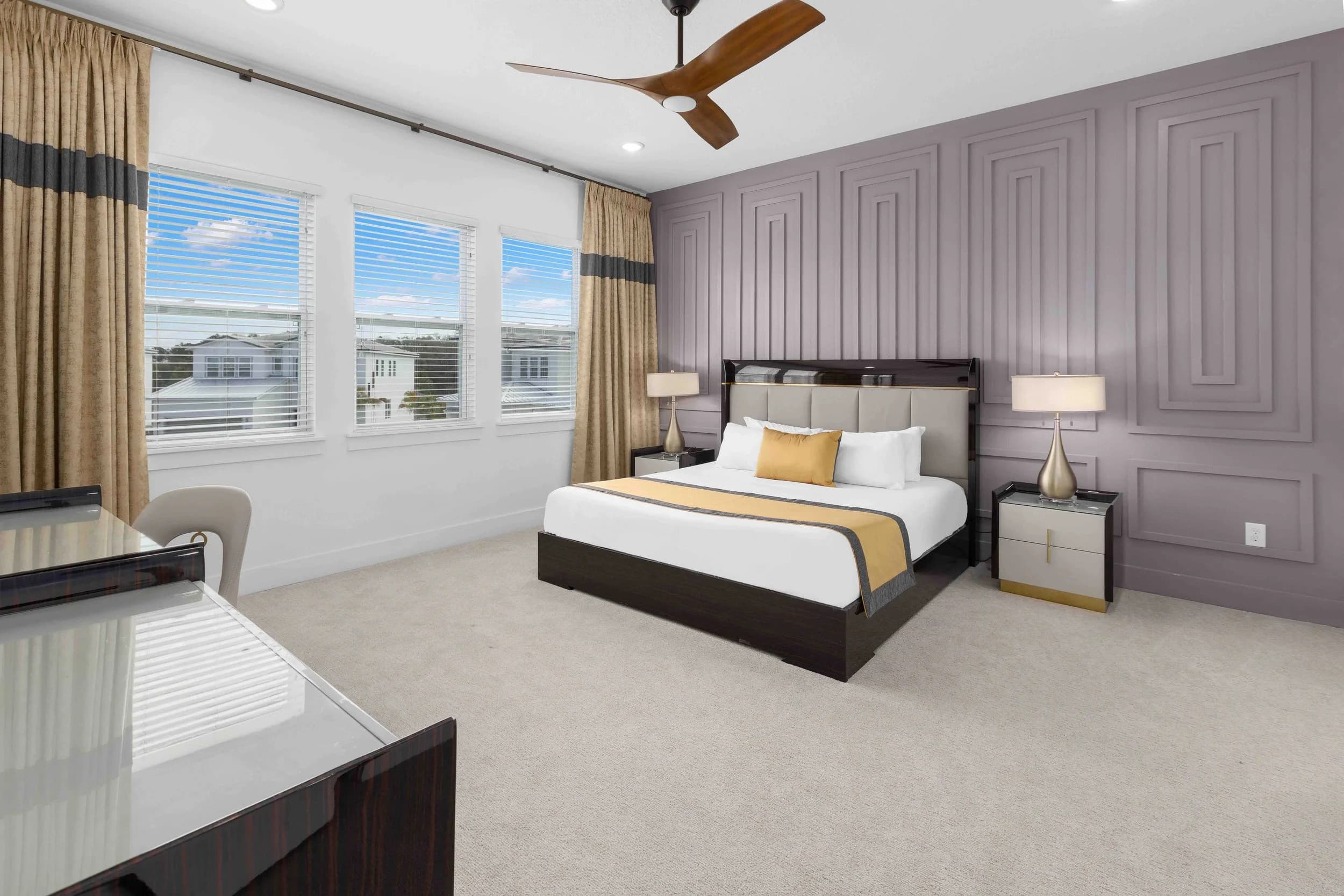
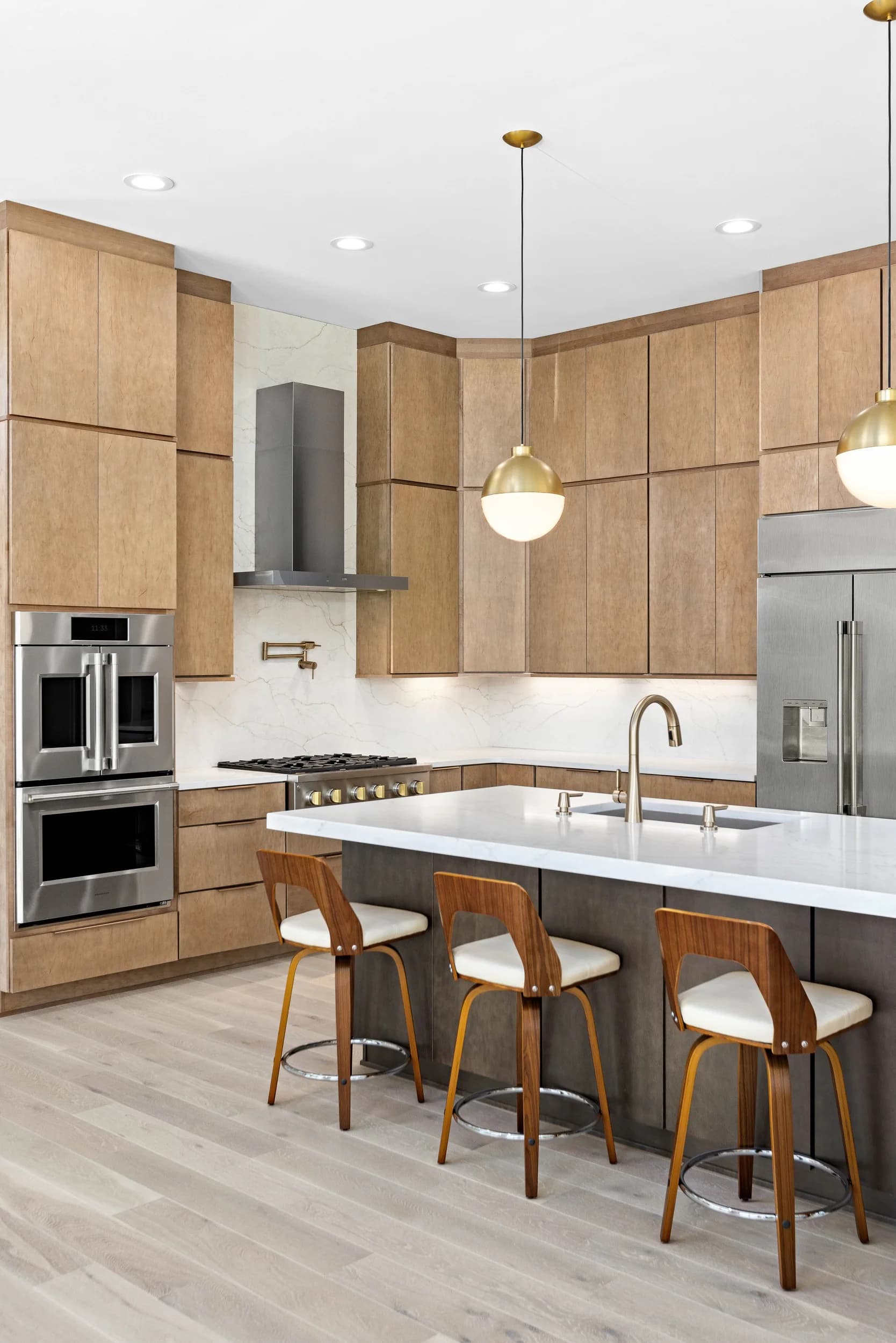
There is a version of this that gets most of the emotional benefit with none of the complications, implied lifestyle. No people, but evidence of life:
Two glasses and a bottle set on the lanai table at twilight
A towel and open book on a lounge chair by the pool
A set table in the dining room
Fresh flowers, a bowl of citrus, an open cookbook
This is standard practice in high-end real estate photography, it is fully MLS-safe, it does not date quickly, and it costs almost nothing beyond a little styling time on shoot day. For most Orlando and Tampa listings, this is the right answer.
How to brief the shoot
If you do commission lifestyle work, decide these things in advance:
Which specific frames need people, and how many
Whether models are being hired or residents are participating
Who handles releases
Where the images will be used, and for how long
Whether you also need clean, people-free versions of the same frames for MLS use
That last item is the one most often forgotten. Shooting both versions on the same day is cheap. Going back later is not.
Ready to plan a lifestyle or listing shoot? Get in touch or call us. We serve Orlando, Tampa Bay, Central Florida, and Central Texas.