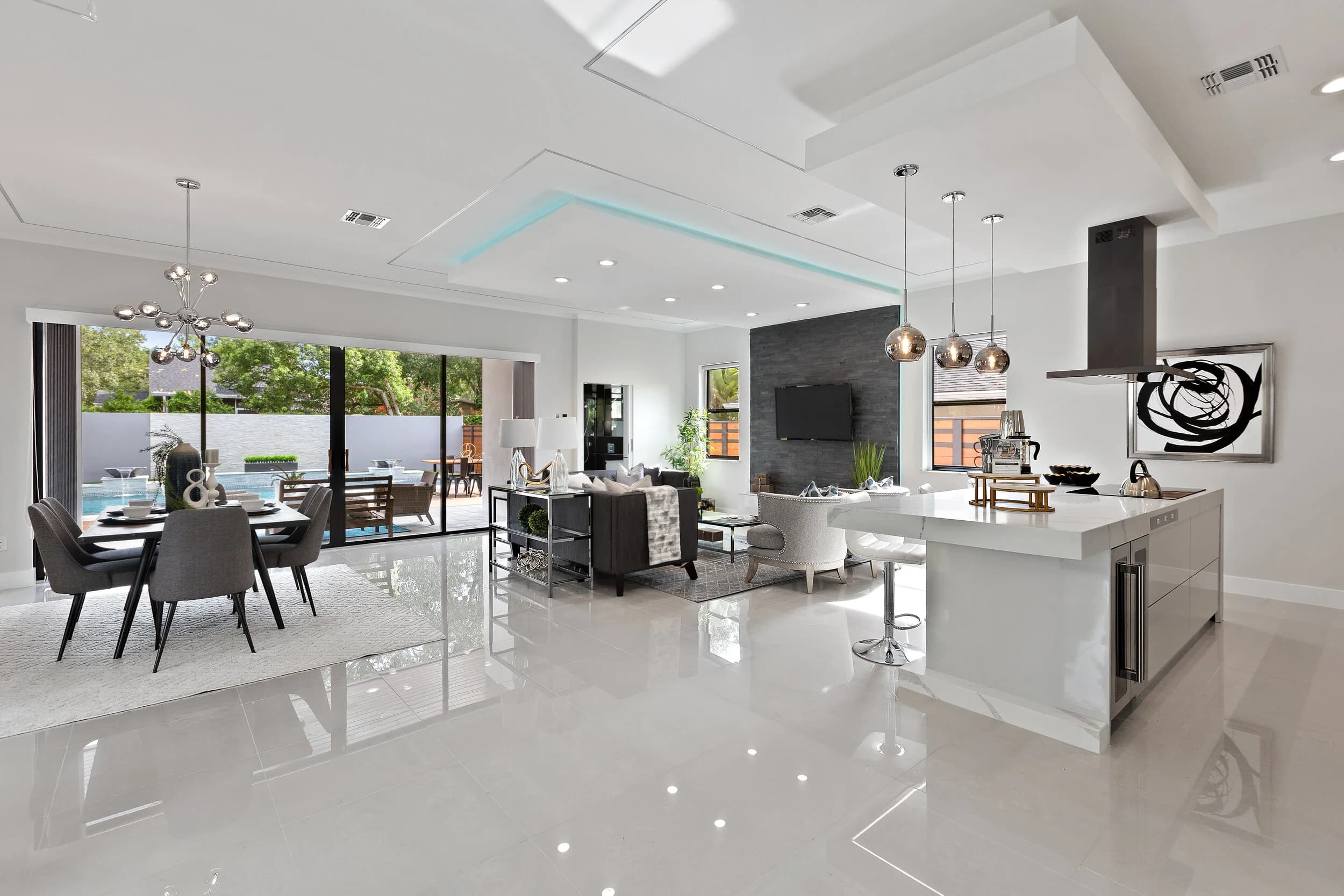
An open house is a marketing event that happens to take place inside a house. The directional signs on the corner are the last step of the plan, not the plan itself.
Treat the Week Before as the Actual Campaign
Attendance is decided in the five or six days before the doors open, not on Sunday morning. During that window a buyer either sees the home enough times to put it on a list, or they never learn it exists. That means the assets have to be finished and staged before the first post goes out.
The practical implication for scheduling in a market like Orlando or Tampa Bay, where weekend open houses stack up against each other: work backward from the open house date, not forward from the listing agreement. A Sunday open house promoted starting Tuesday needs photos delivered by Monday, which means shooting the previous week. Booking the shoot for Thursday and hoping is how open houses end up promoted with one exterior phone photo.
The Five Assets That Do the Work
You do not need a dozen deliverables. You need a small set that covers the channels where people actually decide to show up.
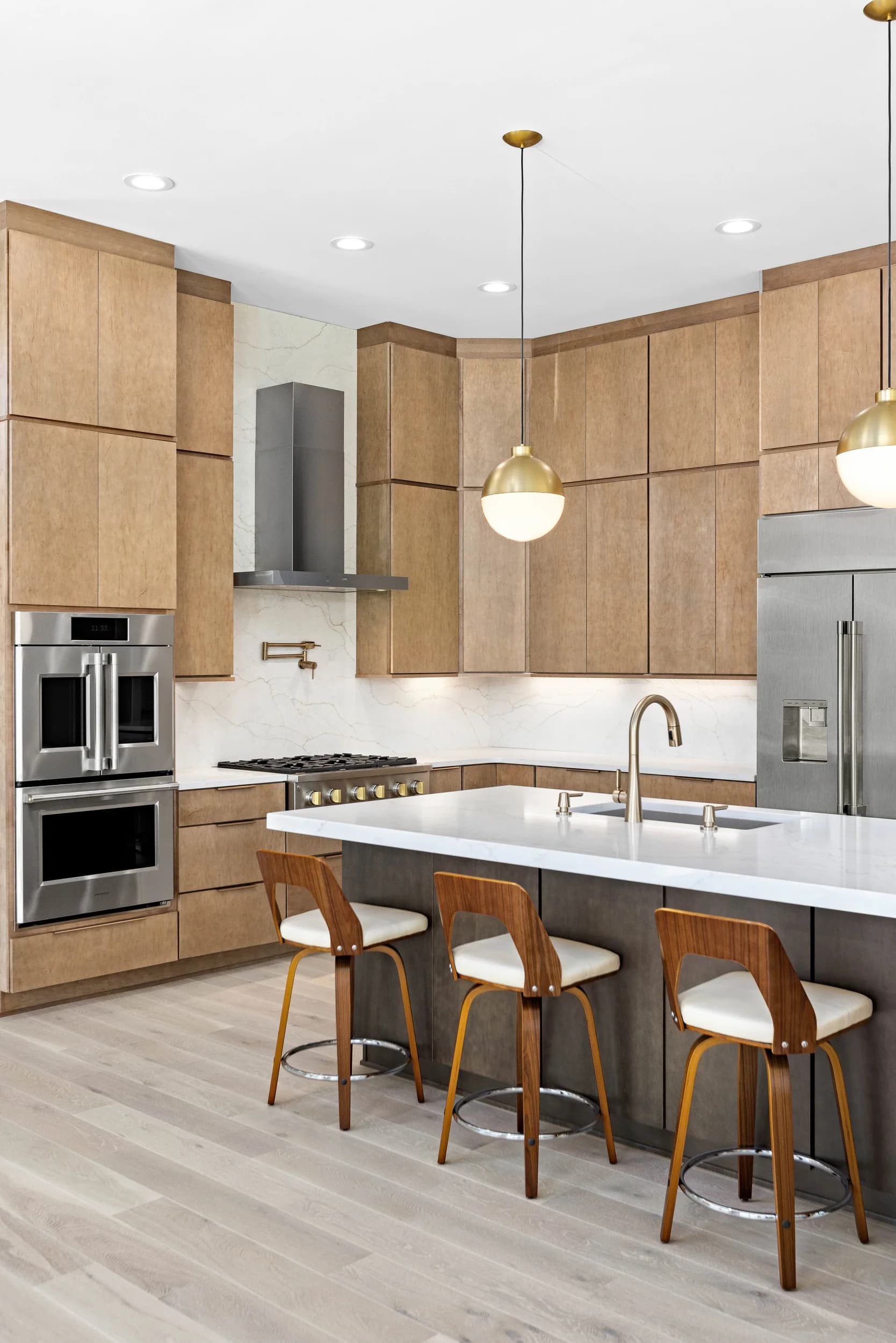
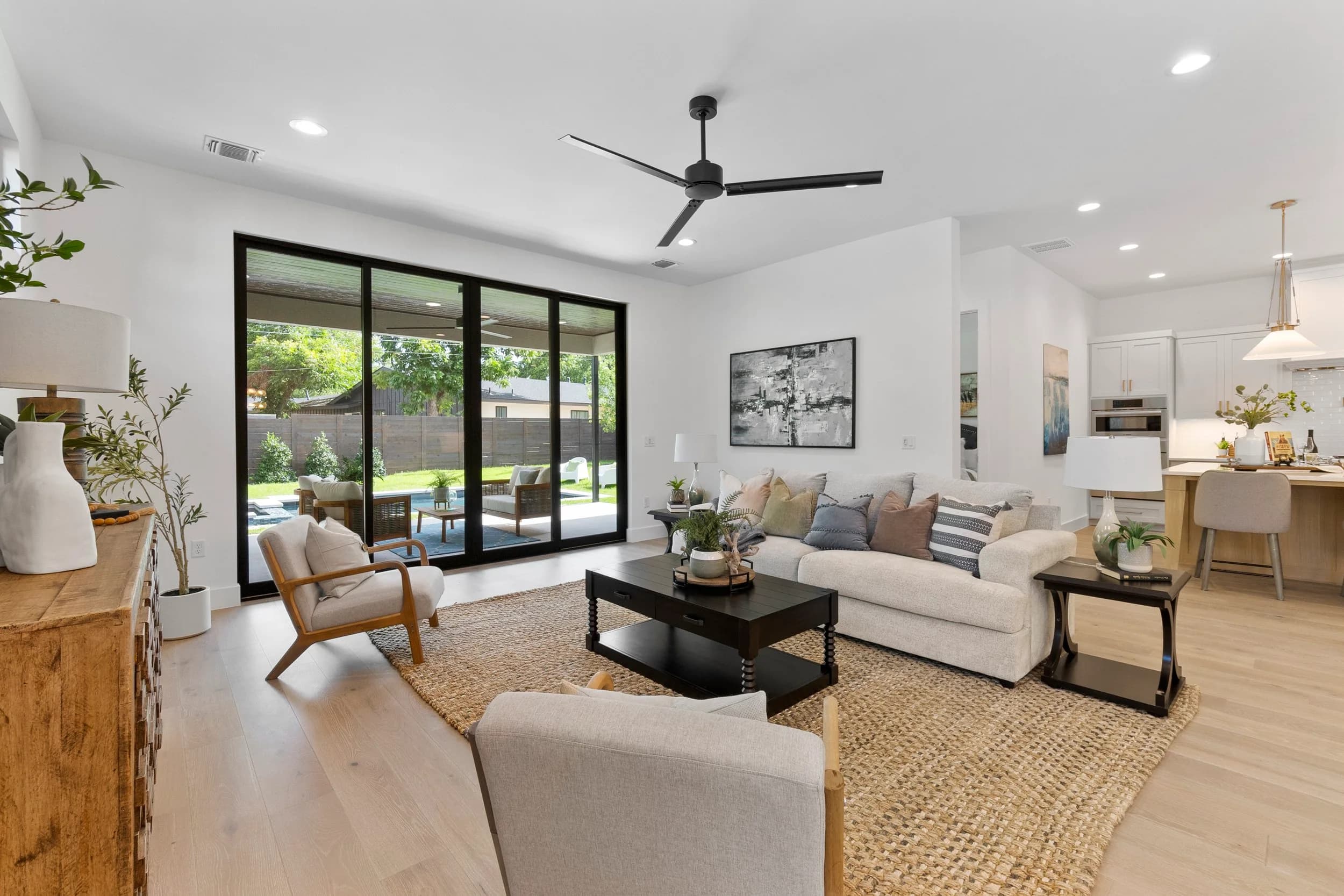
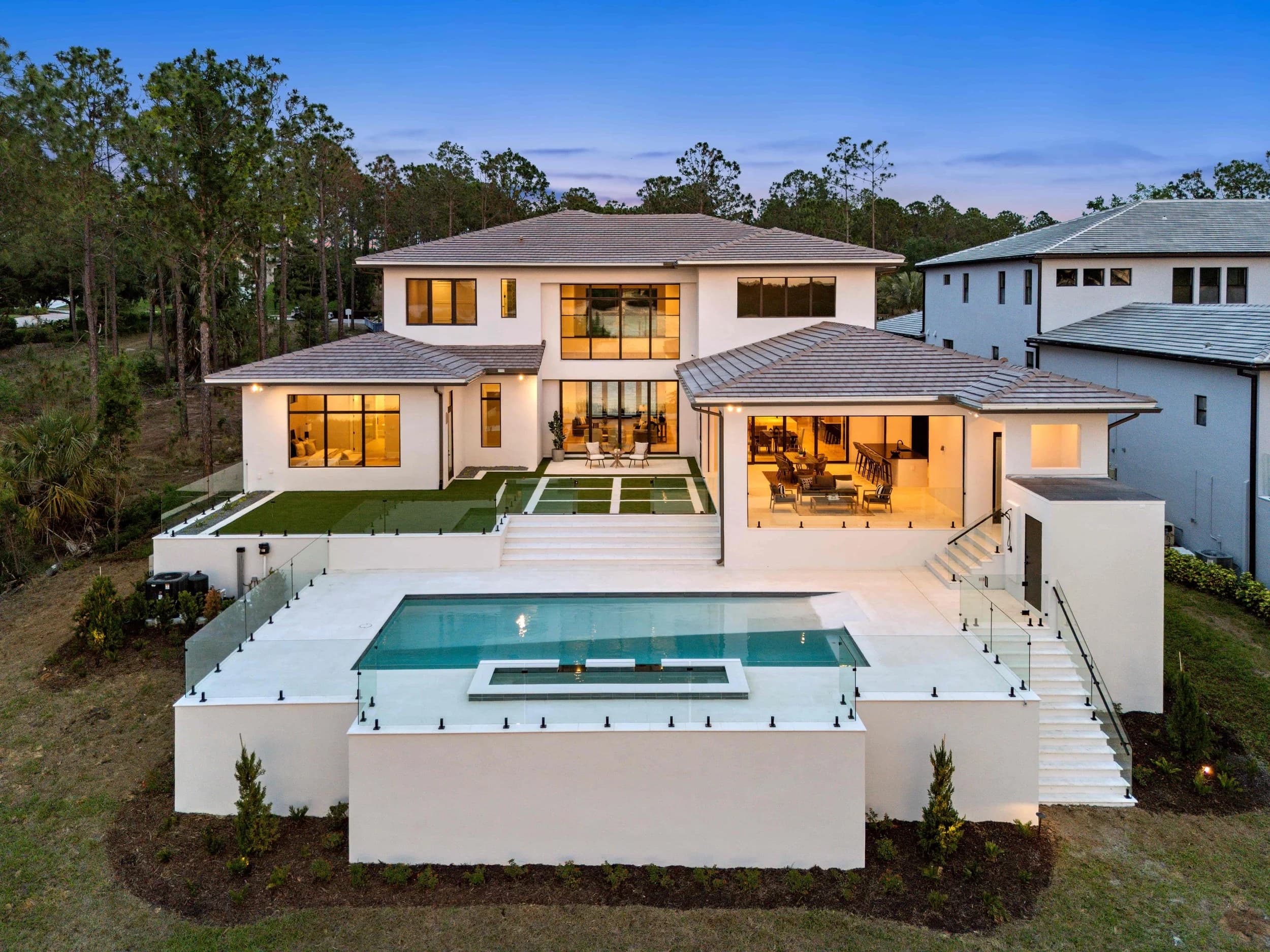
One hero image. A single frame that carries the post. Usually the best exterior, the main living space, or the strongest feature — a pool deck, a kitchen island, a lake view. It should be the image that makes someone stop scrolling, and it should be recognizable when they pull up to the curb.
A 15 to 30 second vertical teaser. Shot or cut for 9:16, opening on the strongest interior move, with the date and time on screen in the first two seconds. This is the asset most agents skip and the one that travels furthest on Instagram and Facebook.
A printed feature sheet. People take paper home. A single well-designed page with four to six photos, the essential specs, a floor plan if you have one, and your contact information does more follow-up work than anything you say at the door.
Signage and directional pieces. Corner signs, a rider, and a sign in front of the home. Photograph-driven signage helps at the curb, but legibility matters more than beauty — a driver has about two seconds.
A QR code to the 3D tour. Print it on the feature sheet, on a small card by the front door, and on the sign rider if your brokerage allows it. Visitors scan it, walk the Matterport tour again that night, and share it with the spouse who could not come.
Sequencing the Promotion Across the Week
A single post the night before does almost nothing. A short sequence does considerably more, and it costs nothing but planning.
Five to six days out. Announce the listing itself with the hero image and full gallery. No open house language yet — this is the "new on market" moment and it gets the best organic reach.
Three to four days out. Post the vertical teaser with the open house date and time. This is the piece worth putting a small ad budget behind, geofenced to the surrounding zip codes and the feeder neighborhoods buyers actually move from.
Two days out. A detail-focused post: the primary bath, the outdoor kitchen, the garage workshop, whatever the differentiator is. Different image, same call to action.
The day before. A reminder with logistics. Address, time window, parking notes, and the tour link for people who cannot attend.
Morning of. A short story or reel from inside the house — doors open, lights on. This is the one piece of content that has to be shot the same day.
Email and direct outreach run in parallel. Send the gallery link to your database, to the agents who have shown comparable homes recently, and to anyone who toured a similar property in the last month.
What to Shoot at the Open House Itself
The open house is also a content shoot for the two weeks afterward. Not the marketing photos — those are already done — but the human material that keeps the listing visible.
A short walkthrough on your phone, narrated, talking through what people ask about most. This becomes the follow-up post if the home does not sell that weekend.
Detail shots you noticed on the day. Light hitting the stairwell at 2 p.m., the backyard at golden hour, the way the kitchen reads when it is full of people.
Ambient footage of an active house. Used carefully and without identifiable faces, a room with people moving through it signals interest.
Notes, not just photos. Which room people lingered in, which question came up four times. That tells you what the next post should be about, and sometimes it tells you the gallery needs a reshoot of one room.
The Gallery Has to Be Live Before Promotion Starts
This is the rule that gets broken most often. If you post the teaser on Tuesday and the MLS listing is still in "coming soon" with two photos, every person who clicks through hits a dead end and does not come back on Sunday.
Before the first promotional post: the full gallery is uploaded and ordered, the 3D tour link works on a phone, the video is uploaded and playable, and the floor plan is attached. Portals also lag — syndication from the MLS out to consumer sites can take a day or more, so a listing entered Monday night may not be fully visible everywhere until Wednesday. Build that lag into the calendar rather than discovering it Saturday.
An open house with good assets and a thought-out week draws people who already know what the house looks like and came anyway. That is a different visitor than the neighbor who saw a sign.
Ready to book? Get in touch or call us — we serve Orlando, Tampa Bay, and Central Texas.