A price reduction is an announcement, and most agents make it silently. The price field changes, the portals push a small alert, and the same gallery that failed to sell the home for six weeks goes back out to the same audience.
A Reduction Re-Exposes You to People Who Already Passed
When a price drops, portals notify saved searches and the listing resurfaces in feeds. That is a second impression on an audience that mostly saw the home the first time and decided against it.
If the photos are identical, those buyers see the same gallery, remember their original objection, and move on. The reduction reads as a discount on something they already rejected rather than a reason to look again. Nothing about the presentation gives them a new reason to open the listing.
That does not mean every reduction needs a reshoot. It means the reduction is the moment to ask an honest question: was the price the problem, or was the marketing?
Diagnose Before You Spend
Look at the listing's own numbers before booking anything.
High views, low showings. People are finding the listing and declining to visit. That is usually a photo or price problem, and if comparable homes are selling at similar prices, it is a photo problem.
Low views, few showings. A reach problem. The gallery may be fine and the price, exposure, or syndication is the issue.
Good showings, no offers. The photos are working — buyers are arriving. Something at the house or the price is stopping them, and new photos will not fix it.
Feedback that mentions surprise. If showing feedback repeatedly says the home felt smaller, darker, or different than expected, the gallery is overselling and creating disappointment at the door.
Only the first and last cases point clearly at photography.
What Actually Changed Since the First Shoot
Sometimes a reshoot is justified by the house rather than the metrics.
The season moved. A Central Florida listing photographed in July with brown, stressed grass looks different in October. A home shot before a Tampa Bay summer of afternoon storms may now have a green lawn and a cleaner roof.
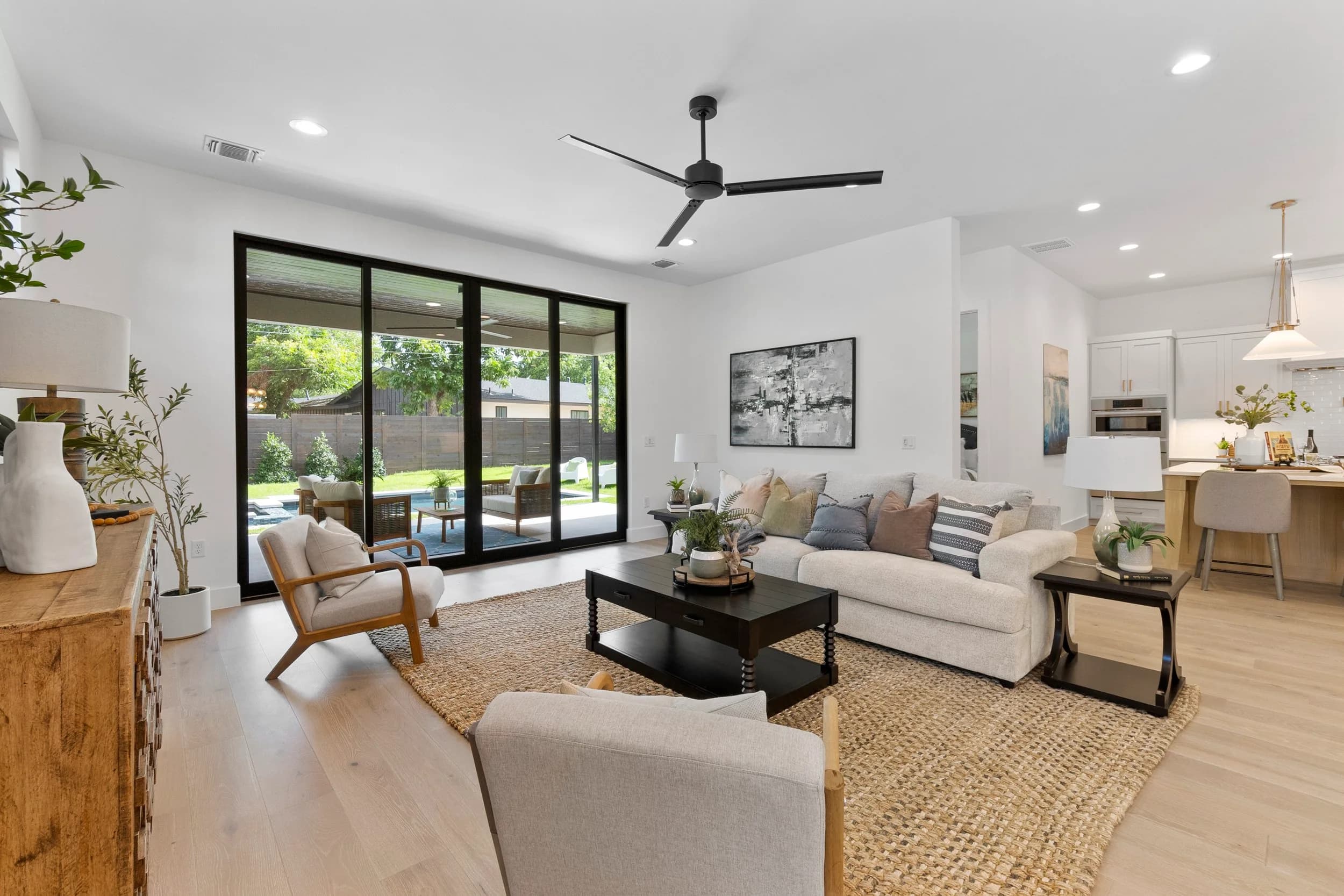
The home was staged, decluttered, or emptied. Occupied-to-vacant, or unstaged-to-staged, is a genuinely different property visually.
Work was completed. New paint, new flooring, a repaired ceiling, a resurfaced pool deck. If a buyer objection was addressed, the gallery should show it.
The original shoot was compromised. Rushed, overcast, mid-renovation, or missing rooms. Everyone knows when this is true.
The Middle Option Most Agents Skip
The choice is not reshoot-everything or change-nothing. A partial refresh costs a fraction of a full session and changes how the listing presents.
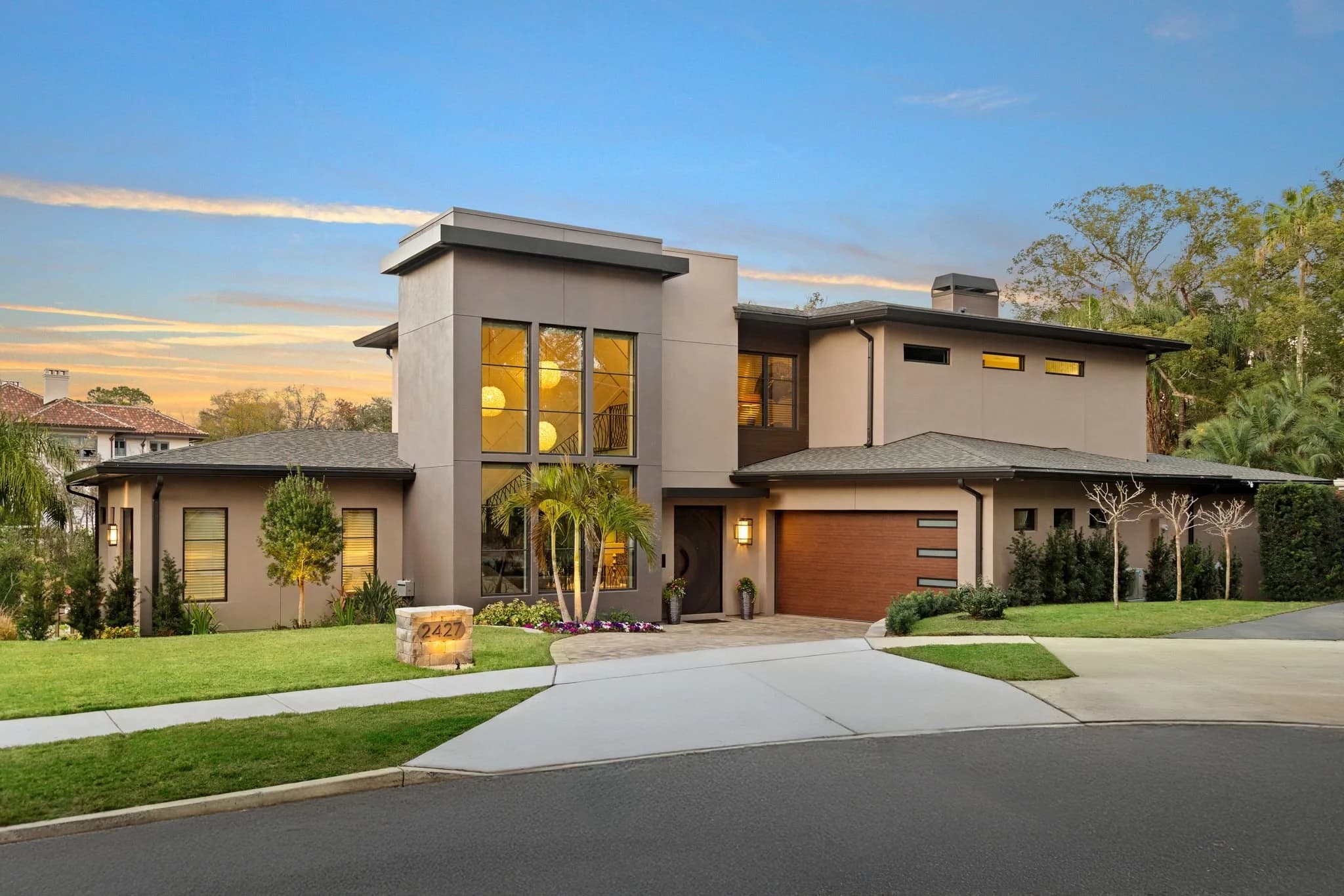
Replace the hero image. The lead photo is most of the first impression. A twilight exterior in place of a mid-day one, or a different angle on the front elevation, makes the listing look new in a feed without touching the rest of the gallery.
Add what was missing. If the first gallery had no backyard shot, no drone frame, or skipped a bedroom, add those now. Buyers notice absence more than quality.
Reorder the existing set. Free. Lead with the strongest room, put the outdoor space earlier, and make sure the sequence walks the house logically.
Add media the listing never had. A Matterport tour or a short video on a listing that only had stills is a real change, and portals often weight richer media.
Do Not Reduce the Photo Count
One thing to avoid: relisting or reducing with fewer images than before. Buyers' agents check history, and a shorter gallery reads as concealment. If anything, a reduction is the moment to add coverage, not trim it.
Sequence the Reduction and the Refresh Together
If you are going to refresh the photos, do it before the price change, not after. The reduction is the alert that pushes the listing back into feeds; you want the new images already live when that alert goes out. Shooting a week later means the second impression was wasted on the old gallery.
Practically, that means booking the refresh as soon as the reduction conversation starts with the seller, so the new set is delivered and uploaded on the day the price changes. In Orlando and Tampa Bay, three to five business days of lead time is usually enough to pick your conditions.
A price reduction spends the seller's money. Making sure the listing looks different when it lands in front of buyers again costs comparatively little, and it is the difference between a discount and a relaunch.
Ready to book? Get in touch or call us — we serve Orlando, Tampa Bay, and Central Texas.