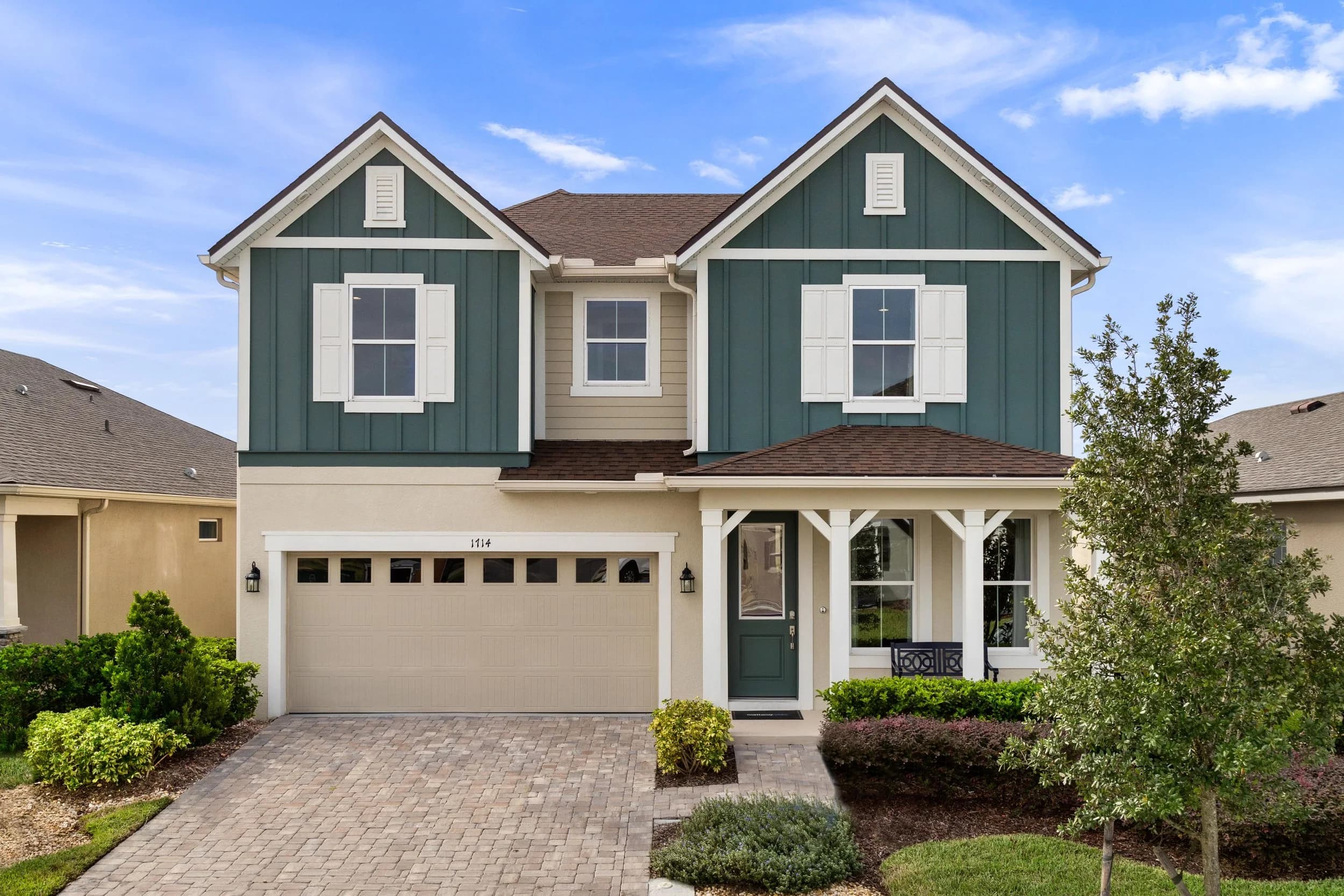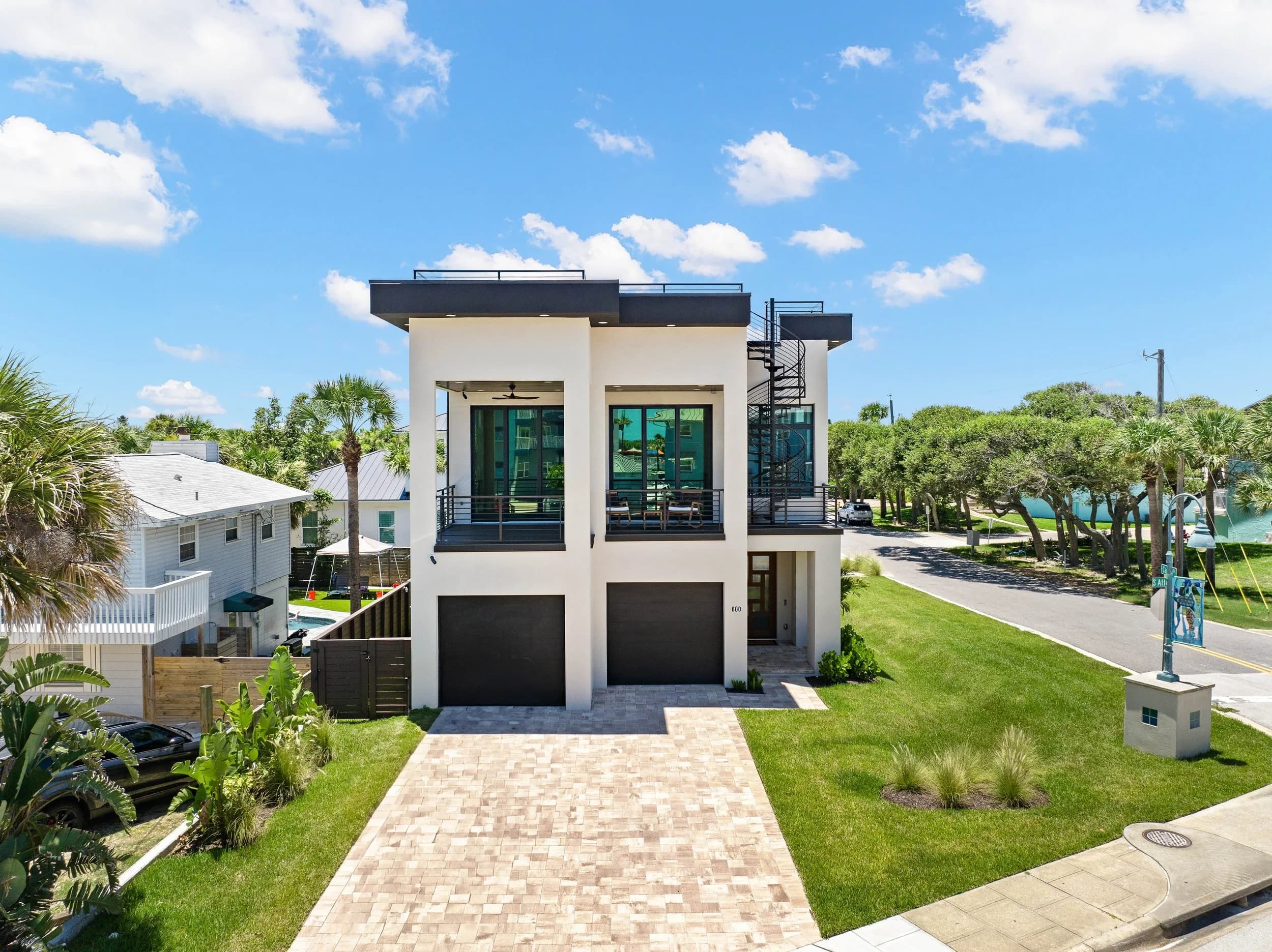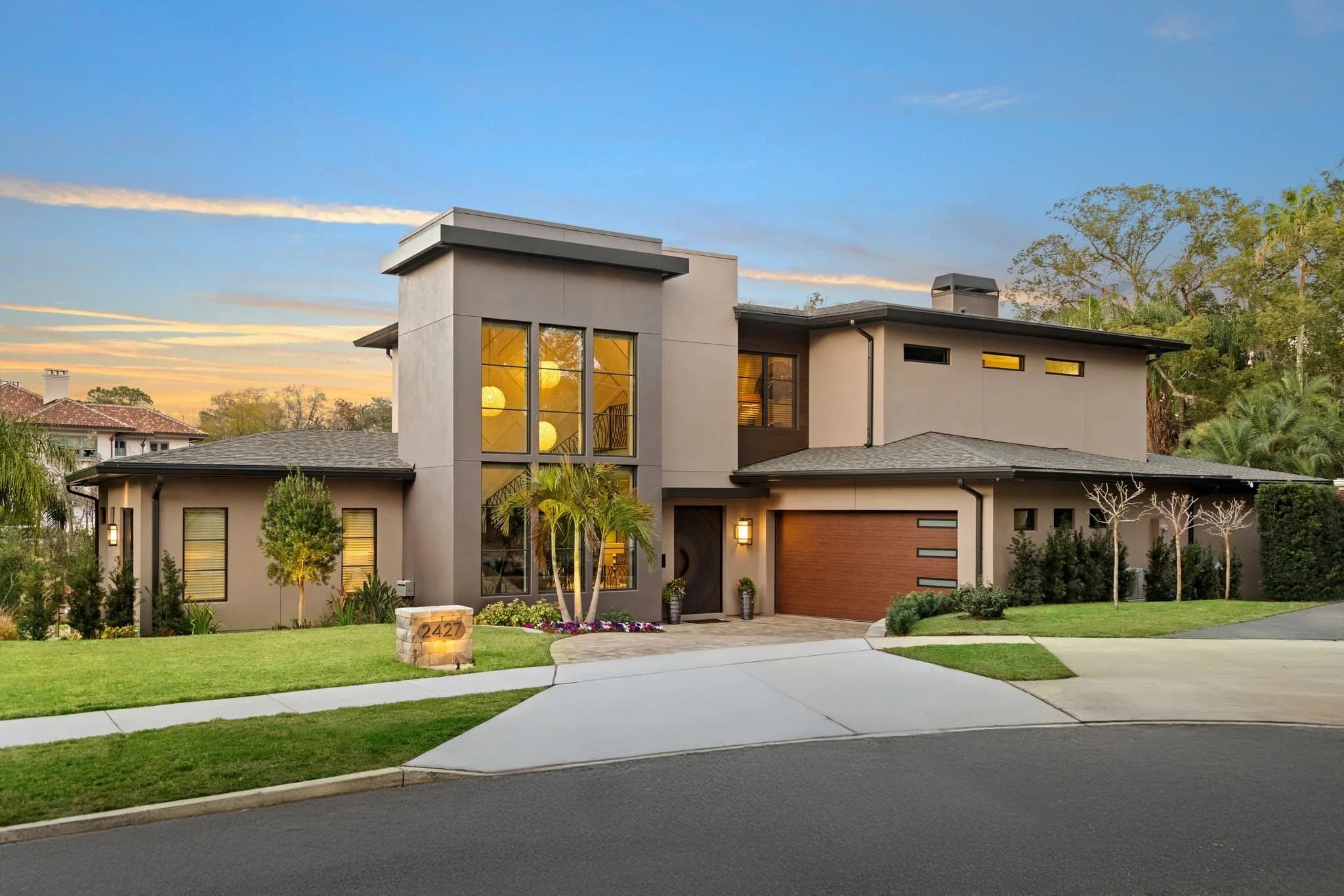
Short answer: the research says yes for most price points, with a measurable dollar figure attached. But the honest version of that answer has some important caveats your sellers deserve to hear.
What the Research Actually Found
The most-cited study on this is Redfin’s analysis of listing photography, which compared homes shot with professional DSLR cameras against homes shot with amateur equipment. The findings:
Homes listed between $200,000 and $1 million sold for $3,400 to $11,200 more relative to their list price when photographed professionally
Homes in the $400,000 range sold about three weeks faster and for more than $10,000 relative to list price
Listings with the sharpest 10% of photos sold at or above list price 44% of the time, versus 13% for listings with average-sharpness photos
Above $1 million, professionally photographed homes sold at prices similar to those with amateur photos
Separately, VHT Studios reported that professionally photographed homes sold roughly 32% faster.
Those numbers get quoted constantly in this industry, usually without context. Here’s the context.
The Caveats Nobody Mentions
The core study is over a decade old. Phone cameras have improved enormously since it was run. The gap between a modern smartphone and a professional camera is smaller than it was, though as anyone who has tried to shoot a dim living room against a bright lanai can tell you, it hasn’t closed.
Correlation isn’t causation. Agents who invest in professional photography also tend to price more carefully, stage more often, market more aggressively, and work in higher-demand segments. Some of that $11,200 belongs to the agent, not the camera. Any photographer who quotes the number without saying so is selling you something.
The luxury finding is the interesting one. Above $1 million, the study found no meaningful price advantage, almost certainly because virtually every listing at that level already uses professional photography. There is no amateur control group left. Professional photography at that price point isn’t an advantage; it’s the entry fee.
What Photos Reliably Do
Strip away the disputed dollar figures and a clearer mechanism remains. Listing photos control three things:
Whether the listing gets clicked. The primary photo is competing against every other thumbnail in a search grid. This is the only job that photo has.
Whether the buyer keeps scrolling. A gallery that runs out of information at photo eight loses people who would have booked a showing.
Whether the showing happens at all. For out-of-state buyers, a huge share of the Orlando and Tampa Bay market, the gallery is the showing until they get on a plane.
None of that requires believing a specific study. A listing nobody clicks doesn’t get offers, and offer competition is what actually moves price.
What This Means for Your Listing Presentation
When a seller asks whether photography is worth it, the strongest answer isn’t a statistic. It’s a framing:
Professional photography is a percentage of the sale price, not a flat cost. On a $450,000 listing, a $350 photo package is under one-tenth of one percent of the sale price.
The comparison isn’t photos versus no photos. It’s photos that make buyers stop versus photos that make them scroll.
The cost of one extra week on market, including carrying costs, a price reduction, and momentum lost, usually exceeds the entire media budget.
That last point lands with sellers more than any study does.
Where the Money Actually Goes Furthest
Not every listing needs every service. If the budget is fixed, the order that tends to produce the most return:
A complete, well-lit photo gallery. Non-negotiable. This is the baseline.
One strong exterior hero image, ideally twilight if the home’s lighting supports it. This is your thumbnail.
Aerial stills when the lot, the water, or the surroundings are part of the value.
A floor plan, which costs little and prevents wasted showings.
Video and 3D, which earn their place on luxury, unusual, or relocation-heavy listings.
Adding a fifth service to a listing that still has a weak primary photo is the most common misallocation we see.
The Honest Bottom Line
Professional photography almost certainly helps, the effect is real, and the studies point in a consistent direction. But treat the dollar figures as directional rather than precise, and be skeptical of anyone quoting them as a guarantee.
The defensible claim is simpler: buyers decide whether to click in about a second, and that decision is made entirely on an image. That’s worth doing well regardless of what any study says.
Ready to book? Get in touch or call us. We serve Orlando, Tampa Bay, and Central Texas.