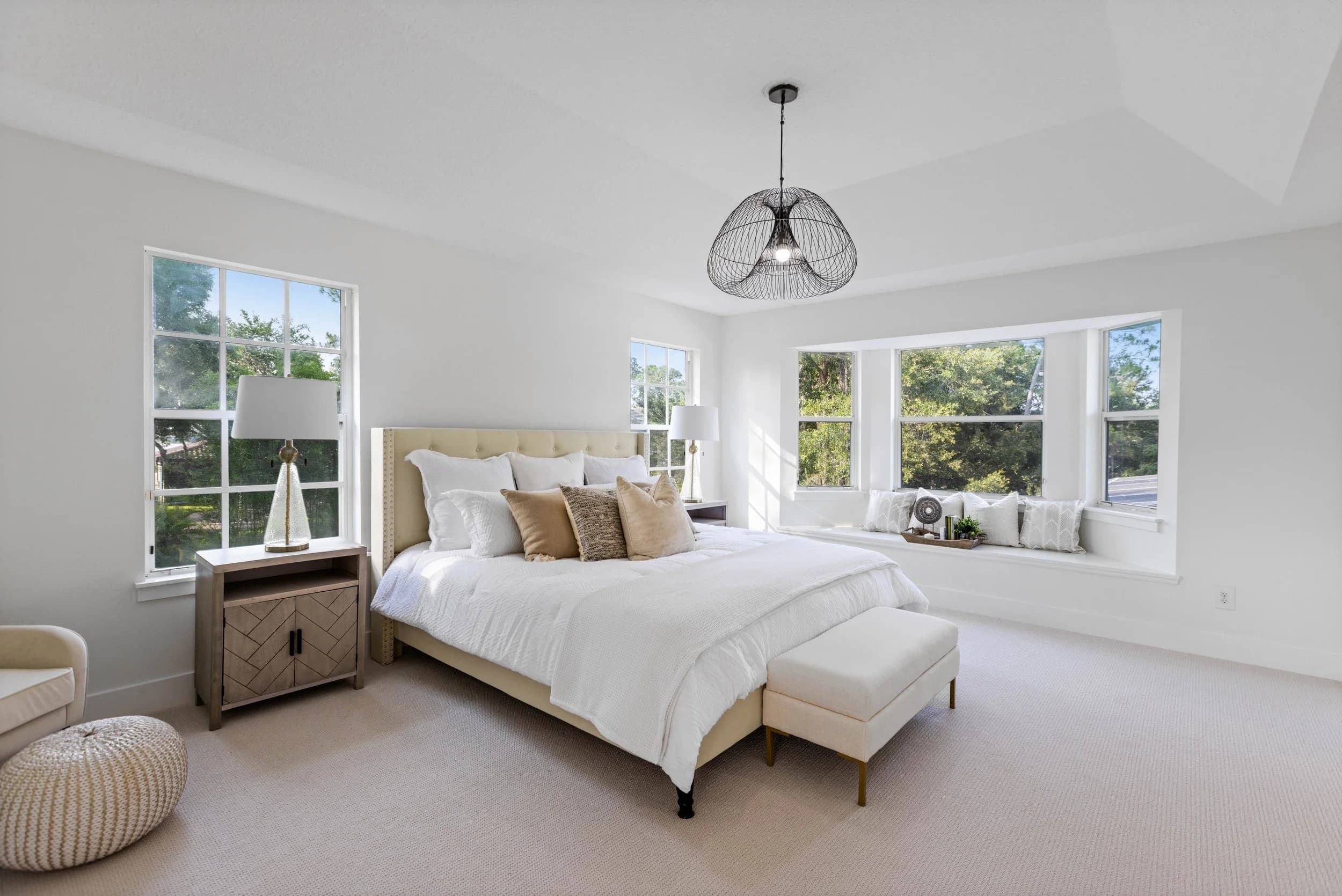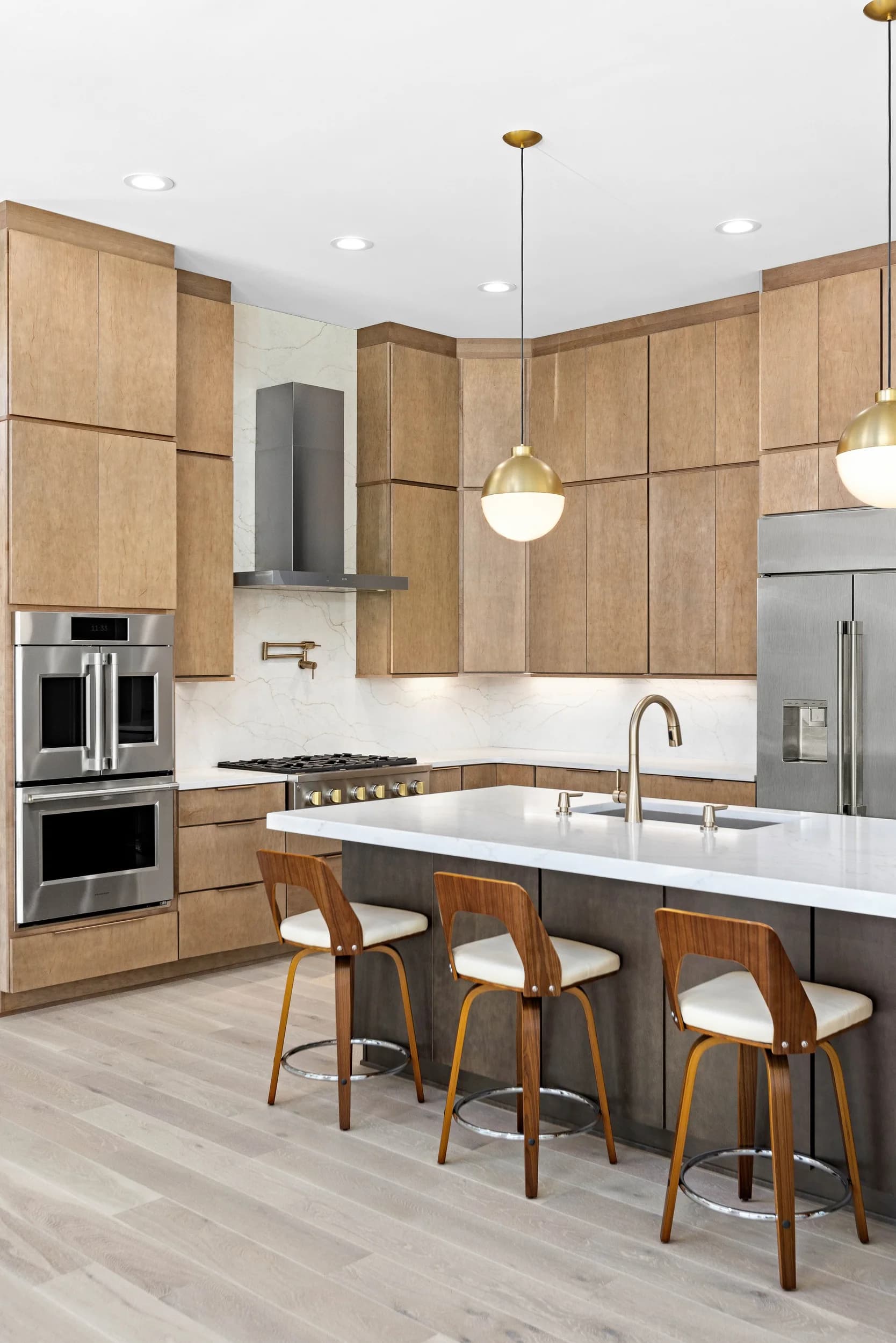
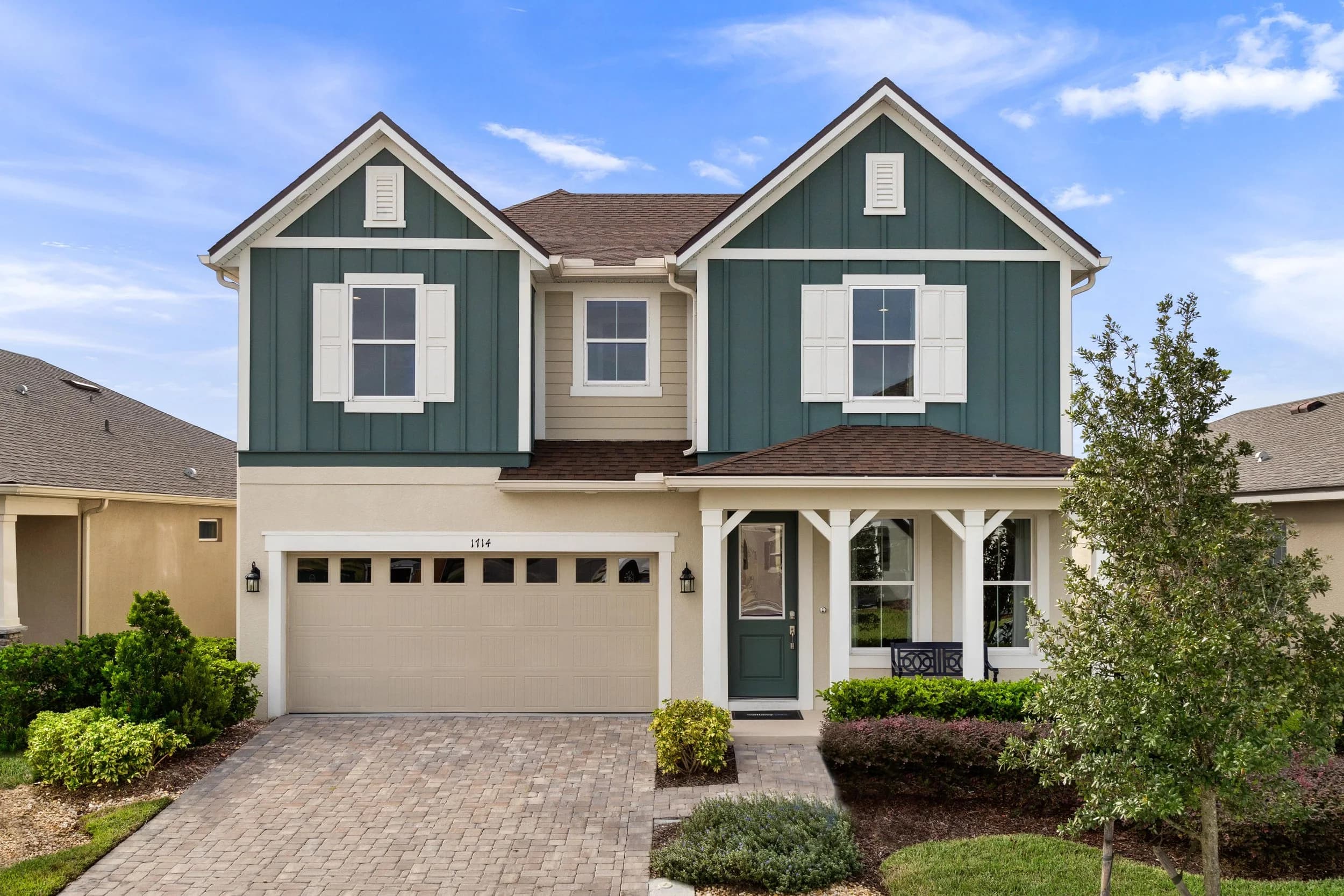
A listing expires, sits too long, or comes back after a failed contract. Before it goes live again, one question decides how the second run performs: do you reuse the original photos, or shoot it fresh?
The Default Answer Is Yes, Reshoot — Here’s Why
When a home relists with the same gallery, buyers who saw it the first time recognize it instantly. Portals surface price and status history, and repeat shoppers scroll their saved searches. Identical images signal that this is the house that didn’t sell, which is the exact impression you’re trying to escape.
New photography does something a price reduction alone can’t: it gives the listing a genuinely different first impression. Same house, different presentation, different reaction.
That said, reshooting isn’t automatic. Here’s how to decide.
Reshoot If Any of These Are True
The season changed. This is the most common and most overlooked trigger. A Central Florida home photographed in February and relisted in August looks wrong — the light angle is different, the landscaping has filled in, and summer skies read differently than winter ones. A December listing with a wreath on the door relisting in May is worse.
The home is now vacant, or newly occupied. Furniture removal changes every interior shot. Empty rooms photograph completely differently, and an empty-room gallery paired with staged photos confuses buyers when they walk in.
It was staged, and the staging is gone. Or the reverse: the seller finally staged it. Either way the interiors no longer match.
Anything was updated. New paint, new flooring, a refreshed kitchen, a new roof, replaced landscaping. If the seller invested money to improve the home’s showing and the photos don’t reflect it, that investment is invisible online.
The original photos were weak. Be honest here. If the first gallery had dim interiors, tilted verticals, cluttered counters, a fisheye look, or fewer than 20 images, the photography may have contributed to the home sitting. A relist is the moment to fix it.
The listing sat more than 60 to 90 days. At that point enough of the active buyer pool has already seen and dismissed the gallery that a refresh has real value.
You Can Probably Reuse If All of These Are True
The relist is happening within a few weeks, in the same season
Nothing about the home or its furnishings has changed
The original photography was genuinely strong — well-lit, straight, complete coverage
The listing came back for a reason unrelated to marketing, like financing falling through on an otherwise well-received home
Even then, consider a partial refresh: a new twilight exterior, a drone pass, or a 3D tour added to the existing gallery. It gives you a fresh lead image and new content to promote without the cost of a full reshoot.
What a Relist Reshoot Should Change
If you’re going back, don’t just recreate the first gallery. Use what you learned.
Lead with a different hero image. If the front exterior led the first time, try a twilight shot, the pool, or the kitchen. The thumbnail is the single highest-leverage image in the listing.
Reorder the sequence. Buyers scroll in order. Put the home’s best three rooms in the first five frames rather than following a rigid front-to-back walkthrough.
Add the media you skipped. Homes without a 3D tour or video the first time around are leaving out-of-state buyers on the table — a real factor in Orlando, Tampa, and the Texas metros, where relocation buyers shop remotely before they fly in.
Fix what the feedback flagged. If showing feedback said the yard seemed small or the layout was confusing, a drone shot of the lot and a floor plan answer those objections before a buyer ever calls.
Get a 2D floor plan if you didn’t have one. It reduces layout confusion and cuts down on unqualified showings.
Talking to the Seller About It
Sellers who just watched a listing expire are cost-sensitive, so frame it in terms of what changes. Tell them you’re going to market this as a new listing, not a repeat — a new photo set, a new lead image, and a couple of pieces you didn’t have last time, like a floor plan and a 3D tour. Buyers who passed in the spring should see something that looks genuinely different.
That’s an easier conversation than another price reduction, and it’s frequently the one that produces showings.
A Note on Timing
Coordinate the reshoot with the relist date, not before it. Photos taken three weeks early mean the yard has grown, the seasonal light has shifted slightly, and the seller has had time to un-declutter. Shoot two to four days before the listing goes live — enough time for editing and delivery, close enough that the images match what buyers walk into.
The Bottom Line
A relist is a second first impression, and you only get one of those. If the season changed, the home changed, or the original gallery was weak, reshoot. If nothing changed and the photos were strong, refresh a few key images and reorder the gallery instead. Either way, don’t relist an identical photo set and hope for a different outcome.
Ready to book? Get in touch or call us — we serve Orlando, Tampa Bay, and Central Texas.