Ask ten agents how many photos a listing needs and you’ll get ten different answers. Here’s the data-backed guidance we give agents across Orlando, Tampa Bay, and Central Florida — and why “more” isn’t always better.
The Short Answer: 25–35 Photos for Most Homes
For a typical 3–4 bedroom single-family home, 25 to 35 professional photos hits the sweet spot. That count is enough to show every meaningful space without diluting the gallery with near-duplicate frames.
Research from listing portals consistently shows engagement climbing with photo count up to roughly the 30-photo mark, then flattening. Buyers scroll, but they don’t study photo 47 of a guest bathroom. A tight, well-sequenced gallery keeps attention on the rooms that drive showings.
Photo Count by Home Size
Use square footage and room count as your guide:
Condos and townhomes under 1,500 sq ft: 20–25 photos
Single-family homes 1,500–3,000 sq ft: 25–35 photos
Larger and luxury homes 3,000+ sq ft: 35–45 photos, often with aerial and twilight shots added
Vacant land or teardowns: 10–15 photos, with drone coverage doing the heavy lifting
Luxury listings in markets like Winter Park, Windermere, and South Tampa justify the higher end because buyers expect to see outdoor living areas, views, and finishes in detail — and because those homes simply have more to show.
The Rooms That Must Be Covered
Quantity matters less than coverage. Every MLS gallery should include:
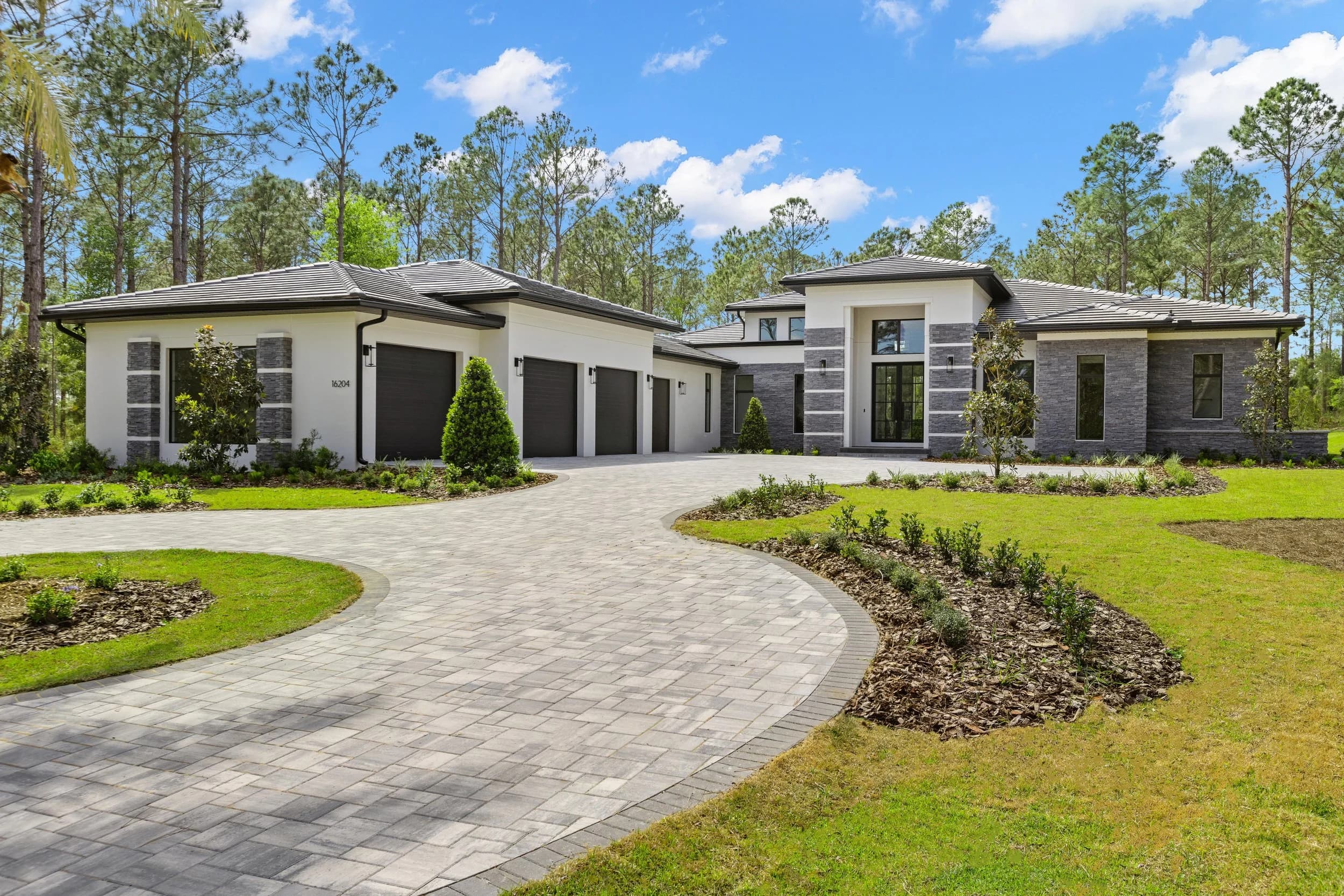
Front exterior — the money shot, ideally with clean sky and good light
Kitchen — minimum 2–3 angles; it’s the most-viewed room in nearly every listing
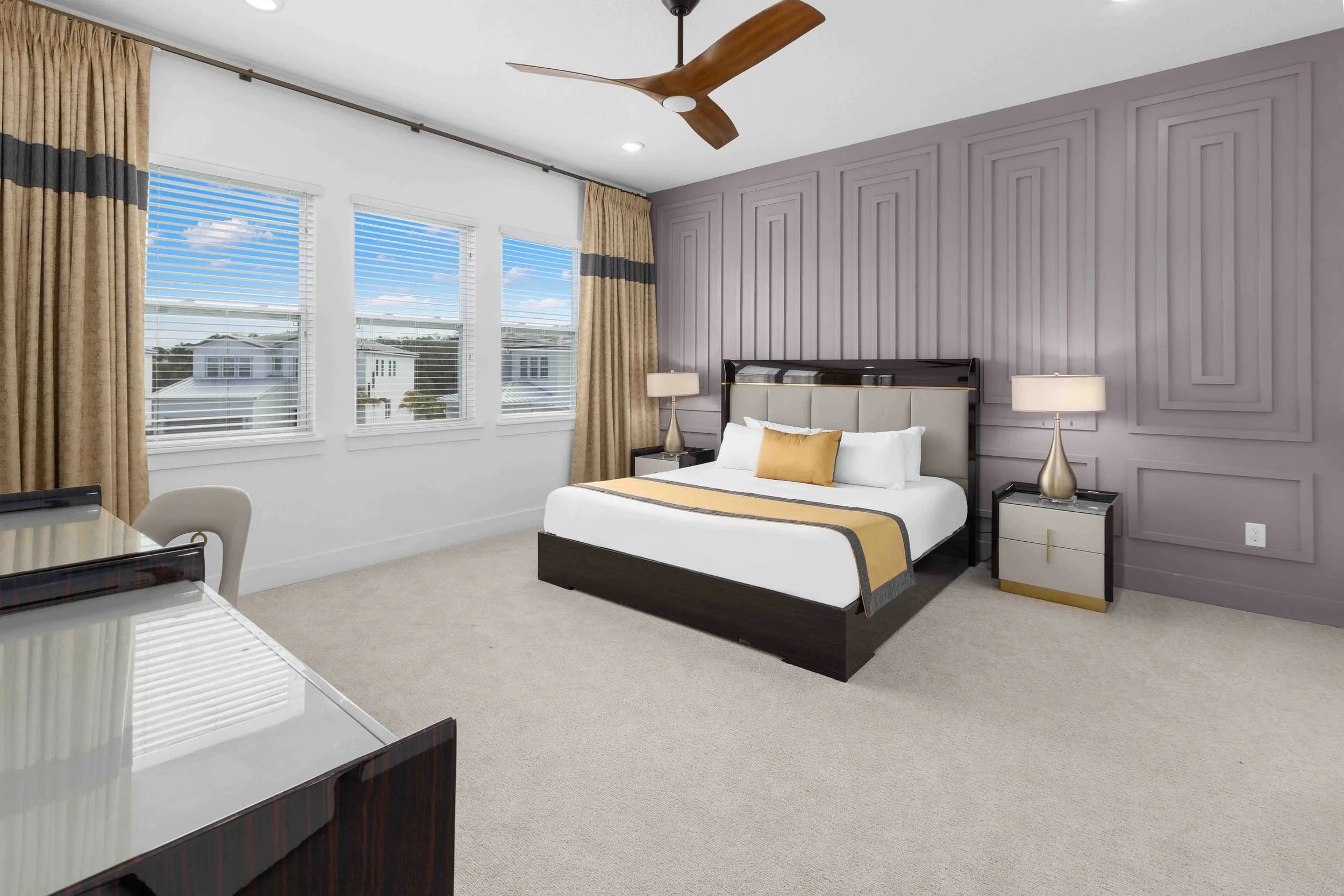
Primary suite — bedroom plus bathroom
Living and family rooms — shot wide to show flow between spaces
Every additional bedroom — one good frame each
Bathrooms — one frame each, shot carefully (mirrors are unforgiving)
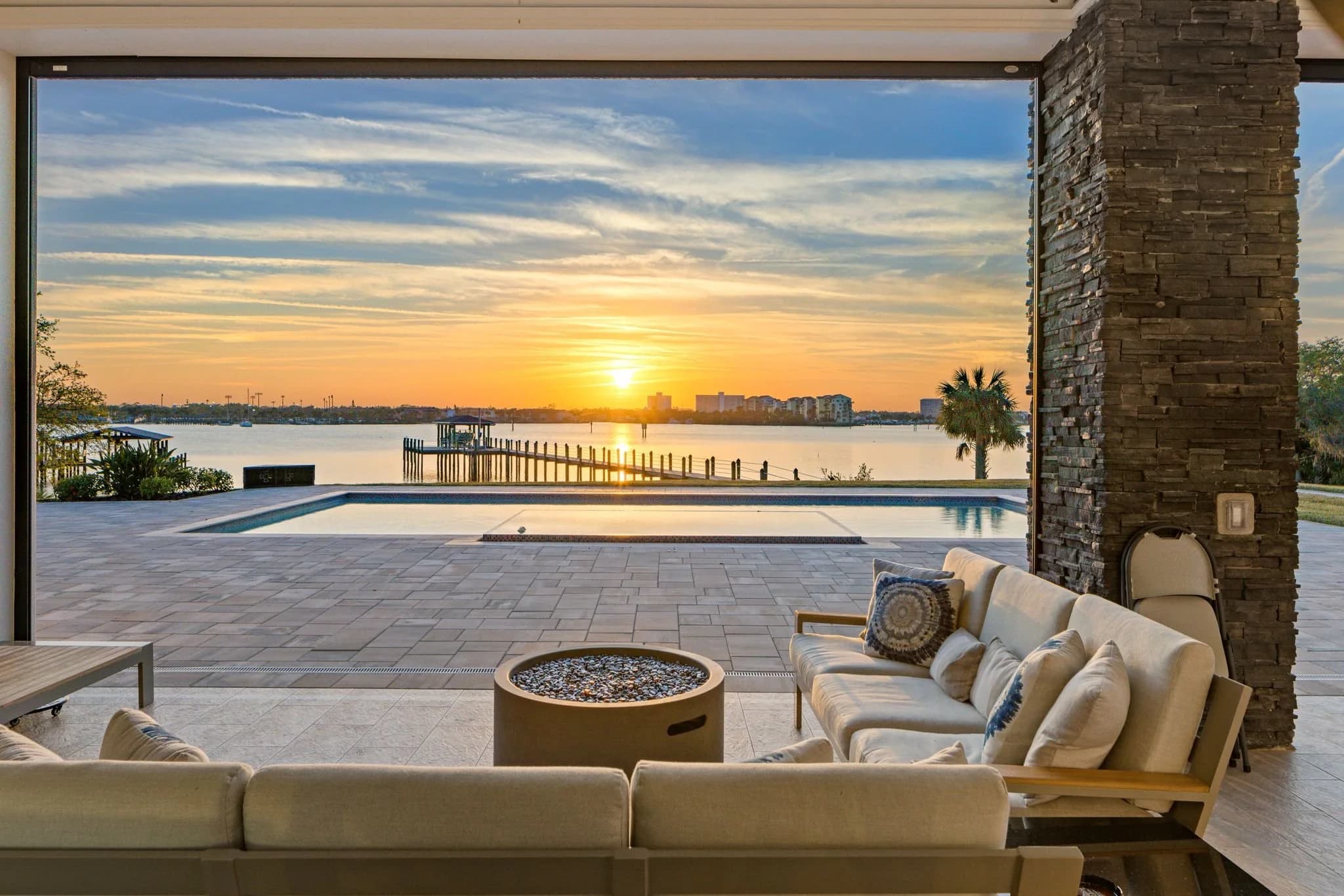
Backyard, lanai, and pool — critical in Florida, where outdoor living sells homes
Garage, laundry, and bonus spaces — quick frames that answer buyer questions before they’re asked
If a buyer has to call your office to ask “what does the backyard look like?”, the gallery has a hole in it.
Why Order Matters as Much as Count
Buyers make a stay-or-scroll decision within the first three to five photos. Sequence your gallery like a showing:
Front exterior
Best interior space (usually kitchen or great room)
Living areas
Primary suite
Remaining bedrooms and baths
Outdoor spaces
Community amenities, if relevant
Burying your strongest photo at position 12 wastes it. Lead with the frames that earn the click.
When to Add More Than Photos
Photo count is the floor, not the ceiling. Consider rounding out the listing with:
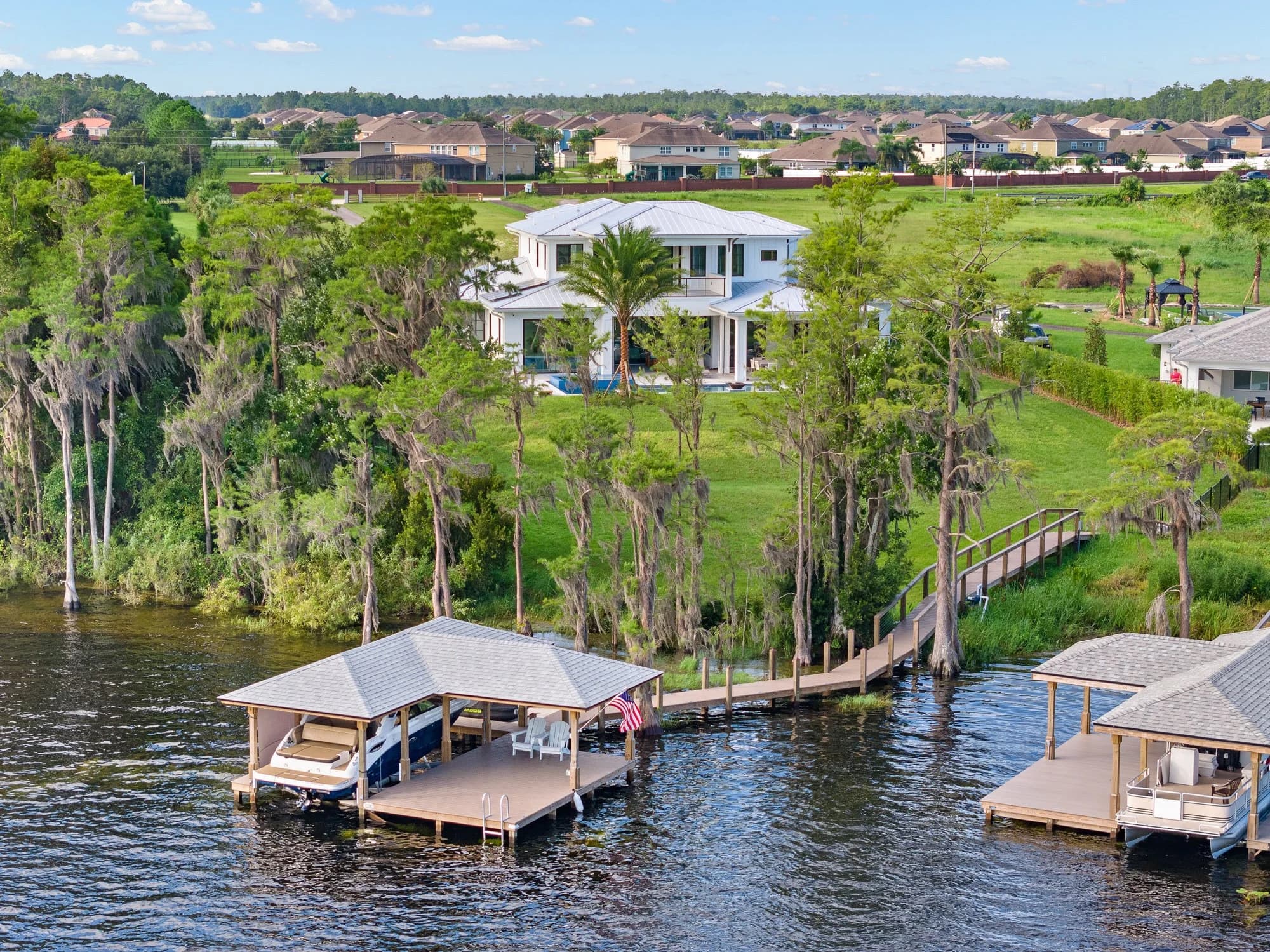
Aerial/drone shots for properties on water, golf courses, conservation lots, or large parcels
Twilight exteriors for homes with pools, landscape lighting, or strong curb appeal
A Matterport 3D tour for out-of-area buyers — common in Orlando and Tampa, where relocation and investor activity is high
A short listing video for social distribution
These don’t replace photos; they multiply their reach.
The Bottom Line
Aim for 25–35 well-chosen, professionally shot photos for the average listing, scale up for luxury, and obsess over the first five frames. Complete coverage and smart sequencing beat raw quantity every time.
Ready to book? Get in touch or call us — we serve Orlando, Tampa Bay, and Central Texas.