Aerial coverage is standard on a lot of Florida listings now, but adding drone isn’t one decision, it’s two. Stills and video do different jobs, cost different amounts, and belong in different places.
What Aerial Stills Do Well
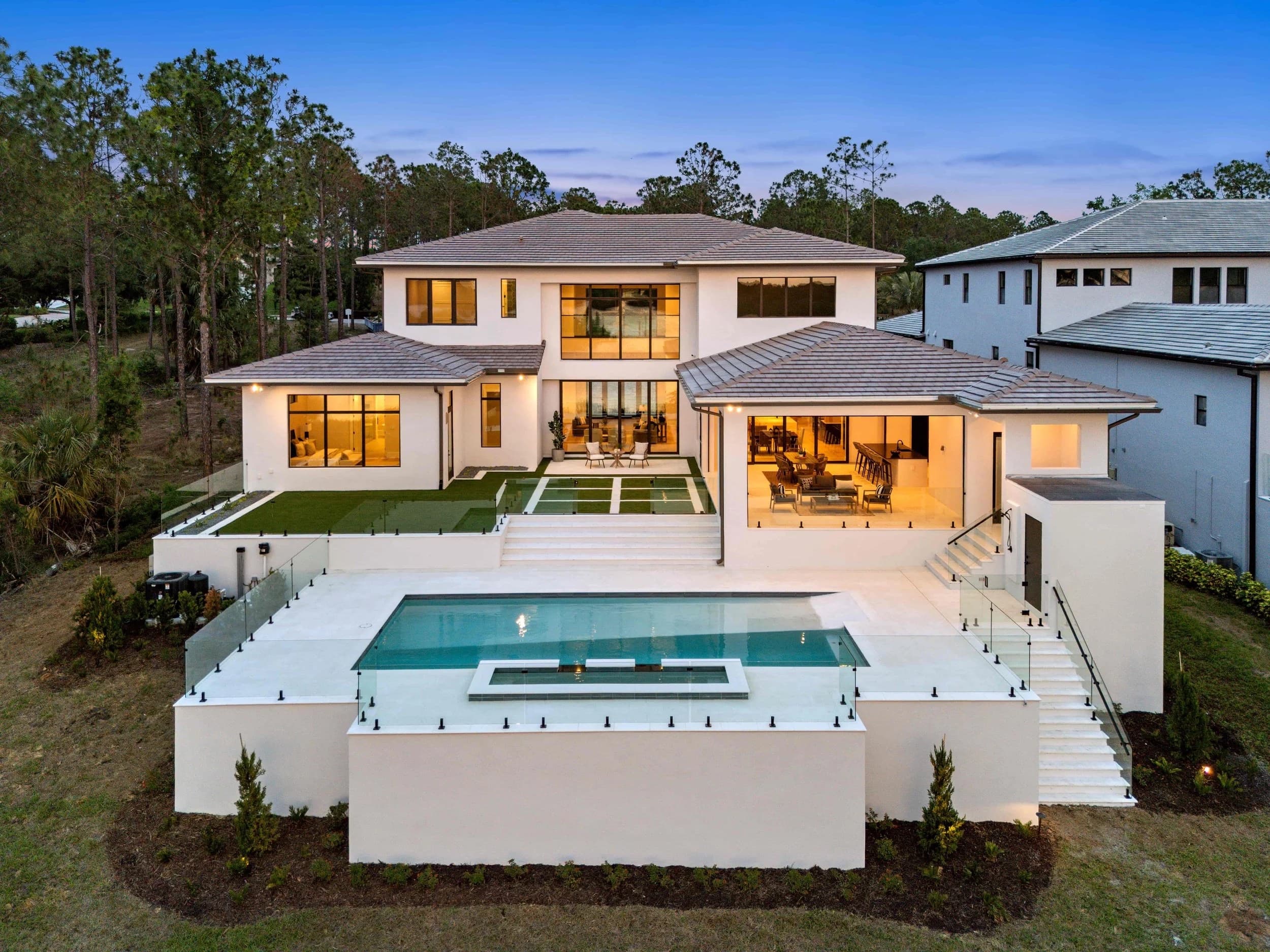
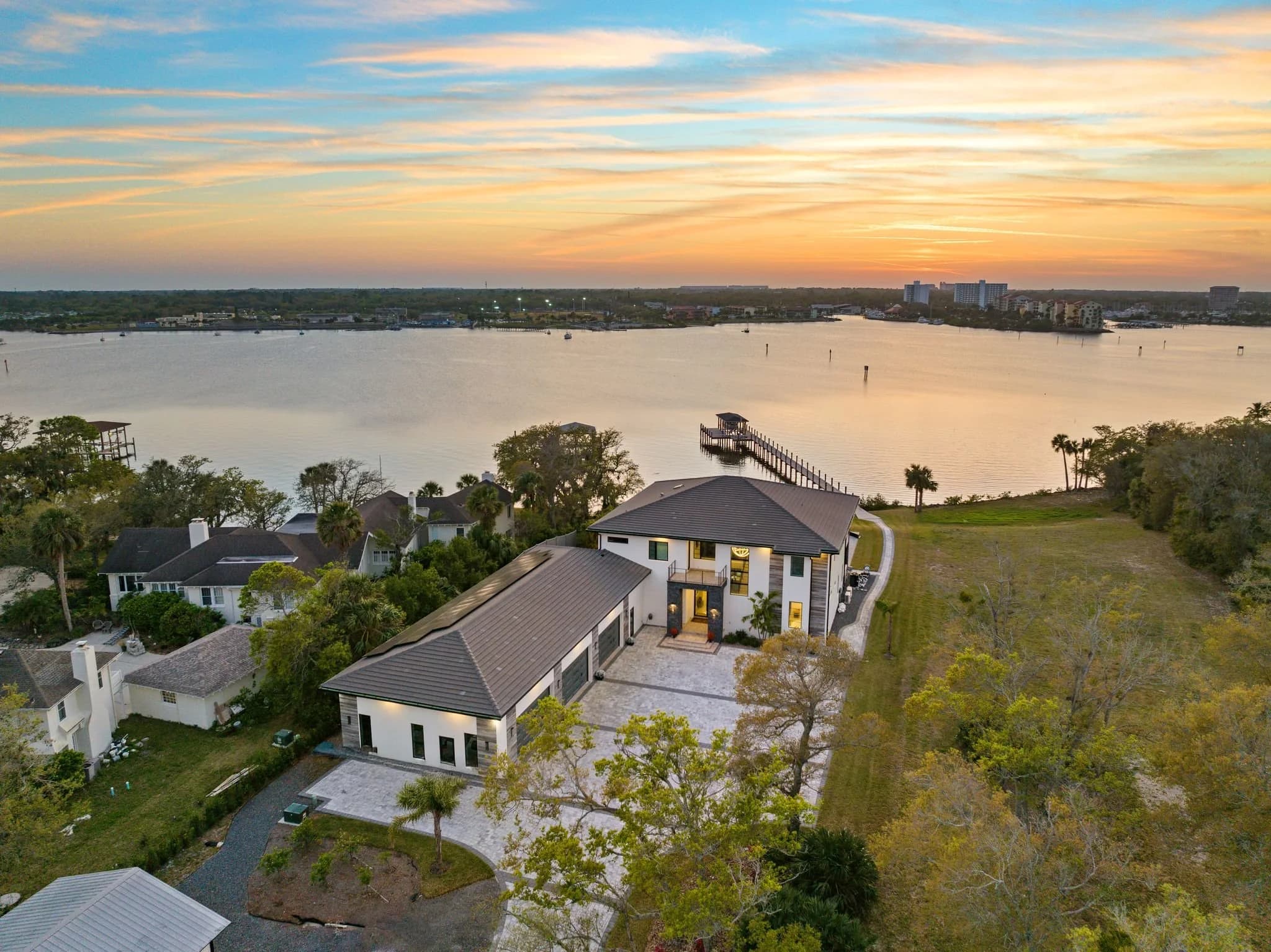
Drone photos are informational. Their job is to answer questions a ground-level camera cannot:
Lot size and shape, or how much land actually comes with the house
Property boundaries and setbacks, showing where the yard ends and the neighbor begins
Roof condition and layout, increasingly something buyers look for
Pool, lanai, and outdoor living in context, with the whole backyard in one frame
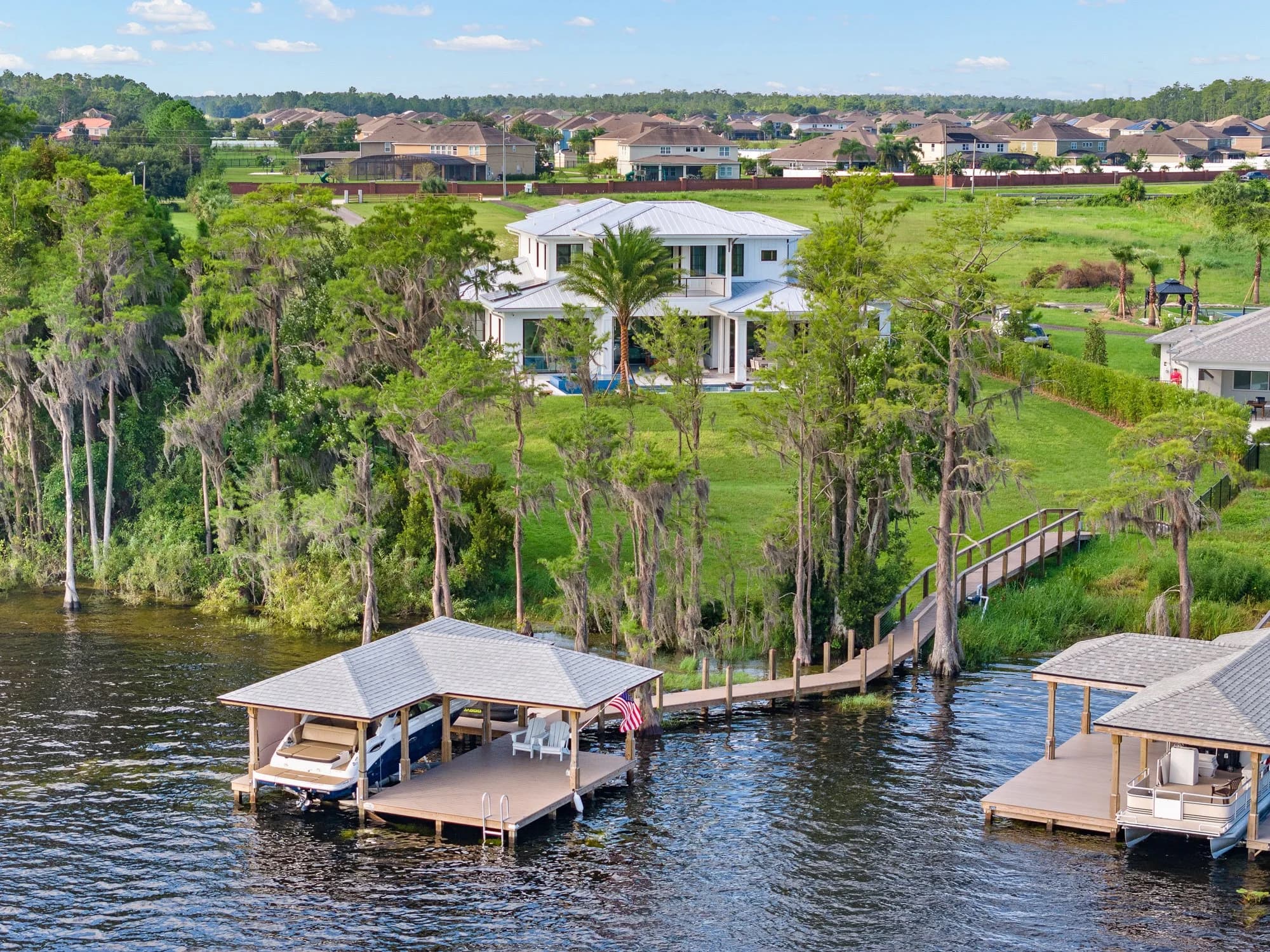
Proximity to the lake, the conservation area, the golf fairway, or the community pool
Neighborhood character and what surrounds the home
Because they’re static images, aerial stills slot cleanly into the MLS gallery, print brochures, and property flyers. They’re also what an out-of-state buyer studies hardest, because they establish context no interior photo can.
Two or three well-composed aerial frames usually cover a standard residential lot: one straight-on establishing shot, one angled to show the lot and rear yard, and one higher frame showing the surrounding area.
What Aerial Video Does Well
Drone video is emotional. Its job is momentum: a reveal, a sense of scale, a feeling of arrival. It’s the opening five seconds of a listing video, the hook of a Reel, the thing that makes someone stop scrolling.
Aerial video shines when:
The property has approach, like a long driveway, a gated entrance, or a tree canopy
The setting is the story: waterfront, acreage, golf course, or conservation frontage
You’re marketing a community and not just a home, including amenity centers and model rows
The listing is luxury and buyers expect cinematic presentation
You need social content, where motion consistently outperforms stills
Where it underdelivers: a standard interior-lot home in a dense subdivision. A slow orbit over a 6,000-square-foot lot surrounded by identical roofs doesn’t sell anything, and it burns budget that would do more work as an extra twilight image or a floor plan.
The Simple Decision Framework
Order aerial stills when:
The lot, the setting, or the surroundings matter to the buying decision
The property is on or near water, a golf course, or a conservation area
You’re marketing acreage, a corner lot, or an unusual parcel shape
You want context images for the MLS gallery and print
Add aerial video when:
You’re already producing a listing video and need an opening and closing shot
The home is luxury, waterfront, or on significant acreage
You’re running social campaigns where motion drives engagement
You’re doing builder or community marketing that needs to show the whole development
Skip both when:
The home is a townhome or condo with no meaningful exterior context
The surrounding views work against the listing
Airspace restrictions make it impractical
Cost and Practical Differences
Aerial stills are typically a modest add-on to a photo package. The drone is already on site, the capture takes a few minutes, and the editing folds into the gallery workflow.
Aerial video costs more, and for real reasons: the flying is slower and more deliberate, multiple takes are needed for each move, and the footage requires editing, color grading, stabilization review, and often music licensing. Budget for it as a video line item, not a photo add-on.
One efficiency worth knowing: if you’re ordering aerial video anyway, high-quality stills from the same flight are usually inexpensive to add. The reverse isn’t true. You can’t reliably pull broadcast-quality video from a stills flight.
The Legal Piece
Any drone flown for a real estate listing is a commercial operation under FAA rules, which means the pilot needs a Part 107 Remote Pilot Certificate. This isn’t optional, and it isn’t a formality. It’s the difference between a legal flight and an uninsured one.
In Central Florida this matters more than in most markets. The airspace around Orlando International, Orlando Executive, Sanford, Tampa International, and the theme park temporary flight restrictions is genuinely complicated. Controlled airspace often requires authorization before a flight, and some areas simply cannot be flown.
Ask two questions before booking: is the pilot Part 107 certified, and have they checked the airspace for this specific address? A good aerial provider will have already done the second one.
The Short Version
Most standard listings in Orlando and Tampa Bay are well served by two or three aerial stills and no video. Add aerial video when the property has genuine scale, a setting worth revealing, or a marketing budget aimed at social and luxury audiences.
The wrong move is ordering aerial video by default on a subdivision home. The other wrong move is skipping aerial entirely on a waterfront listing, where the view from 200 feet is the whole pitch.
Ready to book? Get in touch or call us. We serve Orlando, Tampa Bay, and Central Texas.