
Drone photography looks impressive on every listing — but it doesn’t sell every listing. Here’s a practical framework agents in Orlando, Tampa Bay, and Central Florida can use to decide when aerials are worth it.
The Simple Test: Does the Value Live Outside the Walls?
Ground-level photos sell interiors. Drone photos sell everything the interior photos can’t reach: lot size, position, surroundings, and context. If a meaningful share of the property’s value comes from where it sits rather than what’s inside, aerials belong in the budget.
Listings Where Drone Photos Are Essential
Waterfront property. Lakefront in Windermere or Clermont, canal homes in Tampa, coastal listings — buyers want to see the water frontage, dock access, and orientation. Only an aerial shows it.
Golf course homes. The fairway view is the premium buyers are paying for. A drone frame showing the home’s position on the course justifies the price per square foot.
Large lots and acreage. Anything over a half acre is nearly impossible to convey from the ground. Aerials communicate boundaries, privacy, and usable space in one frame.
Pools and outdoor living. Florida buyers shop for the backyard. A top-down or 45° aerial of a pool, summer kitchen, and lanai often outperforms every interior photo in the gallery.
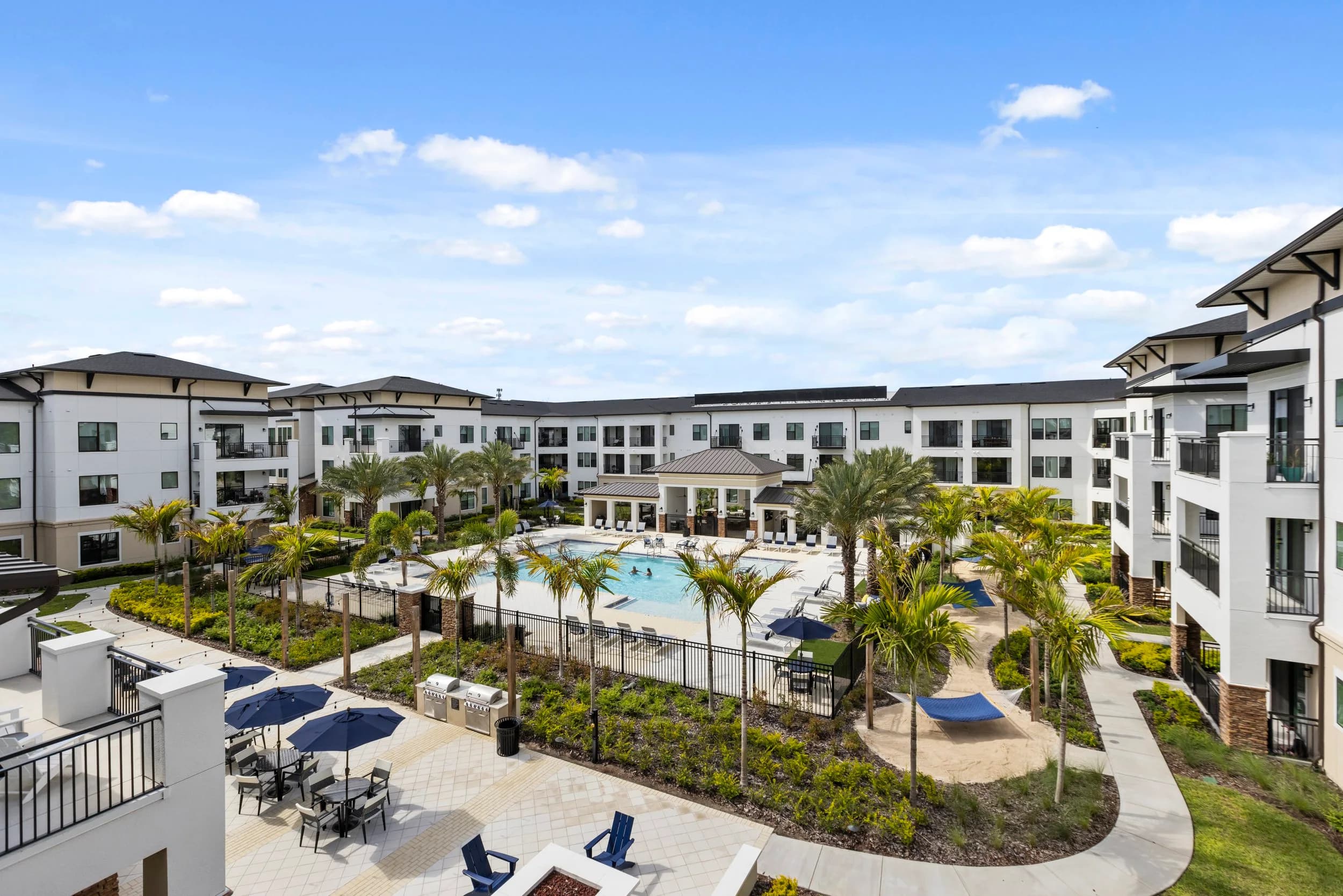
New construction communities. Builders use aerials to show amenity centers, phase progress, and community layout — context a site plan rendering can’t match.
Gated and amenity-rich communities. Proximity to the clubhouse, lakes, and trails is a selling point. Show it, don’t describe it.
Listings Where You Can Skip the Drone
Save the money when:
The home sits on a small interior lot with neighbors close on both sides
Surroundings detract — power lines, a busy road, or a commercial backdrop you’d rather not feature
It’s a condo or townhome where the unit, not the land, is the product
The budget is tight and the interior is the star — put the spend toward twilight photos or staging instead
An honest photographer will tell you when aerials won’t add value. That’s a sign you’re working with the right one.
What Legal Drone Photography Requires
Real estate drone work is commercial flight, which means the FAA requires the pilot to hold a Part 107 Remote Pilot Certificate. This matters to agents more than most realize:
Uncertified drone photos put liability on you and your brokerage
Orlando and Tampa sit near controlled airspace (MCO, TPA, executive airports, and theme park no-fly zones), where flights often require LAANC authorization a hobbyist can’t legally obtain
Insurance claims and MLS compliance issues follow the agent, not the freelancer
Always confirm your photographer is Part 107 certified before they fly. It takes one question and protects your license.
How Many Aerial Shots Does a Listing Need?
You don’t need 20 drone photos. A typical aerial package is 5–10 frames:
Front elevated shot (30–60 ft) showing the home and lot
Rear aerial featuring the pool or outdoor living space
Top-down lot view showing boundaries
Context shot showing the neighborhood, water, or golf course
Amenity or view shots as the property warrants
Mixed into a 30-photo gallery, these frames do their job: they answer the location questions that photos from the ground can’t.
The Bottom Line
Order drone photos when the lot, the view, or the location carries real value — waterfront, golf, acreage, pools, and new communities. Skip them when the interior is the whole story. And whoever flies, make sure they’re Part 107 certified.
Ready to book? Get in touch or call us — we serve Orlando, Tampa Bay, and Central Texas.