Most property managers treat rental photos as a formality — a few phone snapshots, posted, done. But in a market where a vacant unit costs real money every single day, the listing photos are the fastest lever you have.
Vacancy Is the Real Cost
A $2,400/month rental sits empty at roughly $80 a day. If weak photos add ten days to your lease-up time, that's $800 gone — many times what a professional shoot costs. The math on rental photography is simpler than on sales photography, because you're not arguing about sale price. You're just counting days.
Rental listings also live on aggregators — Zillow Rentals, Apartments.com, Rent., HotPads — where a renter scrolling on a phone gives each listing a second or two. Dark, crooked, tightly cropped photos read as "deferred maintenance" whether or not the unit is in great shape.
What Renters Actually Look For
Renters and buyers are not looking for the same things, and rental photography should reflect that:
Storage. Closets, pantry, laundry hookups. Renters are moving their existing stuff and want to know it fits.
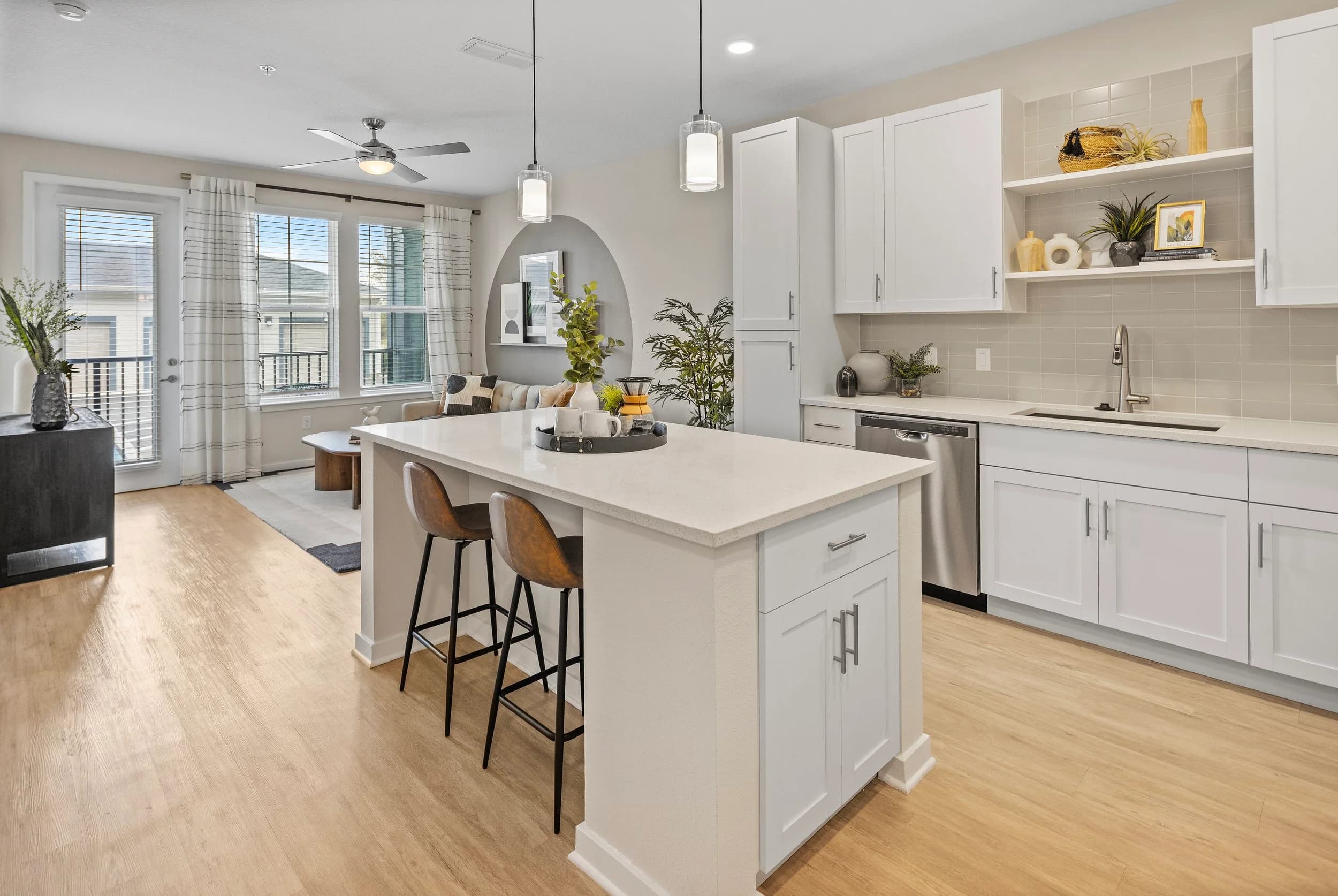
Kitchen appliances. Which ones convey, whether there's a dishwasher, whether the fridge is included.
Laundry situation. In-unit, hookups only, shared, or none — this is a top-three filter for most renters.
Parking. Assigned space, garage, driveway, street.
Condition, not staging. Renters expect an empty unit. What they want to see is clean paint, intact flooring, and working fixtures.
The actual layout. Vague, over-cropped shots make renters assume you're hiding something.
That last point matters more than it sounds. Sales photography can lean romantic. Rental photography should lean honest and complete — it filters out people who'd waste your showing time.
Photographing Vacant Units
Empty rooms are harder to shoot well than furnished ones. There's no furniture to anchor scale, and bare walls and floors bounce color in ugly ways. A few things make a real difference:
Shoot straight-on and level. Vertical lines that lean make an empty room feel like a distorted box.
Control the color cast. Beige carpet under warm bulbs turns orange fast. Proper white balance keeps the unit reading as clean and neutral.
Include a doorway or transition in wide shots. It helps renters mentally connect rooms and understand the flow.
Keep the exposure bright but not blown out. Empty units photographed too dark look neglected; too bright and the floors and walls lose all texture.
Get the windows right. In Florida, a window view of a lake, a pool deck, or mature oaks is an amenity. Blown-out white rectangles throw that away.
For Central Florida properties especially, the lanai, screened porch, or patio deserves its own frame. It's living space here, not an afterthought.
Multi-Unit and Portfolio Shoots
If you manage several doors in one community, batch the work. Photographing four units in the same complex in one visit costs far less per unit than four separate trips, and it gives you a consistent look across your listings — which quietly builds trust when a renter sees several of your properties side by side.
A few portfolio-level assets are worth capturing once and reusing for years:
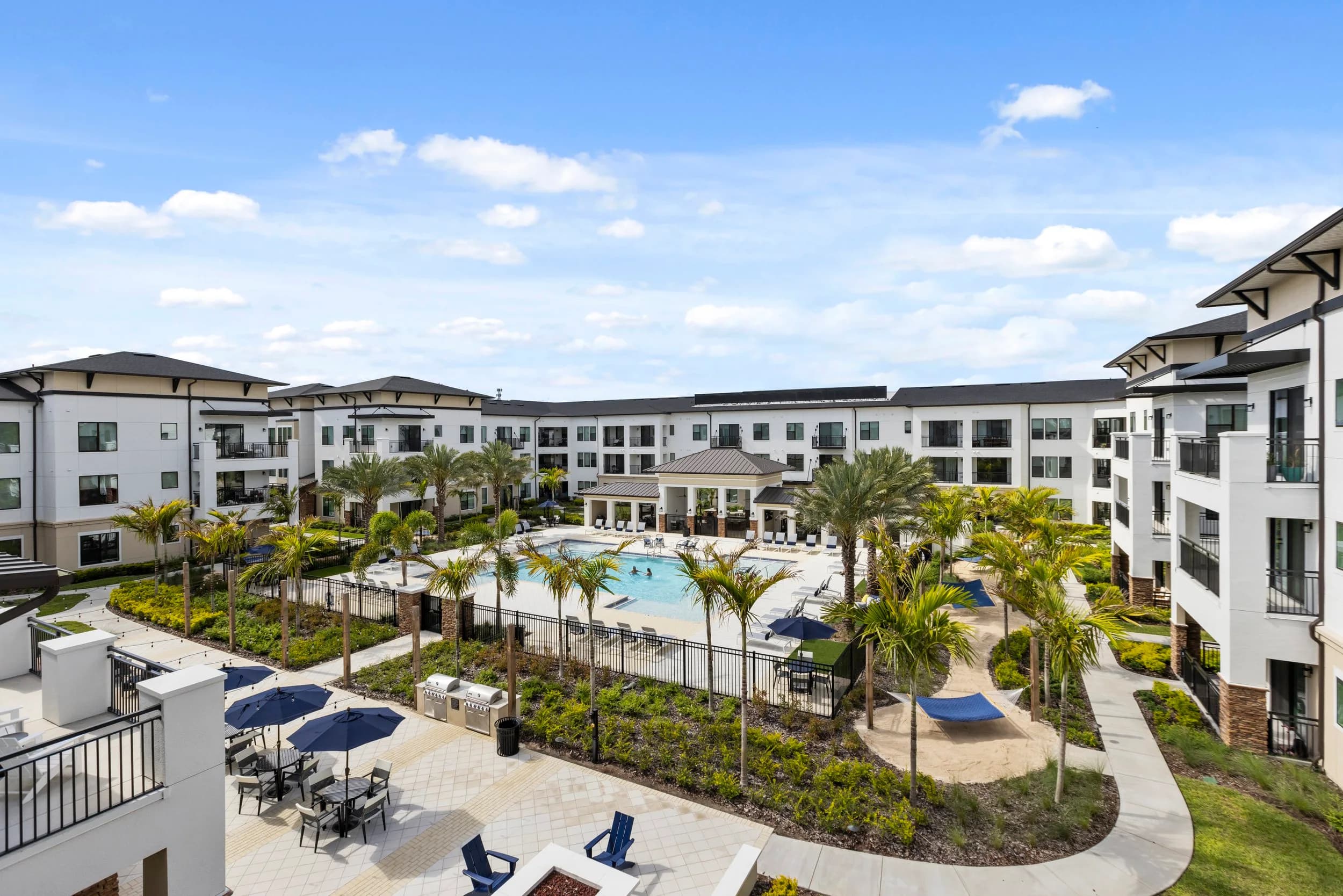
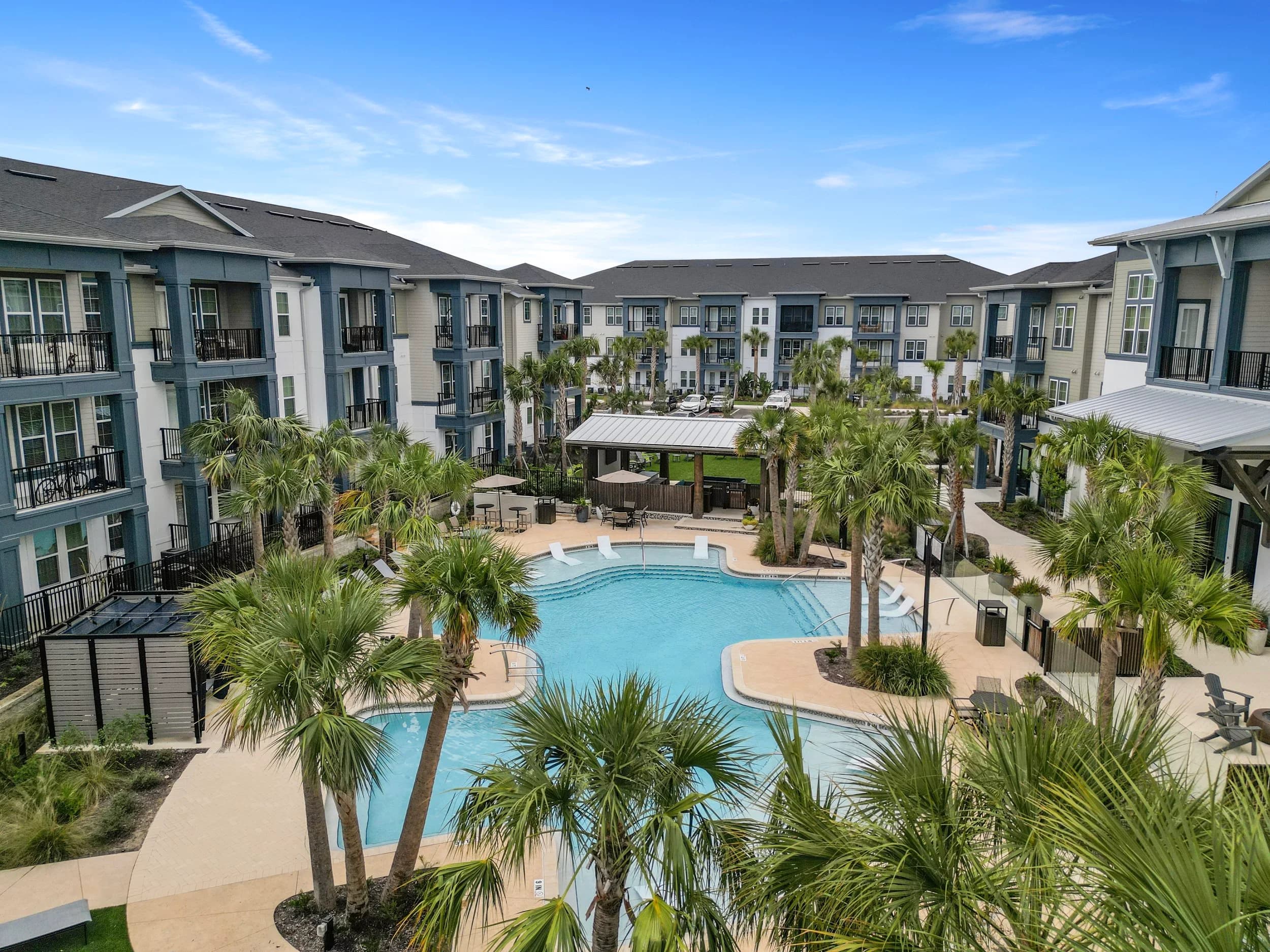
Community amenities: pool, gym, clubhouse, dog park, mail center
Building exteriors and entry
Parking areas and garages
Neighborhood context — an aerial showing proximity to a lake, a park, or a main road
Those don't change between tenants. Shoot them once, and each new listing only needs the interior refreshed.
When to Reshoot
Interior photos should be updated when something material changes: new flooring, fresh paint in a different color, replaced appliances, a renovated bath. Reusing photos of the old carpet after you've installed LVP isn't just inaccurate — it invites disputes at move-in and wastes showings on renters who'd have applied faster if they'd seen the real thing.
As a general rule, if a unit has turned over more than twice since the last shoot, it's time.
Build-to-Rent and Small Portfolios
Build-to-rent communities and small investor portfolios sit in an awkward middle ground — too many units for phone photos, not enough for an in-house marketing team. These properties benefit most from a repeatable package: a fixed shot list per floor plan, one amenity library, and drone context of the community. Photograph each floor plan once at delivery, and every future vacancy in that plan is already marketed before it's vacant.
Ready to Book?
Whether you manage four doors or four hundred, the photos are what decide how long each one sits empty. Ready to book? Get in touch or call us — we serve Orlando, Tampa Bay, and Central Texas.