Manufactured housing communities are one of the largest residential asset classes in Florida and Texas, and one of the least professionally photographed. Most community websites still run phone snapshots taken by an on-site manager between leasing calls.
That matters more than it used to. Buyers and renters in these communities shop the same way everyone else does — on a phone, comparing listings side by side — and the community that looks maintained wins the tour. We've written about 55+ and active-adult communities before, but that post covers site-built homes. Manufactured housing is a different product with different photography problems.
Three Buyers, Three Different Shoots
Before anything gets scheduled, be clear about who the photos are for. These are not interchangeable.
- Individual home sales. A resident or dealer selling a single home. This is closest to standard residential real estate photography — interiors, exterior, lot — with one wrinkle covered below.
- Community leasing and lot rentals. The product being sold is the community, not the house. Amenities, streetscapes, entry signage, and the general sense that the place is cared for.
- Portfolio and investor marketing. An owner selling or refinancing the community itself. This shoot is about scale, occupancy, infrastructure, and land — and it lives or dies on aerials.
Community operators frequently order one shoot and then try to use it for all three. It rarely works, because the third one needs a drone and the first one needs a wide lens inside a 14-foot-wide room.
Shooting Interiors in a Single-Wide
A single-wide home is roughly 14 to 18 feet across. That is narrower than almost any site-built room, and it changes how the interior has to be shot.
- Shoot the long axis, not across. Standing at one end of a single-wide and shooting down the length gives depth. Shooting across the width gives you a wall.
- Go wide, but not too wide. Extreme wide angles bow the walls and make an already narrow room look like a hallway seen through a fisheye. A moderate wide angle shot from a corner reads more honestly and, counterintuitively, makes the space feel larger.
- Watch ceiling height in the frame. Manufactured ceilings are often lower than site-built. Shooting from a slightly lower camera height keeps the ceiling from crowding the top of the frame.
- Light the far end. These homes usually have windows at the ends and few on the long walls, so the middle goes dark. Supplemental light or a properly blended exposure keeps the center of the home from turning into a tunnel.
Newer multi-section homes read much more like site-built houses and can be shot conventionally. Ask what you're walking into before you plan the gear.
The Community Shoot Is About Maintenance Signals
Prospective residents are evaluating one thing above all: is this place taken care of? Photography either answers that or raises the question.
What belongs in a community gallery:
- The entrance and monument sign, shot clean and straight, ideally with the landscaping in good condition.
- Streetscapes showing paved, edged roads and homes with skirting intact.
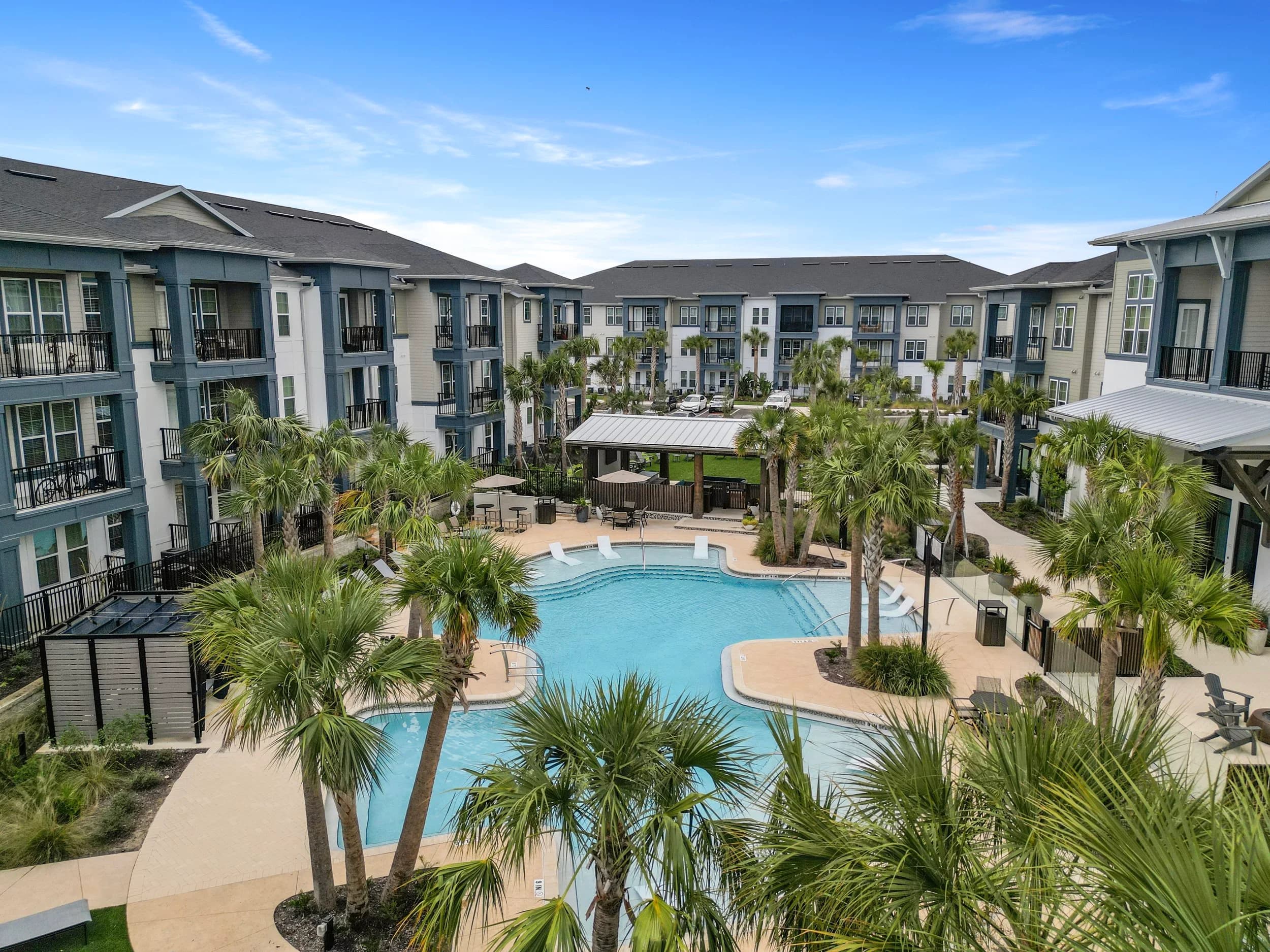
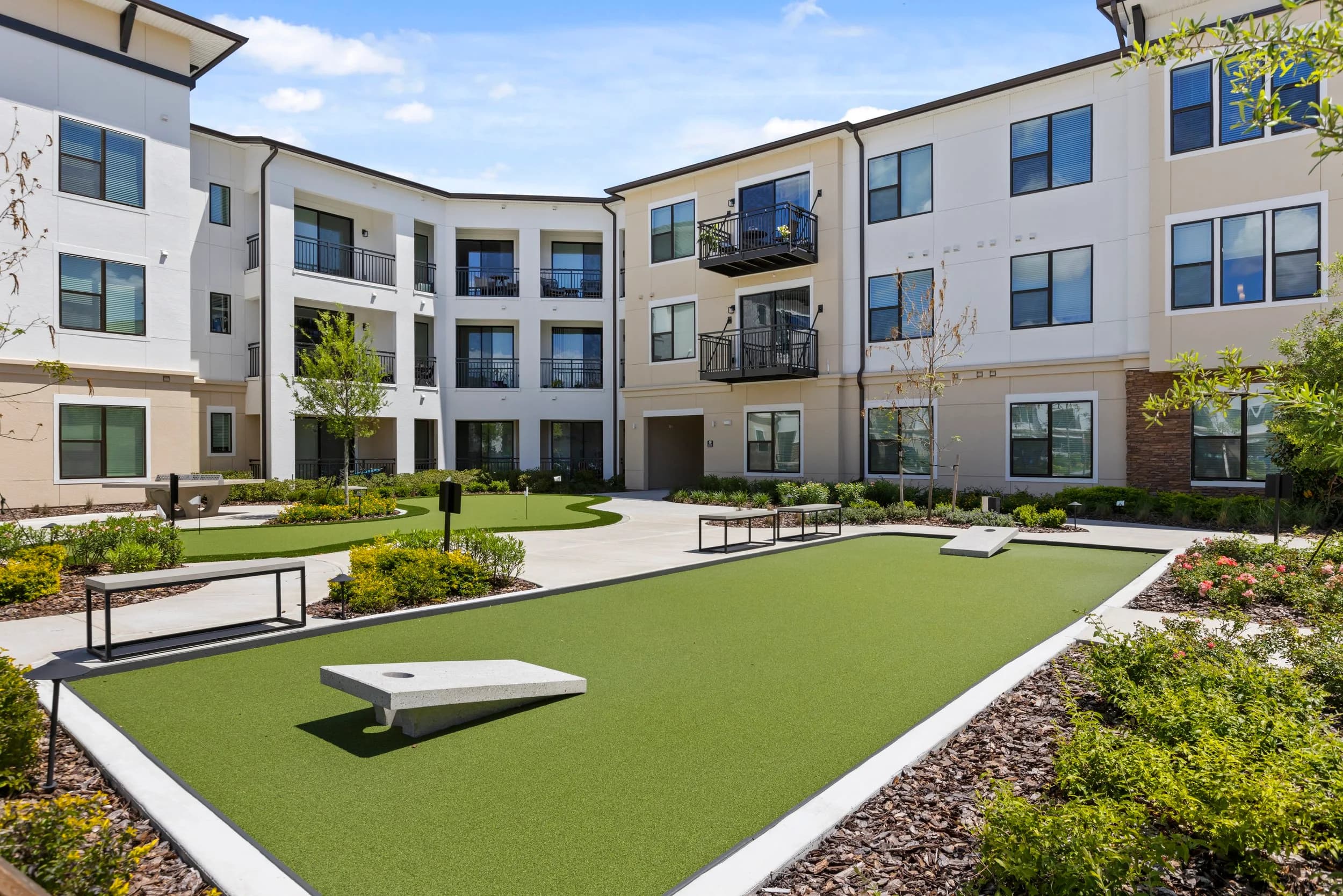
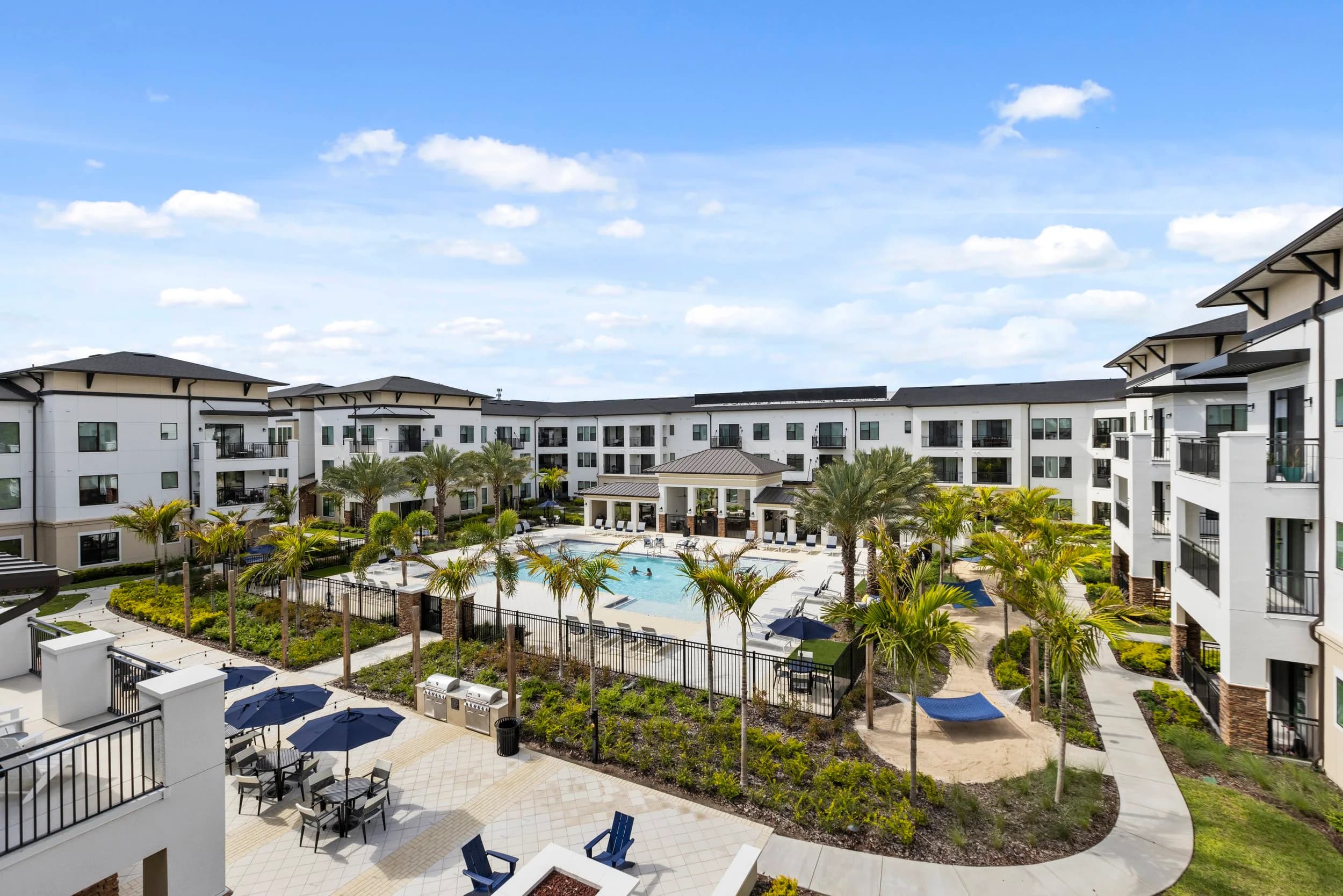
- Every amenity that exists — clubhouse interior, pool, mail kiosk, dog park, laundry, storage, playground. An amenity that isn't photographed effectively doesn't exist to a shopper.
- Any model or spec home available, shot as a full interior set.
- Context aerials showing the community's position relative to roads, water, or town.
What to fix before the shoot rather than photograph around: overflowing dumpsters, vehicles parked on grass, missing skirting, tarped roofs, and vacant lots full of debris. None of that can be edited out honestly, and all of it reads instantly.
Why Aerials Do the Heavy Lifting
For anything above the single-home level, drone work is the core deliverable rather than an add-on. A manufactured housing community is a land play, and land only reads from the air.
A well-planned aerial set shows:
- Lot count and layout — the density and organization of the community, which a buyer or lender wants to verify.
- Occupancy at a glance — occupied pads versus vacant ones, visible in a single overhead frame.
- Expansion land — undeveloped acreage inside the boundary, which is often the value in the deal.
- Infrastructure — road condition, retention ponds, utility buildings, and how the community connects to the main road.
- Boundaries — where the property actually ends, which is hard to establish from the ground.
All commercial drone work should be flown under FAA Part 107, which also matters for the airspace around Orlando and the Tampa Bay area, where controlled airspace is common and authorization takes planning rather than improvisation.
A Realistic Cadence
Communities change slowly, so an annual or semiannual shoot is usually enough. The exception is anything you're about to take to market or to a lender — those photos should be current, because a reviewer comparing a two-year-old gallery to a current satellite image will notice.
If the budget only covers one shoot, make it the community-level set with aerials. Individual home photos can be added as homes turn over; the community gallery is what gets used every day on the website, on listing portals, and in every leasing conversation.
Ready to book? Get in touch or call us — we serve Orlando, Tampa Bay, and Central Texas.