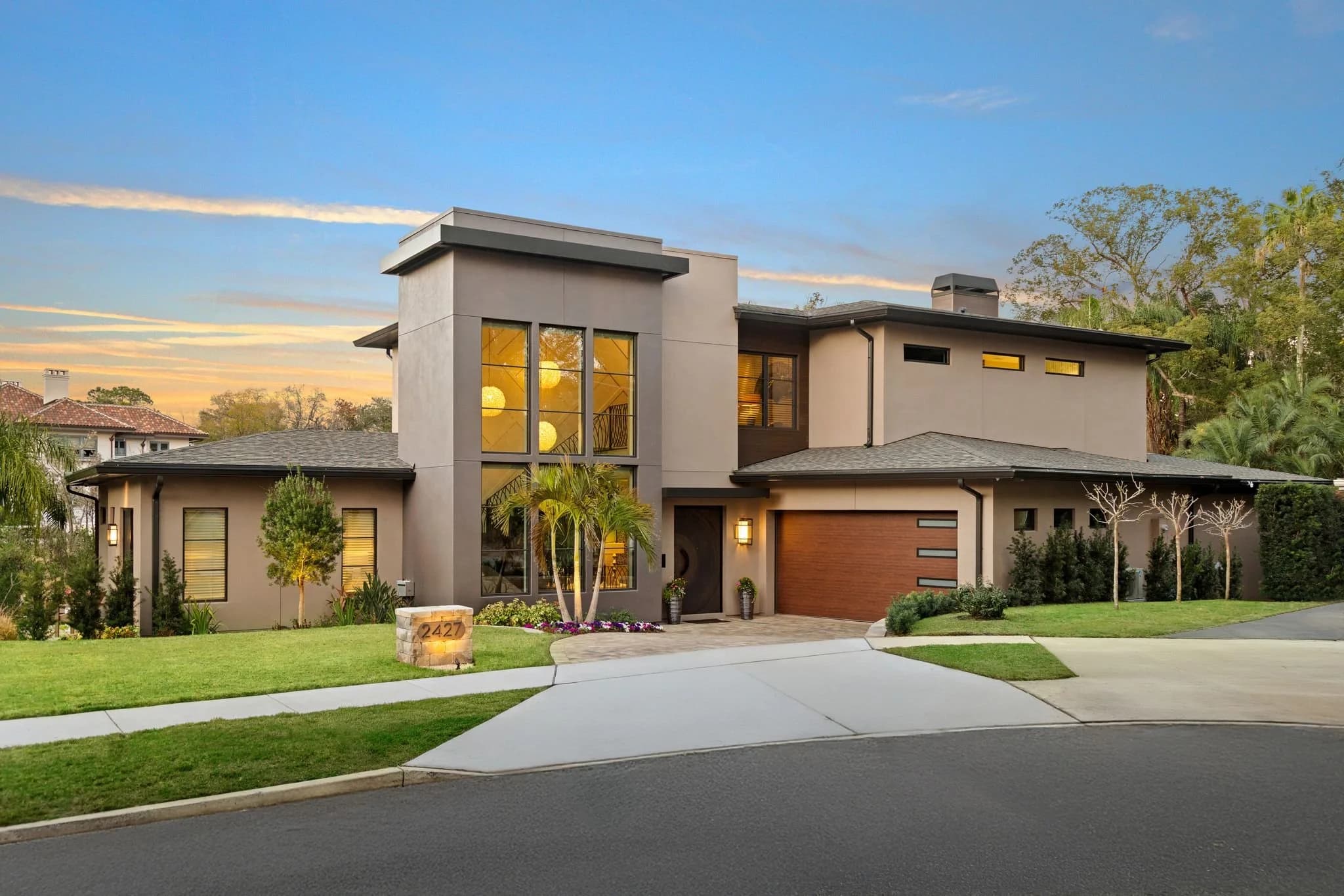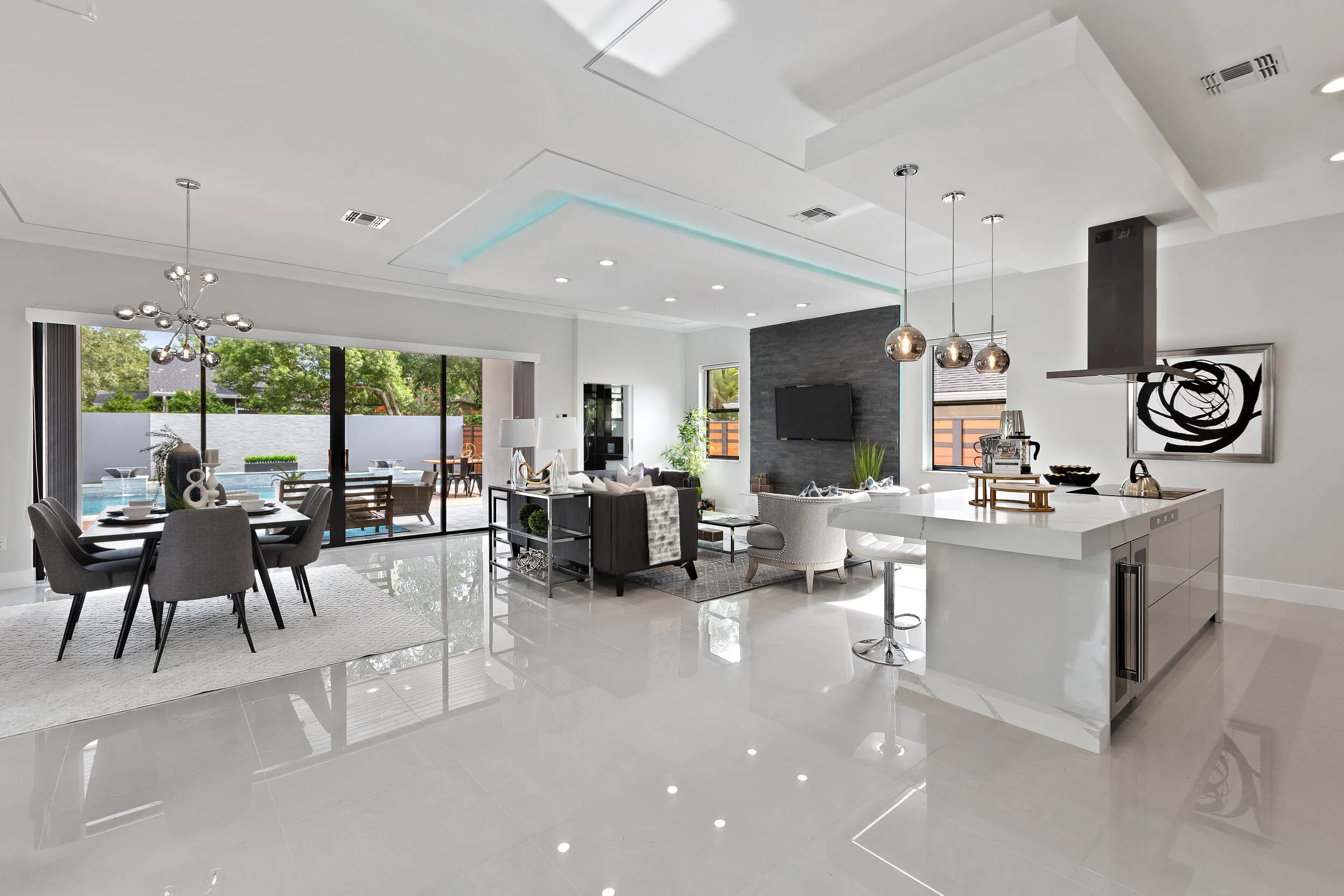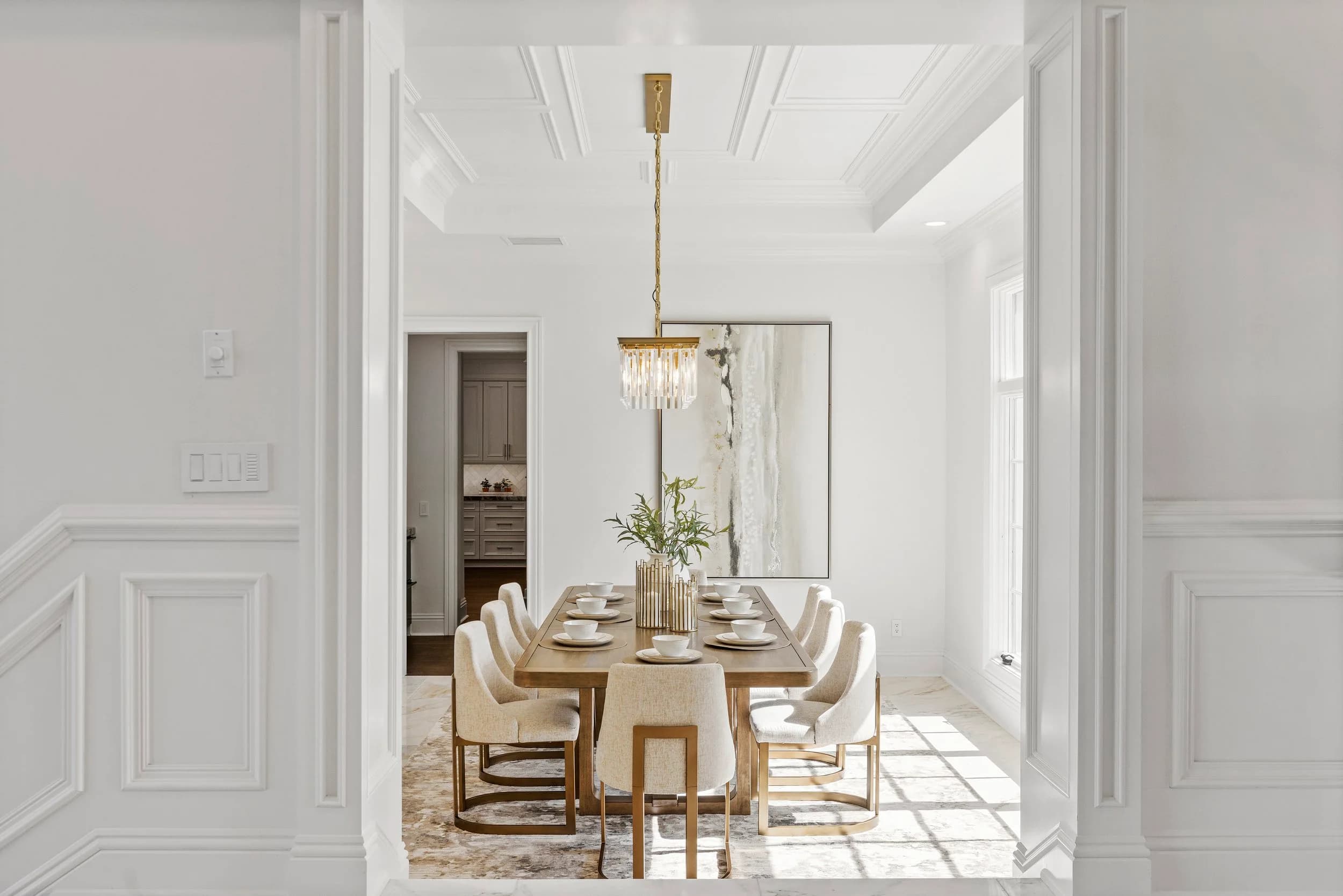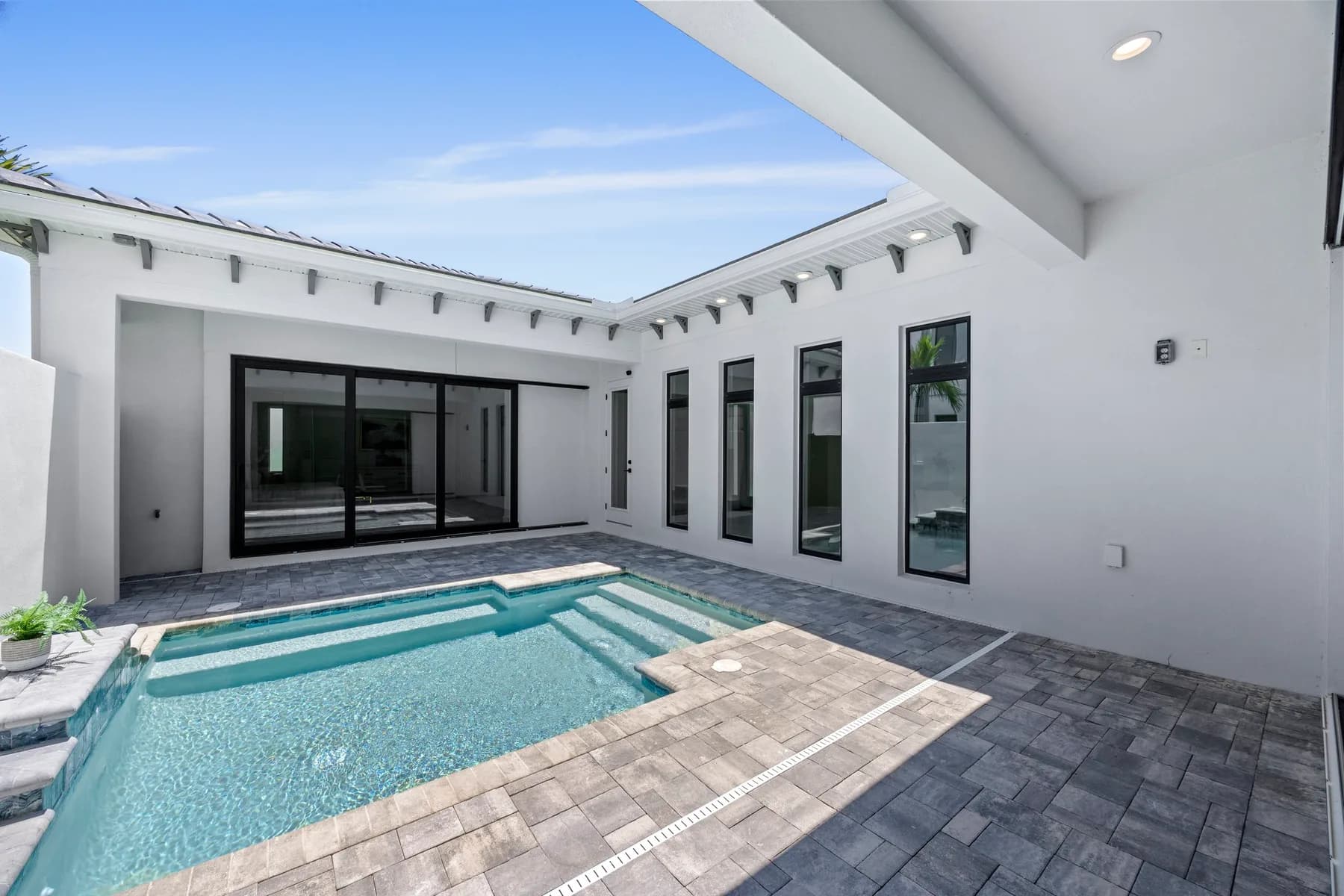
Most architecture projects get photographed once, right after completion, and those images carry the project for years. But a building on the day it opens is rarely the building at its best. Landscaping is young, interiors may not be fully furnished and the people who give a space its purpose have not moved in yet. For architects and design firms, knowing when to revisit a project with a camera can turn a good portfolio entry into one of the strongest images you own.
This guide covers the signs that a project is ready for a second shoot, what to plan differently the second time and how to get the most value from a return visit. It is written for architects, interior designers and design-build firms working in Orlando, Tampa Bay, Central Florida, Austin and San Antonio.
Signs a project is ready to be rephotographed
Not every project needs a second shoot. These are the situations where one usually pays off:
- The landscaping has matured. New plantings look thin in completion photos. After a growing season or two, trees, hedges and ground cover finally frame the building the way the design intended. In Central Florida, growth can be quick; in Central Texas, it may take longer and depend on rainfall.
- The space is fully occupied and furnished. A restaurant, office or school photographed before move-in can feel empty. Once owners have furnished it and people are using it, the design reads as a working place.
- Materials have settled in. Some materials, like weathering steel, wood siding and natural stone, change with time. A later shoot can show how they age, which can be a selling point.
- You are entering an award or publication. Many submissions benefit from fresh, consistent images, especially if the originals were taken in a hurry.
- The original shoot was compromised. Bad weather, construction fencing, missing signage or an unfinished site can all justify a return visit.
For award-specific planning, see our post on photographing a project for a design or architecture award submission.
Choosing the right season and time
A second shoot gives you a chance to choose conditions on purpose rather than taking whatever the completion date allowed.
- Pick the season that suits the design. A courtyard with deciduous trees looks different in spring than in winter. A building designed around shade may look best under strong summer light.
- Plan around the sun path. Study which facades get direct light and when. The best time for the main elevation may not be the best time for the entry or the interior.
- Consider dusk. If the building has strong interior and exterior lighting, a twilight frame can show how it reads at night, something completion photos often miss.
- Watch the weather patterns. In Florida, summer afternoons often bring storms. In Texas, summer haze and heat can flatten distant views. Mornings are often more reliable in both.
What to do differently the second time
A return visit should not repeat the first shoot. Use it to fill the gaps.
- Review the original set. Which images got used most? Which views are missing? Build the shot list around what the portfolio still needs.
- Add people for scale and life. Occupants, staff or customers moving through the space show how it works. Get releases from anyone identifiable.
- Capture details. Close-ups of joints, materials and custom elements are often skipped in the first shoot and are useful for proposals and social posts.
- Shoot context. A view from down the street or a drone frame showing the building in its neighborhood can help tell the story of the site.
- Match key angles if needed. If you want to show change over time, repeat a few original camera positions exactly.
Our architectural photography shot list guide explains how to brief a photographer clearly.
Coordinating with owners and occupants
Once a building is occupied, the architect no longer controls access. A little coordination goes a long way:
- Ask the owner early. Explain why you want to photograph the project and offer to share the images. Many owners are glad to have professional photos of their building.
- Agree on usage. Decide who can use the photos and where, including the owner, the architect, the interior designer and the builder. Shared licensing can split the cost and the value.
- Schedule around operations. Restaurants, offices and schools have quiet times. Early mornings or closed days often work best.
- Prepare the space. Ask staff to clear clutter, hide cords and remove temporary signage before the shoot.
Rephotographing a project is one of the simplest ways to strengthen a portfolio, and the images often prove useful in proposals and RFPs for years.
If you have a project that deserves a second look, we would be glad to help plan it. Ready to book? Call or text (689) 600-2131 or get in touch.