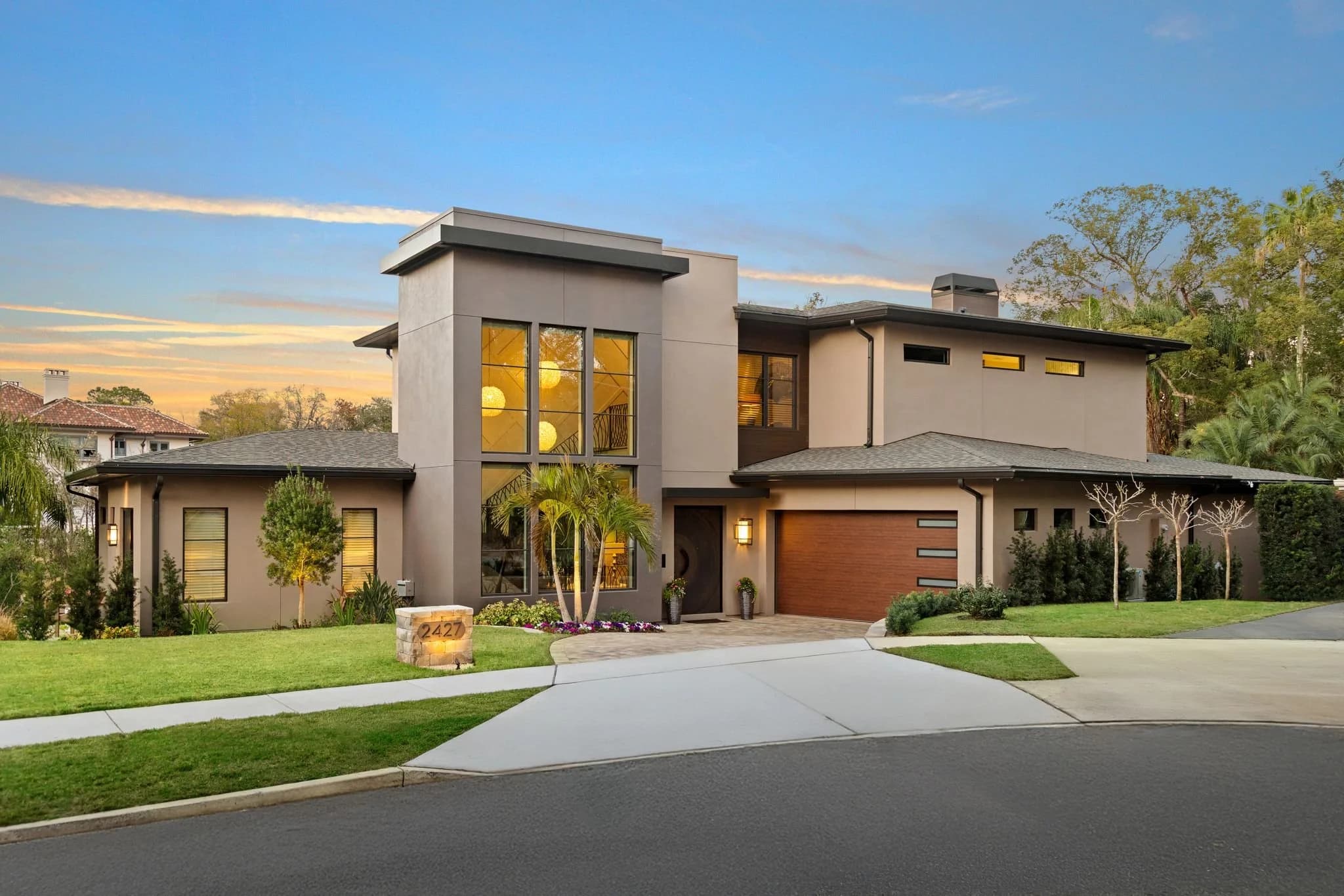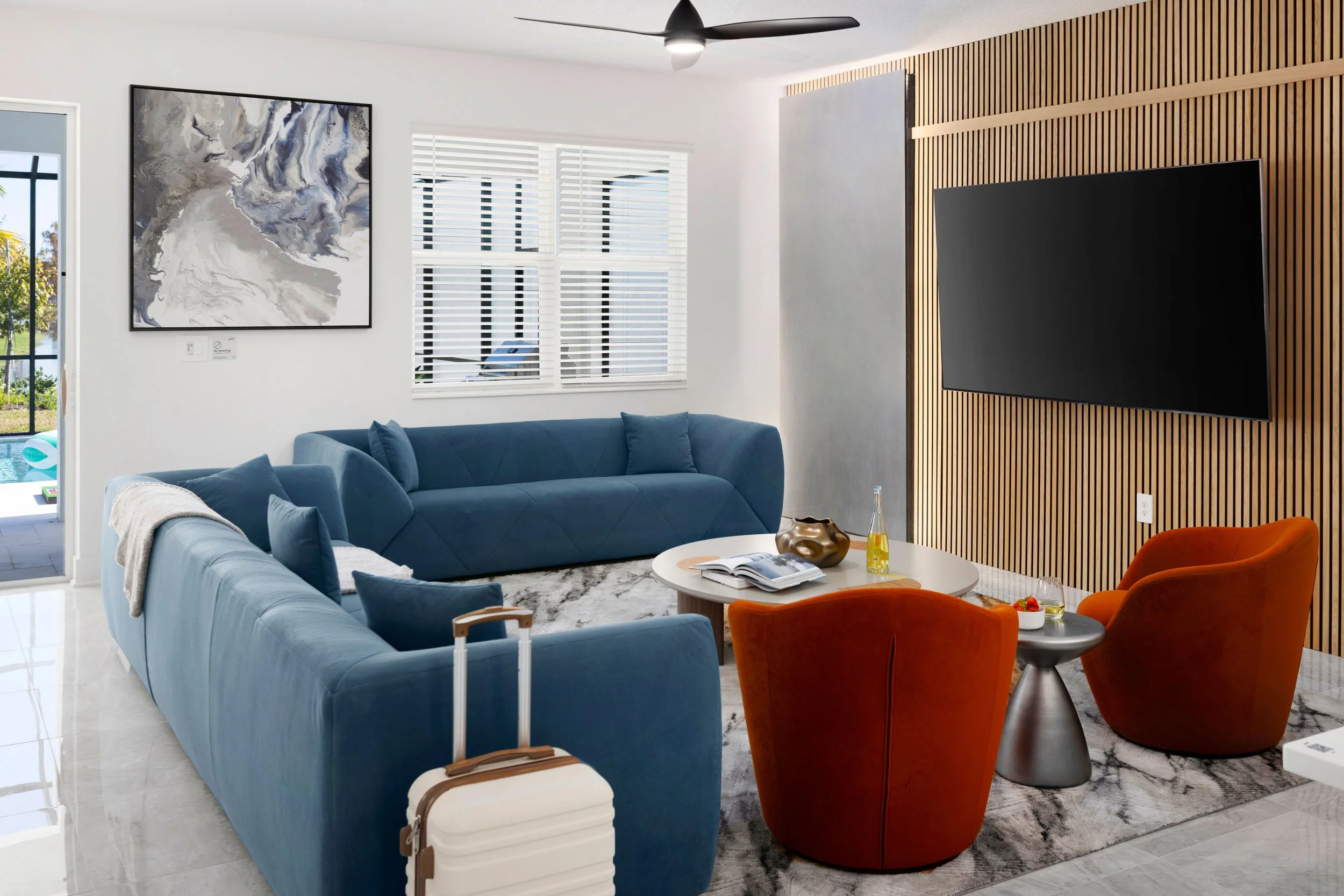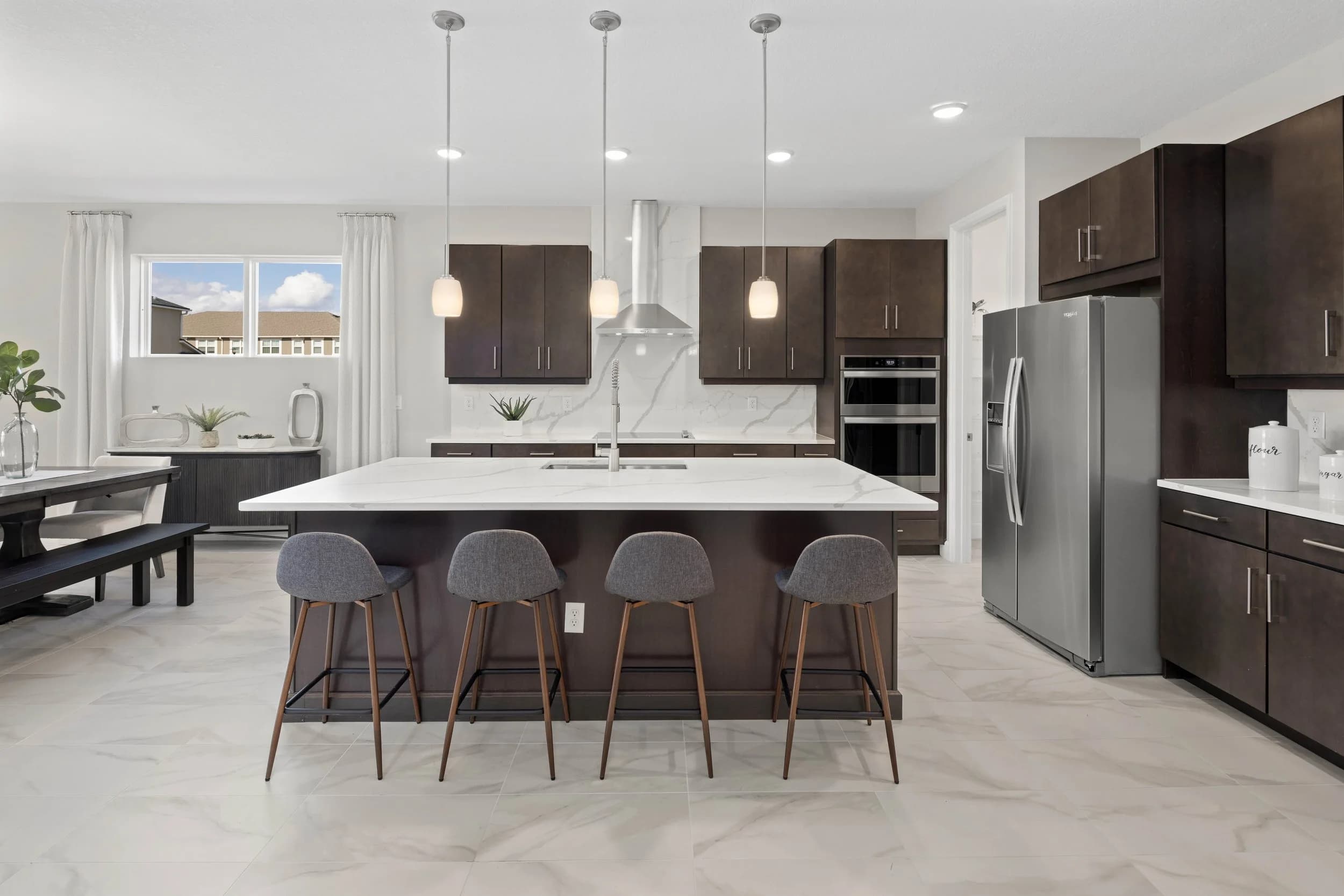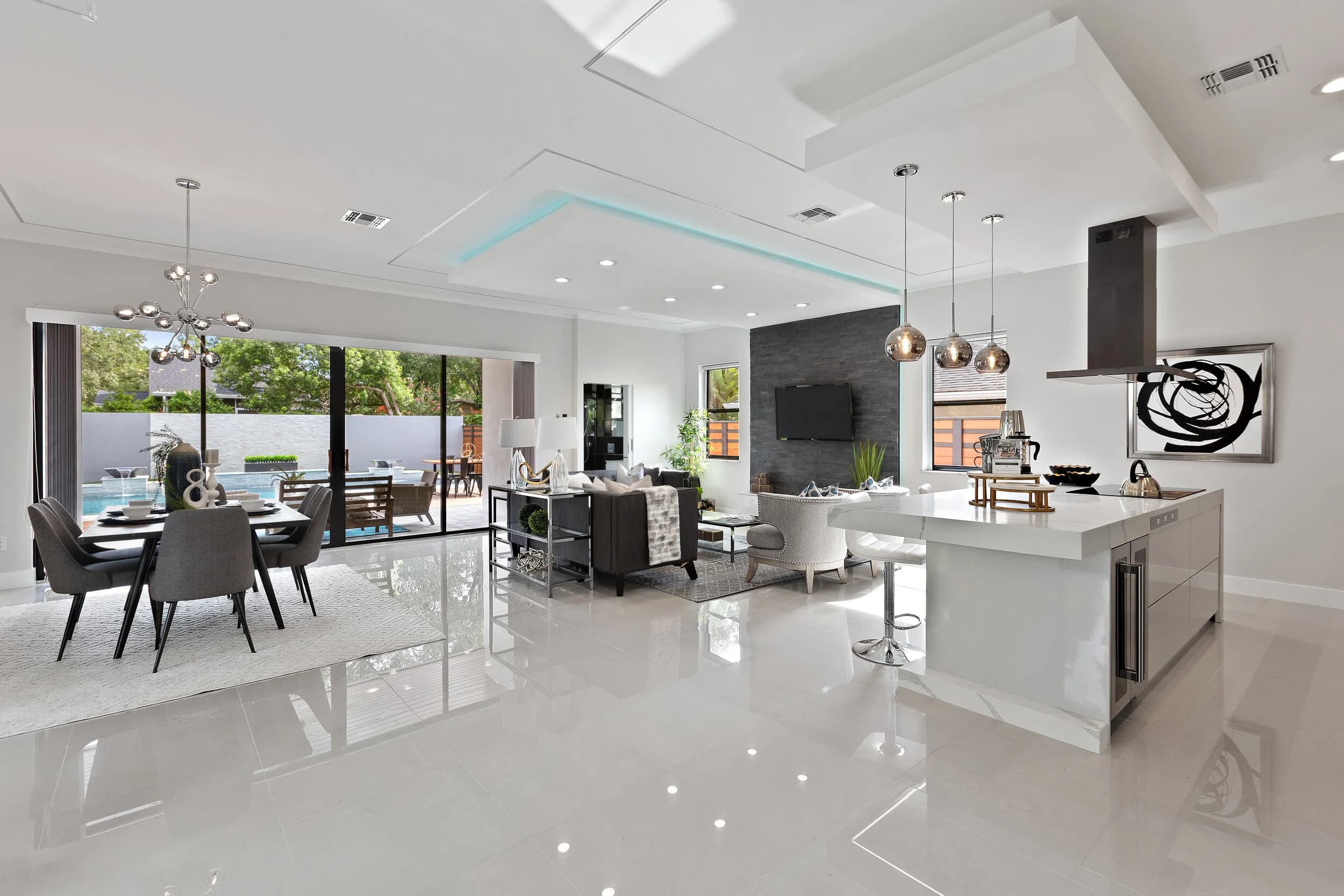
Award juries look at a lot of projects in a short time, and most of them judge on images alone. A strong design can lose to a weaker one that is photographed better. If you are an architect, interior designer, or builder preparing a submission in Orlando, Tampa Bay, Central Florida, Austin, or San Antonio, the photography plan deserves as much attention as the design narrative. This guide covers how to prepare a project so the images do their job.
Start With the Call for Entries
Every program sets its own rules, and they differ widely. Before anyone picks up a camera, read the submission requirements closely and write down what applies to your category:
- How many images are allowed, and whether captions or plans are required.
- File format, size, and orientation requirements.
- Whether credits and watermarks are permitted or must be removed.
- Whether the entry is judged anonymously, which can limit what appears in the frame.
- Any rules about staging, styling, or retouching.
Share that list with your photographer at the start. It shapes the shot list, the editing, and the delivery files. Do not assume rules from one competition carry over to another.
Build the Shot List Around the Story
Juries want to understand an idea, not scroll through a catalog. Decide what the project is really about: a restored historic facade, a kitchen that opens to a lanai, a material palette, a response to a tight urban lot. Then plan a sequence that tells that story, from an establishing exterior to the spaces that prove the concept, to details that show craft.
A good set usually mixes wide views that show how spaces connect with a few tighter frames on joinery, texture, and lighting. Our architectural photography shot list shows what to send a photographer so nothing important is missed.
Prepare the Space Like a Set
Award photography is less forgiving than listing photography because jurors expect a clean, intentional space. Plan a styling pass: clear counters, tidy cords, remove signage and personal items, and add a small number of deliberate props. Confirm that landscaping is complete and that punch-list items are done. If there is a moment when the light does something special, such as low sun across a stairwell or dusk on a glass facade, tell the photographer so the schedule can be built around it.
Weather matters in Florida and Texas alike. Build in a backup date for exterior views, especially if twilight is part of the story. Afternoon storms in Central Florida and heat haze in Central Texas can both change how a building reads on camera, so a flexible schedule protects the shoot.
Finally, decide who needs to be on site. A designer or architect who can explain intent in a few sentences helps the photographer prioritize angles, and a builder or property manager can handle access, lighting controls, and last-minute fixes while the camera is running.
Choose the Right Photographer and Agree on Usage
Architectural and interior work is a specialty. Look for a portfolio that shows controlled verticals, accurate color, and consistent lighting across a whole project, not just a few hero frames. If you are comparing options, how to choose an architectural or interior design photographer goes through the questions worth asking.
Also settle usage rights up front. Competitions, publications, your website, and a client's marketing may each need permission. Putting it in writing early avoids last-minute trouble when an entry or feature has a deadline. The basics are explained in who owns your photos: copyright and licensing.
Keep Entries Consistent With Your Portfolio
Award images often live on beyond the competition. They end up in your portfolio, press features, and proposals. Shooting with that in mind means one visual language across the project, rather than a mix of styles. For a wider view of building that body of work, see our post on who photographs interior design projects for portfolios and awards.
The simplest approach is to treat the submission as a small production: confirm the rules, write the story, prep the space, schedule around the light, and agree on usage before the shoot day. Do those five things and your photographer has everything needed to give the jury a clear picture of the work.
If you have a project in mind and a deadline approaching, tell us the program and the date so the shoot can be planned around it. Ready to book? Call or text (689) 600-2131 or get in touch.