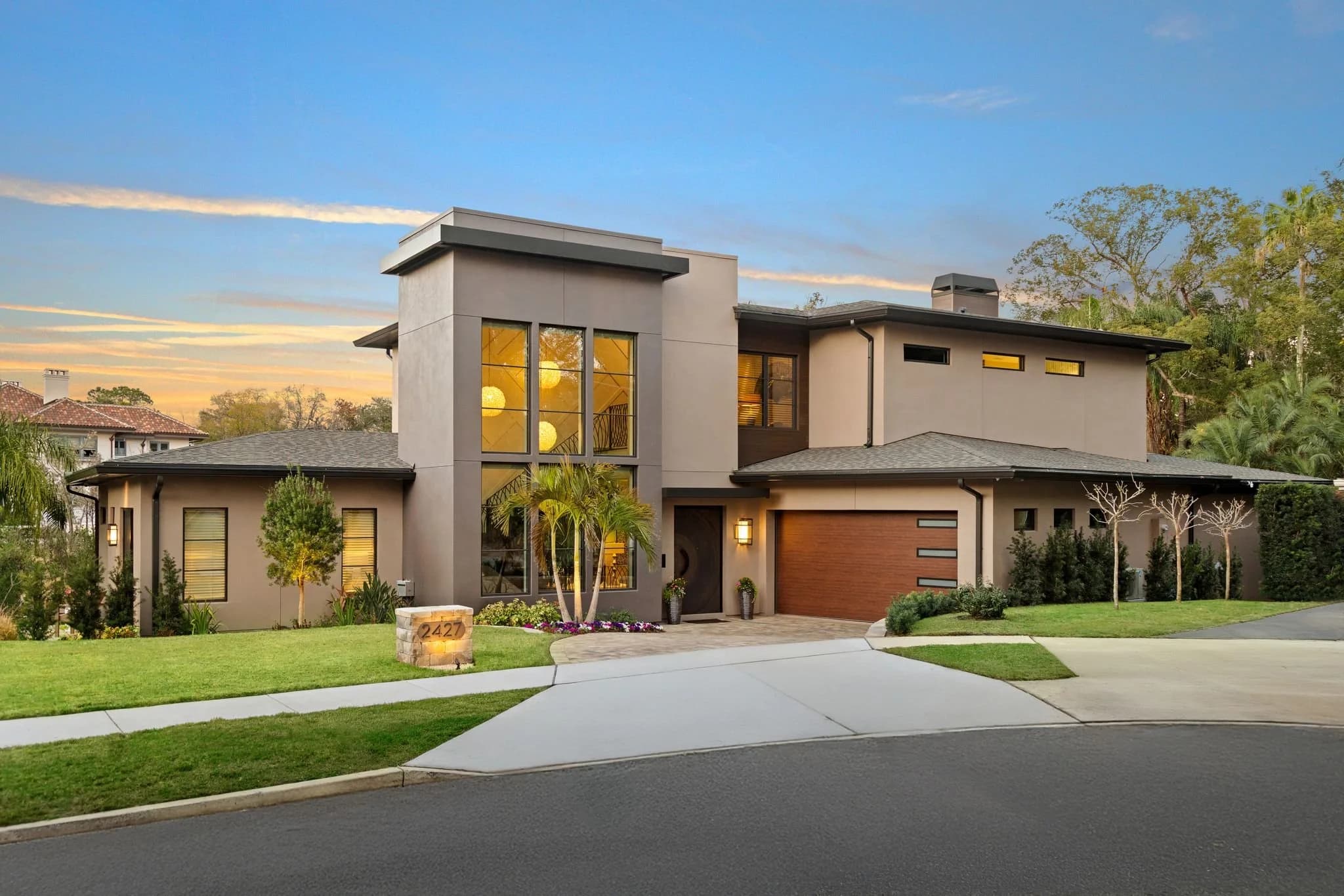
Architects spend years on a project and often get a single day to photograph it. That day produces the images that will appear in the firm's portfolio, award submissions, publications, proposals, and social media for years. The difference between a good shoot and a great one usually comes down to preparation, and the most useful piece of preparation is a clear shot list and brief.
For architects and design-build firms in Orlando, Tampa Bay, Central Florida, Austin, and San Antonio, here is what to send your photographer before the shoot and why each item matters.
Start With the Design Story
Before listing shots, write a few sentences about the project. What was the design problem, and how did the building solve it? Maybe it is about framing a lake view, managing Florida sun, creating privacy on a tight urban lot, or connecting indoor and outdoor living. A photographer who understands the idea can compose images that show it, rather than simply documenting rooms.
Include any drawings that help: a site plan, floor plans, and a few sketches or renderings. These help the photographer plan sun angles and routes through the building before arriving.
Build the Shot List
A practical architectural shot list usually moves from the outside in and from wide to close:
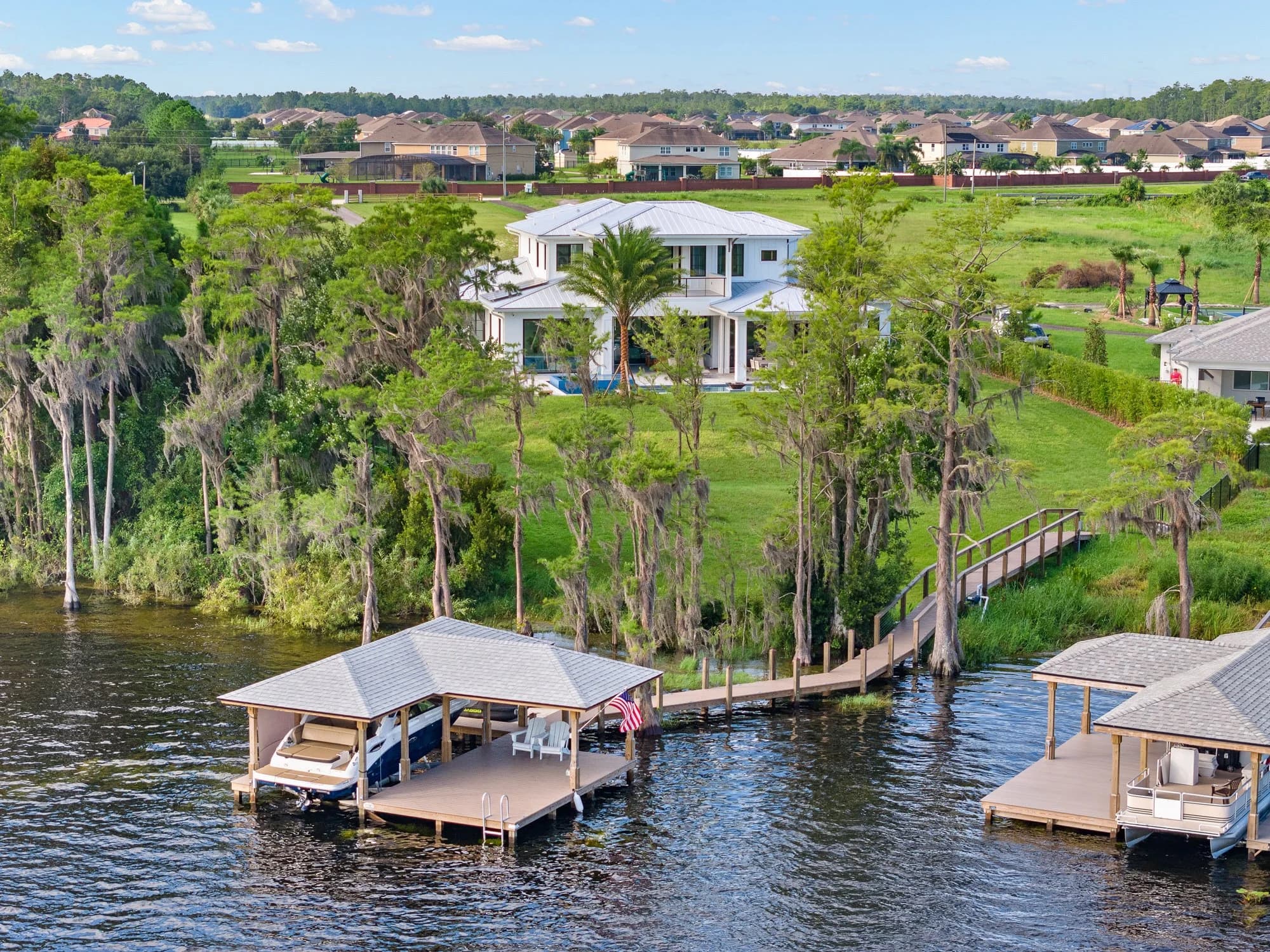
- Context views. The building in its setting, including the street, landscape, water, or skyline. A drone frame is often useful here.
- Primary elevations. Straight-on and three-quarter views of the main facades.
- Approach and entry. How a person arrives and moves into the building.
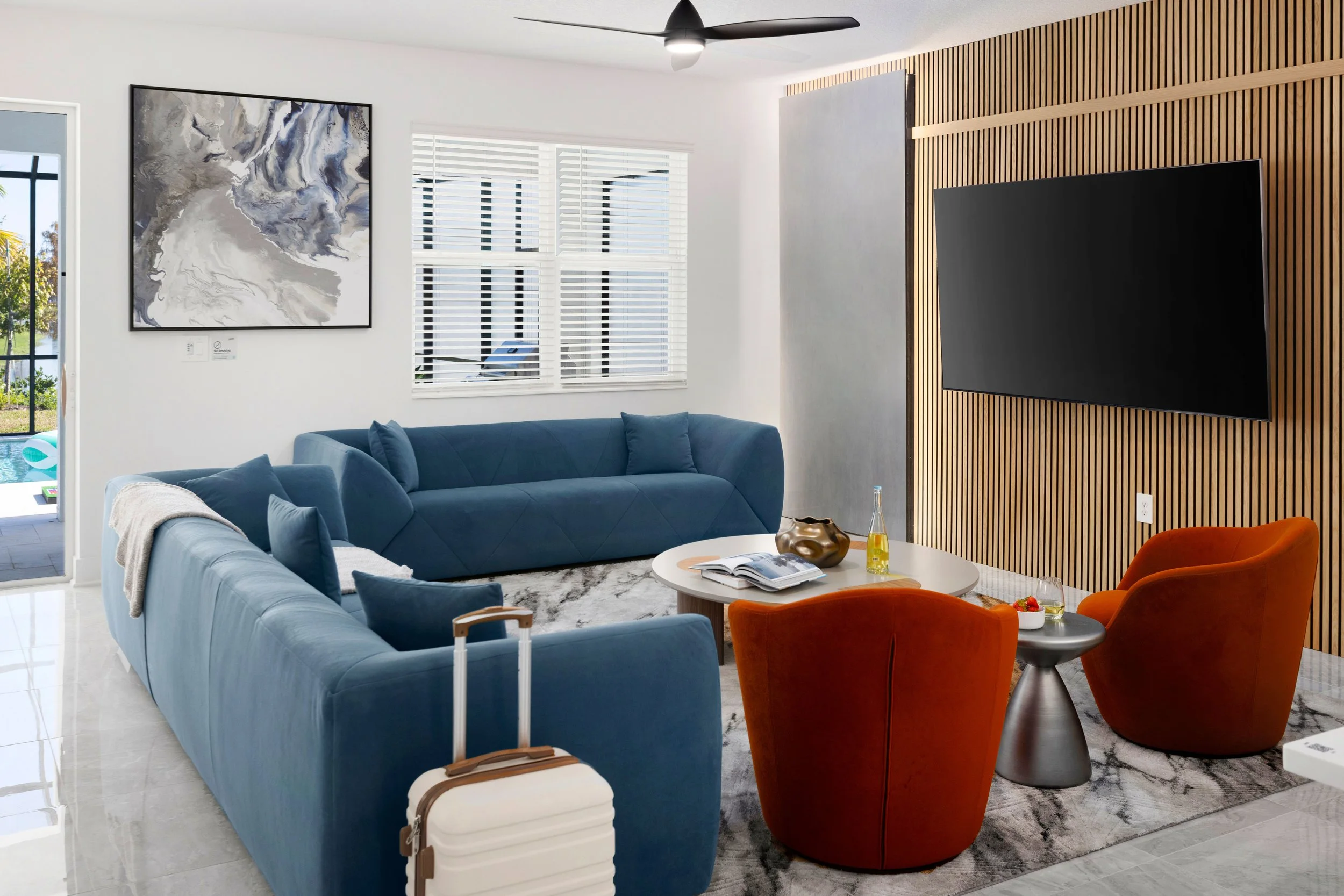
- Key interior spaces. The rooms that carry the design, in priority order.
- Connections. Views that show how spaces relate, such as a kitchen to a terrace or a stair to a double-height volume.
- Details. Materials, junctions, custom millwork, railings, lighting, and anything the team worked hard to resolve. Our guide to photographing high ceilings and vertical features covers some of the technical challenges.
Mark each shot as must-have or nice-to-have. That way, if light or weather shifts the plan, the photographer knows what to protect.
Decide on Light and Time of Day
Light changes architecture. A facade facing east may only look right in the morning, and a glass pavilion may come alive at dusk. Tell the photographer which views matter most and let them plan the day around the sun. Many projects benefit from a twilight session for exteriors and key interior views.
In Central Florida and Central Texas, summer afternoon storms and haze are common, so build a weather backup date into the plan. Our post on twilight interior photography shows what evening light can add.
Settle Style Questions Before the Shoot
A few decisions are easier to make in advance:
- People or no people. Some firms want empty, pure spaces. Others want a few people to show scale and use. If people appear, collect releases.
- Styling. Who provides furniture, flowers, and props, and who styles them on the day.
- Orientation. Horizontal frames work for websites and publications, but social media and some award platforms favor vertical images. Ask for both where it matters.
- Post-production. Agree on how much retouching is expected, such as removing construction leftovers or a stray utility box, and what should stay untouched.
Plan Access and Logistics
Occupied homes and active commercial buildings need coordination. Confirm access times, contacts on site, parking, and whether the owner needs to be present. Ask the owner to clear personal items in advance. If the building is commercial, check whether the photographer needs a certificate of insurance. Our post on photographer insurance and commercial site access covers what property managers usually ask for.
Agree on Usage and Sharing
Architectural images are often shared by several parties: the architect, the builder, the interior designer, the engineer, product manufacturers, and the owner. Tell the photographer everyone who may want to use the images and for what. Usage terms are much simpler to set up before the shoot than after. Our guide to choosing an architectural and interior design photographer covers the questions to ask when hiring.
The Short Version
Send your photographer the design story, drawings, a prioritized shot list, light and timing preferences, style decisions, access details, and a list of everyone who will use the images. A clear brief turns one shoot day into a portfolio that does the building justice. Timing for final images is confirmed at booking. Ready to book? Call or text (689) 600-2131 or get in touch.