An architectural photographer documents buildings and spaces so that their design, materials, and setting are shown clearly and accurately. The work goes beyond taking attractive pictures: it means reading the architect's intent, planning around light and weather, and delivering images that can be used for portfolios, awards, publications, and marketing. This guide explains what the job involves for architects, builders, and designers in Orlando, Tampa Bay, Central Florida, Austin, and San Antonio.
The Core Job: Telling the Story of a Design
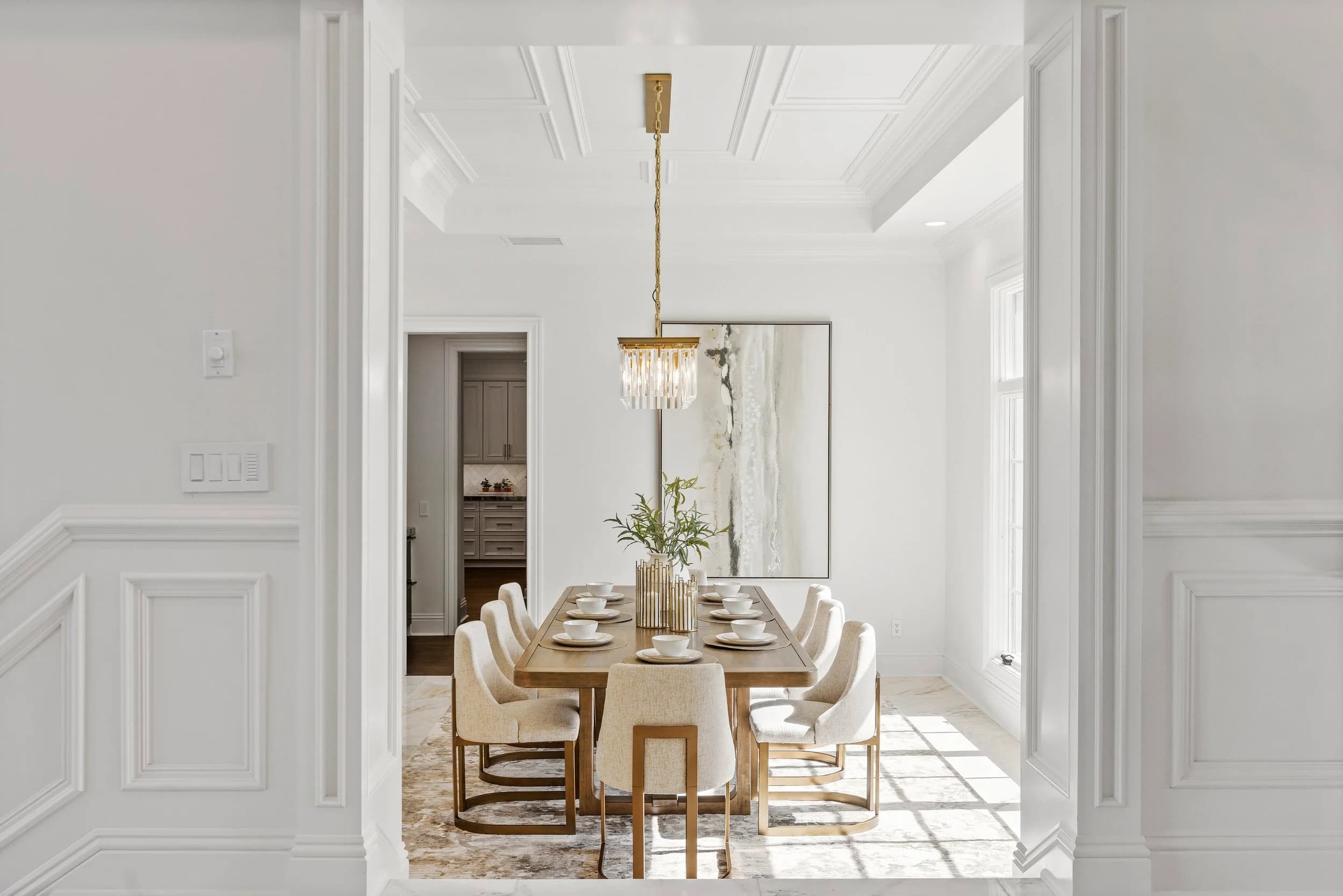
Every building is designed with a purpose, a set of materials, and a relationship to its site. The photographer's task is to translate that into a set of images. That usually means a mix of wide exterior views, close material details, interior spaces, and the transitions between them, such as an entry sequence or a stair. The goal is to show how the building works, not only how it looks from the street.
Architectural work also differs from standard listing photography. Compositions are slower and more deliberate, lines are corrected carefully, and the image is built to represent the design rather than to sell a specific property. Our comparison of architectural and real estate photography covers those differences in more detail.
What Happens Before the Shoot
Much of the value comes from preparation.
- Understanding the project. The photographer reviews drawings, renderings, and the architect's design notes to learn what matters most.
- Scouting and light planning. They study how the sun moves across the building, which facades face which direction, and when each space looks its best.
- Weather and timing. In Florida, afternoon storms and humidity affect planning. In Austin and San Antonio, strong midday sun can flatten materials. A good plan accounts for both.
- Coordination. Access, furniture, landscaping, and cleanup are arranged in advance so the day is spent making images rather than solving problems.
Architects can make this step easier by sending a clear brief. Our post on the architectural photography shot list outlines what to include.
What Happens During the Shoot
On site, the photographer works with professional cameras, tilt-shift or carefully corrected lenses, and tripods to keep verticals straight and detail sharp. They often return to the same space at different times of day to capture changing light. Typical coverage includes:
- Primary exterior elevations from the angles that best show the design
- Twilight views with interior lighting balanced against the sky
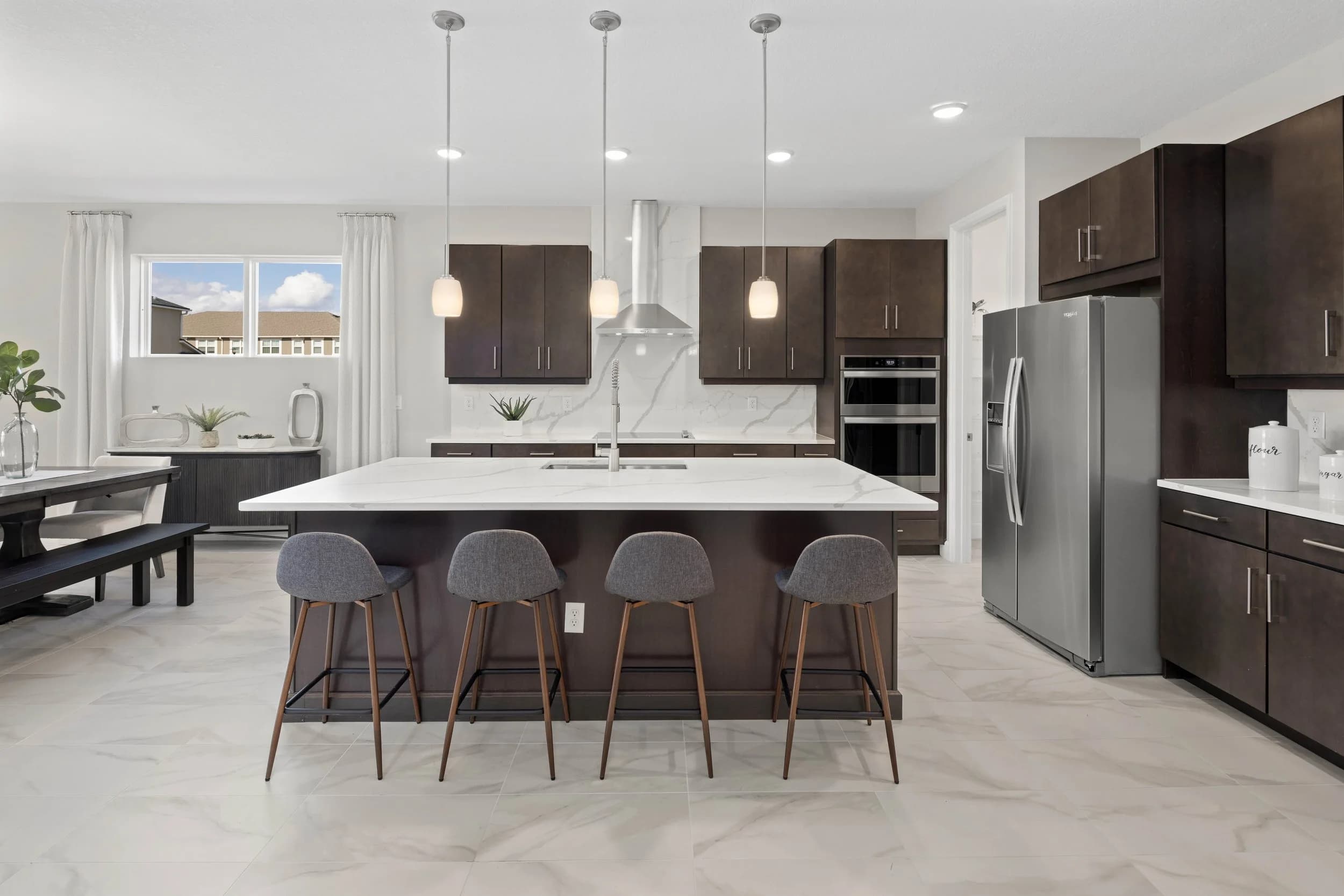
- Interior spaces shot from corners, doorways, and along main sightlines
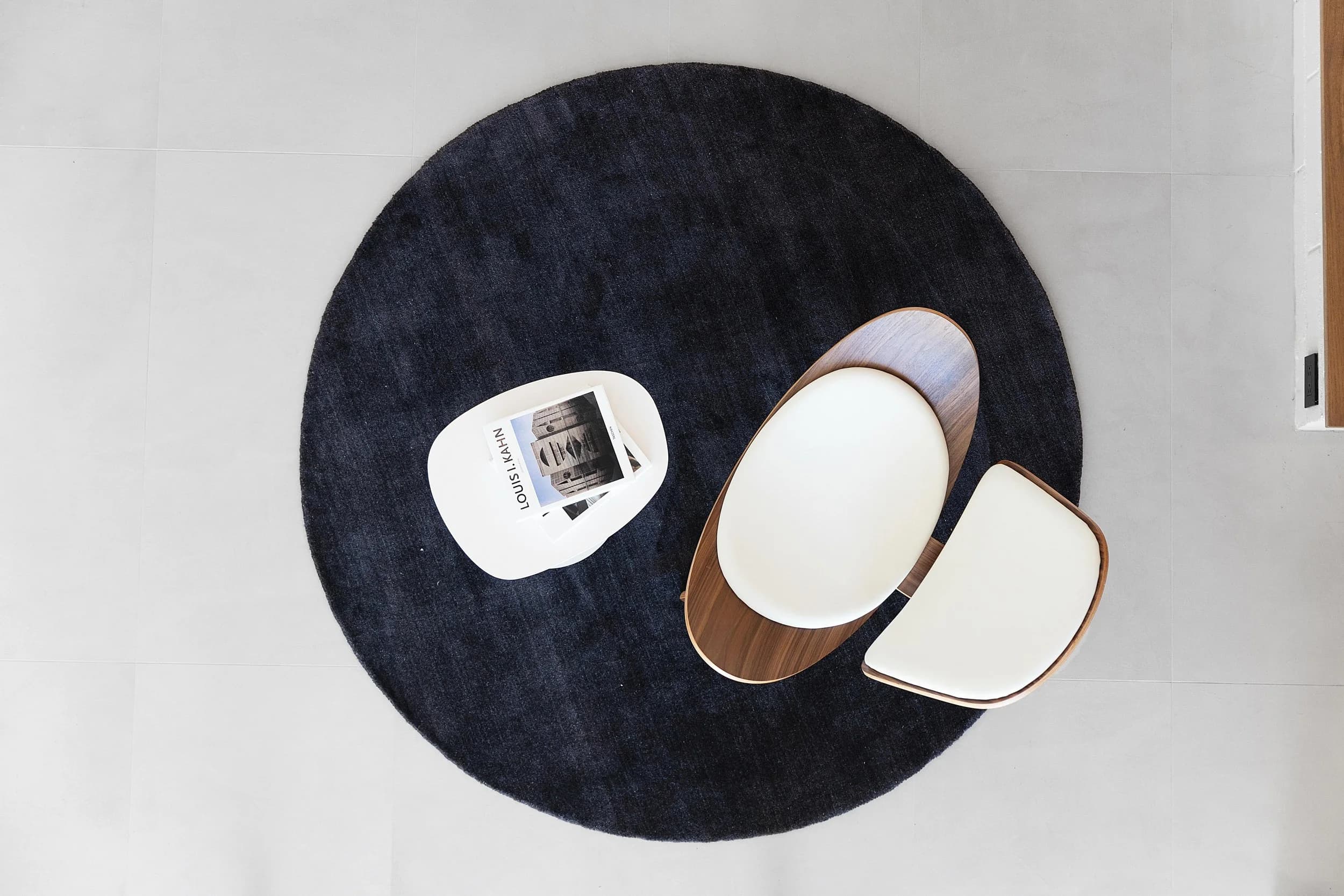
- Detail images of materials, joinery, hardware, and craft
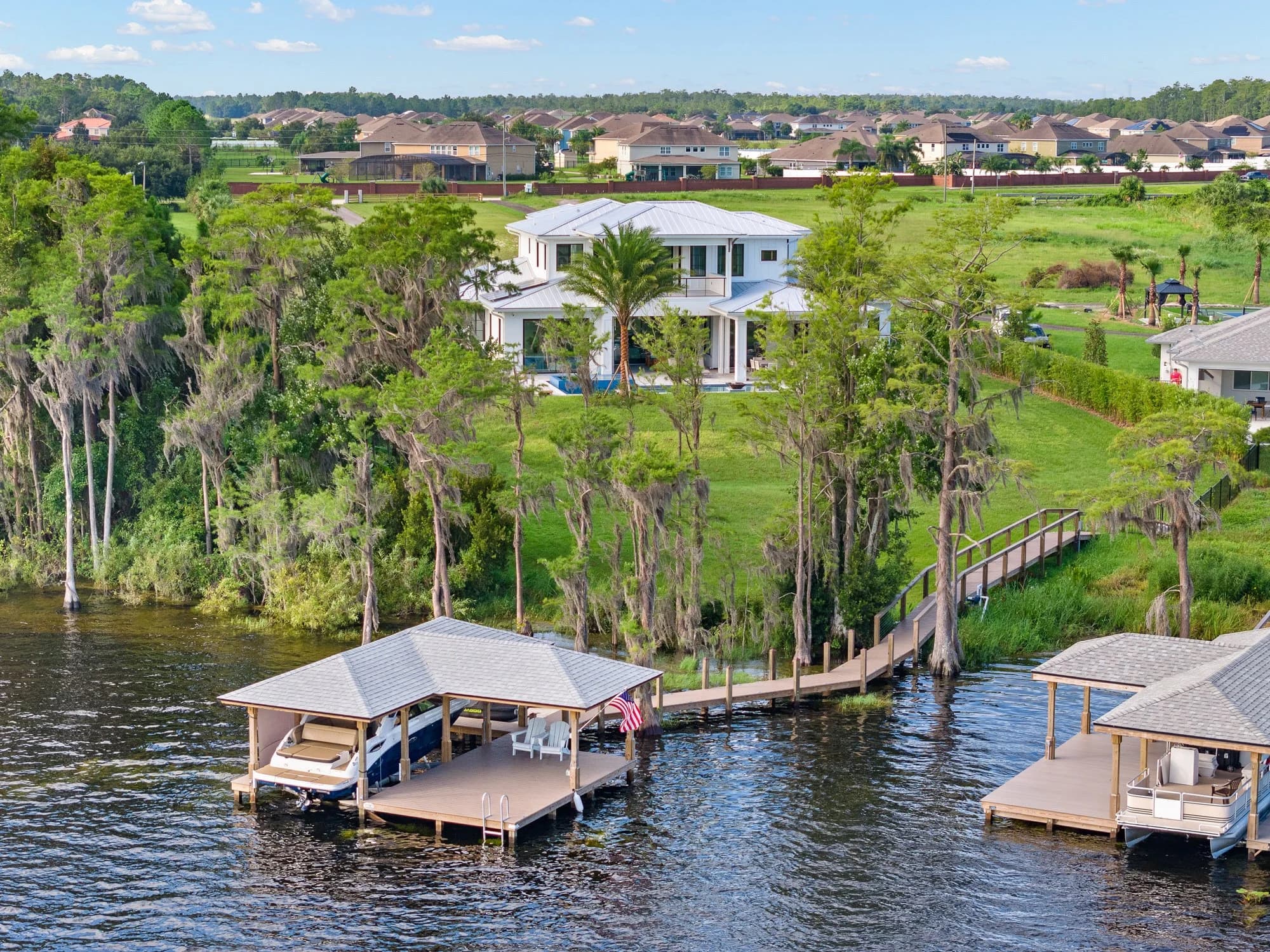
- Aerial views when the context or site layout matters
Styling is part of the process. Even in a finished building, a few small adjustments such as straightening furniture, turning off distracting lights, and removing clutter can change how the architecture reads.
What Happens After the Shoot
Post-processing in architectural work is careful, not heavy. The photographer blends exposures, balances color, corrects perspective, and removes temporary distractions such as cords or signage. The result should look like the building does on a very good day, not like a different building.
The final set is organized for how it will be used. Architects often need images for their website and portfolio, award or publication submissions, and proposals for new clients. Usage and licensing are worth discussing up front so everyone knows how the images can be shared with the builder, the owner, and the press.
Who Hires an Architectural Photographer
Architects and designers are the most common clients, but builders and developers hire architectural photographers too, especially for custom homes, commercial buildings, and projects they want to feature in their own marketing. If you are weighing options, our guide to choosing an architectural and interior design photographer lists the questions to ask, and interior design portfolio photography explains how to build a portfolio that reflects your work.
Look for a photographer whose portfolio shows careful composition, accurate color, and a clear understanding of how buildings are used. Ask how they plan around light, how they handle styling, and what the final set will include. Ask to see a full project set, not only highlights, so you can judge consistency across a whole building. A short conversation before the shoot tells you more than a brochure or a list of gear.
Ready to book? Call or text (689) 600-2131 or get in touch.