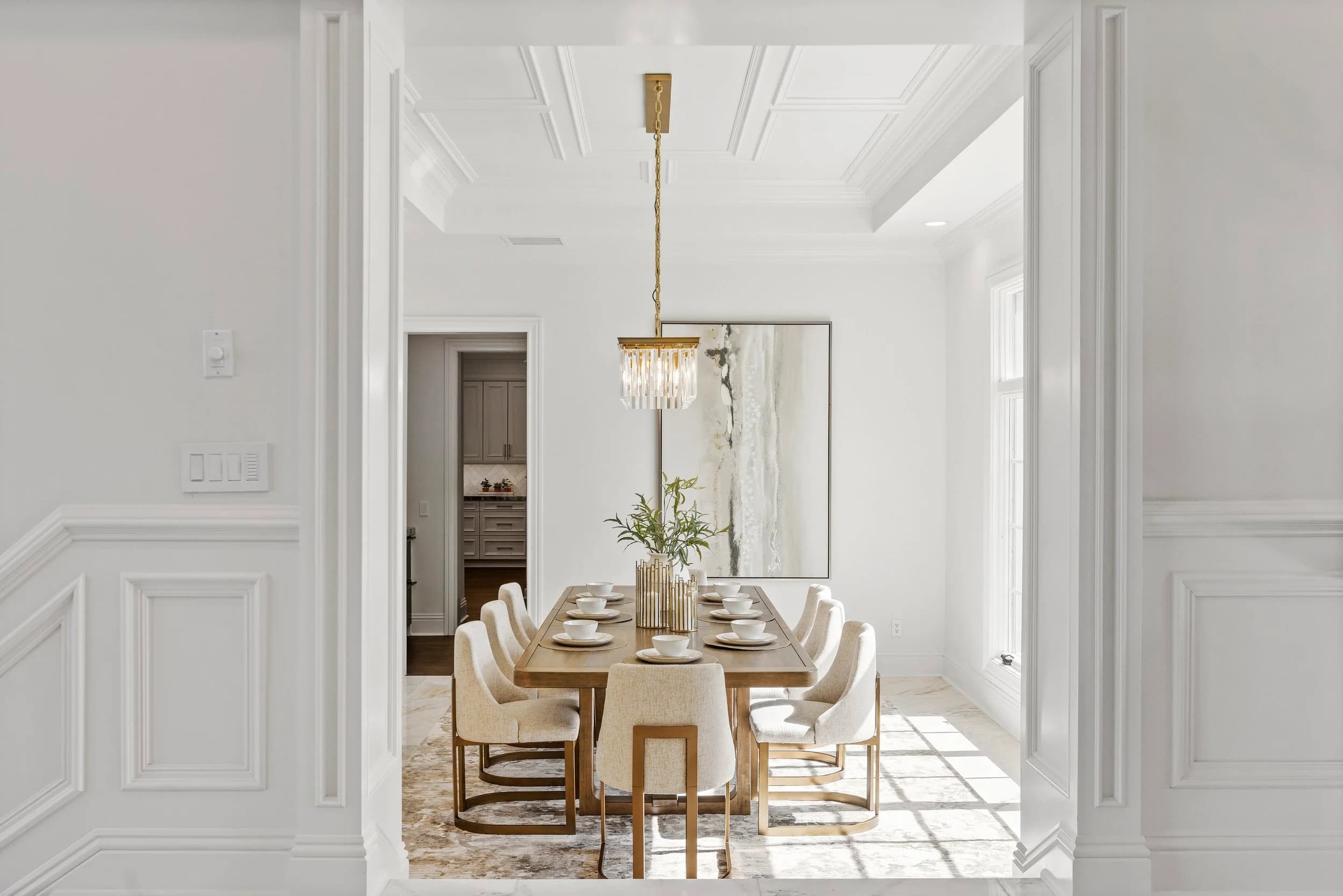
A proposal is often judged in minutes. A selection committee flips through a stack of responses, and the photographs are what they remember. For architects and interior designers in Orlando, Tampa Bay, Austin, and San Antonio, project photography is not just a portfolio asset. It is evidence, and how you use it in a proposal or RFP response can matter as much as the images themselves.
This post is about using photography inside proposals. If you are planning the shoot itself, this guide to the architectural photography shot list covers what to send your photographer.
Match the Images to the Request
The strongest proposals read the request closely and choose images that answer it. If a client is seeking a hospitality renovation, lead with finished hospitality work, even if your best-known project is a different type. A reviewer should be able to see the relevance without reading a caption.
A few habits help:
- Choose fewer, better images rather than filling every page. Three confident photographs of a relevant project beat twelve scattered ones.
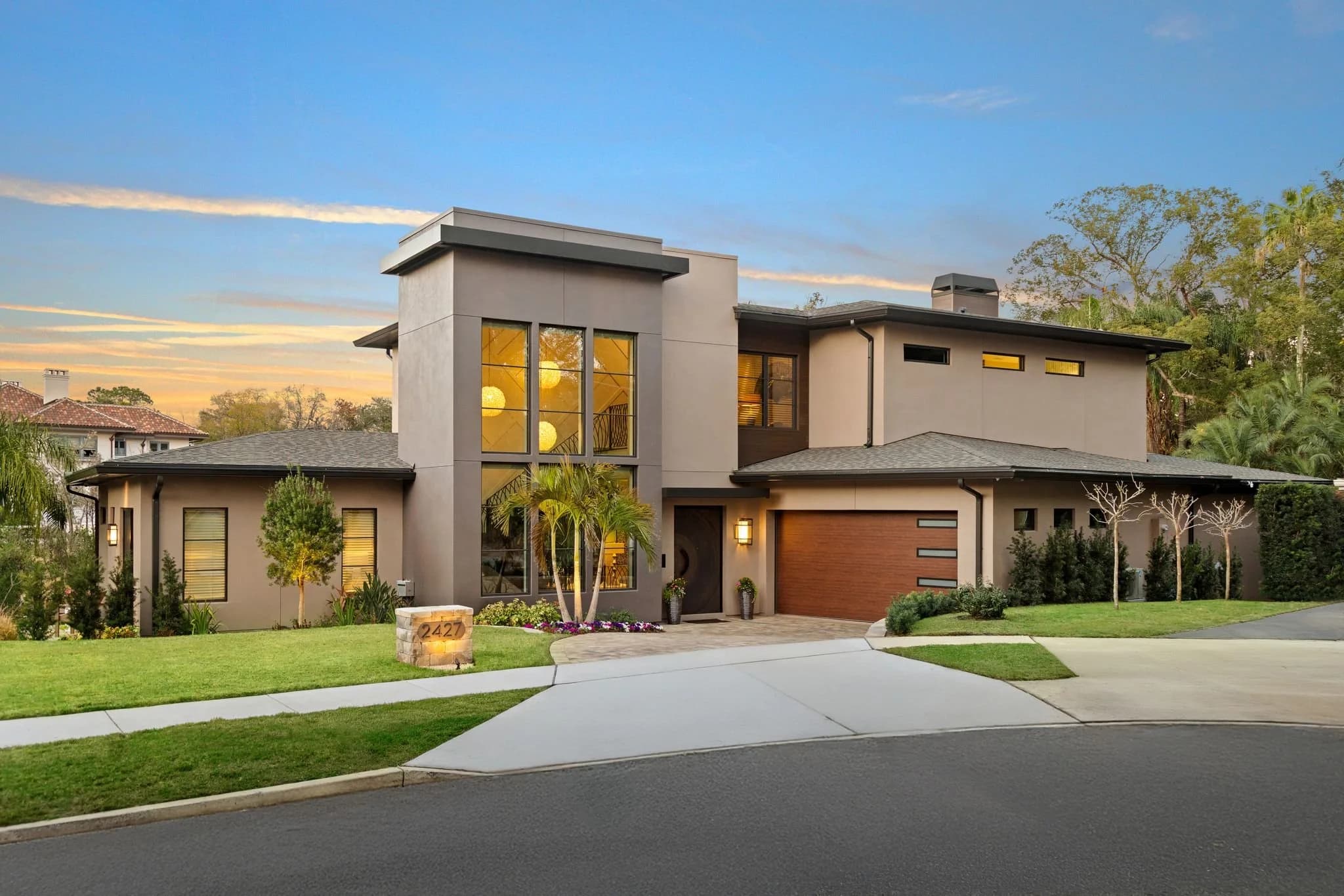
- Show scale and context. Include at least one wide view that places the project in its setting, then a few closer images that show materials and detail.
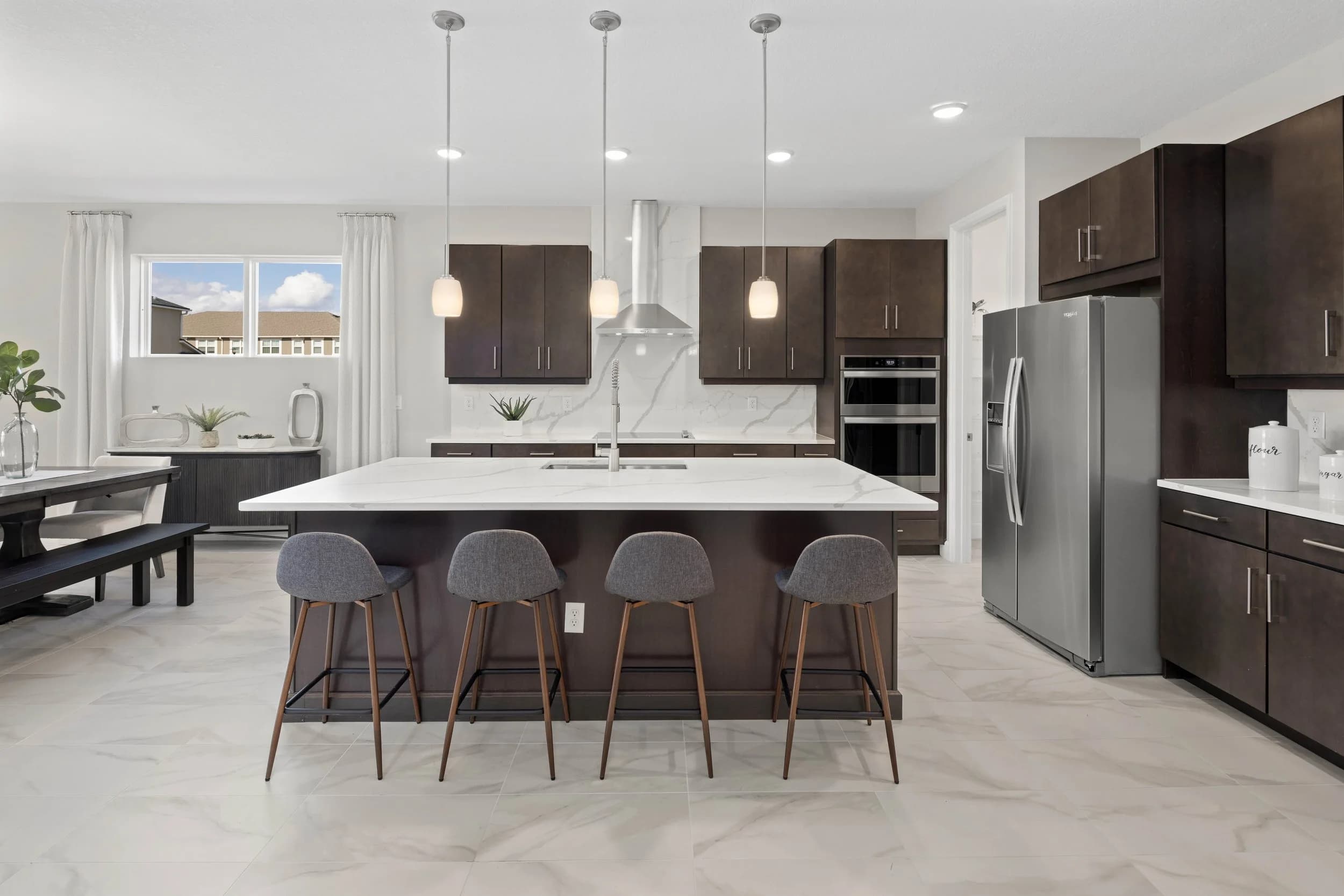
- Mix interiors and exteriors where both exist, so the committee sees how the building and its rooms work together.
- Keep the style consistent. Images from the same photographer usually share light, color, and framing, which makes the whole document feel organized.
Write Captions That Do Real Work
A caption is an opportunity to support a claim. Instead of "Lobby, completed 2025," explain what the image proves: the type of project, your role, and one specific design response. Keep it factual and short. If the photograph supports a point about daylighting, circulation, accessibility, or material durability, say so in a sentence.
Be careful to credit accurately. If your firm collaborated with an interior designer, landscape architect, or builder, name them as the project required. Accurate credit builds trust with reviewers who may know those teams.
Show Process as Well as Results
Proposals for complex work benefit from images that show more than a finished room. Construction progress photos, before-and-after views, and detail shots of key assemblies can demonstrate that your team understands delivery, not just design. If you document projects as they move through construction, you will have this material ready when an opportunity appears. Many firms regret not photographing the phases they only see once.
Build a Library You Can Pull From
The worst time to organize photographs is the night before a deadline. Keep a simple library sorted by project type, market, and use case, with the best images flagged and each project's credits written down. Note which files are cleared for print, web, and submissions. Interior design portfolio photography explains how to think about the long-term collection, and the same principles apply to proposal work.
It also helps to keep both horizontal and vertical crops, and a few images with room for text. Reviewers often receive documents in a set format, and flexible crops save you from stretching or cutting an image awkwardly.
Confirm Usage Rights Before You Submit
Before any photograph goes into a submission, confirm that you are allowed to use it that way. Photographers generally own the copyright to their work and license it for specific uses, and the license may list the firm, the client, or both. If an RFP response will be published, shared with partners, or used in marketing, check that the license covers it. Who owns your photos and how licensing works explains the basics, though architecture and design projects can have their own terms, so it is wise to settle them at booking.
It is also worth confirming client permission. Some owners, such as healthcare, education, and private residential clients, may have restrictions on images or the way their property is described.
Hire for the Documents You Will Write
If you know you will respond to proposals regularly, tell your photographer. A professional who understands how the images will be used can plan the angles, the detail shots, and the quantity accordingly. Choosing an architectural and interior design photographer offers a good starting point for that conversation.
Strong proposals are built long before the request arrives, one well-photographed project at a time. Ready to book? Call or text (689) 600-2131 or get in touch.