If you’ve ever asked a photographer for a quote and been asked “is this architectural or real estate?” — and hesitated — you’re not alone. The two look similar in a portfolio but are built around completely different goals, timelines, and budgets.
Here’s how to tell which one your project actually needs.
The Short Version: Speed vs. Precision
Real estate photography exists to sell or lease a specific property, fast. The gallery goes to the MLS, Zillow, and social channels within a day or two, and its job is to get a buyer to book a showing.
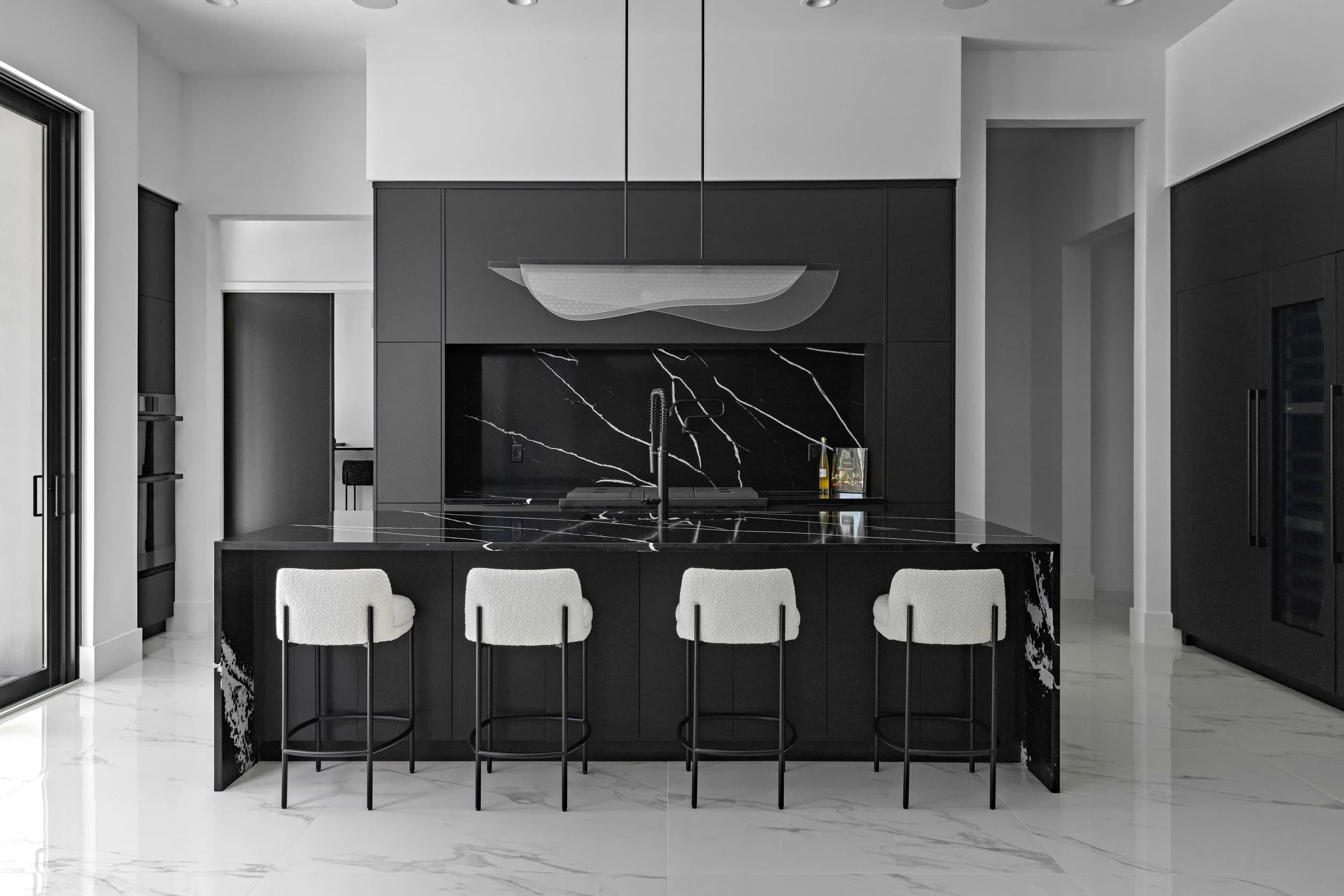
Architectural photography exists to document a building as a piece of design work. It’s made for the people who created the space — architects, builders, interior designers, contractors, product manufacturers — and it lives in portfolios, award submissions, trade publications, and marketing collateral for years.
One is a sales tool with a shelf life of weeks. The other is a brand asset with a shelf life of a decade.
What Changes on the Shoot Day
The difference shows up most clearly in how the day is run.
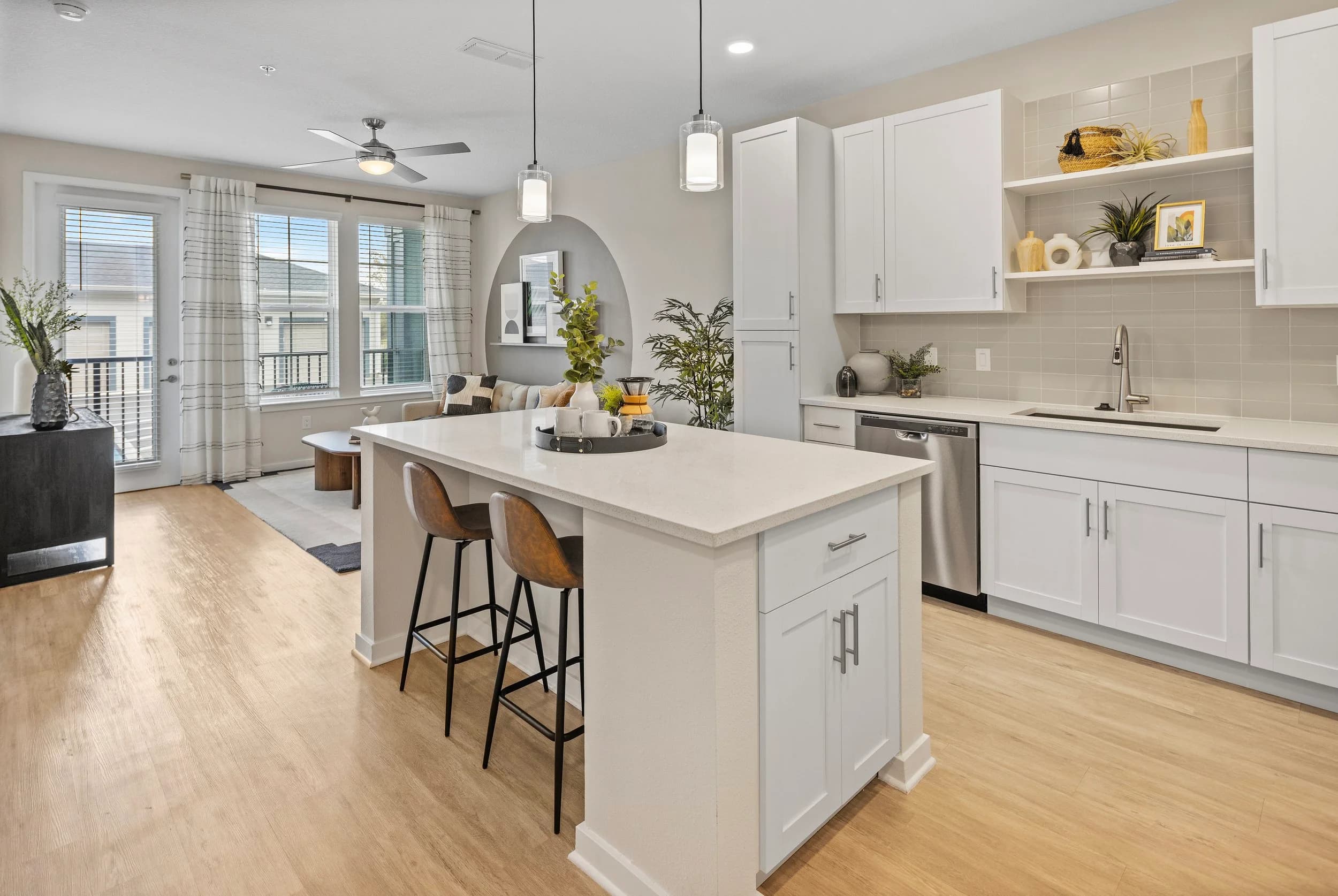
A real estate shoot covers the whole property efficiently. A photographer works room to room on a set sequence, shooting wide, clean, well-lit frames that show layout and flow. A 2,500 sq ft home typically takes 60–90 minutes and produces 30–45 images.
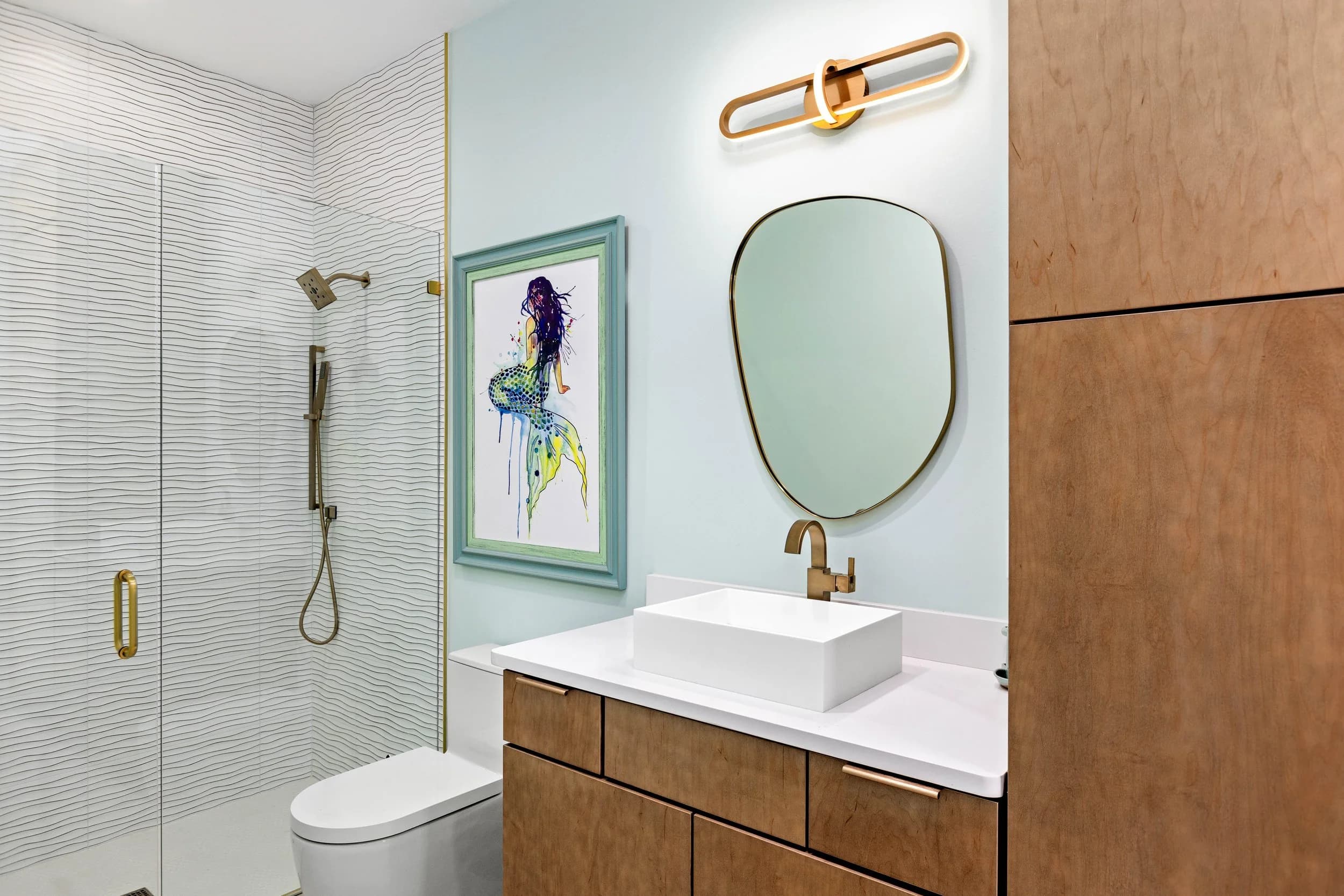
An architectural shoot slows way down. Instead of covering everything, you’re building a small number of deliberate images. That means:
Waiting for the light to hit a facade at the right angle
Styling and re-styling within the frame — moving a chair three inches, removing a power cord, adjusting a blind so every slat matches
Compositing multiple exposures so interior and exterior light both read correctly
Precise vertical and horizontal alignment, corrected in post
Sometimes returning on a second day for a different weather condition
A single architectural image can take 45 minutes to build. A full shoot might produce 10–20 finished images across a full day.
Who Needs Which
You most likely need real estate photography if you’re:
An agent listing a home for sale
A property manager marketing a rental
A vacation rental owner refreshing an Airbnb or VRBO listing
A builder who needs a spec home documented for the MLS
You most likely need architectural photography if you’re:
An interior designer building a portfolio to attract higher-budget clients
An architect submitting a project for awards or publication
A custom builder marketing craftsmanship rather than a specific address
A commercial developer producing leasing collateral for a new building
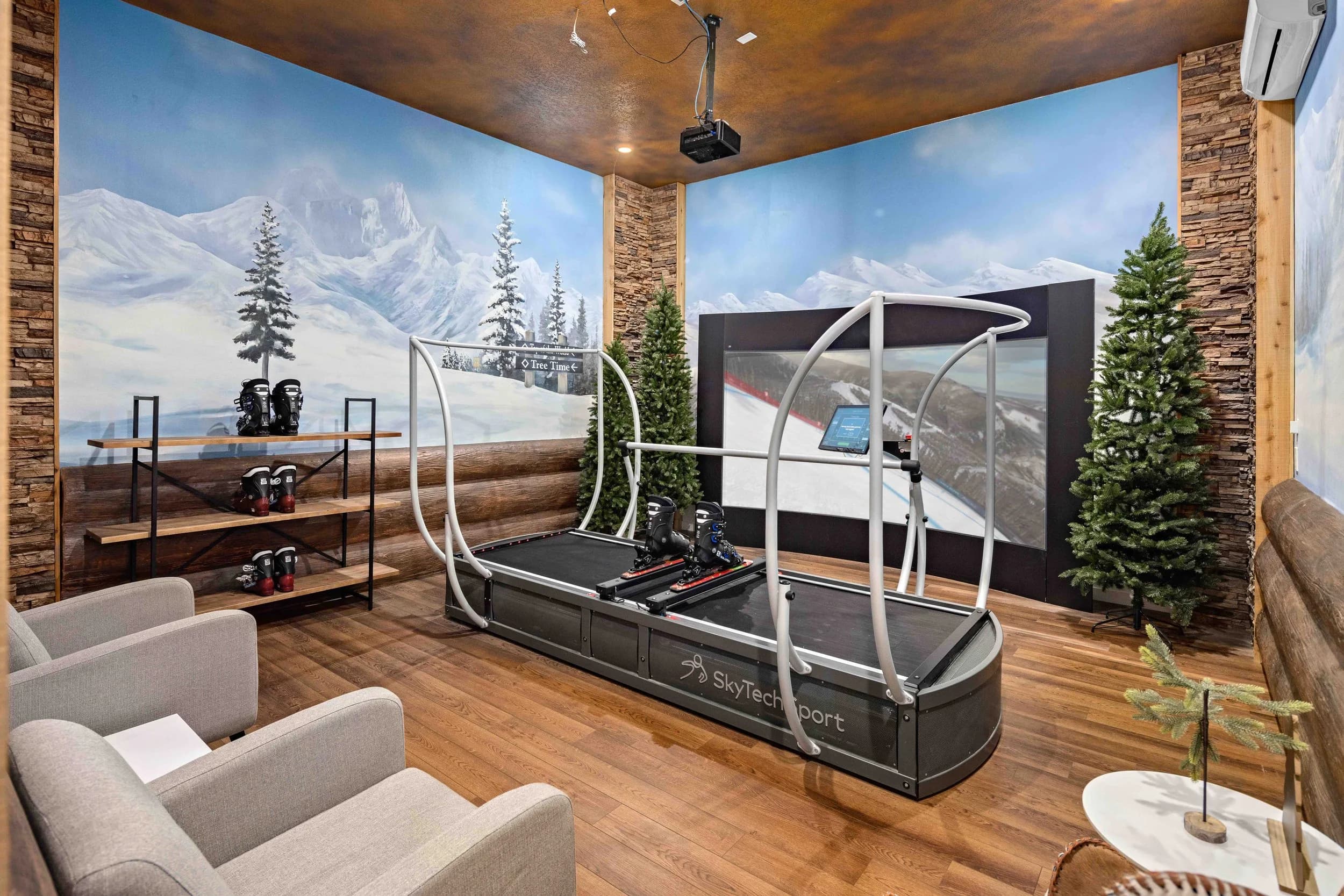
A product or millwork company showing your work installed in a real space
Where the Line Blurs: Luxury Listings
High-end listings sit in between, and this is where a lot of Orlando and Tampa Bay agents get tripped up.
A $3M waterfront estate or a custom home in a design-forward community deserves more than a standard 90-minute run-through. The materials, the millwork, the way afternoon light moves through a great room — these are the things that justify the price, and they don’t show up in a fast gallery.
For those properties, a hybrid approach usually makes sense: full MLS coverage for completeness, plus a handful of true architectural images as hero shots for the listing, brochure, and paid ads. You’re paying for a longer day, but you get assets the seller’s marketing can actually lead with.
What This Means for Your Budget
Because the two are priced on entirely different logic, comparing quotes without naming the service is how people end up confused.
Real estate photography is typically priced per property, often by square footage, with a flat delivery of a full gallery.
Architectural photography is typically priced by the day or half-day, with a set number of finished images, plus licensing terms that define how and where the images may be used.
That licensing piece matters. Architectural images are frequently shared among project stakeholders — the builder, the designer, the cabinet maker all want to use the same photos. Sorting out usage rights up front avoids awkward conversations later.
How to Brief Your Photographer
Whichever you need, three questions make the quote accurate:
What is this for? Selling an address, or marketing a brand?
Where will the images live? MLS only, or portfolio, print, and third-party use?
How many finished images do you actually need? Full coverage, or a curated set?
Answer those and a good photographer can tell you within a minute which service fits — and whether a hybrid makes more sense than either one alone.
The Bottom Line
Real estate photography sells the property. Architectural photography sells the work that went into it. Most projects clearly need one or the other, and knowing which one you’re asking for saves time, money, and a mismatched gallery.
Ready to book? Get in touch or call us — we serve Orlando, Tampa Bay, and Central Texas.