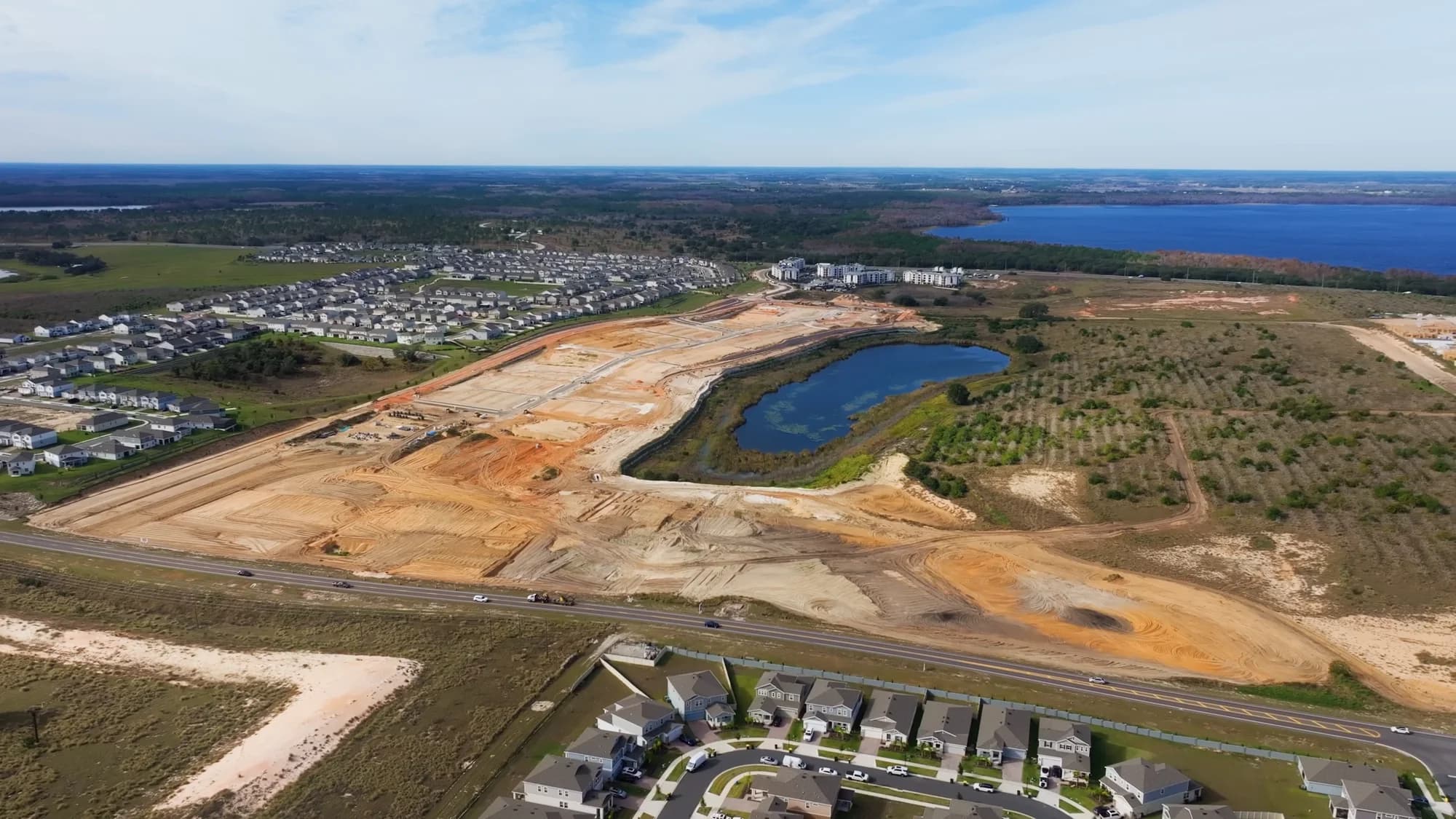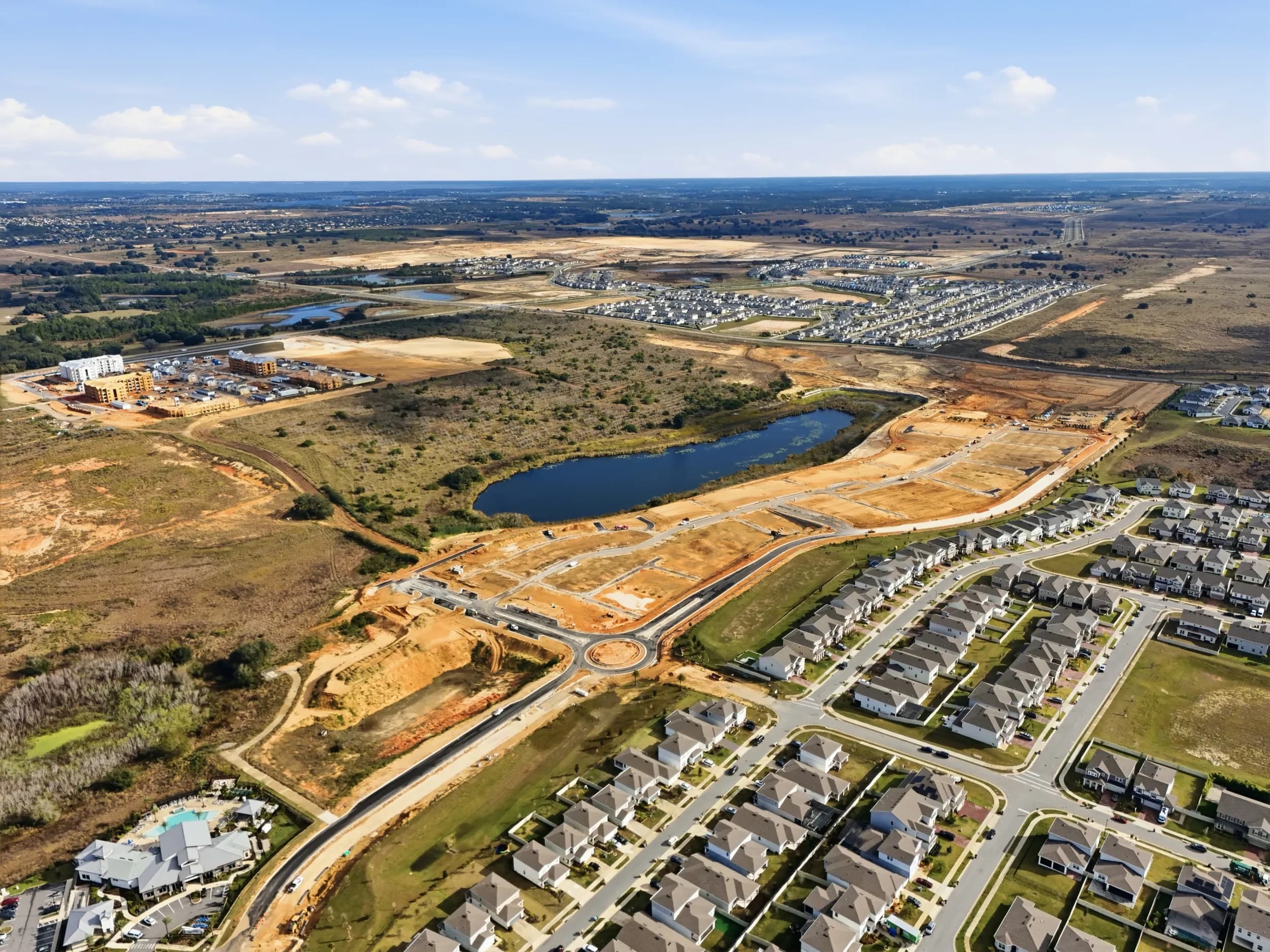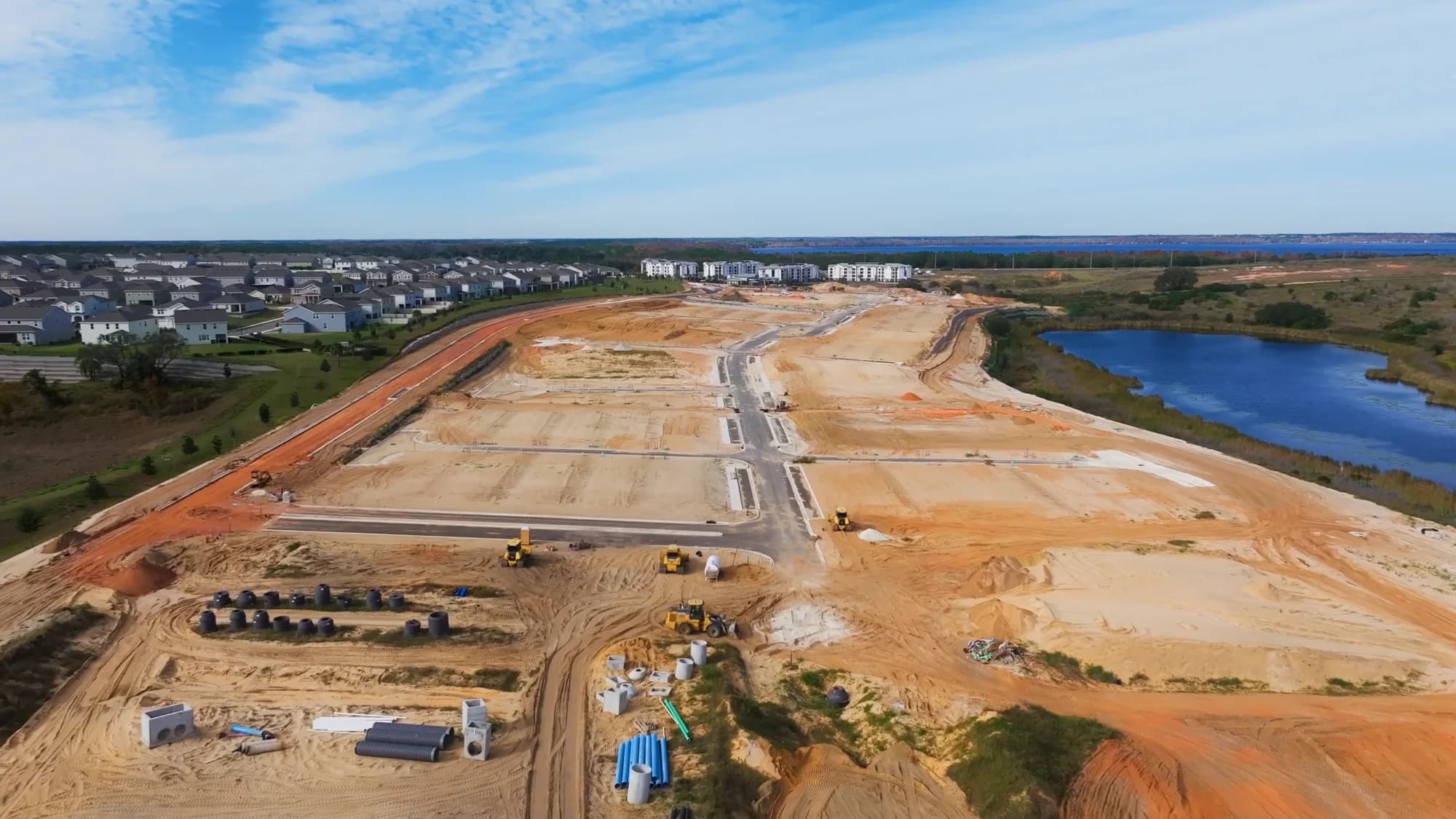
Most renovation photography plans have two photo moments, before and after. A gut renovation usually has three or four, and the sets only work as a story if they match in position, framing and light. Planning the sequence before demolition starts is what separates a convincing project record from a pile of unrelated pictures.
What are the natural photo moments in a renovation?
The natural moments follow the project's biggest changes rather than the calendar. For a typical gut renovation, they are:
- Existing conditions. The home as it stands before any work, ideally with everything in place.
- Demolition complete. Open framing and exposed systems show what was removed and what the new layout will use.
- Rough-in or midpoint. Mechanical, structural or framing progress, before finishes cover it.
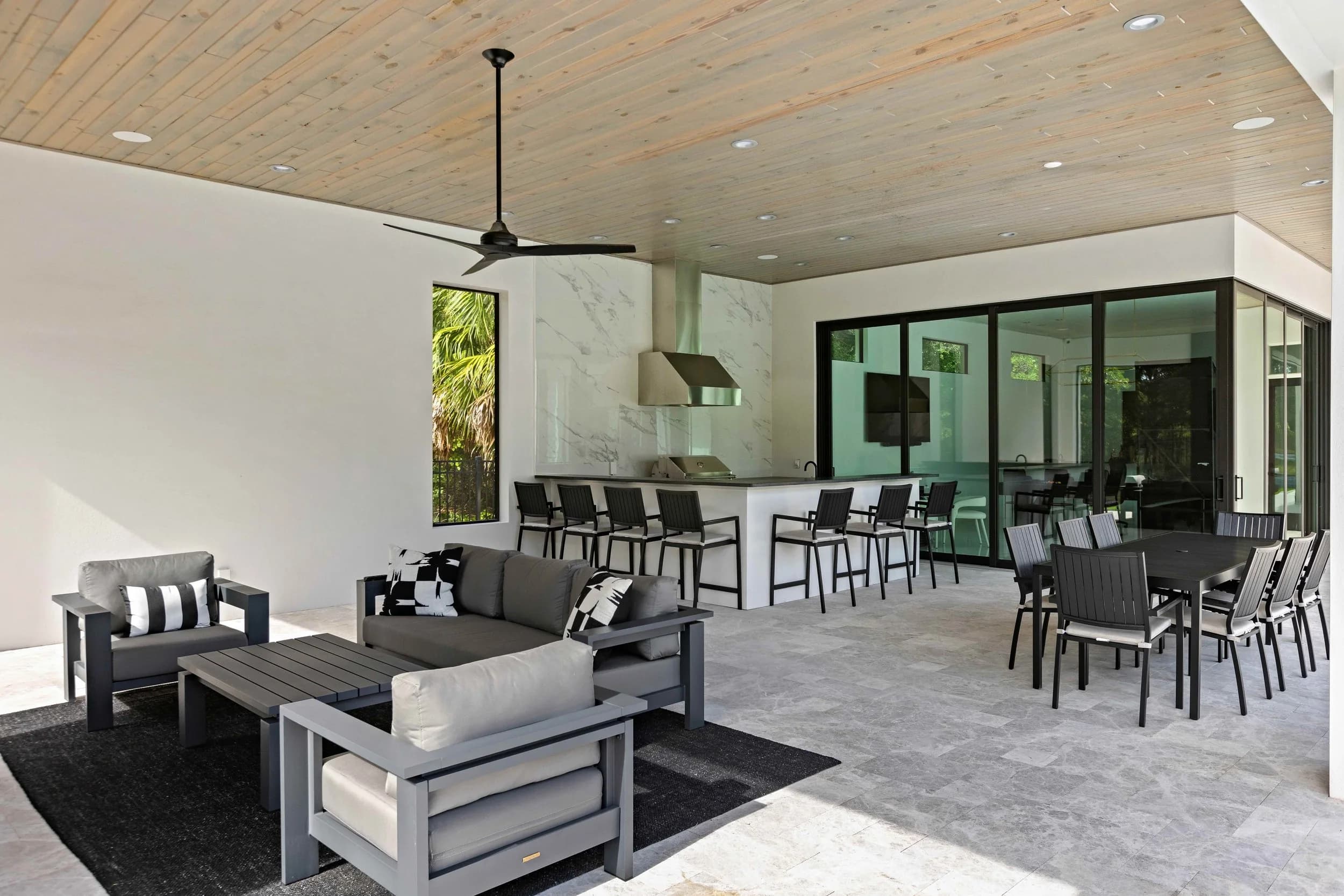
- Finished and styled. The completed project, staged and lit for its audience.
Not every project needs all four, but deciding in advance which ones matter prevents the common problem of realizing after the walls are closed that nobody documented them. For the simpler two-state version of this idea, see the guide to before-and-after photography for investors and renovators.
How do you make the sets match?
Matching comes down to repeating the same camera positions, not repeating the same camera. Pick the vantage points during the first visit, such as each room's main doorway corner and the key exterior elevations, and record them so every later visit can return to them. A few habits keep the sets aligned:
- Mark or note each position with simple measurements from fixed features like door frames and windows.
- Use the same lens approach so the apparent room size does not shift between visits.
- Shoot at a consistent time of day when possible, so natural light direction stays the same.
- Keep a written shot list that travels with the project, not with one person's memory.
Review the earlier sets before each new visit, too. A quick look at the last round of images shows exactly where the camera stood and what the room looked like, which saves time on site and avoids drift between phases. The finished shoot will usually add extra frames, such as detail shots and styled vignettes, but it should always include the same core views as the earlier sets. That shared core is what makes a side-by-side comparison persuasive.
Active job sites also come with rules. Confirm site access, safety requirements and any insurance documentation with the contractor before each visit, and let the crew know about hazards such as open floor penetrations or temporary power. Building those checks into the schedule keeps every phase moving without surprises.
What about marketing a home that is still mid-project?
Marketing during construction is a separate decision from documentation. Progress photos are a record, and a marketing gallery is a sales tool with different standards for honesty and presentation. The post on photographing homes mid-renovation for marketing covers the second case, and this one stays on planning the record.
It is worth keeping the two separate in your files, too. Label documentation images clearly so no one mistakes a rough-in photo for a finished listing image, and keep the staged final set distinct from the working archive. Agree up front where the archive lives and who can open it, so the owner, the contractor and the designer are all working from the same folder at the end of the project.
Where do 3D scans and portfolio shoots fit in?
A 3D scan captures the whole space at once, which makes it especially useful at the rough-in stage before walls close. Using Matterport for as-built records is explained in Matterport beyond listings: as-built documentation for builders and renovations. At the other end of the project, designers who want the finished work to carry a portfolio should read about interior design portfolio photography, since the styled final shoot has its own requirements.
For a multi-phase project in Orlando, Tampa Bay, Central Florida, Austin or San Antonio, the practical step is to settle the shot list and the vantage points before the first visit, then book each phase as its milestone approaches. JRP (John Ruz Productions) works with investors, renovators, builders and designers on exactly this kind of staged coverage. Scheduling and any timing details are confirmed at booking.
Ready to book? Call or text (689) 600-2131 or get in touch.