The short answer: most residential and commercial projects are well served by progress photos every one to two weeks, with extra visits at key milestones such as foundation, framing, dry-in, and finishes. The right interval depends on what the photos are for, how much the site is changing, and who needs to see them. This guide helps builders, general contractors, and developers in Orlando, Tampa Bay, Central Florida, Austin, and San Antonio pick a schedule that fits the project.
Match the Schedule to the Purpose
Progress photography serves several jobs at once, and each one pulls toward a different rhythm.
- Documentation and draws. Lenders, owners, and investors want evidence that work is complete. A visit at each draw milestone is the minimum.
- Marketing. Builders selling homes or developers pre-leasing a community want content that shows momentum, which favors regular, consistent visits.
- Dispute protection. Hidden work such as plumbing rough-in, wall framing, and waterproofing is easy to forget once the drywall goes up. Photos taken before it is covered can settle questions later.
- Time-lapse. A time-lapse needs a fixed schedule and fixed vantage points to look smooth.
If you only need one of these, the interval can be longer. If you need several, plan the highest-frequency need first and let the others ride along.
A Practical Starting Point by Project Type
These are guidelines, not rules, and a good photographer will adjust them once they see the site.
- Single-family homes and townhomes. Every two weeks works for most builds, with a visit at slab, framing, rough-ins, insulation, drywall, and final.
- Multifamily and mixed-use. Every one to two weeks for the exterior and aerial view, plus interior visits by floor or building as each stage wraps.
- Commercial and institutional. Every two weeks, shifting to weekly during structure and envelope work, when the building changes the most.
- Community development and land work. Monthly aerials are often enough early on, moving to every two weeks once vertical construction starts.
Florida and Central Texas projects also move with the weather. Rain delays in summer and storm season can stretch a phase, so a schedule tied to milestones can be more useful than one tied strictly to the calendar.
Photograph the Hidden Work First
The most valuable frames on a build are often the ones nobody will ever see again. Walls open to the studs, utility runs, tie-downs, and flashing details disappear behind finishes. Add a short visit before inspections close up a wall, and make sure the photographs are organized by room or area so they can be found later. For warranty and defect records, see our post on builder warranty and defect documentation photography.
Keep Angles and Naming Consistent
A series is only useful if each image can be compared to the last. Choose a handful of repeat vantage points, such as a corner of the lot, the main entry, and a high aerial position, and return to them every visit. Consistent framing makes progress obvious at a glance and is the foundation of any later time-lapse, which our guide to construction time-lapse for builders and developers covers in more depth.
Name and file the images by date, phase, and location. A clear structure turns hundreds of photos into a record that a project manager, a lender, or a marketing team can use without asking anyone where things are.
Mix Ground Photography and Aerials
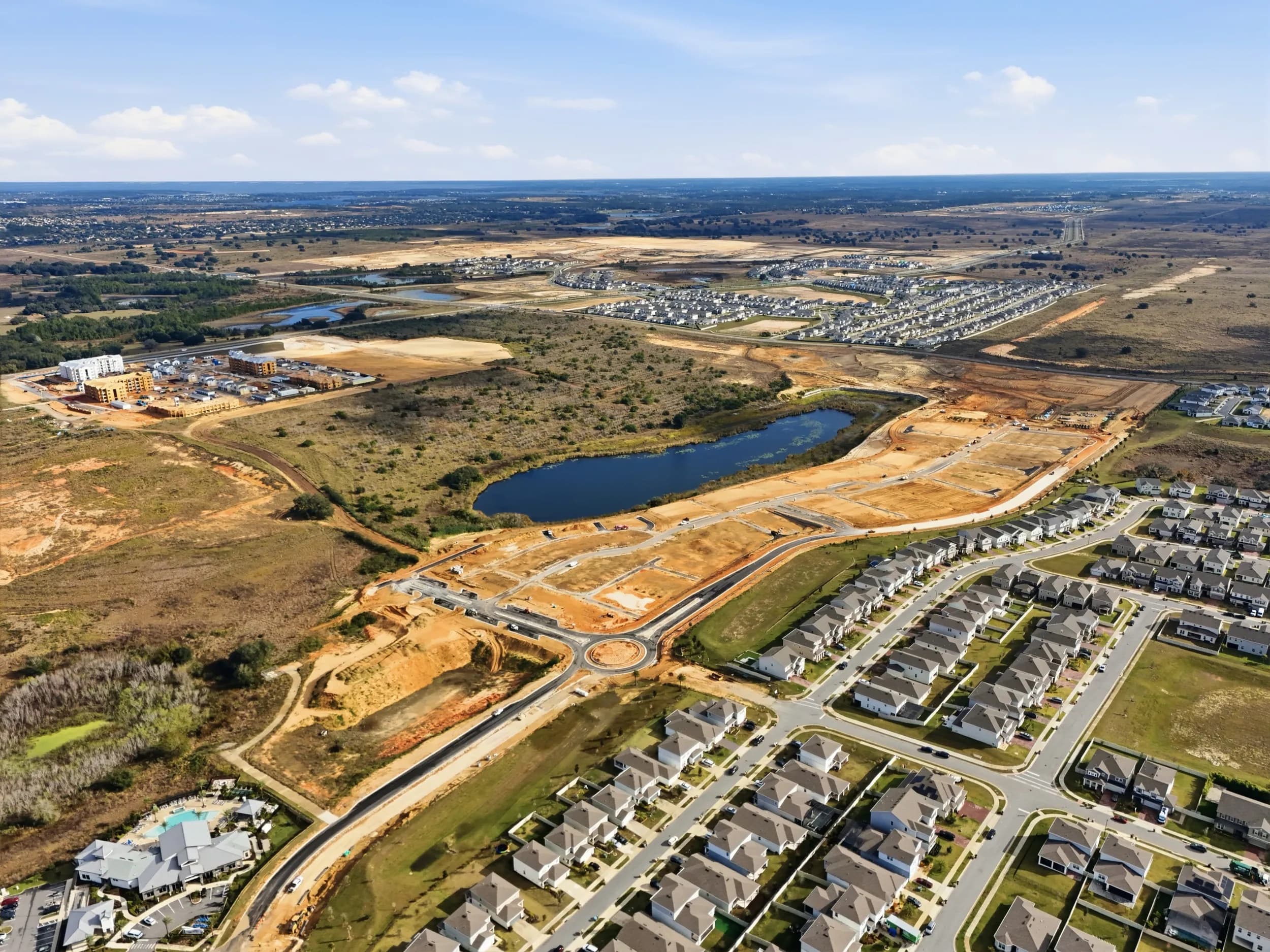
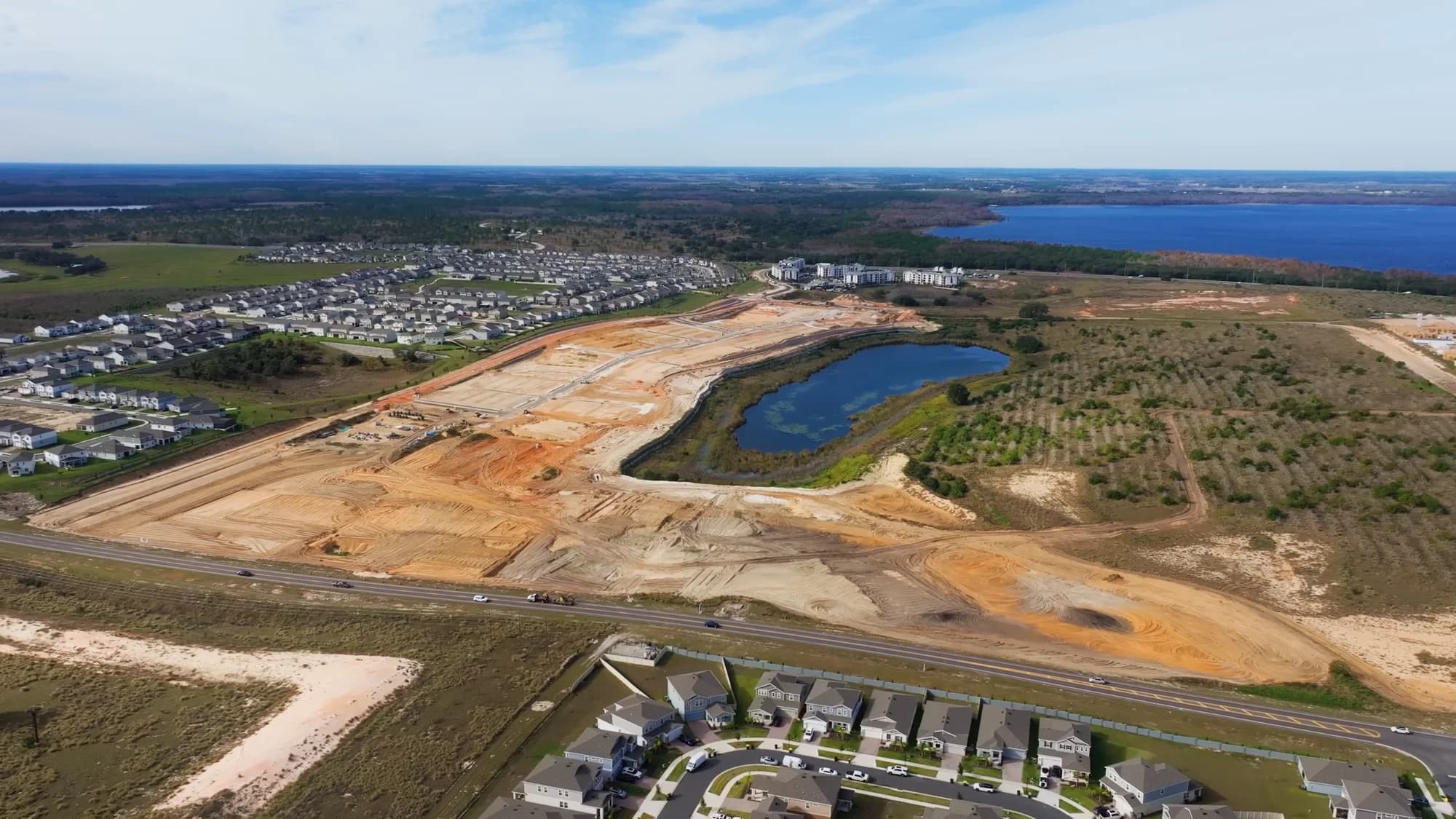
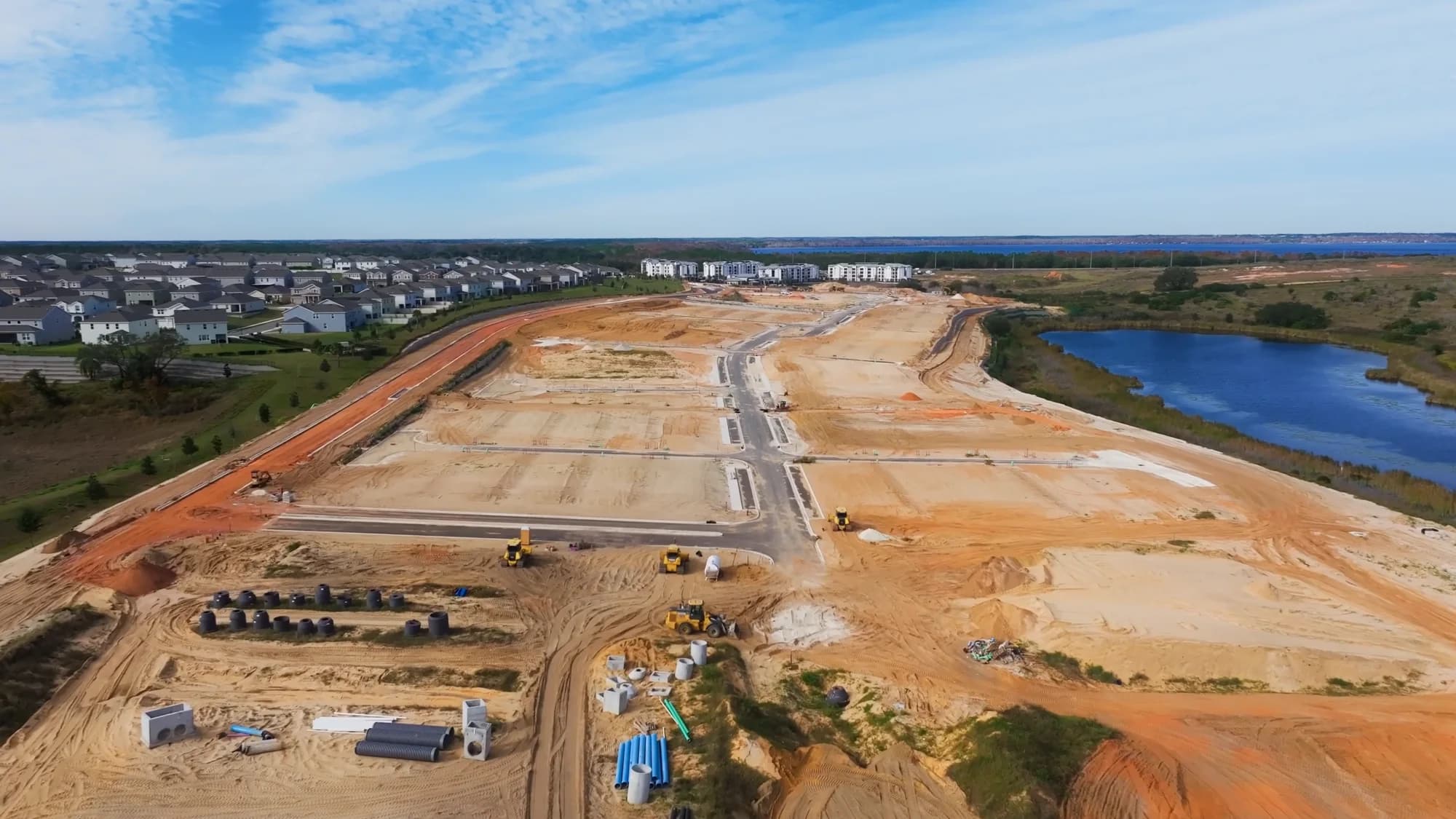
Ground-level photos show quality of workmanship and details. Aerials show site progress, access, staging, drainage, and relationships between buildings. Most projects benefit from both. A drone visit is especially helpful on larger sites, and aerial data can also go beyond pictures when you need measurements.
For a deeper look at why regular documentation pays off for builders, read why home builders need professional construction progress photos, and for how we handle developer projects across the region, see construction progress photography for developers in Central Florida.
The best interval is the one that actually happens. A steady monthly program that never misses is more valuable than a weekly plan that falls apart in week four. Start with milestone-based visits, add a regular cadence once the project is moving, and review the schedule at each phase. Scheduling details, access requirements, and delivery timing are confirmed at booking.
Ready to book? Call or text (689) 600-2131 or get in touch.