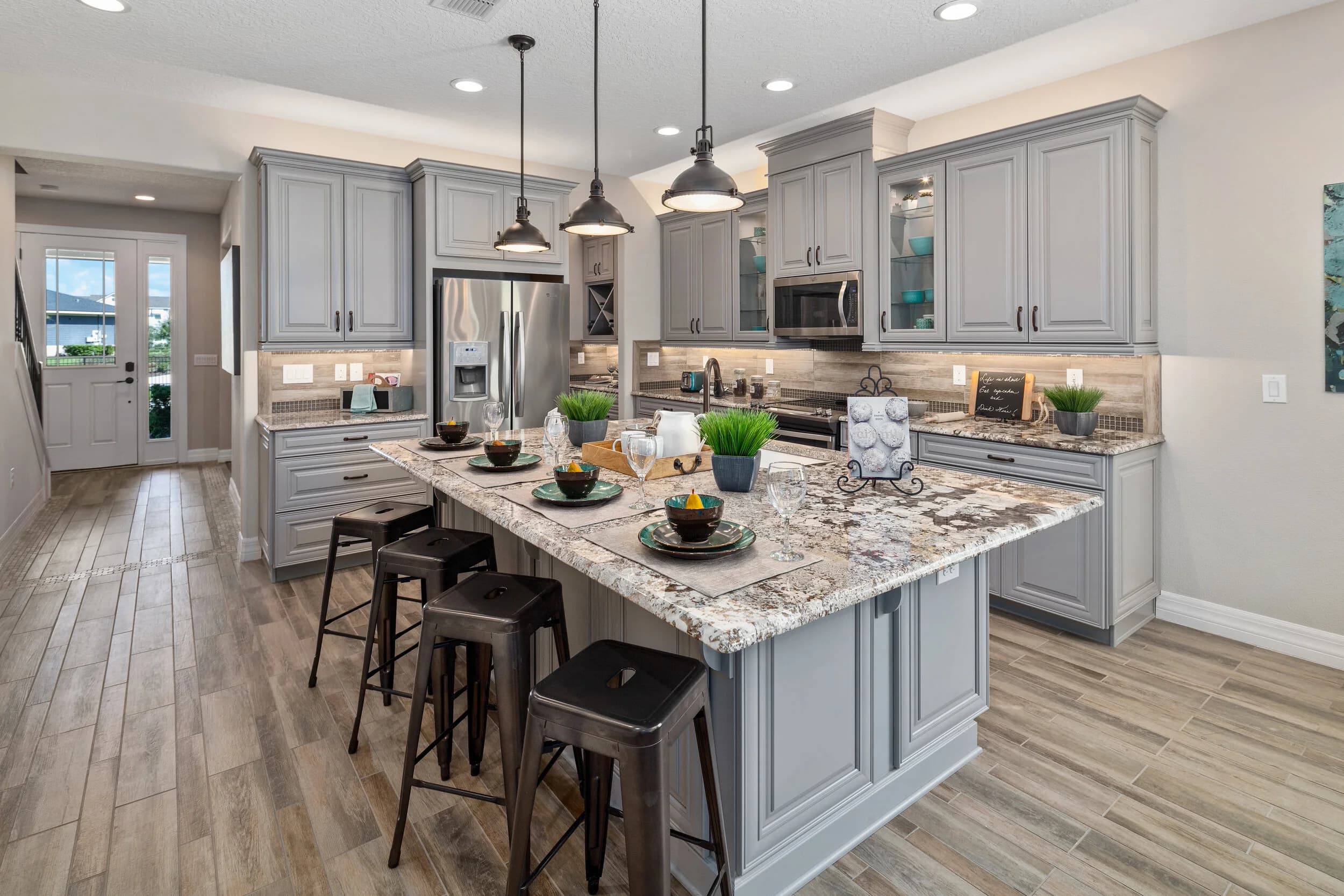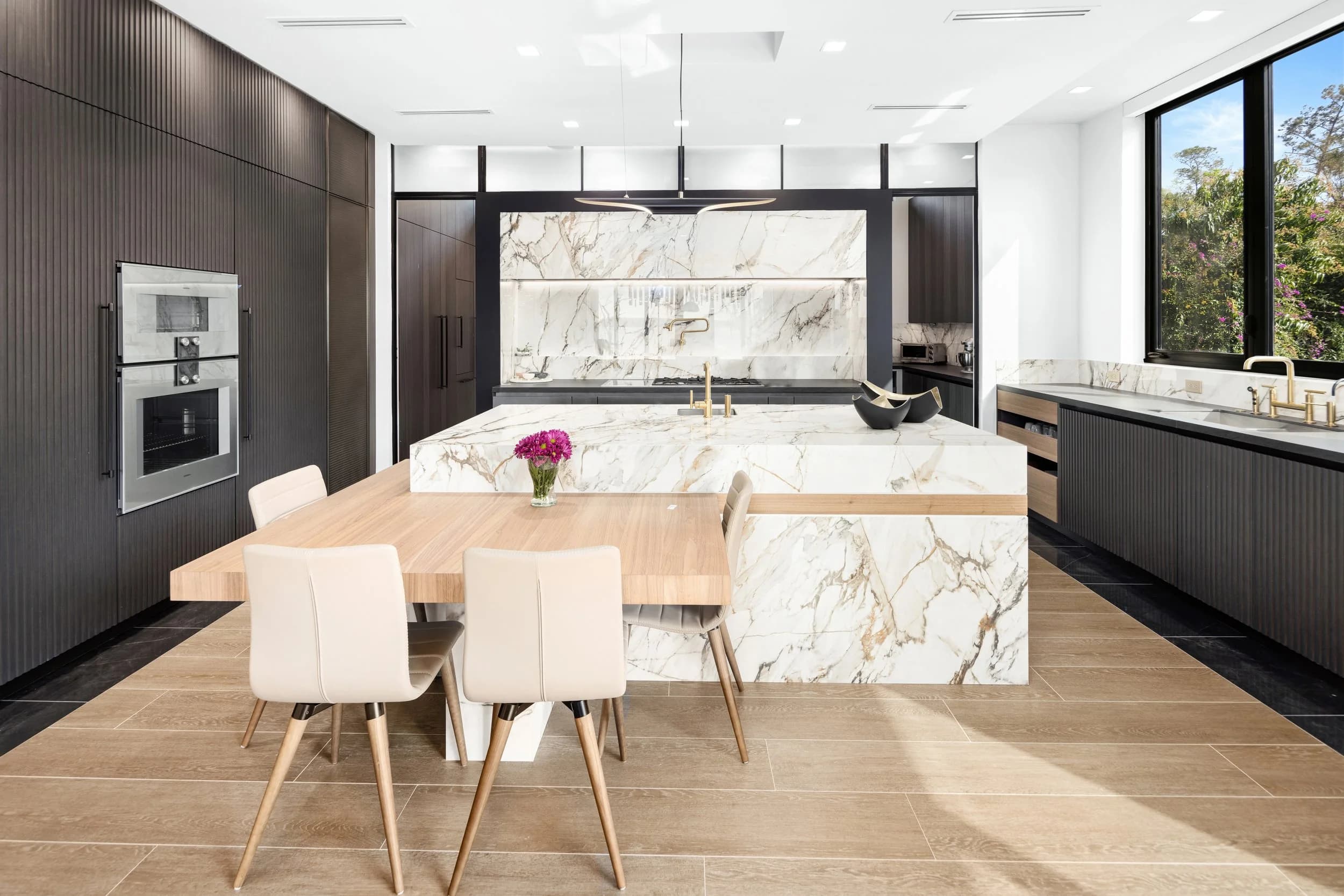
Roughly two-thirds of American households have a pet, which means most listings you photograph are also somebody's dog's house. Handled well, nobody browsing the listing ever knows. Handled badly, it costs you the shoot day.
Why Pets Belong in the Prep Conversation
Photographers show up to a lot of houses where nobody warned them about the German Shepherd. That's not a safety complaint so much as a scheduling one: an unplanned pet turns a 90-minute shoot into a two-hour shoot while somebody drives the dog to a friend's house mid-session.
Bring it up when you book. One question — "Are there pets in the home, and what's the plan for them during the shoot?" — prevents almost every problem that follows.
Why Pets Shouldn't Appear in Listing Photos
This one surprises sellers, who are often proud of their animals. But there are practical reasons to keep pets out of the frame:
Some buyers are allergic and will screen out a listing that visibly reads "pet home."
Some buyers are afraid of dogs. Others simply don't like cats. You lose showings for no reason.
Pets date the photos. A dog on the sofa makes the images feel like a snapshot of someone else's life rather than a space the buyer could occupy.
They move. A pet that wanders into a bracketed HDR sequence shows up as a ghost or a blur, and that frame is gone.
Pet gear signals wear. Bowls, crates, litter boxes, and scratching posts read as "this floor has taken abuse," fairly or not.
The goal isn't to hide that a pet lives there — buyers will find out at the showing. The goal is to keep the photos focused on the house.
A Seller Prep Checklist for Pet Owners
Share this with sellers a few days ahead, not the morning of:
Arrange for the pet to be out of the house during the shoot — a walk, daycare, a neighbor, or a car ride with a family member. Crated in a closed room is a distant second choice, because that room still needs to be photographed.
Remove all bowls, mats, and feeding stations from kitchens and laundry rooms.
Store crates, beds, and towers in a garage or vehicle, not stacked in a closet you'll need to open.
Hide litter boxes entirely — including the one in the laundry room and the one behind the toilet.
Pick up the yard. Drone and exterior shots see everything, and there's no fixing that in post.
Vacuum for hair, especially dark upholstery, stair treads, and the edges of area rugs.
Put away leashes, toys, and the basket of tennis balls by the back door.
Air the house out the morning of. Odor doesn't photograph, but it absolutely affects showings.
Wipe nose prints off glass doors and low windows — they catch light and are surprisingly visible in wide shots.
Cover or repair obvious damage where you can: scratched door frames, chewed baseboards, worn carpet at thresholds.
What Photographers Can and Can't Fix
Professional retouching handles a lot: a stray toy on the floor, a small stain, a leash on a hook. Removing a pet bed from a corner is routine. Removing a large crate from the middle of a bedroom is not — the wall, baseboard, and flooring behind it don't exist in the file, and reconstructing them starts to cross into territory most MLS rules ask you to disclose.
Physical damage is a different question. Editing out a scratched door or worn carpet misrepresents the property's condition, and that's the line between retouching and misrepresentation. If a floor is damaged, the honest options are to repair it, replace it, or photograph it and let the price reflect it.
Working Safely on Shoot Day
If a pet does stay home, a few practical ground rules help:
The homeowner or agent should handle the animal. Photographers shouldn't be opening crates or managing a nervous dog.
Doors open constantly during a shoot — front, back, garage, lanai. A cat that bolts is a genuine risk in Florida neighborhoods with busy roads.
Tripods, light stands, and drone launches make noise. An anxious animal in the room makes for slow, careful work and worse photos.
If the pet is in the last room to be photographed, the shoot stalls at the end. Plan the rotation ahead.
The Exception: Vacation Rentals and Lifestyle Marketing
There's one context where a pet in the frame helps rather than hurts. Pet-friendly vacation rentals in Central Florida compete directly on that feature, and a well-composed shot of a dog on the lanai communicates it instantly. If a property is marketed as pet-friendly, one or two intentional lifestyle images can earn their place — just keep them out of the primary gallery sequence, and make sure you have permission to use anyone's animal.
Ready to Book?
A little prep on the pet question keeps shoot day smooth and keeps the photos focused where they belong — on the house. Ready to book? Get in touch or call us — we serve Orlando, Tampa Bay, and Central Texas.