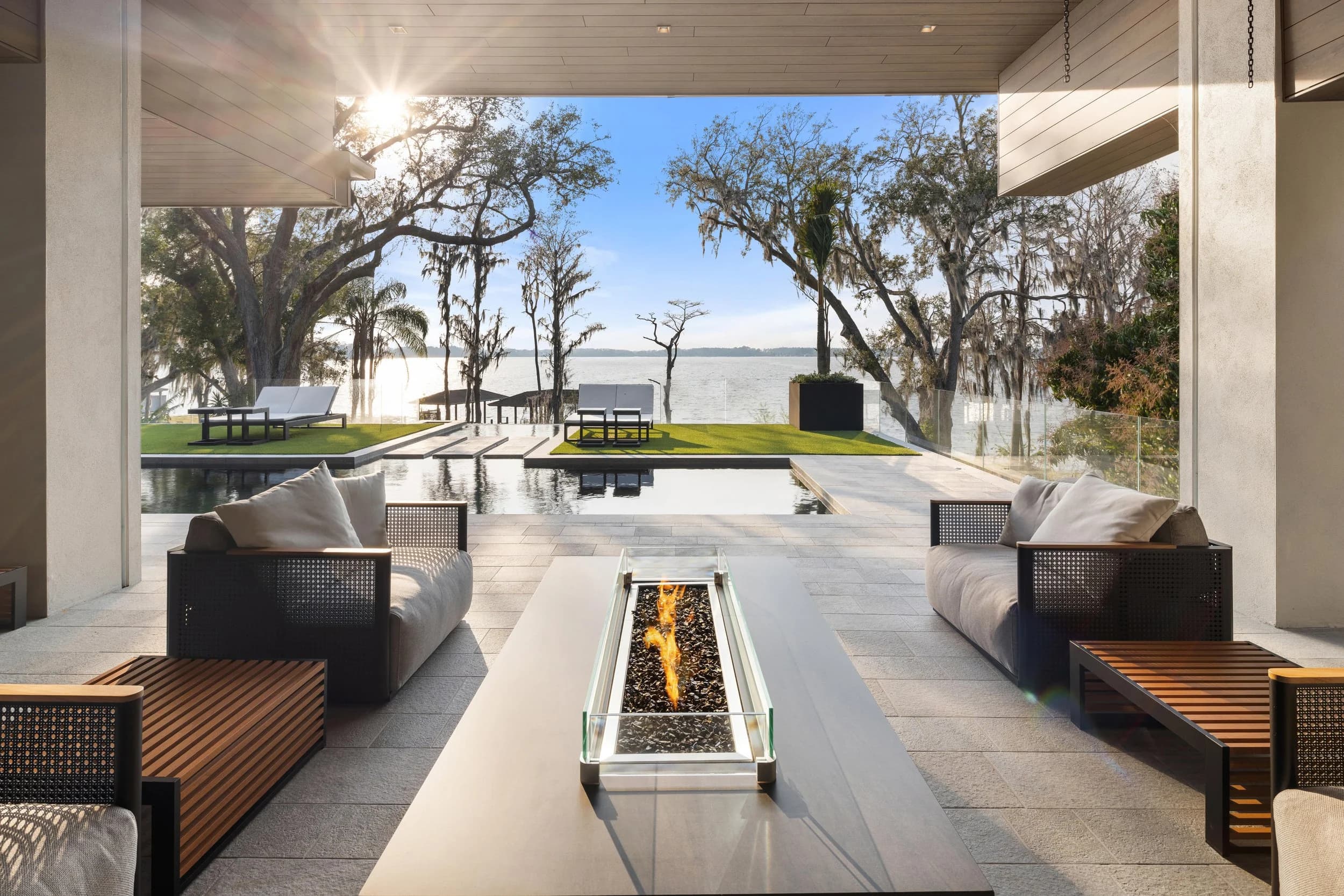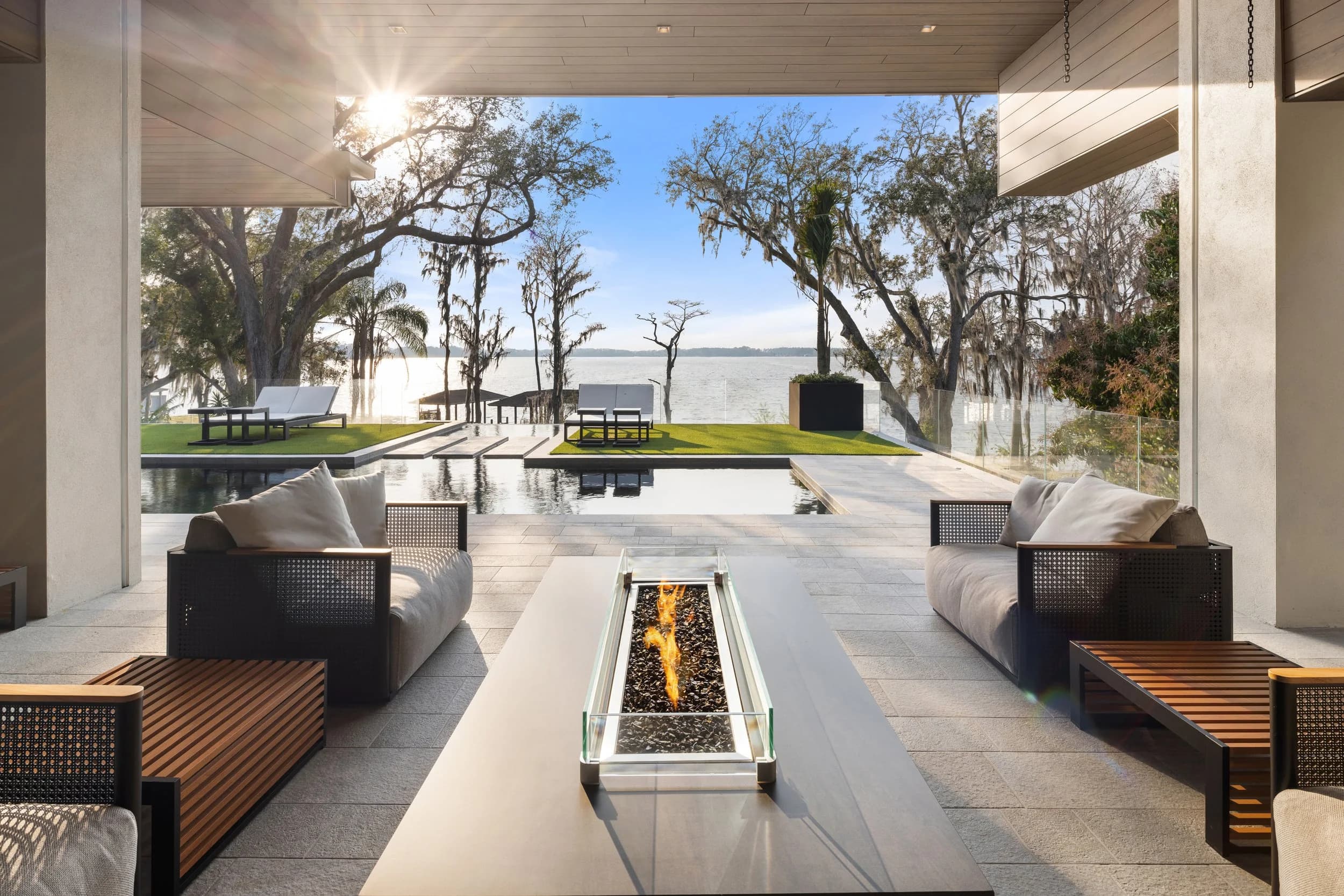
Golf frontage is one of the few listing features buyers will interrogate photo by photo. They want to know which hole, what they're looking at, and how close the play actually is — and a generic backyard shot answers none of it.
"On the Golf Course" Is Not a Description
Central Florida and Tampa Bay have an unusual density of golf communities. Between Orlando's resort corridor, the Lake Nona and Champions Gate areas, Clermont, and the Tampa and Sarasota county courses, a large share of the region's mid- and upper-tier inventory backs onto turf. That abundance is exactly why "golf course lot" carries so little weight on its own. Buyers in these markets have seen dozens.
What actually differentiates a listing is specificity:
Which hole the property sits on, and whether it's a par 3, 4, or 5.
What part of the hole is in view — fairway, green, tee box, cart path, or rough.
How far the house sits from play, and whether there is a buffer of trees, a berm, water, or nothing at all.
Which direction the view faces, because it determines the light and whether the buyer gets sunsets over the course.
An agent who can say "third hole, view down the fairway toward the green, roughly 80 yards of rough and a water hazard between the lanai and the play line" is describing a property. Photography's job is to make that description verifiable.
Fairway, Green, or Cart Path — Buyers Know the Difference
Each position sells differently and photographs differently.
Green frontage is generally the most desirable and the most active. Photograph it so the green and pin are legible, not a green smear at the horizon. A slightly longer focal length for one or two frames helps, even though wide angles dominate the rest of the shoot.
Fairway frontage needs a frame that establishes the corridor. A shot straight across the fairway looks like a lawn. A shot angled down its length reads immediately as golf.
Tee box proximity should be shown honestly, including how close it is. Some buyers love it; others hear early-morning groups and want no part of it.
Cart path adjacency is the one most often photographed around. If a path runs directly behind the lanai, it belongs in the gallery. It will be obvious at the first showing, and a buyer who feels a detail was hidden discounts everything else in the set.
Rough or a treed buffer is a genuine selling point for buyers who want the view without the errant golf balls, and it should be framed as such rather than cropped out.
Shooting the View From Inside
The mistake on golf listings is treating the course as an exterior subject. The buyer is going to live inside the house, looking out. The interior frames that include the view are usually the ones that sell the lot.
Practically, that means:
Frame the living space and lanai so the course is visible through the glass, not blown out to white. That requires bracketing and blending — several exposures merged so the interior holds detail and the turf outside stays green and readable.
Shoot the lanai or screened porch as a room in its own right, from inside looking out and from outside looking back at the house.
Include a frame from the primary bedroom if it shares the view, since second-floor and rear-bedroom sightlines often differ from the main level.
Clean the glass and the screen first. Screen enclosures, near-universal in Florida, soften and gray everything behind them. Shooting through an open slider where possible keeps the view from turning muddy.
Morning suits east-facing course views, late afternoon the west-facing ones. Turf photographs best in low, raking light — mid-day sun flattens the mowing patterns that make a course look like a course.
Drone Framing That Positions the Home Honestly
Aerial is how a buyer understands where the home sits relative to the hole, and it is also the easiest place to mislead by accident.
A low, tight aerial angled to compress the distance between house and green makes a property look like it sits on the putting surface when it sits 200 yards away. That reads well online and badly in person. The defensible approach is a moderate altitude with the camera pitched so the house, the intervening ground, and the hole all appear in one frame at their real relative scale. If the distance is genuinely short, the frame shows it. If it isn't, the buyer learns that before booking a flight.
Two aerials usually cover it: one establishing the home on its hole, and one wider frame showing its position within the community — clubhouse, water features, gate location. For club marketing, a slow aerial move along several holes is worth more than a dozen stills.
Access, Permission, and Playing Around Play
Golf communities in Central Florida and Tampa Bay are overwhelmingly gated, and many operate their own rules on top of anything else that applies.
The course is private property. Standing on the fairway or the cart path to get a better angle requires permission from the club, not from the homeowner. Ask before shoot day.
Many communities and clubs restrict drone flight independently of FAA rules. Part 107 and airspace authorization govern the flight; the community's own policy governs whether you're welcome. Both need clearing, and the HOA or club manager is the person to ask.
Schedule around play. Early morning tee times and weekend mornings are the worst windows. Mid-morning on a weekday, after the first wave and before the mid-day groups, tends to be the practical compromise. Maintenance crews mow early, which is good for turf appearance and bad for audio if video is on the list.
Never obstruct a group. Stepping off and waiting costs two minutes and preserves the relationship with the club, which matters if you shoot the same community repeatedly.
Amenity Photography for the Community, Not Just the Home
Country club communities market themselves as much as their inventory, and clubhouse, pro shop, practice facility, dining, tennis, pickleball, and fitness imagery serves both. For builders and community marketing teams, a periodic amenity library is worth commissioning separately from any individual listing — shot with no play in frame, no unreleased people, and consistent treatment so images from different visits match. Those files then support the community website, the sales center, and every agent selling inside the gates.
Ready to book? Get in touch or call us — we serve Orlando, Tampa Bay, and Central Texas.