A stager is in an odd position at a photo shoot. You did the work that makes the house photograph well, the images go out under the agent's name, and the one asset you actually need — proof of what you did, usable in your own marketing — is the thing nobody booked the shoot to produce.
Choosing the right photographer fixes most of that. Here is what to look for.
The Staging Is the Product, Not the Backdrop
A listing photographer is shooting a house. You need someone who understands they are also shooting your work.
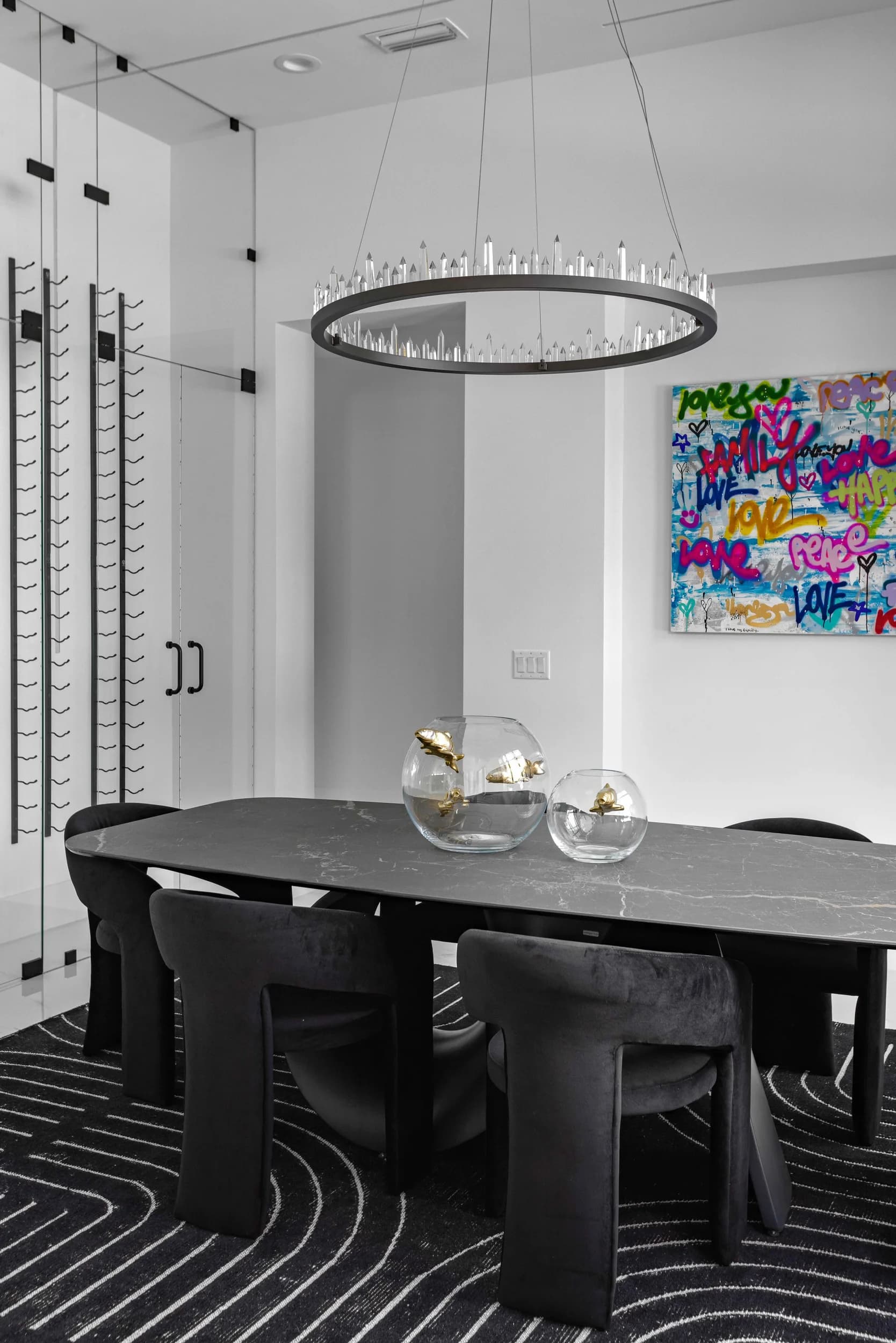
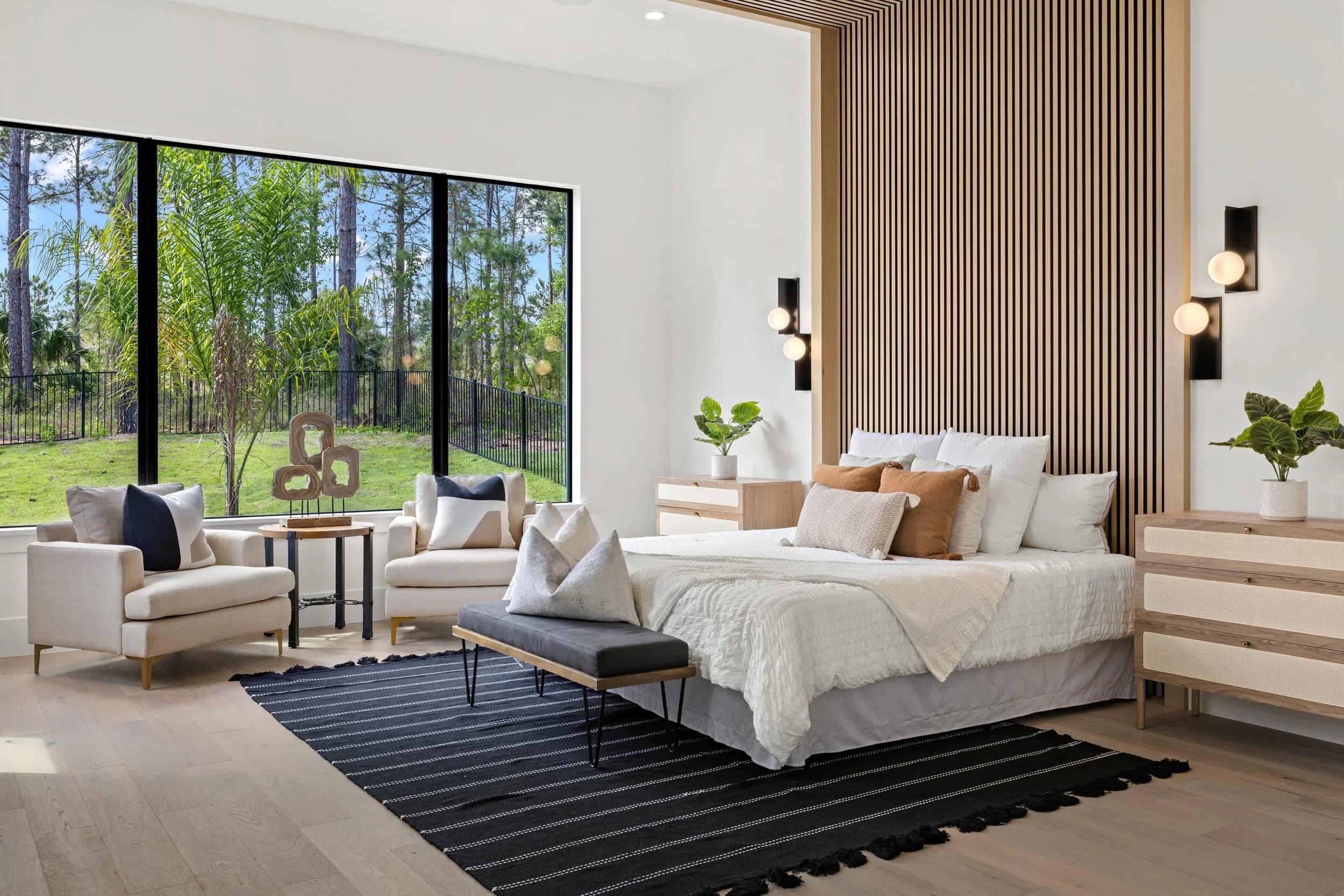
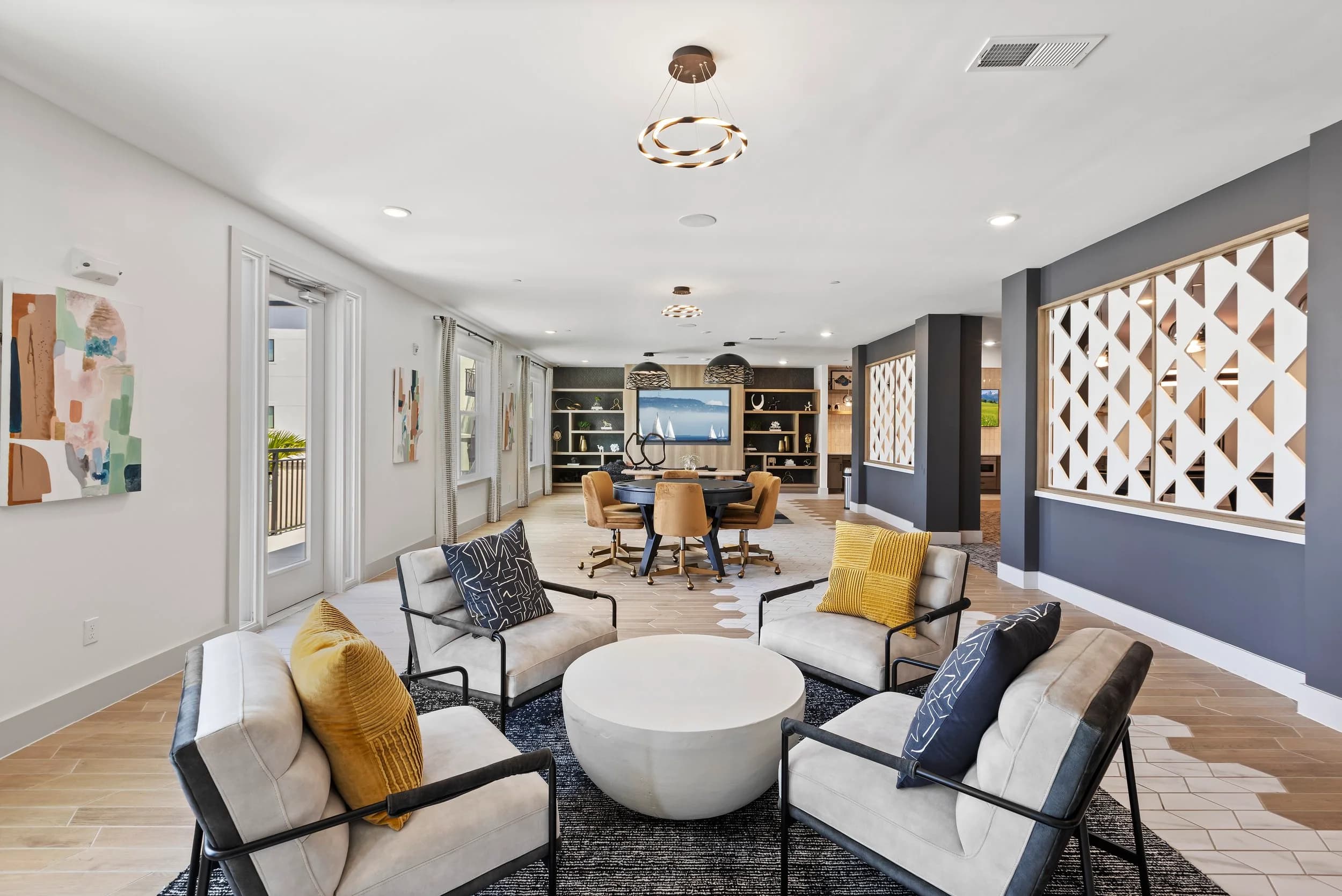
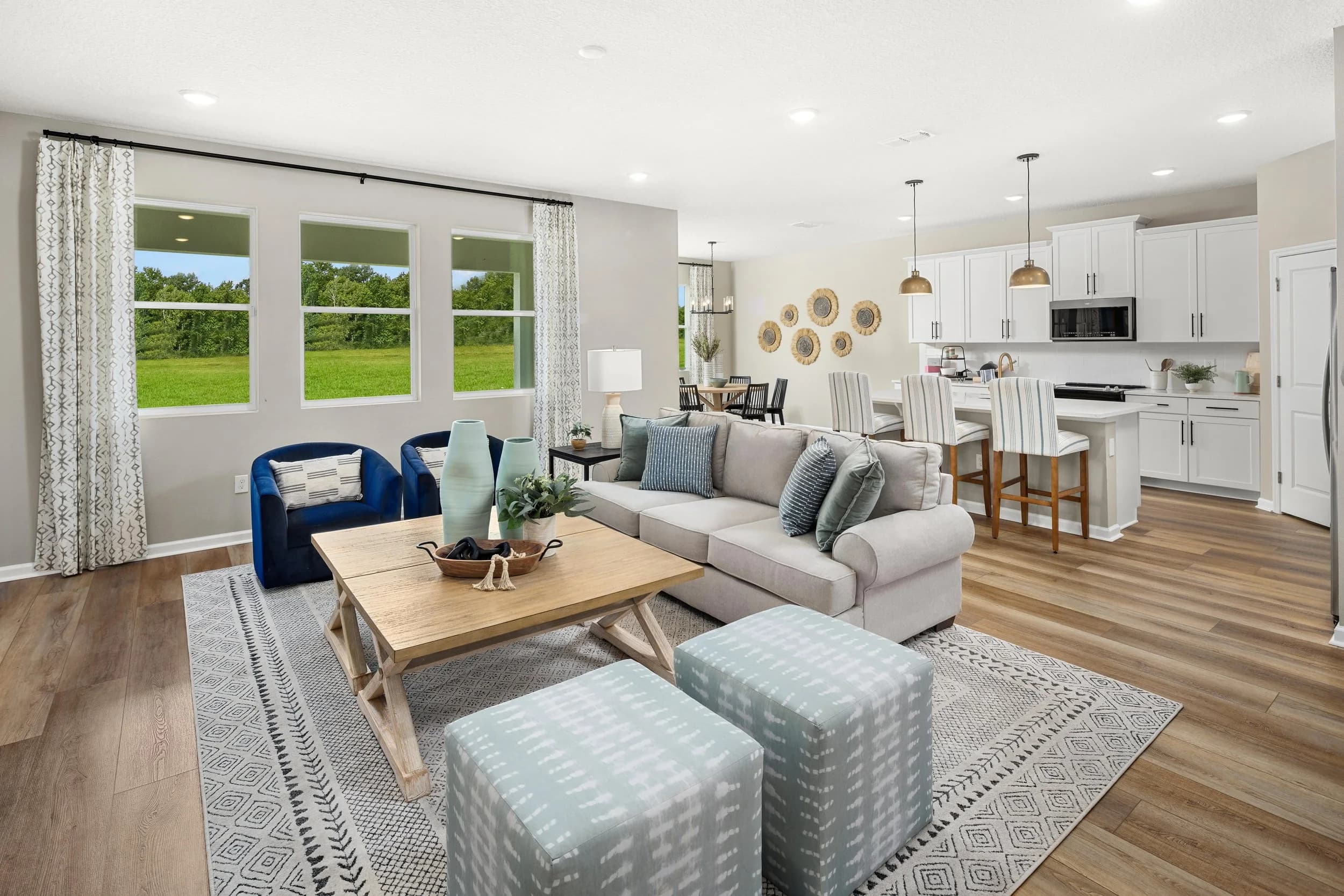
Those are different frames. A listing frame shows the room — wide, square to the walls, everything legible. Your frames are the vignettes: the tablescape, the tray on the ottoman, the way the throw falls, the art-to-sofa proportion you spent forty minutes on. None of that survives a wide-angle pull from the doorway.
Ask a prospective photographer:
- Will you shoot detail frames of the styling, not just the rooms? Three or four per house is usually enough.
- Will you shoot at the height the vignette reads best at? Many of these are shot lower and closer than a listing frame.
- Do you understand which pieces are mine? Your inventory is what you are selling. A photographer who crops it out of every frame has given you nothing to post.
Scheduling Around the Install
This is where most of the friction lives, and it is worth settling before you book anything.
Staged inventory does not stay in the house. It goes in for the listing and it comes back out, and your window to photograph it is fixed by that calendar, not by anyone's convenience. A photographer who treats your install like a normal listing booking will eventually cost you a portfolio.
Settle these up front:
- Who schedules the shoot — you, the agent, or the seller? Whoever books it controls the timing, and the timing is your constraint.
- What happens if the install runs long? Occupied homes, late furniture, a seller still moving out. It happens constantly.
- Can the photographer work around a partial install? Sometimes the primary bedroom is done and the great room is not.
The prep conversation matters more here than on a standard listing. A normal pre-shoot checklist assumes the homeowner is preparing the house. On a staged listing the house is already prepared — what needs coordinating is access and sequence.
Color and Material Accuracy, Because You Chose Them
You selected a specific fabric, a specific rug, a specific paint-adjacent tone that works with the existing finishes. If the camera renders the room two steps warm, your sage reads gray and your linen reads yellow, and the portfolio image is useless to you even though the listing photo is fine.
This is not pickiness. It is the same standard interior designers hold, and for the same reason — getting paint and fabric colors right takes deliberate work at the shoot, not a good eye in editing. Ask how they handle it. A photographer with no answer will hand you rooms that do not look like the ones you staged.
The Licensing Question Nobody Raises Until It Matters
On a staged listing there are usually three or four parties who want the images: the agent who commissioned them, the seller, you, and sometimes the brokerage. Photography licenses often cover only the first one.
Settle in writing, before the shoot:
- Can you use the images in your own portfolio, website, and social?
- For how long? Listing licenses sometimes end when the listing does. Your portfolio does not.
- Can you use them in paid advertising? Often a separate grant.
- Do you need to credit the photographer? Usually yes, and it is a reasonable ask.
Agents run into a version of this too — who owns listing photos is a genuine question with a specific legal answer, and "the agent said it was fine" is not that answer. The cheapest way to solve it is to be named in the license at booking, or to commission your own frames.
The Case for Booking Your Own Coverage
The most reliable fix is the one most stagers resist because it feels like a duplicate cost: book a short shoot of your own on the staged house, with your own license.
It is worth it when:
- The install is a showcase piece you will market for years
- You are building or rebuilding a portfolio
- The agent's photographer is an unknown quantity
- You want before-and-after frames, which nobody shoots unless asked
Virtual staging has changed the competitive conversation here too. If you are being compared on price against a digital alternative, photographs of real furniture in a real room — with real light falling on real fabric — are the argument. The cost comparison between virtual and physical staging only favors you if the physical work is documented well enough to see.
JRP shoots staged listings across Orlando, Tampa Bay, Austin, and San Antonio, works regularly alongside staging partners, and handles color in-house — which is the part that decides whether your inventory looks the way you chose it.
Ready to book? Get in touch or call us — we serve Orlando, Tampa Bay, and Central Texas.