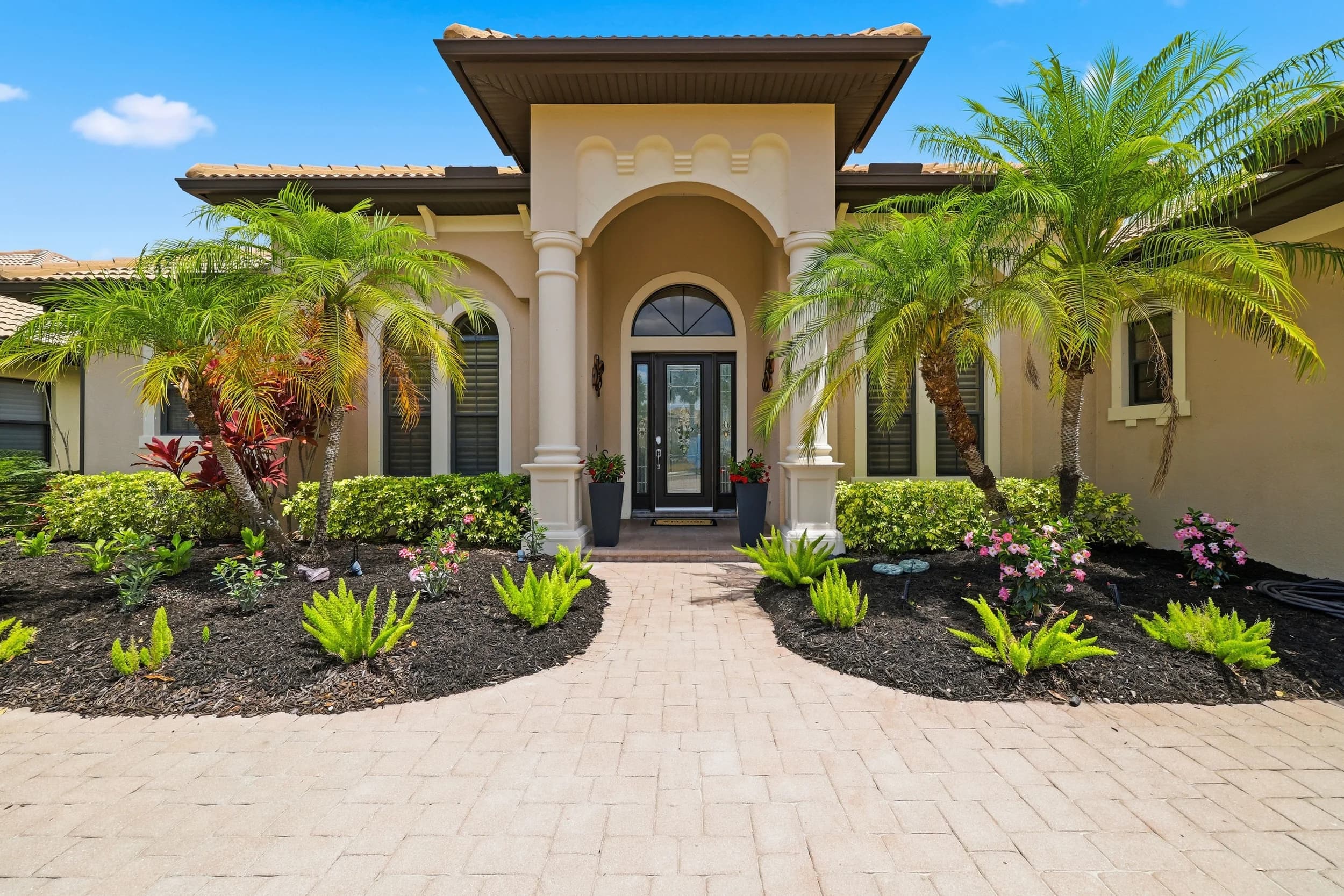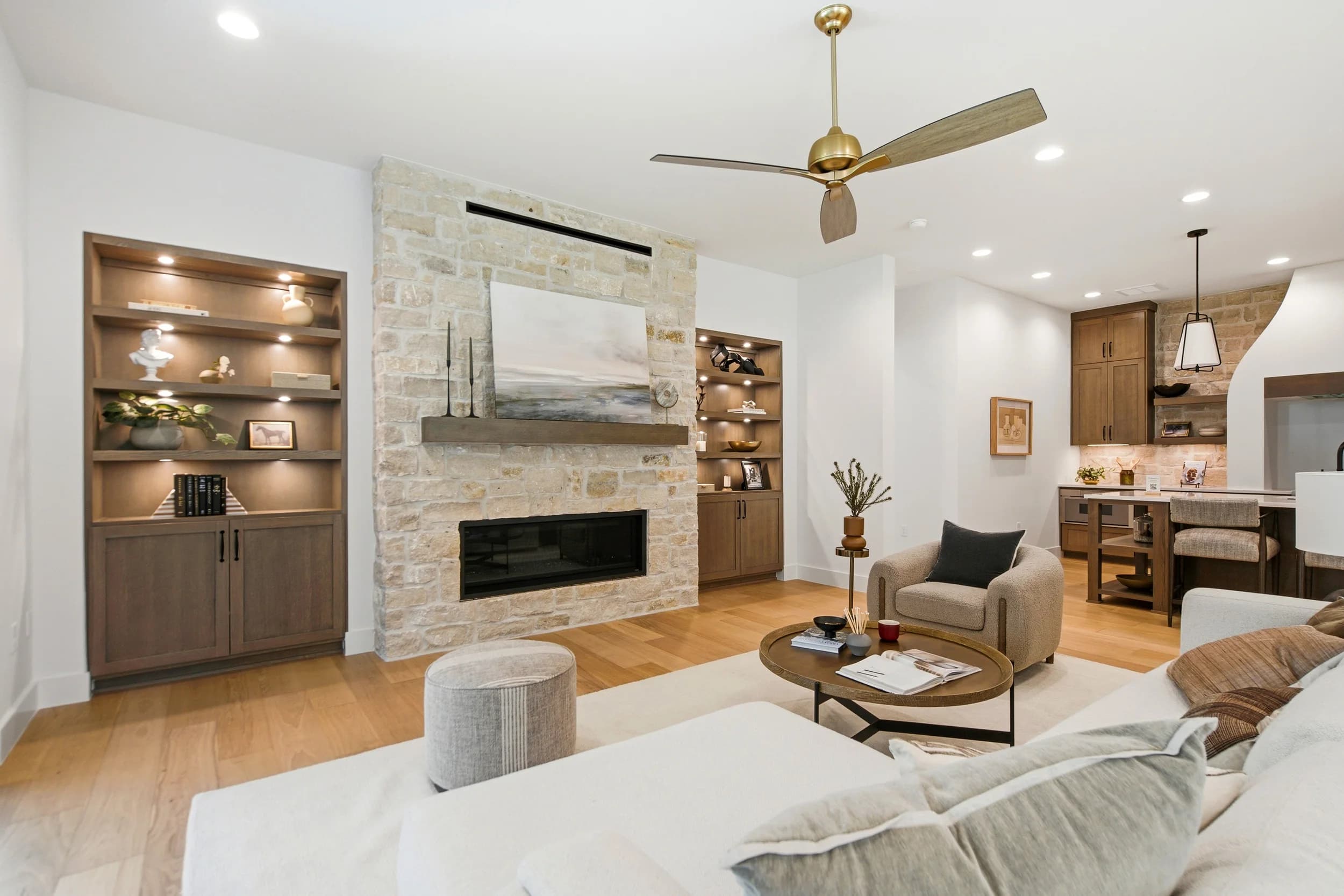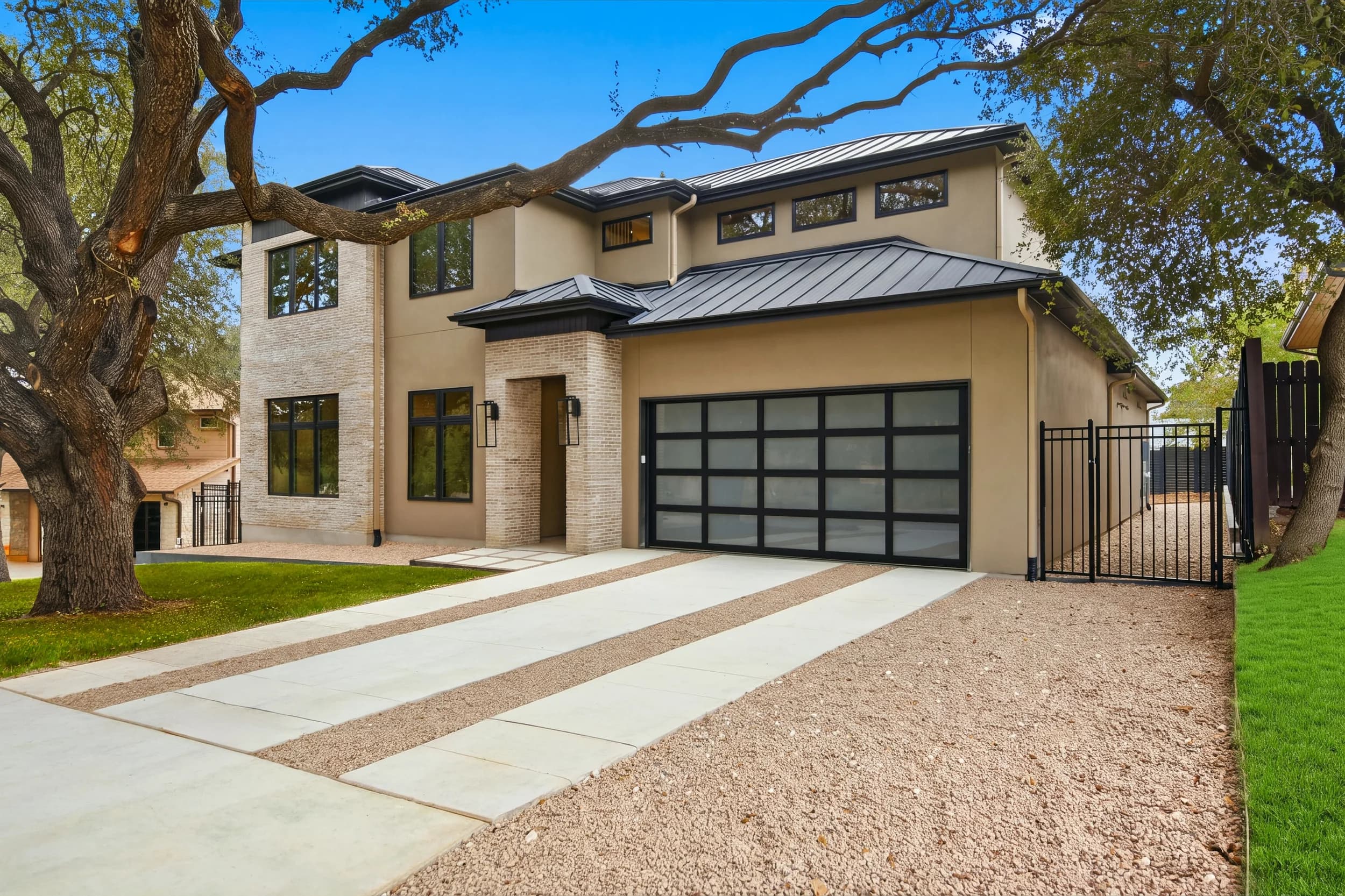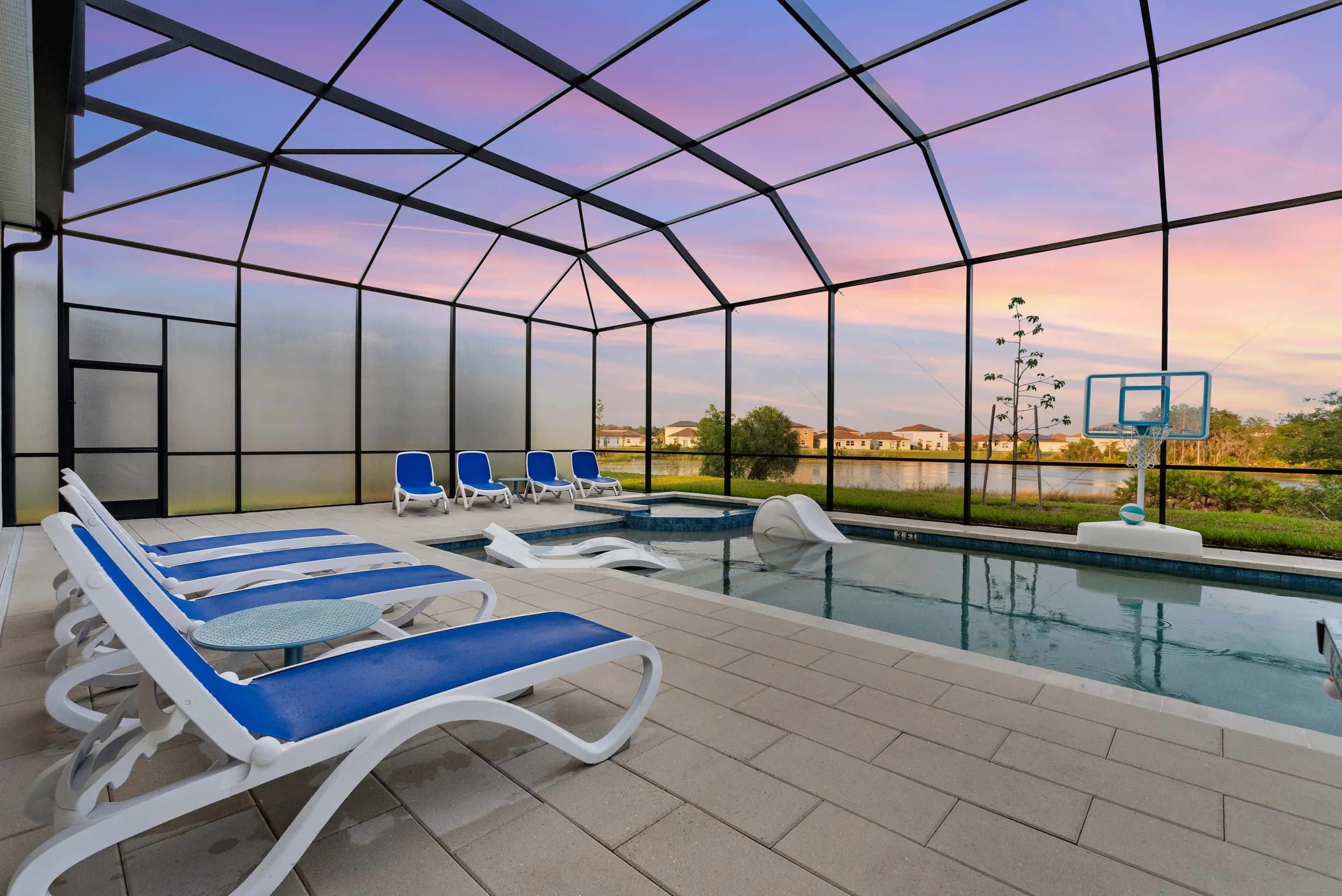
A porch is one of the few parts of a home that buyers picture themselves using before they have walked through the door. A deep front porch with two chairs, or a screened porch off the kitchen, says something about daily life that a living room cannot. Yet in many listing galleries the porch appears only by accident, as the dark strip under the roofline in the front exterior.
This post is for agents in Orlando, Tampa Bay, Austin and San Antonio who are listing a home with a real porch and want it to count as living space in the photos.
A porch is a room, and it is not a lanai
Florida agents are used to lanais: a covered area at the back of the house, usually beside a pool and inside a tall screen enclosure. That subject has its own post on Florida pools, lanais and screen enclosures. A porch is different. It is under the main roof, it has a floor, a ceiling and often a railing, and it faces the street or the yard instead of a pool deck. It is also different from a glassed-in room, which we cover in our post on sunrooms and Florida rooms.
Because a porch is a room, it gets the same treatment as one:
- At least one frame taken from on the porch, not only from the lawn.
- A camera position in a corner so the floor, ceiling and depth are all visible.
- Furniture arranged to show how many people can sit there.
- A caption that names it and gives a fact, such as the depth or the direction it faces.
Front porches: depth, seating and the view to the street
A front porch needs two kinds of photos. The first is the exterior frame that shows how the porch sits on the house. An angled view from the front corner of the yard works better than a straight-on shot here, because it shows the depth of the porch and the line of the columns. The second is the frame taken on the porch itself, looking along its length, with the seating in the foreground and the front door in the middle of the frame.
Add one more if the setting earns it: a frame from a seated height looking out to the street or the yard. On an older bungalow under mature trees, or a Texas farmhouse with a long view, that image is the reason a buyer books a showing.
Details matter on older porches. Turned columns, brackets, a beadboard ceiling, a porch swing and original floorboards are worth one closer frame each. The door and the first step inside belong to a separate set, covered in our post on front entry and foyer photography.
Screened porches: working with the screen
Screen is hard on a camera. From outside it reads as a gray wall that hides the room behind it. From inside it softens the view and can show every patch and sag. A few choices help.
- Shoot the room from inside. Stand in the corner nearest the house and look along the porch toward the yard. The screen falls into the background and the furniture, floor and ceiling carry the frame.
- Balance the exposure. A screened porch is shaded and the yard beyond it is bright. Blending exposures keeps the trees and sky visible through the screen while the room stays true to how it looks in person.
- Watch the angle of the light. Low sun hitting the screen head-on turns it bright and opaque. A time when the porch side of the house is in open shade usually gives a cleaner view through it.
- Show how it connects. One frame through the open door from the kitchen or living room tells buyers the porch is part of the main floor.
From outside, an angled frame that shows the porch roof, the screen door and the steps down to the yard is enough. Torn panels should be repaired before the shoot. Editing out damage that a buyer will see at the showing misrepresents the home.
What the seller can do before the shoot
Porches collect things. Ten minutes of preparation changes the photos more than any camera setting.
- Sweep the floor and steps, and clear cobwebs from the ceiling, fan and light fixtures.
- Wash or wipe the screens and the railings.
- Keep one seating group and a small table. Store extra chairs, grills, pet bowls, shoes and toys.
- Replace faded cushions or remove them. Bare furniture in good condition looks better than tired fabric.
- Add two or three healthy plants and take away the rest.
- Turn on the porch lights and the fan lights. Leave the fan blades still.
- Move cars from the street in front of the house so the view from the porch is clear.
Light, season and when to add twilight
A porch roof keeps the space in shade, which is why porches work in the Florida and Central Texas heat and also why they photograph dark. Schedule the exterior for the time of day when the porch side of the house is lit, and let the interior porch frames follow. In Central Texas, deeper covered patios with outdoor kitchens and fireplaces raise their own questions, which we cover in our post on covered patios and outdoor rooms in Central Texas.
A twilight frame is worth adding when the porch is the home's main feature. Warm light under the roof, lamps on in the front rooms and a deep blue sky make the porch the brightest part of the picture, which is where you want the buyer's eye.
When a home has a porch, give it a place in the first ten photos, right after the front exterior, so buyers see it before they scroll past. Ready to book? Call or text (689) 600-2131 or get in touch.