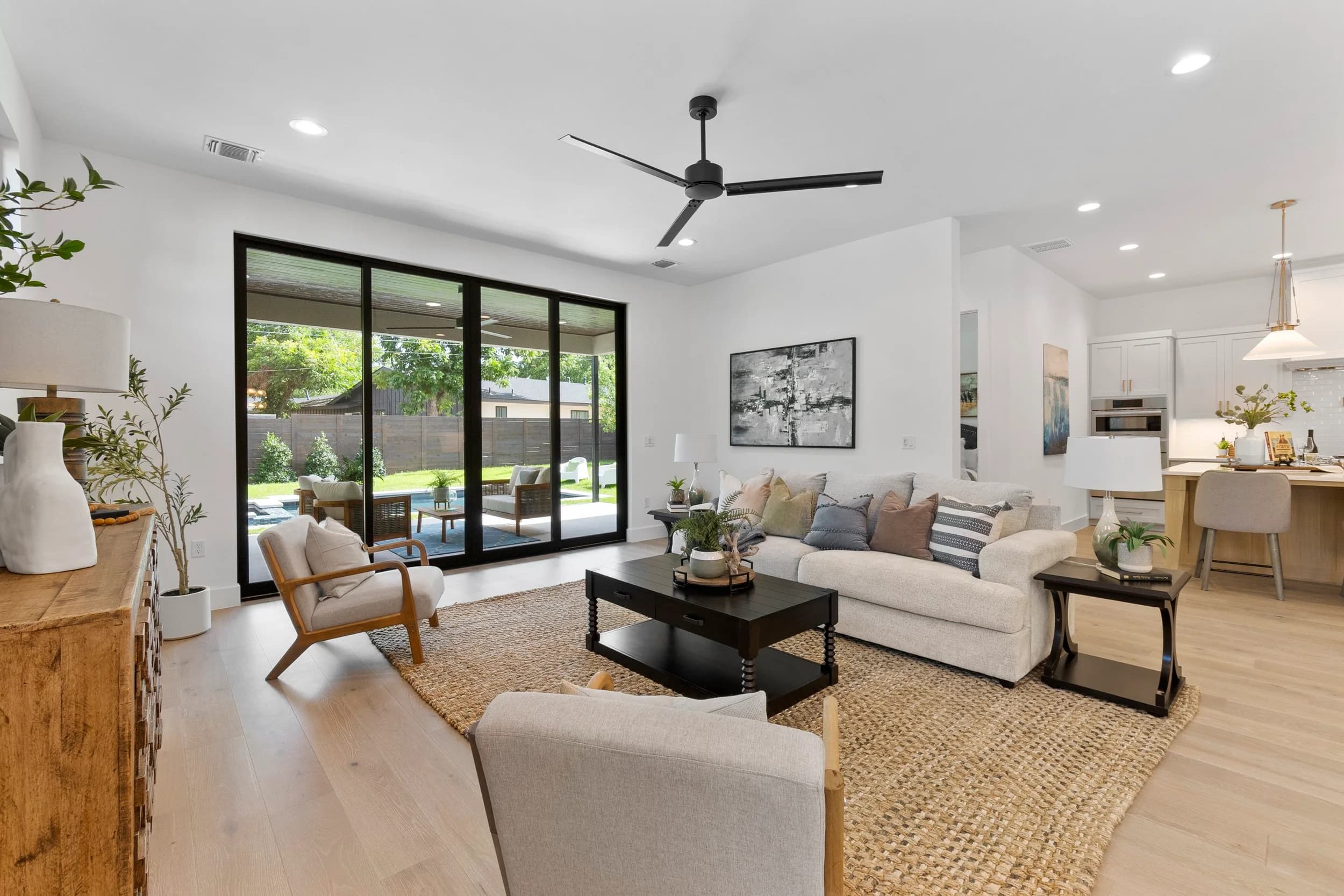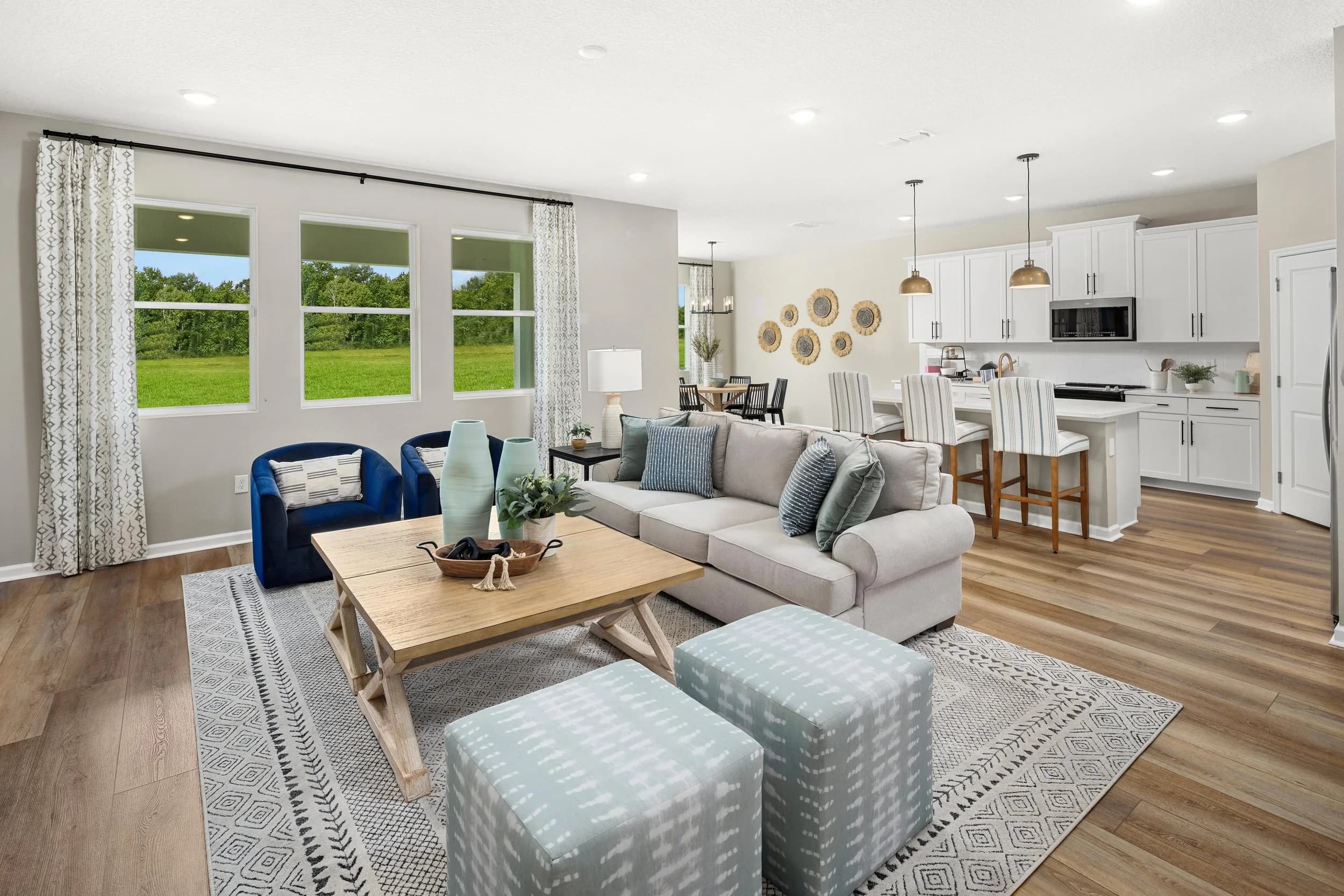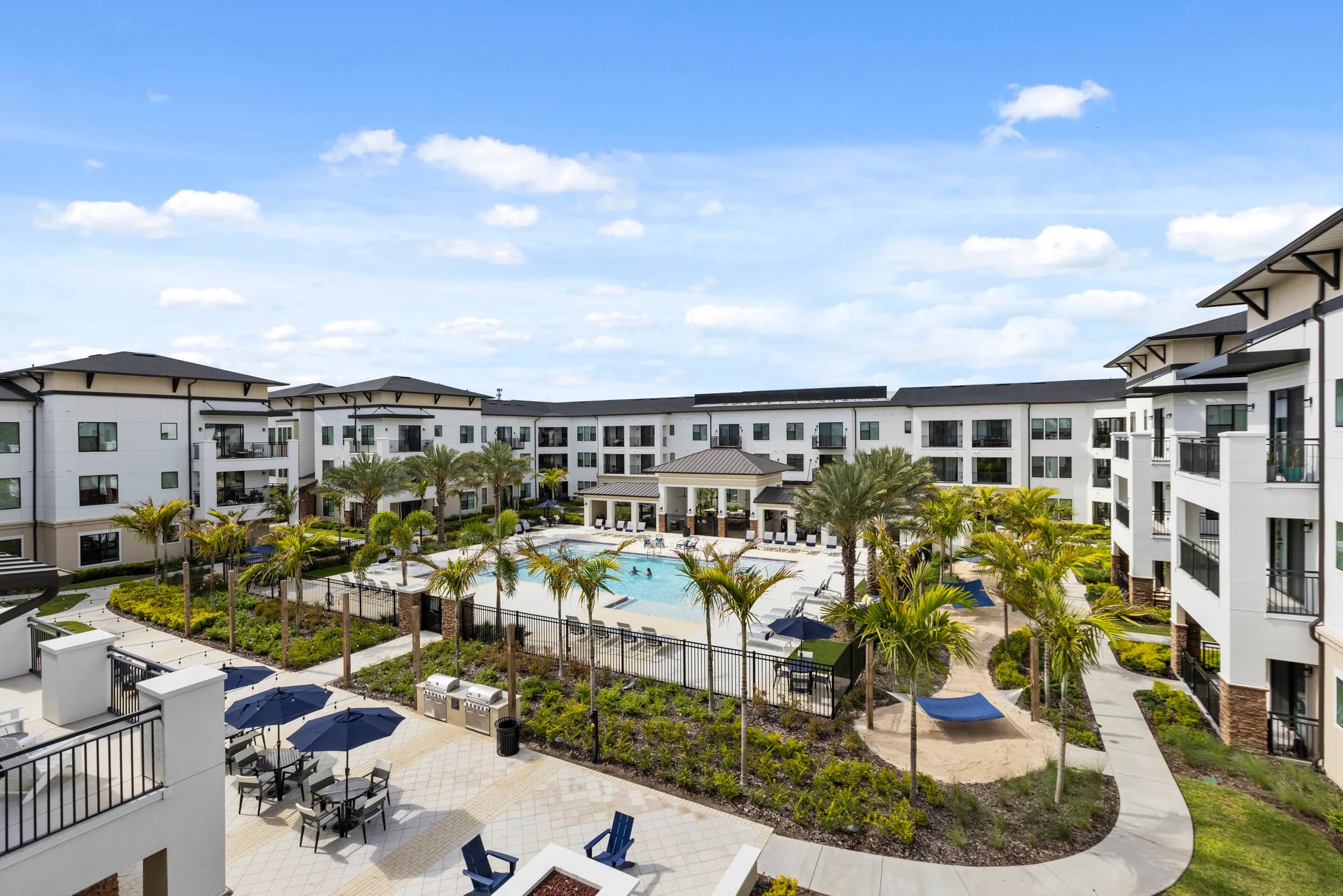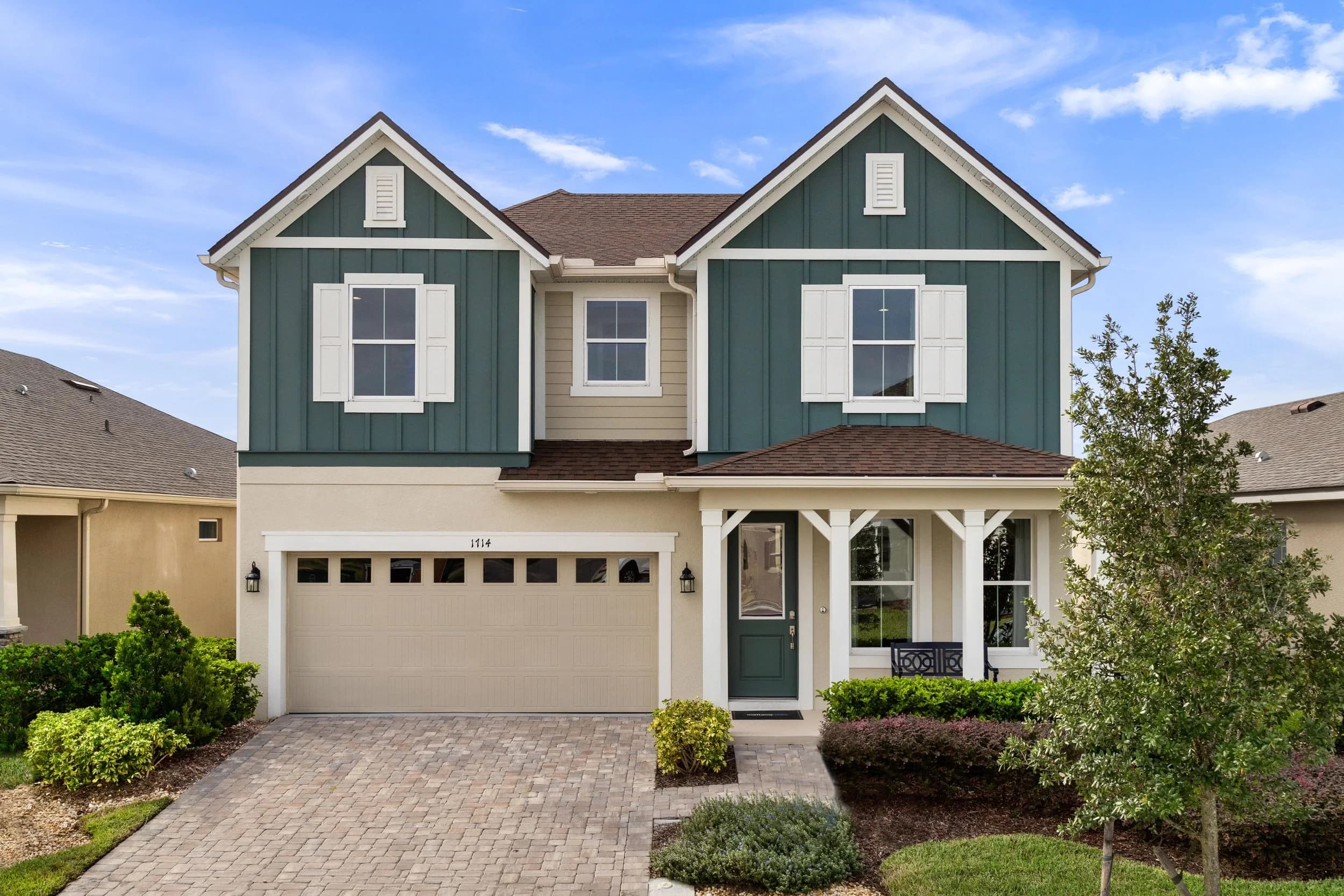
Agent shoots and builder shoots are not the same job. A builder is photographing a product that will be sold dozens of times, which raises the stakes on every detail in the frame. Here is what to have ready before the photographer arrives.
Decide What the Photos Are For
Before scheduling, get clear on the end use, because it changes the shot list:
Website and floor plan pages need clean, repeatable room images that match the plan name.
Paid ads and social need vertical crops and a few lifestyle-leaning frames.
Brochures and signage need high-resolution files and often specific aspect ratios.
Trade and design award submissions need architectural-grade work — careful verticals, controlled light, and detail shots.
Interior designer and trade partner portfolios may require credit and usage terms sorted in advance.
Telling the photographer that a shoot is for the community landing page and a Meta ad set produces a meaningfully different deliverable than just shoot the model.
The Physical Prep List
Model homes are usually close to camera-ready. The gaps are consistent. On the construction and site side:
Trades finished and off-site, with no ladders, buckets, cords, or drop cloths in frame
Construction signage, portable toilets, and dumpsters moved out of exterior sight lines
Driveway and walks pressure-washed, or at least swept and hosed
Sod seams watered and any bare patches addressed
Fresh mulch in the front beds — this single item makes the biggest difference in exterior photos
Vehicles cleared from the driveway, and from the frontage across the street if possible
Inside:
All bulbs working and color-matched within each room
Protective film removed from appliances, windows, and cabinet faces
Blue tape, punch-list stickers, and sticker residue removed from glass
Floors vacuumed and hard surfaces mopped the morning of the shoot
Fingerprints wiped from stainless appliances and glass doors
HVAC vents and thermostat covers straight; ceiling fans off
Staging fully installed rather than partially delivered, with accessories styled the same day
Model home signage, price sheets, and brochure racks removed from photographed rooms
Amenities and Common Areas
If the shoot covers a community and not just one home, add:
Pool and spa cleaned and skimmed, covers fully off, furniture squared
Clubhouse and fitness center staged and lit, with equipment wiped down
Entry monument and landscaping trimmed, and irrigation off during the shoot
Playgrounds, dog parks, and trails cleared of maintenance equipment
Temporary banners either removed or intentionally included — decide, do not leave it to chance
Amenity images age slowly and get reused for years, so it is worth doing them properly once.
Timing and Sequencing
A few scheduling rules that consistently save builders money:
Shoot after final clean, before the first public tour. Models degrade quickly once traffic starts.
Book exteriors around sun orientation. A north-facing elevation and a west-facing elevation want different hours; a good photographer will ask which way the front faces before setting a time.
Add twilight as its own window. Twilight exteriors of a model or a clubhouse are the strongest single asset in most community marketing, and they take a separate visit at dusk.
Bundle photo, aerial, video, and 3D on one visit when possible. Same light, same staging state, consistent look across the whole package.
Plan progress photography separately. Construction progress documentation is a recurring, lower-production shoot on its own cadence.
Sort Out Usage Before the Shoot
Builder marketing spreads further than agent marketing — sales centers, third-party listing sites, trade partners, subcontractor websites, designer portfolios, award entries, and corporate marketing. That is worth an explicit conversation about licensing before anyone shows up. Questions to settle in writing:
What entities are covered — the builder only, or also design partners, agents, and subcontractors?
How long does the license run, and does it survive the community selling out?
Is paid advertising included?
Can the photographer use the images in their own portfolio and marketing?
Getting this right up front prevents the awkward conversation two years later when a trade partner has been using the images without permission.
What Good Looks Like
A well-prepped model home shoot delivers a set that a builder can use for the entire life of the community: a consistent gallery per plan, a strong twilight hero, aerials that show the community and its setting, amenity coverage, and a video or 3D tour for out-of-market buyers.
The difference between that and a mediocre set is almost never the camera. It is whether the site was ready.
Ready to book? Get in touch or call us — we serve Orlando, Tampa Bay, and Central Texas.