Most listings live on the MLS, Zillow, and a brokerage site. A single-property website is the one place where an agent controls the whole presentation — and most of them are built wrong.
What a Single-Property Site Is For
A property landing page is not a duplicate of the MLS entry. It has three jobs:
Give the media room to breathe. Portals compress images, cap gallery sizes, and bury video. Your own page does not.
Serve as the link in every marketing channel — email blasts, social posts, QR codes on signs and flyers, paid ads, and out-of-state referrals.
Win the seller confidence. A dedicated site is one of the most visible things a seller sees you do for their listing, and it comes up constantly at the listing appointment.
That framing determines what belongs on the page.
The Elements That Matter
In rough order of importance:
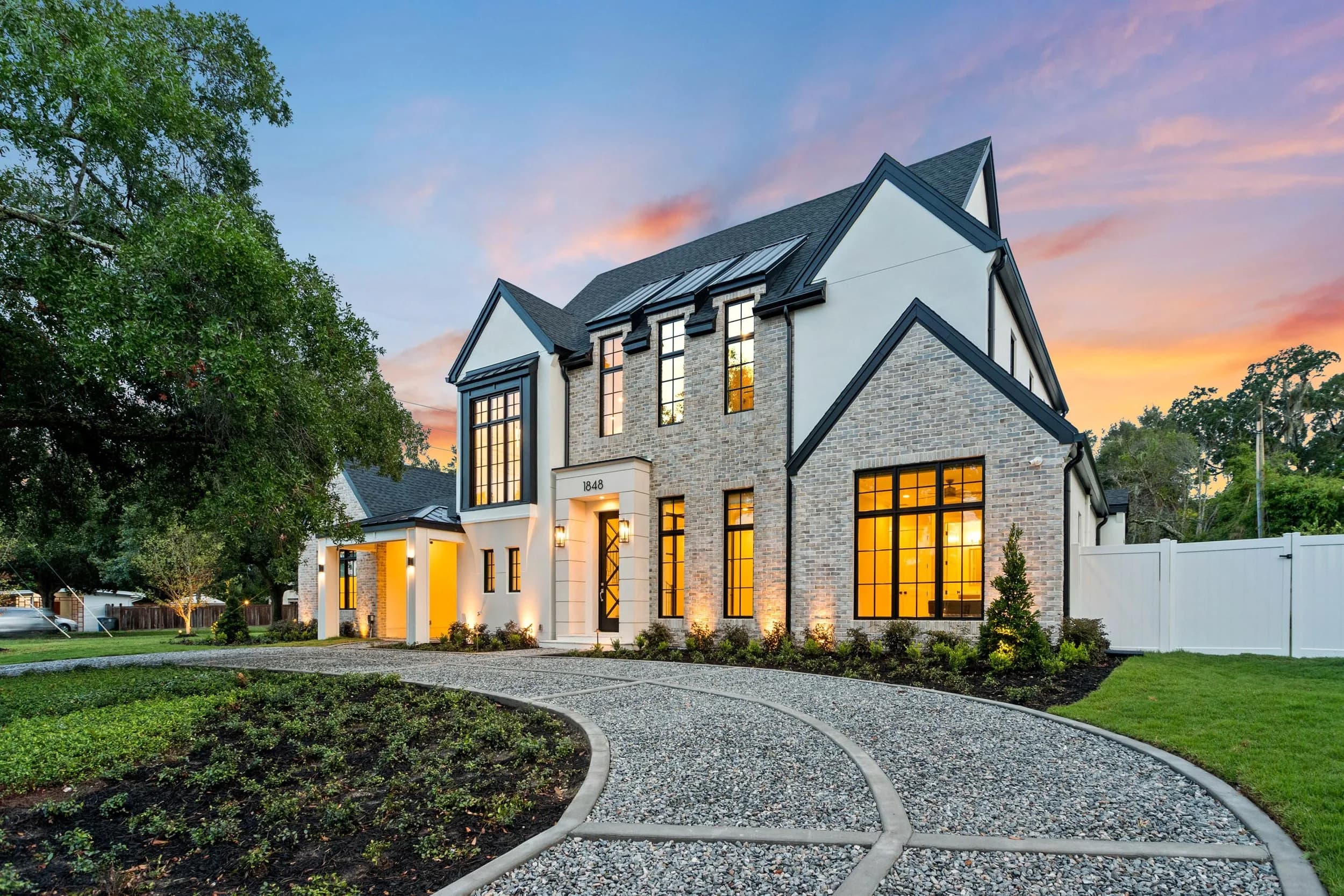
A single hero image above the fold. Usually the twilight exterior or the best interior. One image, full width, no carousel that auto-advances before a visitor can look at it.
Address and price, immediately visible. Sites that hide the price behind a form lose more traffic than they capture.
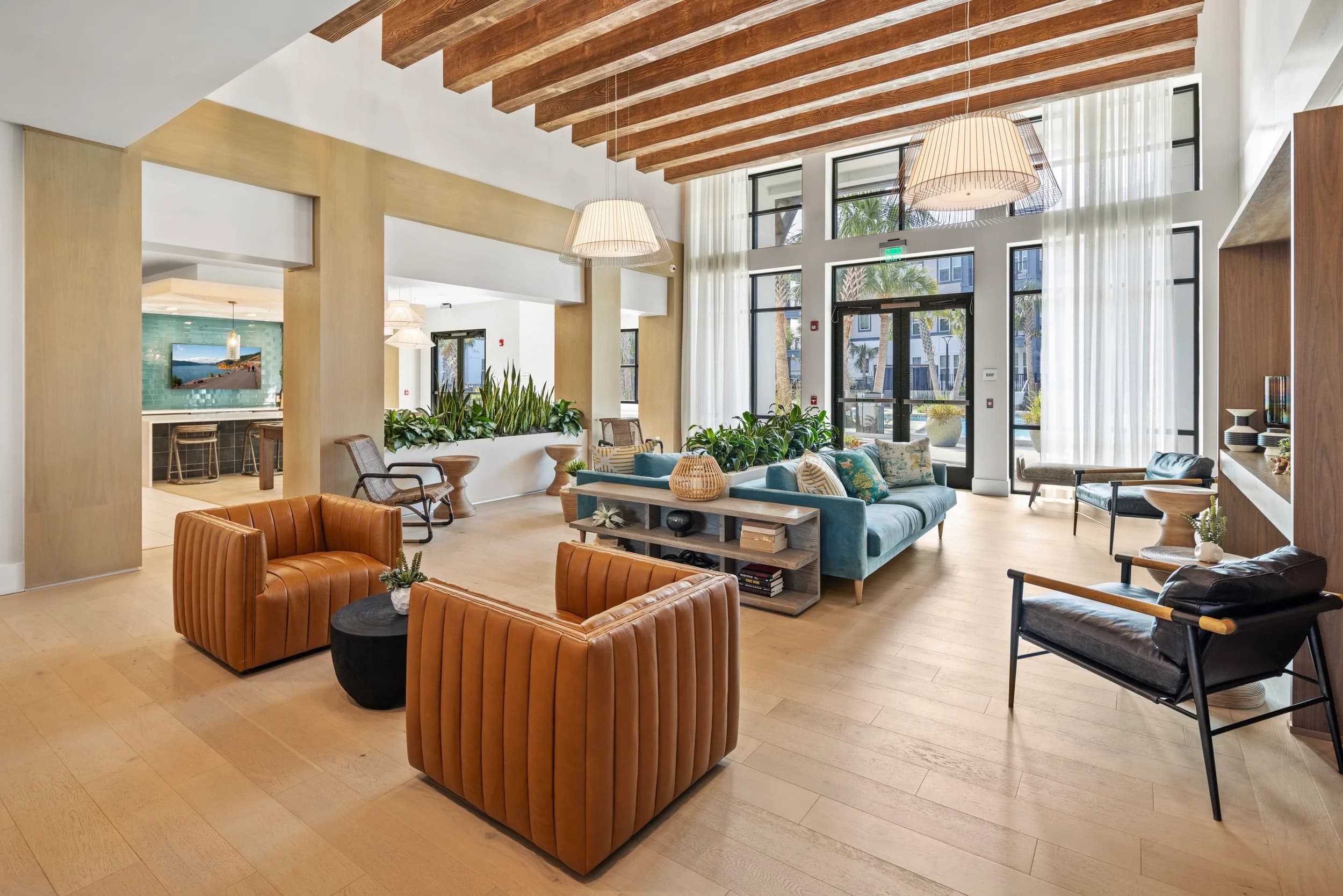
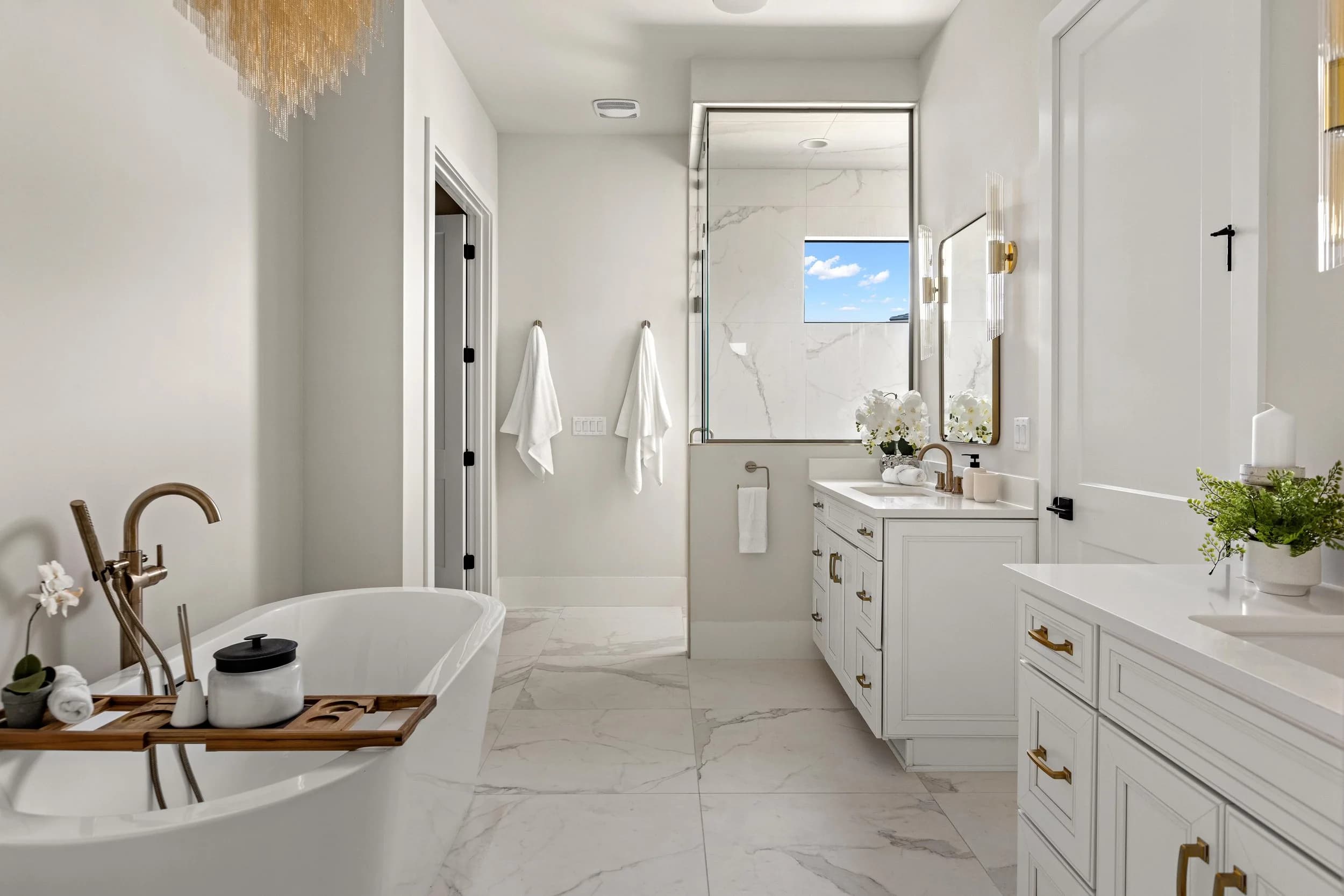
The full photo gallery, in a deliberate order — exterior, main living, kitchen, primary suite, secondary rooms, outdoor space, aerials. Not shuffled, not alphabetical by filename.
The video or walkthrough, embedded and playable without leaving the page.
The 3D tour, embedded the same way. Matterport and Zillow 3D Home both embed cleanly.
The floor plan, viewable at full size. This is the single most-requested item from remote buyers and the most commonly omitted.
A short property description — three or four paragraphs, not the MLS remarks pasted verbatim with abbreviations intact.
Neighborhood and location context. A map, nearby schools, drive times, and what is within a few miles.
Your contact block, with photo, phone, email, and brokerage, repeated at the top and bottom.
What to Leave Off
Just as important:
Auto-playing music. It has never once helped sell a house.
Mandatory lead capture before the gallery. Buyers bounce, and the listing loses the impression entirely.
Slideshow transitions and pan-and-zoom effects applied to still photos. They make good photography look like a screensaver.
Stock photos of a different house. Buyers spot this immediately and it undermines everything else on the page.
Dense feature tables copied from the MLS. Two or three highlight bullets beat a forty-row spec grid.
Mobile Is the Real Test
The majority of visits to a property landing page come from a phone — usually from a text, a social post, or a QR code on a sign. Before you send the link anywhere, check the page on a phone and confirm:
The hero image loads fast on cellular, not just on office wifi.
The gallery swipes properly and images are not cropped to unrecognizable slivers.
The video and 3D tour embeds work in a mobile browser, not just desktop.
The phone number is tappable.
The floor plan is legible, or at least zoomable.
A page that is beautiful on a 27-inch monitor and broken on a phone is a page that fails for most of the people who see it.
Getting the Media Right First
A landing page can only be as good as what goes on it. The listings whose sites actually perform tend to have the same media package behind them:
25 to 40 finished photos, exposure-consistent and correctly ordered
One twilight exterior for the hero slot
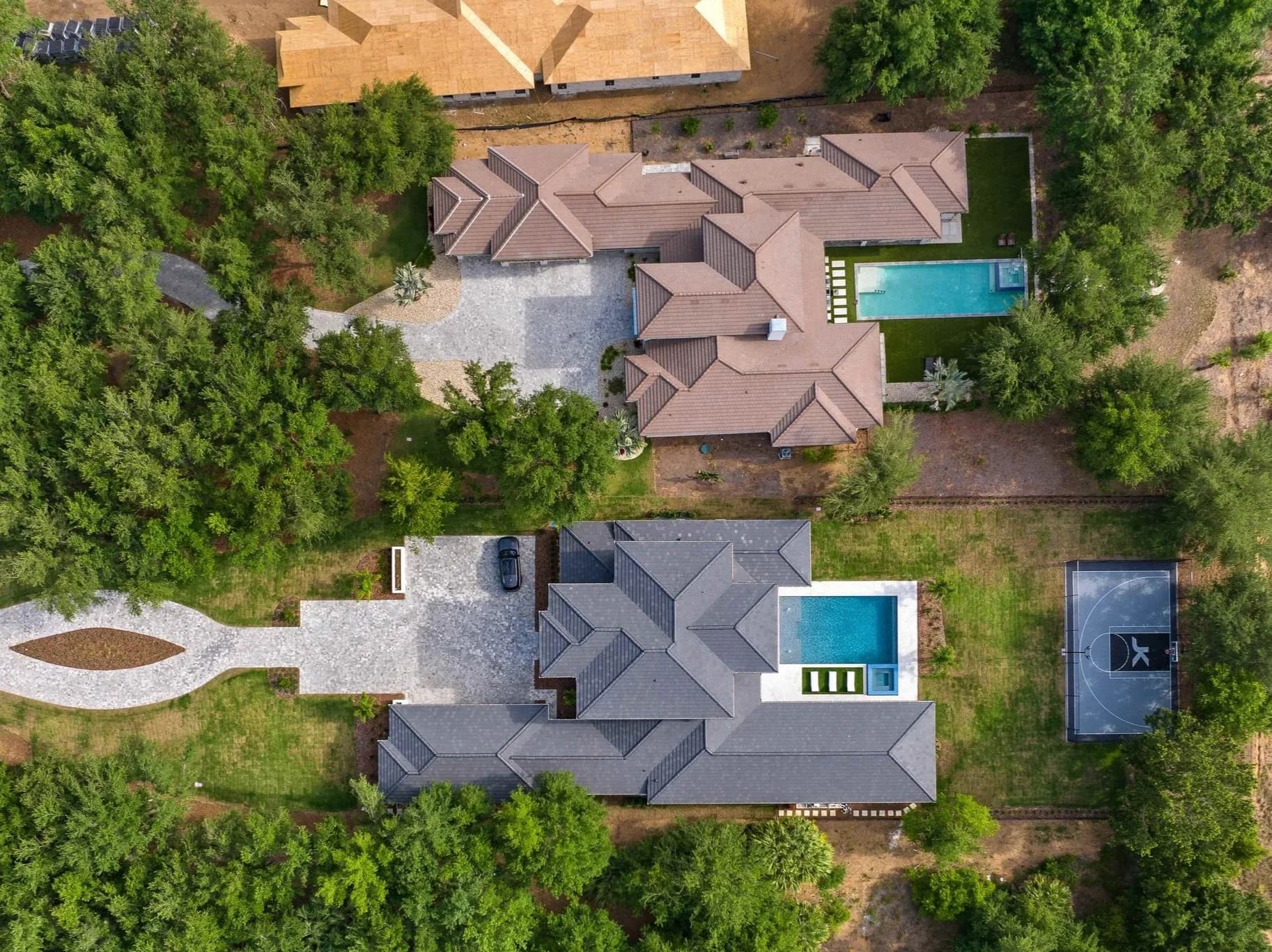
Aerials that establish the lot and the neighborhood
A walkthrough video, plus a short vertical cut for social
A 3D tour and a floor plan for remote buyers
If you are going to build a page for every listing, it is worth booking the media as one package on one visit rather than piecing it together over three appointments. Scheduling photo, video, aerial, and 3D on a single shoot keeps the light consistent across all of it, which is what makes a landing page look designed rather than assembled.
Reusing the Page After the Sale
Two useful habits once the listing closes:
Keep the page live with a sold banner for a while. It is proof of work for future sellers and a live example you can send to a listing appointment.
Archive the media properly. Photographers license listing images for the marketing of that listing, so check your agreement before reusing the same photos for unrelated promotion. Most photographers, including us, are happy to extend usage — it just takes asking.
The Bottom Line
A single-property website is cheap leverage on media you already paid for. Lead with one strong image, show the full gallery in a sensible order, embed the video, the 3D tour, and the floor plan, keep the price visible, and make certain the whole thing works on a phone. That is most of the battle.
Ready to book? Get in touch or call us — we serve Orlando, Tampa Bay, and Central Texas.