It happens more often than you'd think: the shoot is booked, the photographer arrives, and nothing turns on. Here's what a professional can still deliver without power — and what genuinely has to wait.
Why This Comes Up So Often in Florida and Texas
Three situations account for almost every powerless shoot we walk into.
Vacant listings between owners. The seller moved out, called the utility to stop service, and nobody thought to mention it when the shoot was scheduled. This is by far the most common version.
New construction before the meter is set. The house is finished enough to photograph, the punch list is short, but the utility hasn't energized the meter yet. Builders run into this constantly when a sales team wants marketing assets before certificate of occupancy.
Foreclosures, estate sales, and long-vacant properties. Service was cut months ago and restoring it means a deposit, a service call, and sometimes an inspection.
There's a fourth version that's less predictable — a storm outage, which in Central Florida during summer is a real scheduling variable. That one usually resolves in hours, so rescheduling is normally the better call.
What a Photographer Can Still Deliver
More than most people expect. Professional real estate photography does not depend on the house's lighting to make a room look good.
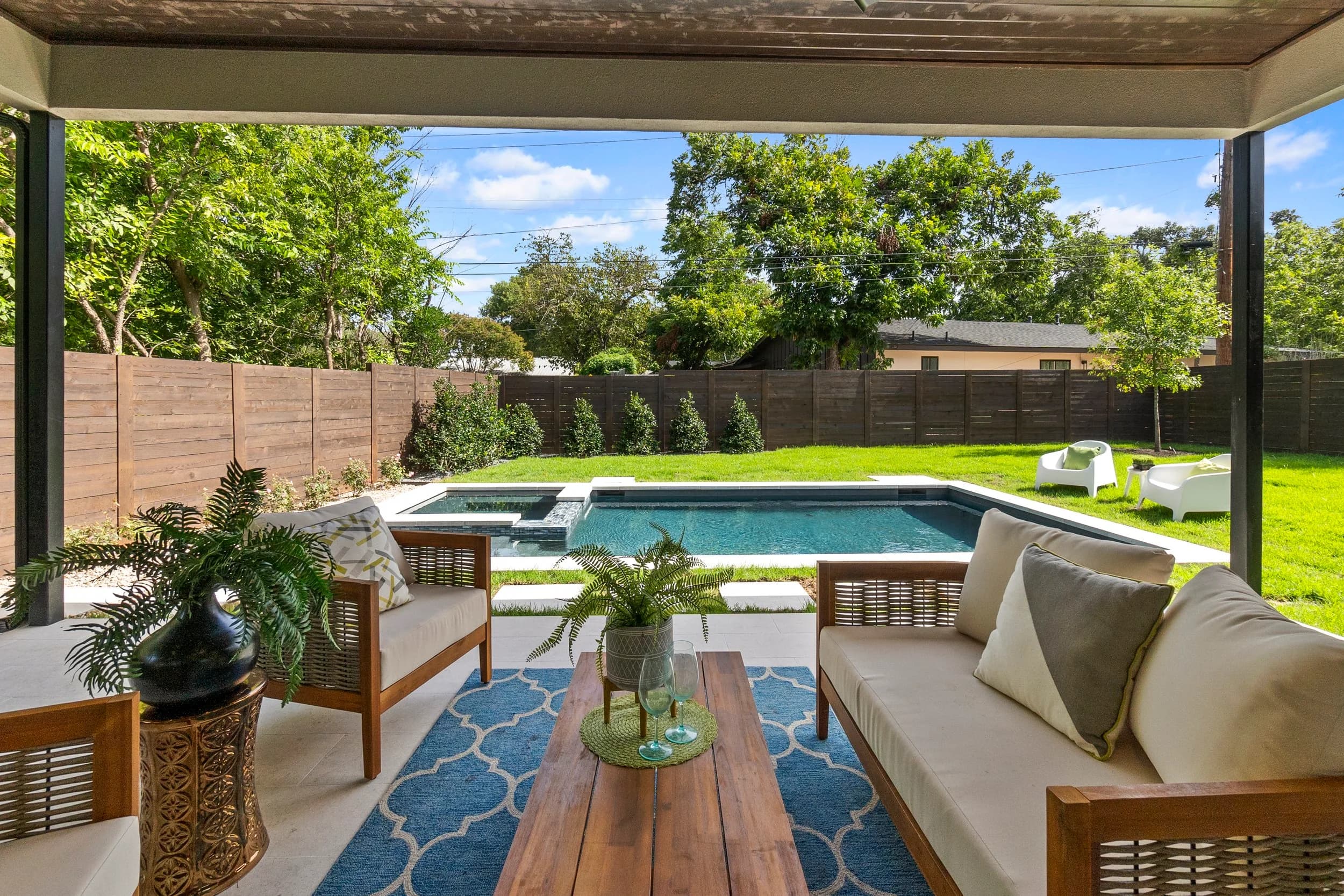
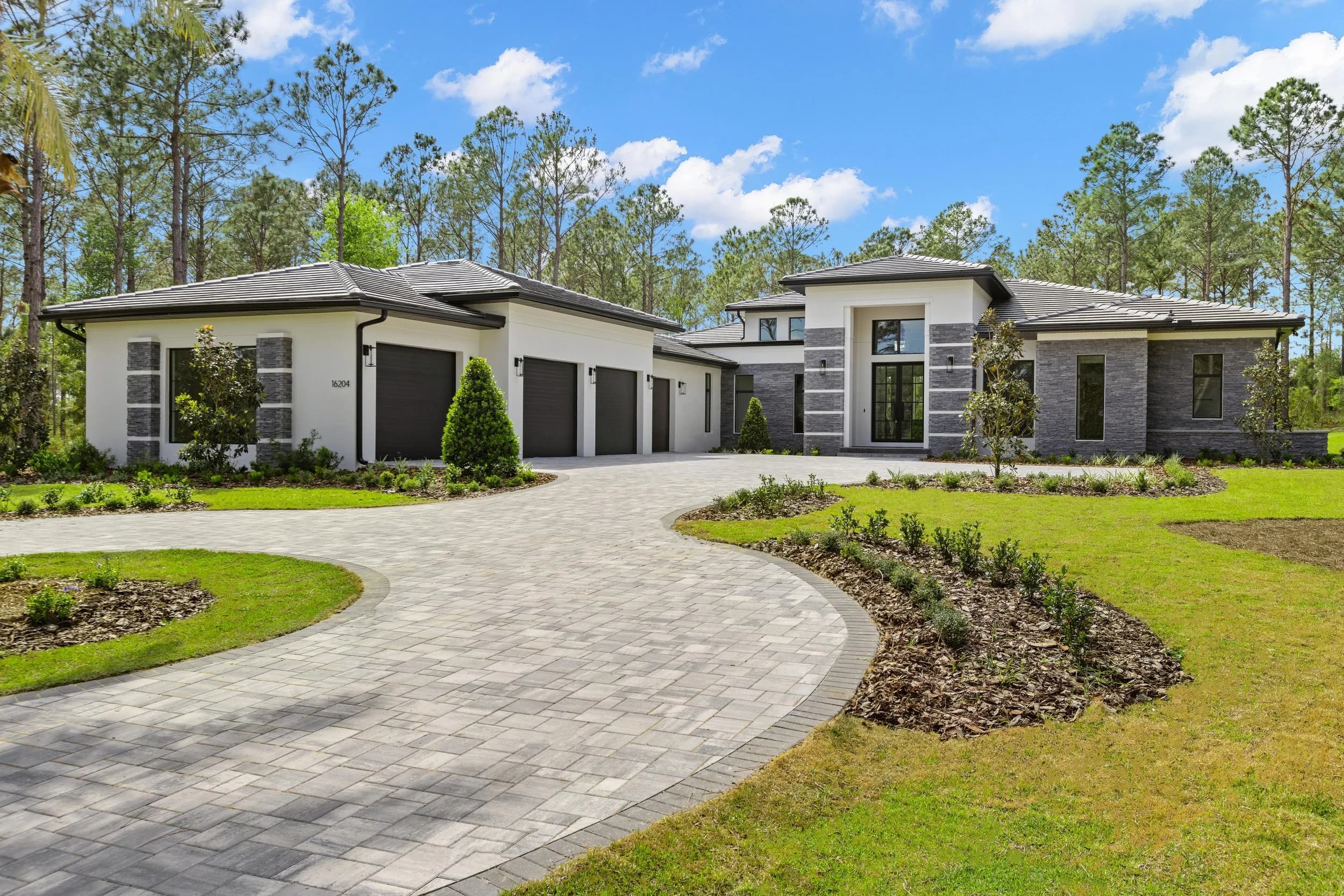
All exteriors. Front elevation, rear, sides, yard, pool deck, and landscaping are entirely sun-dependent. Power is irrelevant.
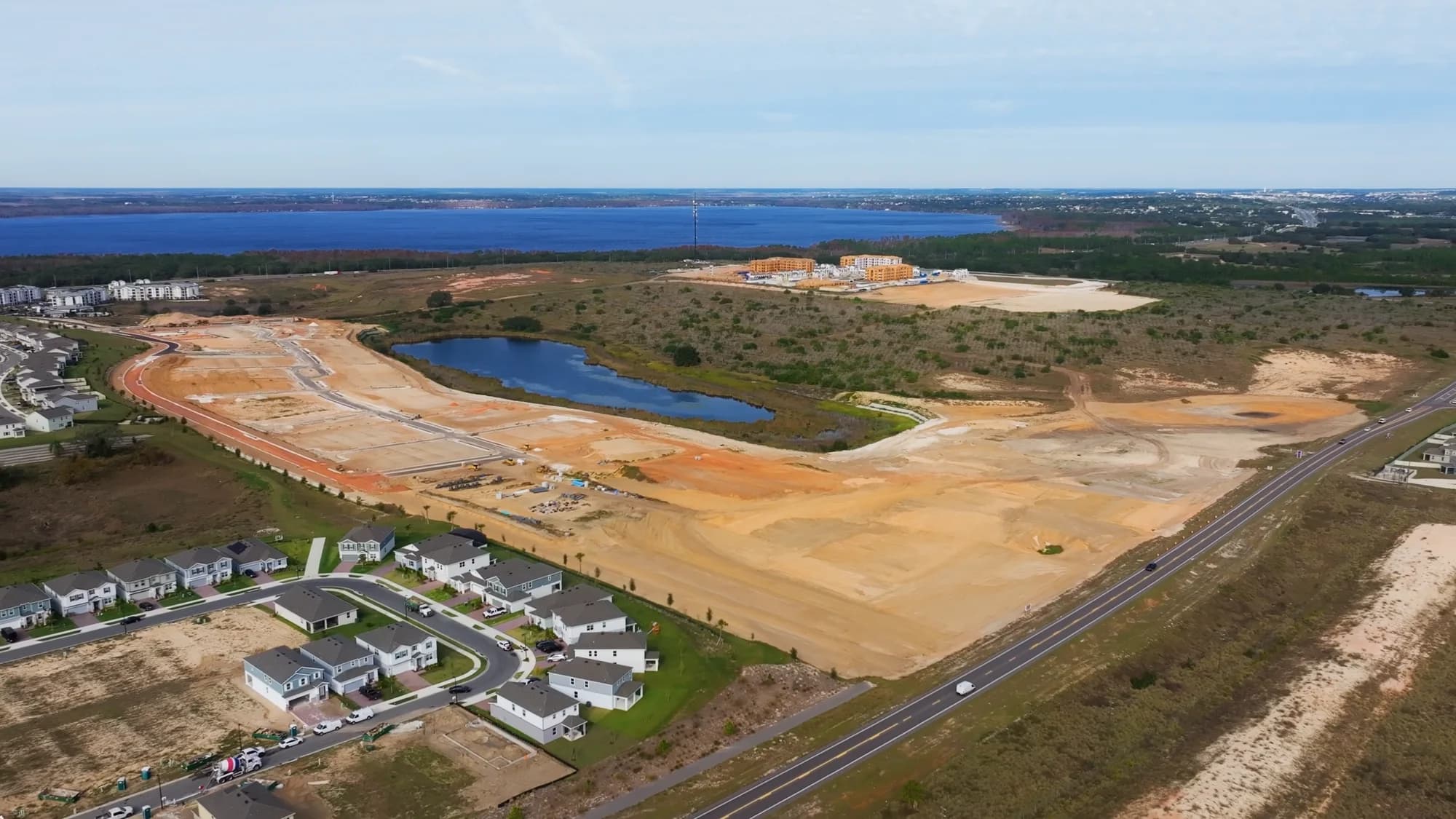
Drone and aerial coverage. Aerials, roof detail, lot lines, and neighborhood context are unaffected.
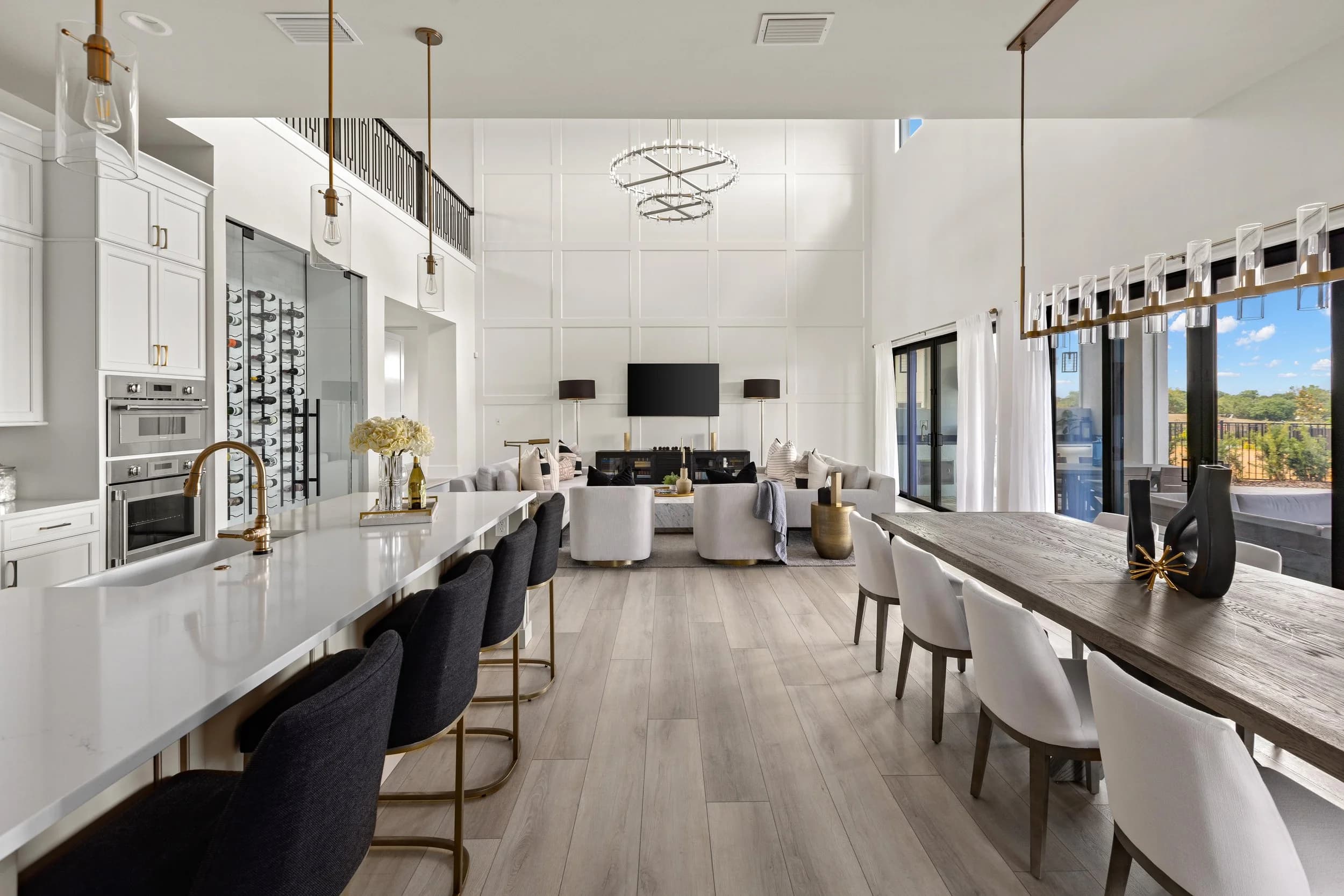
Daytime interiors in rooms with windows. With flash or bracketed exposures, a well-windowed living room, primary bedroom, or kitchen can be lit properly by the photographer — often with a cleaner, more neutral color balance than the home's own mixed lighting would have produced. No yellow-orange cast from warm bulbs.
Detail shots. Tile work, cabinetry, hardware, trim, built-ins, and finish carpentry all photograph fine.
Community and amenity photos for builder or apartment marketing.
For a straightforward daytime listing with decent window light, a skilled photographer with proper lighting can produce a gallery most buyers would never identify as having been shot in a dark house.
What Genuinely Can't Be Done
Being honest about the limits saves everyone a reshoot:
Twilight and dusk exteriors. The entire appeal of a twilight photo is warm interior light glowing through the windows against a blue sky. With no power, you're photographing a dark box. Virtual twilight can approximate it, but the interior glow is the part that reads as fake fastest.
Interior rooms with no windows. Interior baths, walk-in closets, laundry rooms, pantries, and windowless bonus rooms can be lit artificially, but they take significantly longer and can look flat.
Matterport and 3D tours. Scanning equipment needs consistent, adequate ambient light throughout the home to build a clean model. Dark rooms produce noise, distortion, and gaps. We generally don't recommend attempting a Matterport scan without power.
Anything that requires the house to function. Fountains, pool pumps and pool lighting, fireplaces, landscape lighting, under-cabinet lighting, smart-home features, and appliance displays are all part of what makes a luxury listing look alive.
Video with practical lighting. A walk-through video in a dark home reads as gloomy in a way stills don't, because the eye tracks the changing light as the camera moves.
Air conditioning. Not a photo problem — a Florida-in-August problem. A closed-up house with no AC is brutally hot and humid, which slows the shoot and can fog lenses on entry.
The Practical Playbook
If you know in advance the power is off:
Tell your photographer when booking. It changes the shot plan, the lighting gear, and sometimes the time of day.
Schedule mid-morning to early afternoon, when window light is strongest and most even.
Open every blind, shade, and curtain in the house before the photographer arrives.
Skip twilight and Matterport from the order, or book them as a second visit once service is restored.
If it's new construction, ask the superintendent whether temporary construction power is available — that's often enough to run a few work lights.
If you can get power turned on instead: do it. A day or two of utility service is almost always cheaper than a second trip, and it unlocks twilight, Matterport, video, and every windowless room. For a vacant listing that's going to sit on the market, that's a straightforward call.
If you find out on shoot day: shoot what's shootable rather than canceling outright. Exteriors, aerials, and daylit interiors still cover the majority of a standard gallery. Note which rooms need a return visit and handle them in one short follow-up rather than redoing the whole property.
The Bigger Point for Builders
For home builders, the pre-meter window is worth planning around deliberately. Exterior elevations, streetscapes, and aerial community progress can all be captured before power, and those are frequently the assets the sales team needs first. Save the full interior package — twilight, Matterport, video — for after the home is energized and staged. Two purposeful visits usually produce better marketing than one rushed one.
The short version: no power doesn't mean no shoot. It means a different shot list. Tell your photographer early and you'll get a gallery worth using either way.
Ready to book? Get in touch or call us — we serve Orlando, Tampa Bay, and Central Texas.