A grand opening is the only day your new community will have finished models, full landscaping, leadership on site, and a crowd of people all at once. It is an event shoot with a marketing job attached, and the two halves have to be planned separately.
Scout the Site Before the Day, Not on the Day
A grand opening runs on a schedule that does not pause for a photographer figuring out where the sun is. A scout visit a week or two ahead, even thirty minutes, answers:
Which direction each model faces, and therefore which elevations have to be shot in the morning and which hold up in the afternoon.
Where the ribbon cutting will physically happen, and whether the light there will be usable at the scheduled time. A ceremony staged against a blown-out white sky at 11 a.m. is a fixable problem two weeks out and an unfixable one on the day.
What is still unfinished. Sod gaps, unpaved stretches, construction fencing, a monument sign not yet installed. Some will be done by opening day and some will not, and knowing which shapes the shot list.
Drone conditions. Airspace, any HOA or municipal restriction, and where a safe launch area sits once the parking lot fills. Much of Central Florida sits under controlled airspace around Orlando and Tampa, and authorization is not a same-day errand.
Parking, power, and where the crowd will bottleneck.
For builders opening model parks in the Austin, San Antonio, and Dallas corridors, the scout also tells you how far the streetscape reads — new sections photograph very differently depending on how many surrounding homes are framed, sold, or still dirt.
Clean Model Shots Come First, Before the First Guest
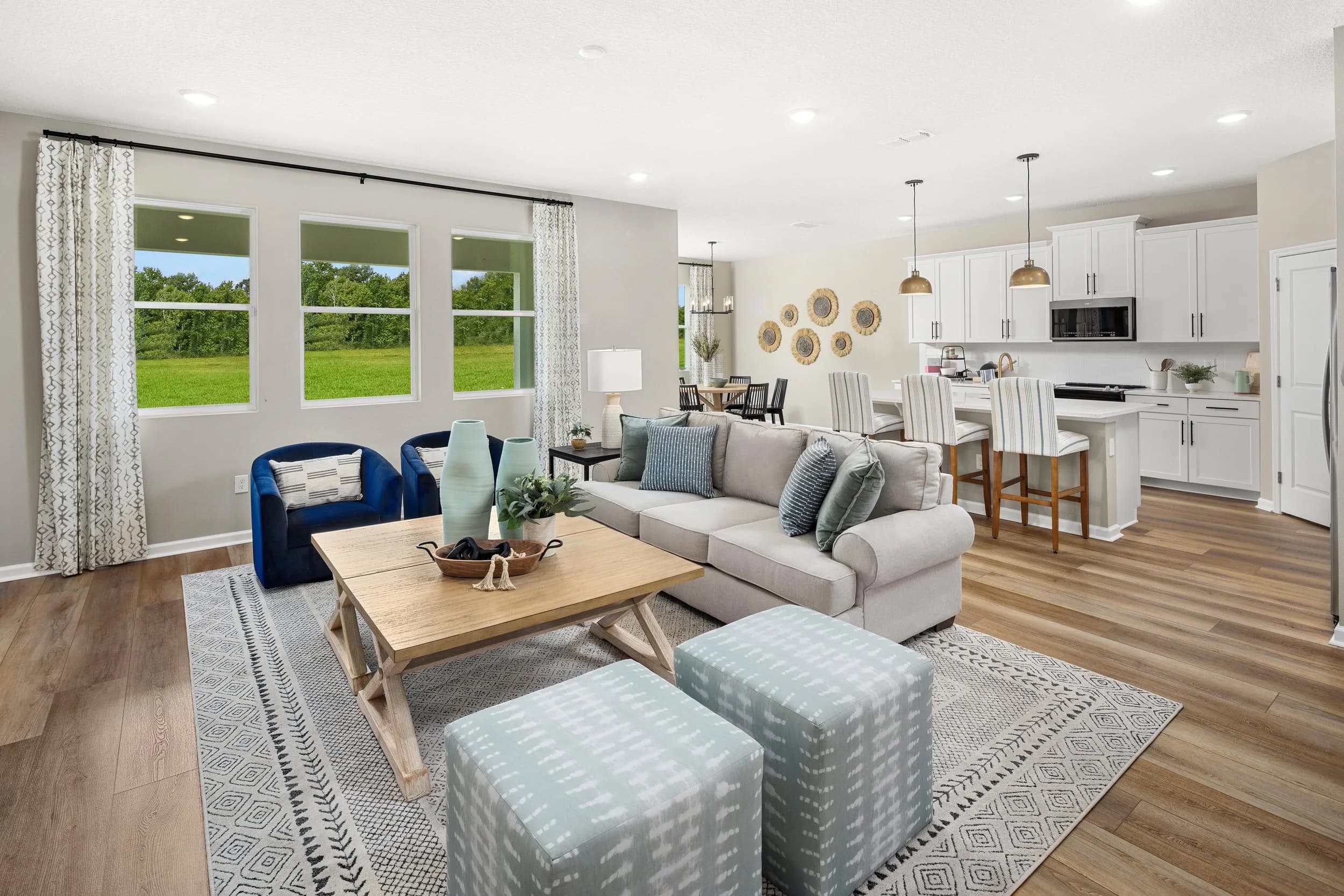
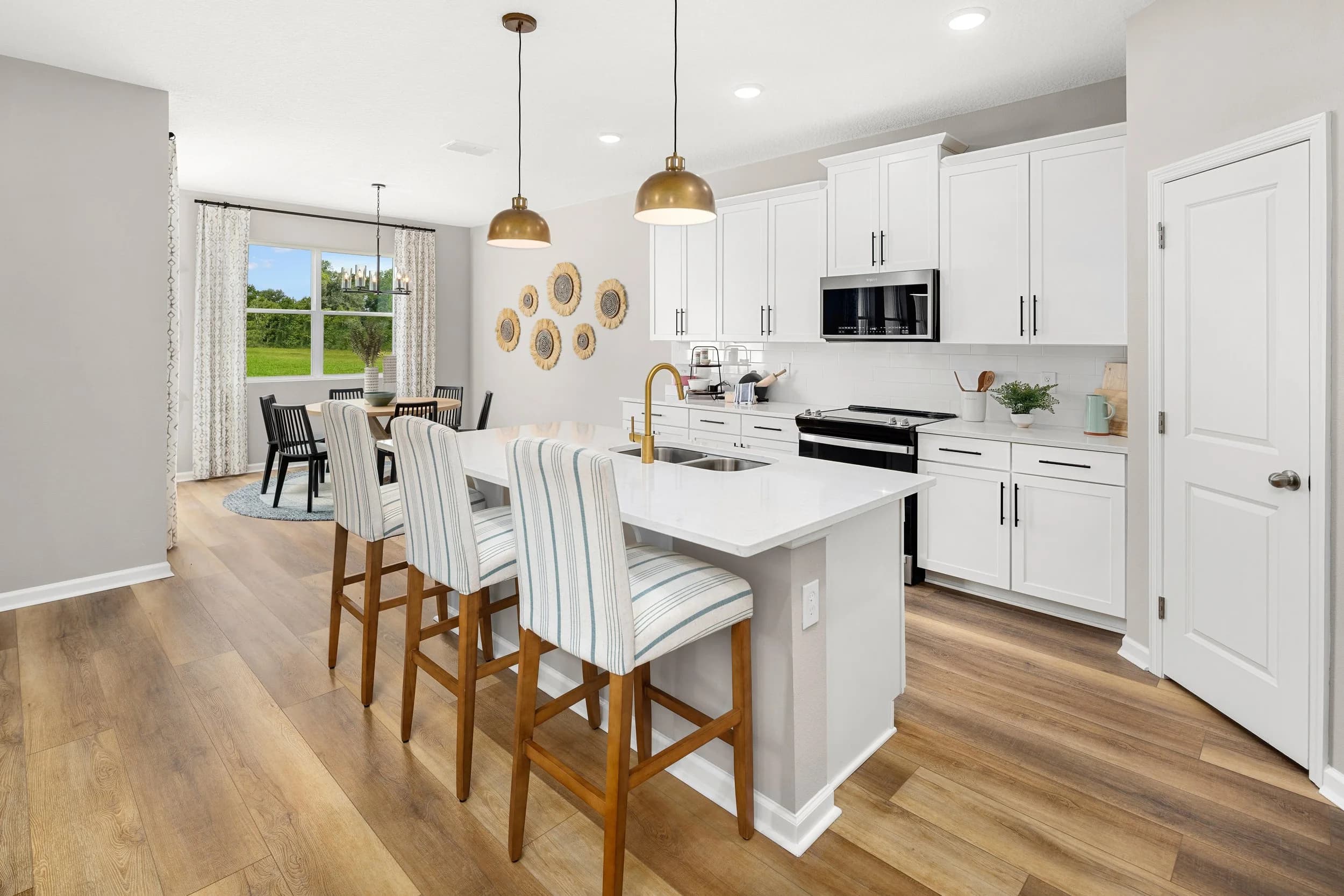
This is the part of the day that produces the assets you will still be using next spring, and it exists only in the ninety minutes before doors open. Shoot every model interior empty, the same way you would shoot a listing: staged, lights on and matched, blinds set, coffee stations out of frame. Once the event starts those rooms will not be empty again, and a model interior with three strangers in it cannot go in a brochure.
Practical sequence for that window:
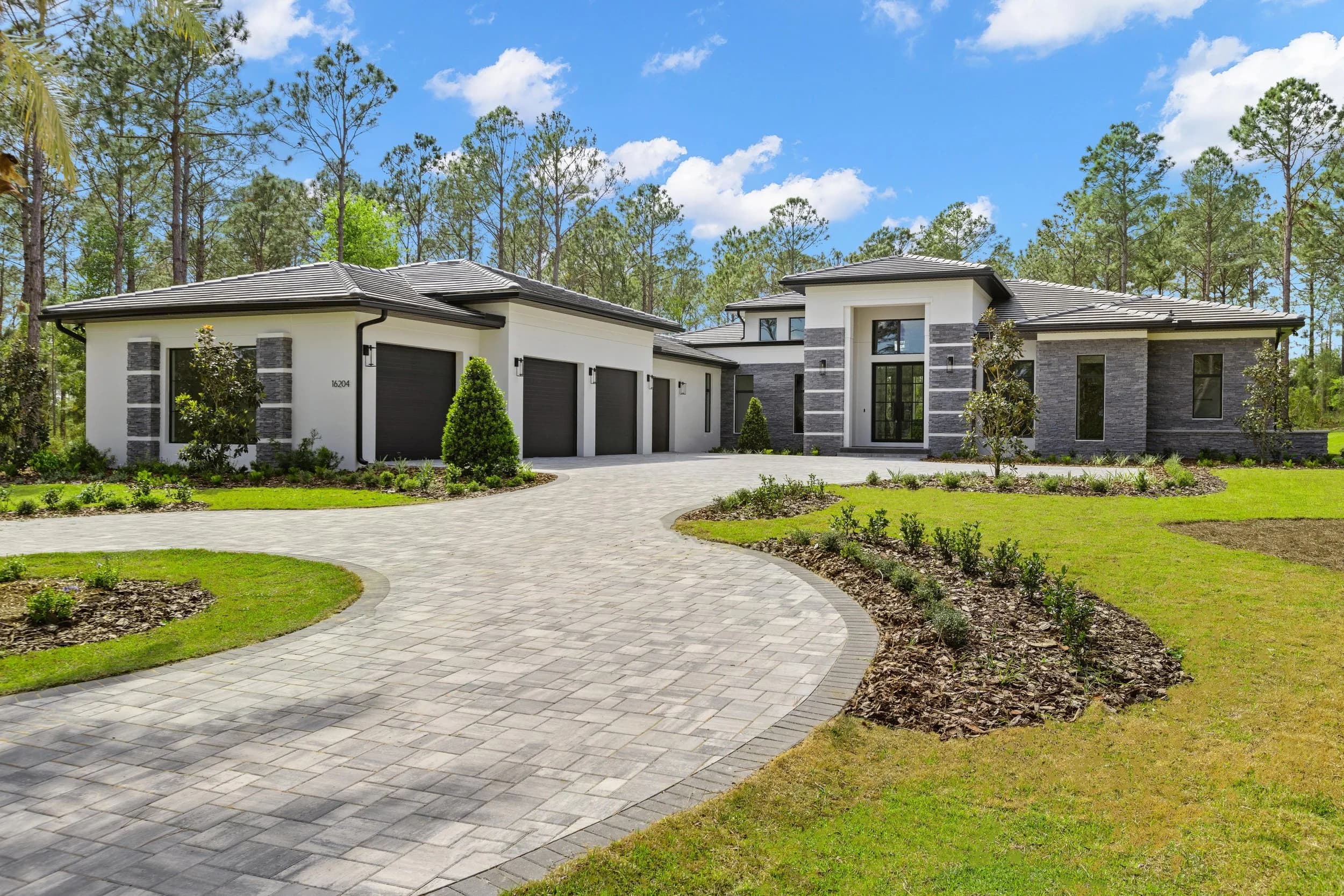
Exteriors first if the light favors them early, then interiors as the crew finishes staging.
The sales center, including the design studio, the site plan table, and any display wall — the images the sales team asks for most.
Signage and branding: monument sign, model flags, entry markers, the community logo wherever it appears.
Detail frames. Finishes, hardware, the kitchen island, the outdoor living space. These fill social calendars for months.
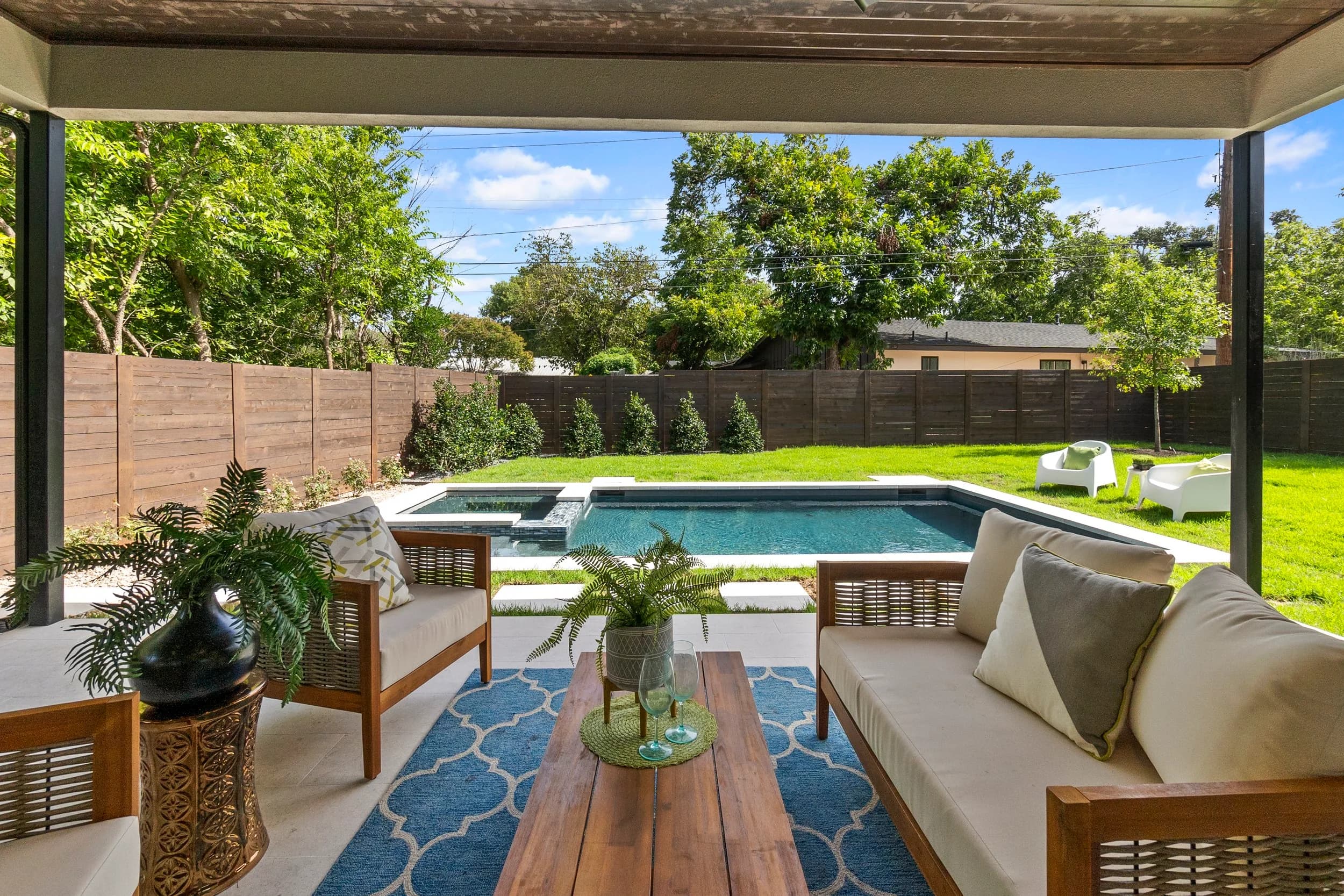
Amenity spaces empty, if the pool, clubhouse, or trail system is complete. Empty amenity photos have a longer shelf life than any event photo.
Covering the Ceremony and Leadership
The ribbon cutting is the piece nobody can reshoot, so it gets the most preparation. Know who matters before it starts — ask the marketing lead for a short list covering the division president, land developer, mayor or council member, chamber representatives, and the sales team, and get name spellings then rather than later.
Cover it in three layers: a wide frame showing the ribbon, participants, and crowd; a medium frame of the actual cut; and tight frames of faces during remarks. Shoot the cut in a burst, because scissors and closed eyes ruin single frames reliably. Then hold the group for one deliberate posed shot while everyone is still assembled — that image goes to the trade press and the local business journal, and the group disperses within ninety seconds if you do not ask. Keep the branding visible in the background of at least a few frames.
Guests, Releases, and Framing That Respects Fair Housing
Guest photography is where the marketing job and the legal caution meet.
Post signage at every entrance stating that photography and video are taking place and that entry constitutes consent. Have the builder's counsel supply the wording.
Get individual signed releases for anyone featured — recognizable and central to the frame, like the family touring the kitchen. A short form with name, signature, and date is enough, and the sales team can collect them at check-in.
Get separate written parental consent for children. No exceptions, and no child photographed alone.
Be aware of fair housing in the framing. Housing marketing imagery should not suggest a preference for or against any protected class. In practice, the people in published images should broadly reflect the market rather than a single demographic. That is a decision made in selection as much as at the shutter, so have the builder's marketing team approve the people-facing selects.
Shoot plenty of anonymous crowd energy — backs of heads, hands on a countertop, a full room at mid-distance. These carry activity without release complications.
Amenity, Streetscape, and Drone of a Site That Looks Alive
Aerials on grand opening day are worth more than on any other day for one reason: the cars. A new community photographed on a Tuesday looks empty. The same community with a full parking area, flags out, and people moving between models looks like a place with demand.
Fly the full site to establish scale, then a lower orbit around the model park with the activity visible, then the amenity center and any water or preserve feature. If the site borders something recognizable — a highway corridor, a lake, a skyline in the distance — get the frame that ties the community to its geography, because that is the image answering "where is this." On the ground, shoot the streetscape as a place: sidewalks, elevations in sequence, the entry approach a buyer will actually drive.
Event Selects Versus Full Delivery
Split the deliverable in two, and agree on it in the contract rather than during the event.
Event selects are fifteen to thirty images, lightly corrected and sized for social — the ribbon cutting, a few crowd frames, a drone shot, a model interior, plus vertical crops for stories and reels.
Full delivery is the real library and should not be rushed: fully edited model interiors and exteriors, amenity coverage, streetscape, aerials, ceremony coverage, and detail work, with consistent treatment across the set.
That library is the point. The event lasts four hours; the images run in paid social, brochures, the community landing page, sales center displays, and next year's campaign. Budget the shoot against twelve months of use rather than one afternoon.
Ready to book? Get in touch or call us — we serve Orlando, Tampa Bay, and Central Texas.