Florida does not get a real autumn, but the fall listing market absolutely changes how your photos should be planned. Shorter days, softer light, and a smaller pool of serious buyers all shift the math on when to shoot and what to shoot.
Here is the timeline we walk agents and builders through when they are targeting an October or November launch across Orlando, Tampa Bay, and Central Florida.
Why fall photography is different in Florida
Up north, fall means color. Here, it mostly means better working conditions. Three things change between September and November:
Daylight shrinks fast. Sunset moves from roughly 7:30 p.m. in early September to around 5:35 p.m. after the time change in early November. Twilight shoots that used to happen after dinner now happen during rush hour.
The light gets kinder. The sun sits lower in the sky, which means longer golden windows in the morning and late afternoon, and less of the harsh overhead glare that flattens facades in July.
Storm season winds down. Afternoon thunderstorms become far less reliable at wrecking a 4 p.m. exterior. Reschedule risk drops significantly after mid-October.
Net effect: fall is one of the best windows of the year for exterior and twilight work in Florida. The constraint is not weather anymore, it is the clock.
Six weeks out: lock the photographer and set the prep list
Fall is busy. Sellers who waited out the summer heat all list at once, and the good twilight slots go first because there are simply fewer of them per day.
At the six-week mark you should:
Book your shoot date, even if the home is not fully ready. Dates are easier to move than to create.
Decide the deliverables now, not later. Photos only, or photos plus video, drone, and a 3D tour? Adding drone the night before rarely works.
Send the seller a written prep list with a deadline that lands three days before the shoot, not the morning of.
Two weeks out: exteriors and landscaping
Exterior work is the item that most often blows up a fall shoot, because Florida landscaping does not stop growing in October the way it does elsewhere.
Two weeks before the shoot, confirm that the seller has scheduled:
Pressure washing for the driveway, walkway, and any pavers or pool deck
A fresh mow, edge, and mulch refresh, timed for two or three days before the shoot so it looks settled rather than raw
Pool service, so the water is clear and the surface is skimmed
Removal of hurricane shutters, storm panels, and any tie-downs still up from the season
That last one catches people. Plenty of Central Florida homes still have panels leaning against a side wall in October, and they show up in every wide exterior.
Shoot week: plan around the shorter day
This is where the fall calendar bites. A full interior and exterior package on a 3,000-square-foot home takes two to three hours. If you also want twilight, that is a separate window at the end of the day, and in November that window closes by about 6:15 p.m.
Practical scheduling rules for October and November:
Front-facing homes shoot best in the morning, when the sun is behind the photographer rather than glaring into the lens.
Rear-facing and west-facing homes shoot best in the late afternoon, especially if there is a pool or a lake behind the property.
If you want twilight, build the whole day around it. The interior work happens first, and the exterior twilight sequence is the last 30 to 40 minutes.
Confirm interior lighting works. Every bulb in a fixture should match in color temperature. Mixed warm and cool bulbs are the single most common fix-in-post request we get.
Fall-specific shots worth adding
A few images pull more weight in the autumn market than they do in June:
Outdoor living, used rather than staged. October and November are the months Florida outdoor space is genuinely comfortable. A screened lanai or summer kitchen photographed in soft late light sells the lifestyle better than a noon shot ever will.
Twilight exteriors. Buyers browsing in the evening after work respond to warm windows and lit landscaping. The shorter days make these easier to schedule around a normal workday.
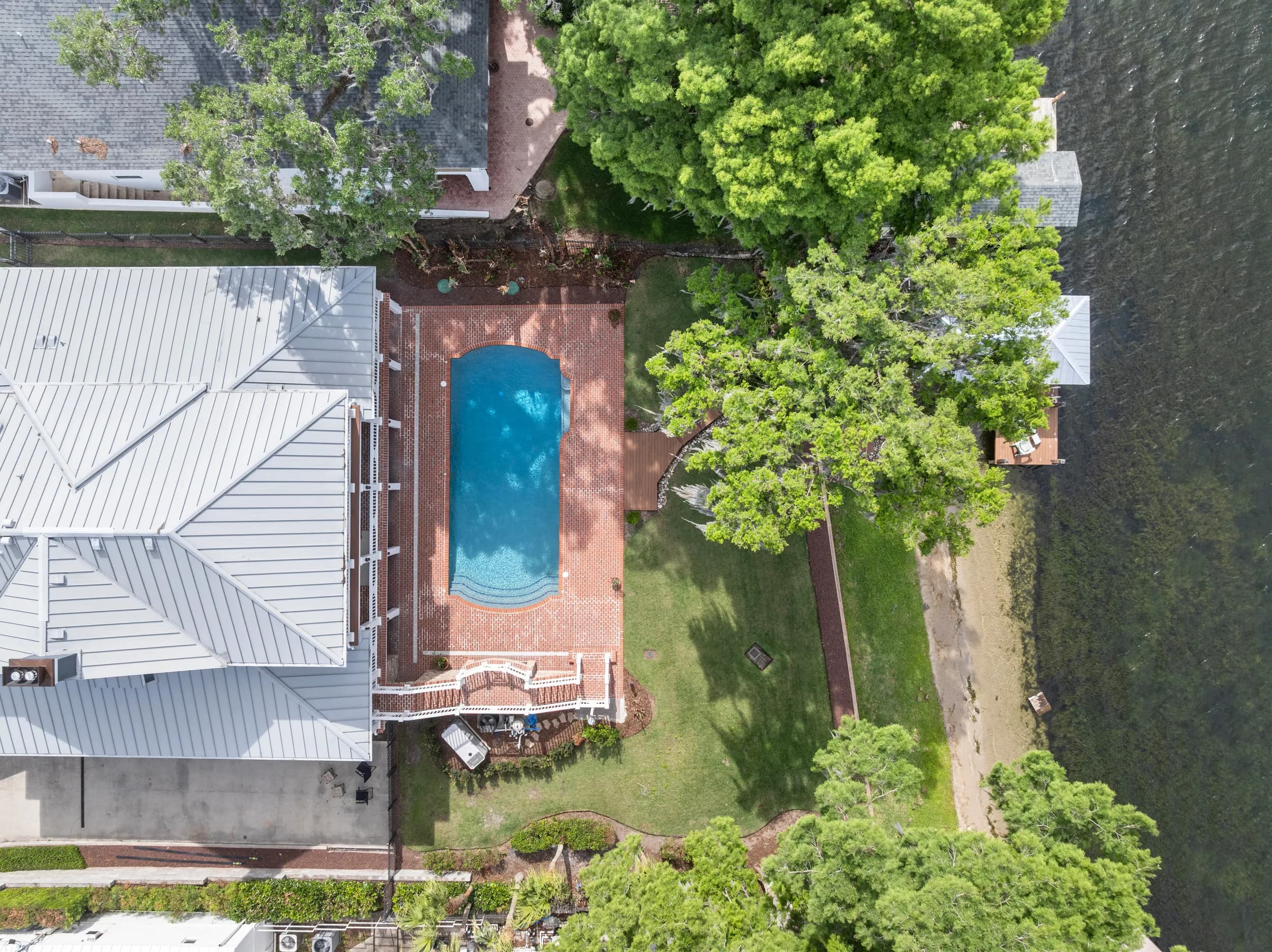
Aerials showing the neighborhood. Relocation buyers move heavily in the fall, and drone frames that establish the community, the water, or the golf course answer questions an interior gallery cannot.
One last scheduling note
Daylight saving time ends in early November, and the shift catches almost everyone off guard. The week it happens, sunset jumps roughly an hour earlier overnight. If you have a twilight shoot on the calendar that week, confirm the start time rather than assuming it carried over.
Ready to book your fall listings? Get in touch or call us. We serve Orlando, Tampa Bay, Central Florida, and Central Texas.