August through October is peak hurricane season in Florida, and it affects real estate photography in three ways most agents do not plan for until they are already behind.
Scheduling Gets Tighter Than You Think
Peak season does not just bring named storms. It brings a daily pattern of afternoon convection across Central Florida: clear mornings, building clouds by noon, and storms between two and six in the afternoon. Add a tropical system offshore and you can lose three or four consecutive days of usable exterior light.
For Orlando and Tampa Bay listings, that means booking earlier than you would in the dry season. A shoot you could schedule two days out in January should be booked five to seven days out in September. Prefer morning slots, because morning exteriors in late summer are dramatically more reliable than afternoon ones. Blue sky at 9 a.m. is common; blue sky at 4 p.m. is not.
Understand your photographer’s weather policy before you need it. Ask how rescheduling works, whether interiors proceed if exteriors cannot, and how quickly a partial reshoot can be added. And build a buffer before your go-live date. If you plan to list Friday, do not schedule photos Thursday afternoon in September. One storm and you are listing without photos or delaying the launch.
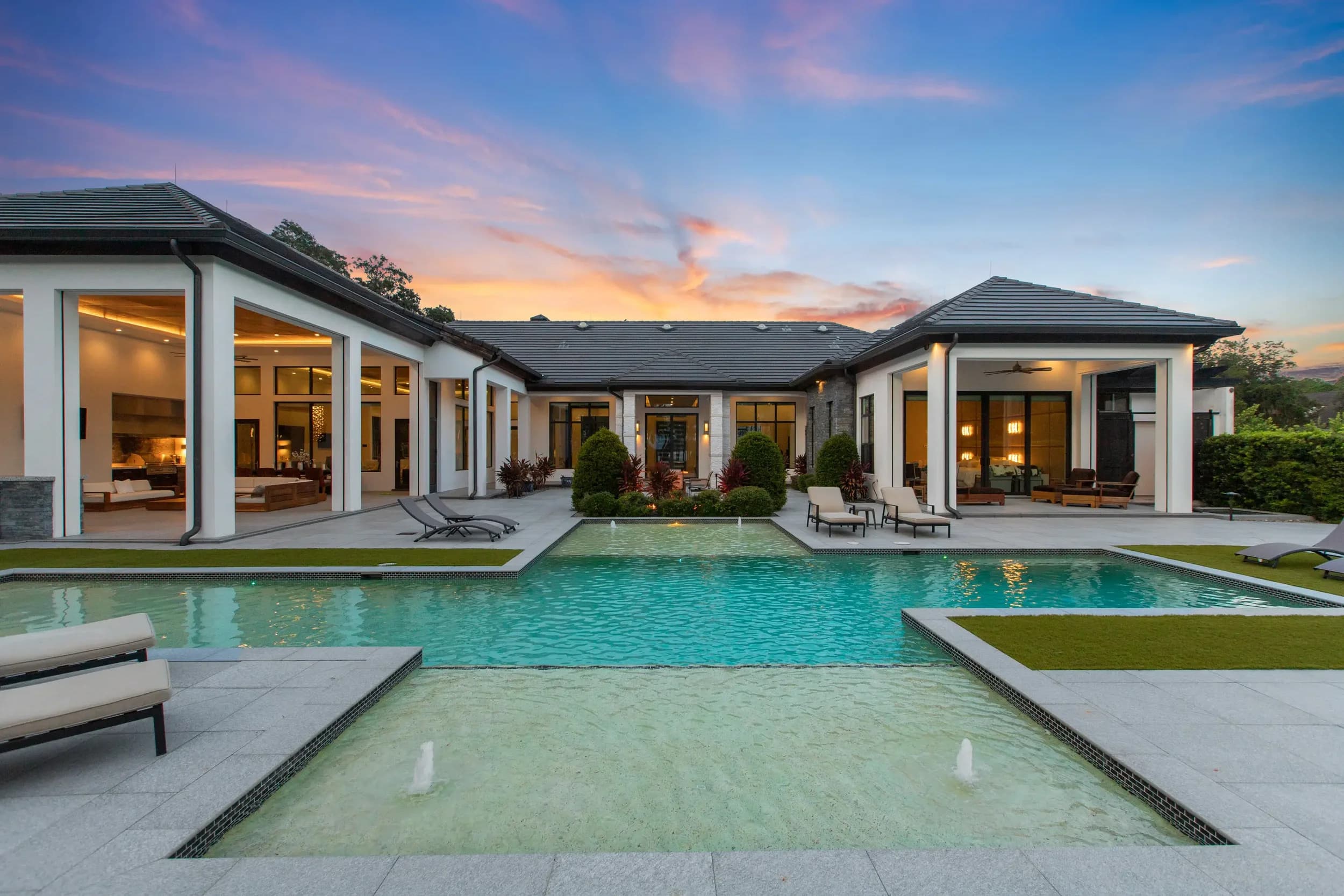
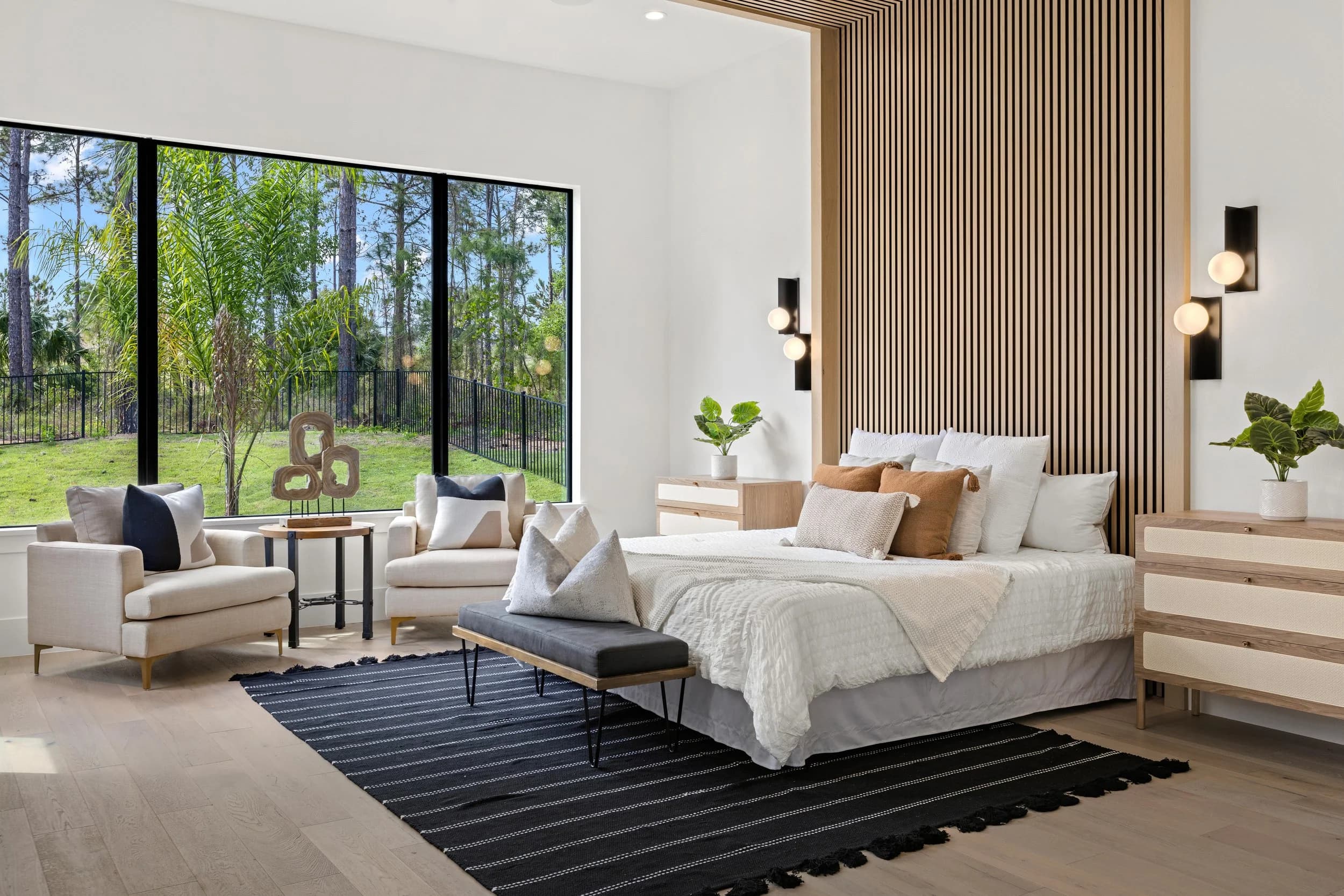
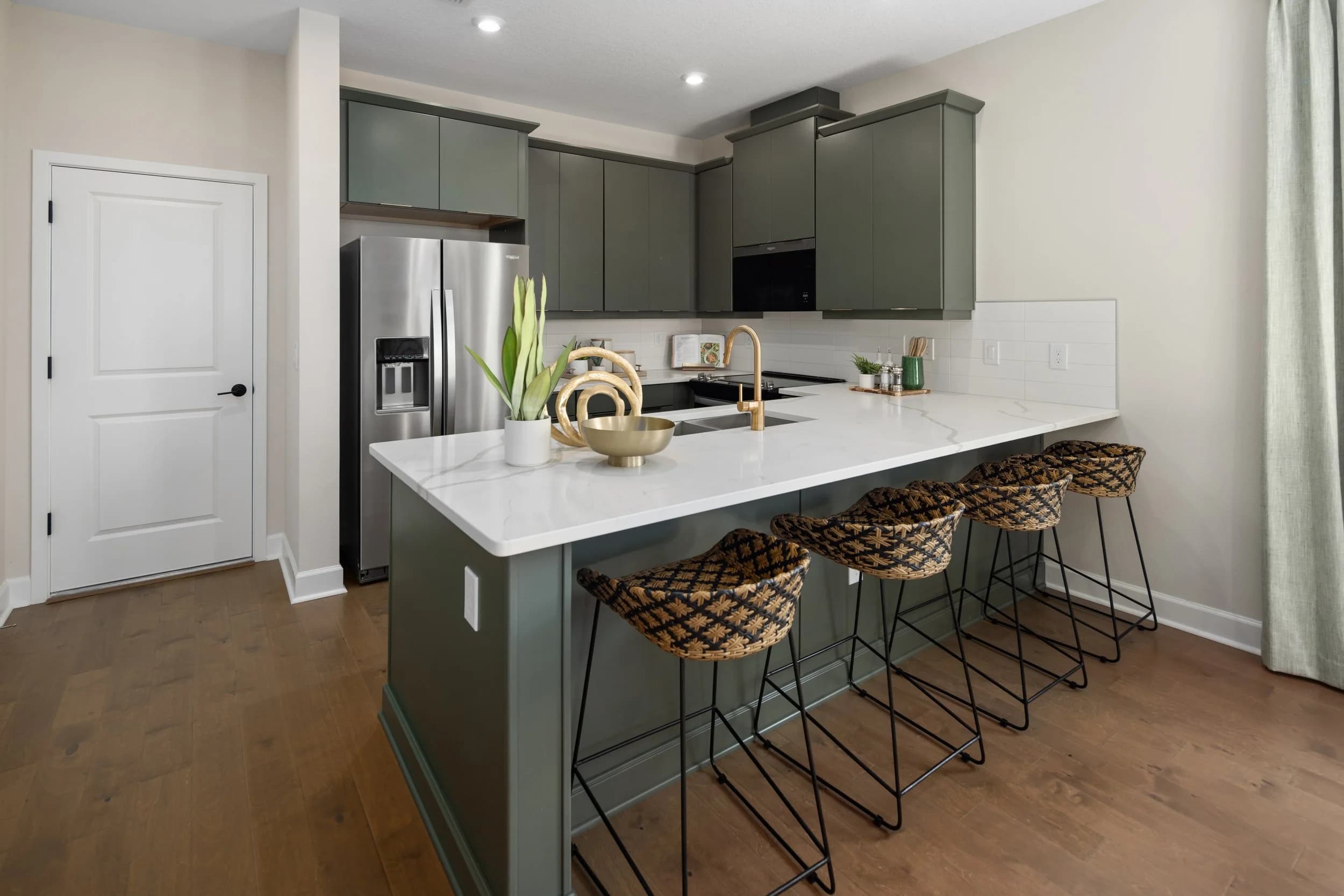
A common and effective compromise is to shoot interiors and Matterport regardless of weather, then return for exteriors, twilight, and aerials on the next clear morning. Interiors are lit and controlled; only the outdoor work is weather-dependent.
Drone Work Has Additional Constraints
Aerials are the first thing to go when a system is nearby. Wind matters as much as rain, and sustained winds or gusts can ground a flight on a day that looks perfectly clear.
During and after major storms, the FAA frequently issues Temporary Flight Restrictions over affected areas for emergency and recovery operations. Legal Part 107 operators will not fly in restricted airspace, and there is no workaround. Post-storm airspace also gets congested, because utility, insurance, and emergency aircraft take priority in recovery zones.
If aerials are essential to a listing, such as waterfront, acreage, golf course frontage, or a new community, flag that when booking so the shoot can be scheduled around the forecast rather than squeezed in.
Storm Damage Changes What Your Photos Represent
This is the part that carries real risk. If a property is photographed before a storm and the storm causes visible changes, the existing gallery may no longer accurately represent the home. That can mean anything from a downed tree and torn screen enclosure to roof damage, fence loss, or standing water on the lot.
Continuing to market with pre-storm photos after material damage creates a misrepresentation problem. Cosmetic and temporary changes, such as debris, a dirty pool, or damaged landscaping that is being restored, generally warrant an updated photo or two once cleanup is complete. Material changes, including structural damage, missing roof sections, a destroyed lanai or screen enclosure, or damaged docks, require updated photos before continuing to market, along with disclosure per your broker’s guidance and Florida disclosure requirements.
Repaired damage is worth reshooting. If a screen enclosure was replaced or a roof was redone, new photos help rather than hurt, because buyers value recent roof and enclosure work in Florida. When in doubt, ask your broker. This is a compliance question first and a photography question second.
Documentation Photography Before and After a Storm
Beyond marketing, there is a practical use for photography that many owners and property managers underuse: condition documentation.
A Matterport scan or a systematic photo set captured before storm season gives an owner a timestamped record of the property’s condition. If a claim becomes necessary, that record is far more persuasive than memory. This is particularly valuable for vacation rental owners in the Orlando corridor and along the Gulf coast, investors and out-of-state owners who cannot inspect quickly after a storm, property managers responsible for multiple units, and builders documenting completed inventory that has not closed.
Post-storm documentation matters too. Photographing damage systematically, with wide context shots plus detail images and consistent coverage of every elevation, supports both claims and repair scoping.
A Simple Seasonal Playbook
For agents and builders working Central Florida from August through October: book photography earlier and take morning slots when possible. Split the shoot, doing interiors and 3D on the scheduled day and exteriors, twilight, and aerials on the best available weather window. Keep a buffer between the photo date and the listing go-live date, and confirm your photographer’s reschedule and partial-reshoot policy in advance.
If a storm affects a property that is actively listed, pause and check with your broker before continuing to run the existing gallery. And consider pre-season documentation scans for rentals, investment properties, and unsold inventory.
Do Not Let the Forecast Cost You the Listing Launch
Most weather problems in Florida real estate photography are not caused by the storm itself. They are caused by scheduling with no margin. A few days of buffer and a willingness to split interiors from exteriors solves the majority of it.
Ready to book? Get in touch or call us. We serve Orlando, Tampa Bay, and Central Texas.