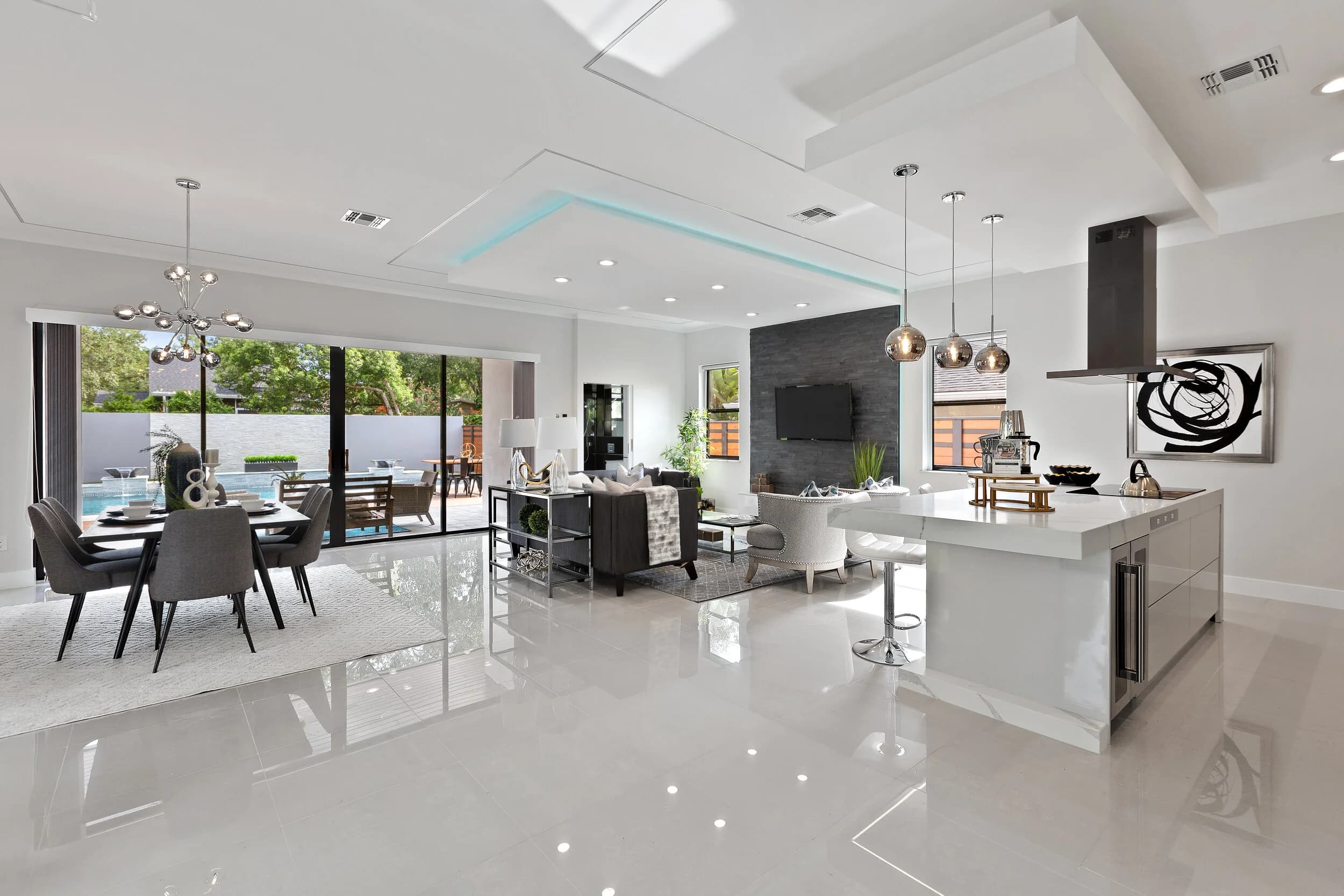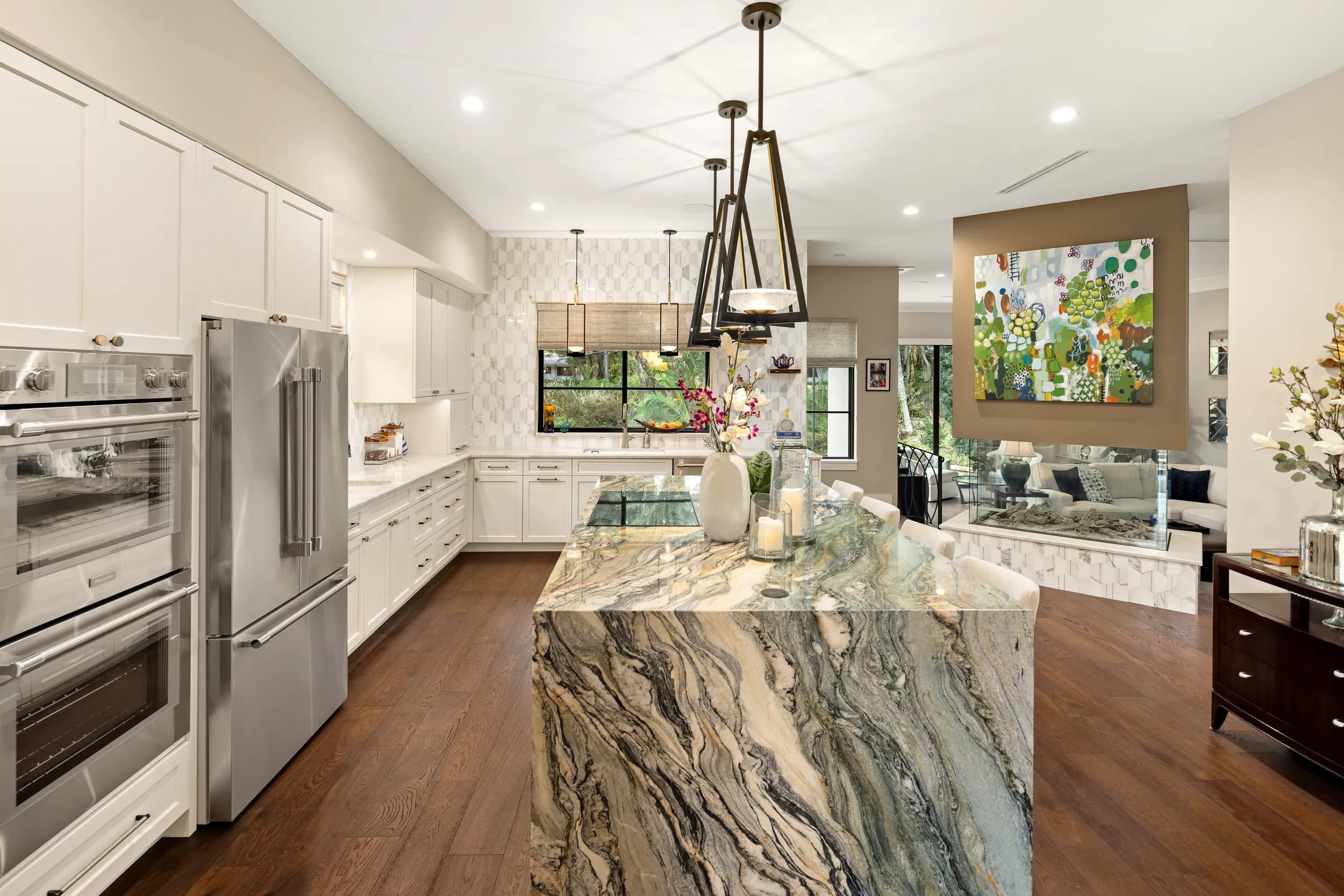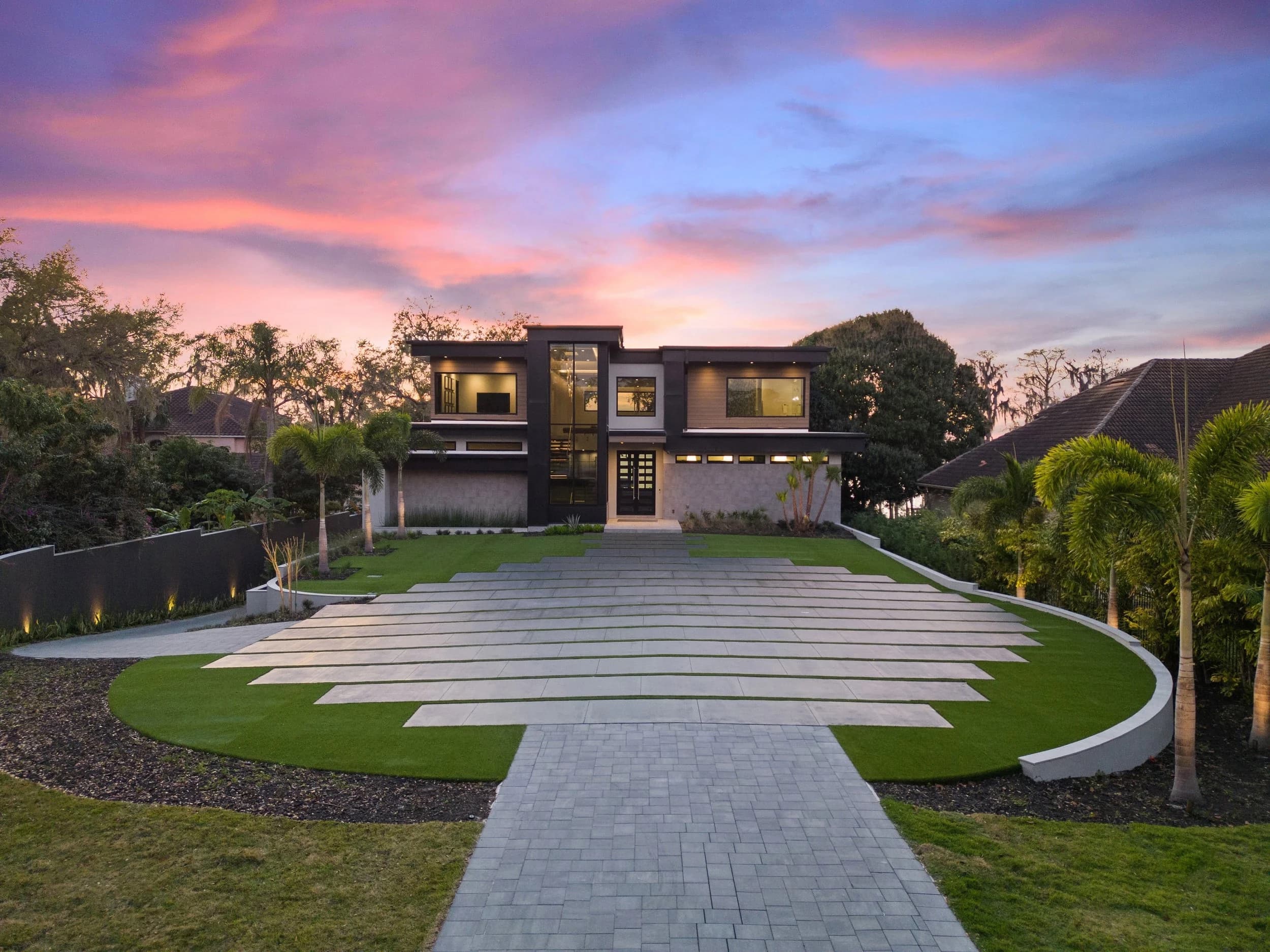
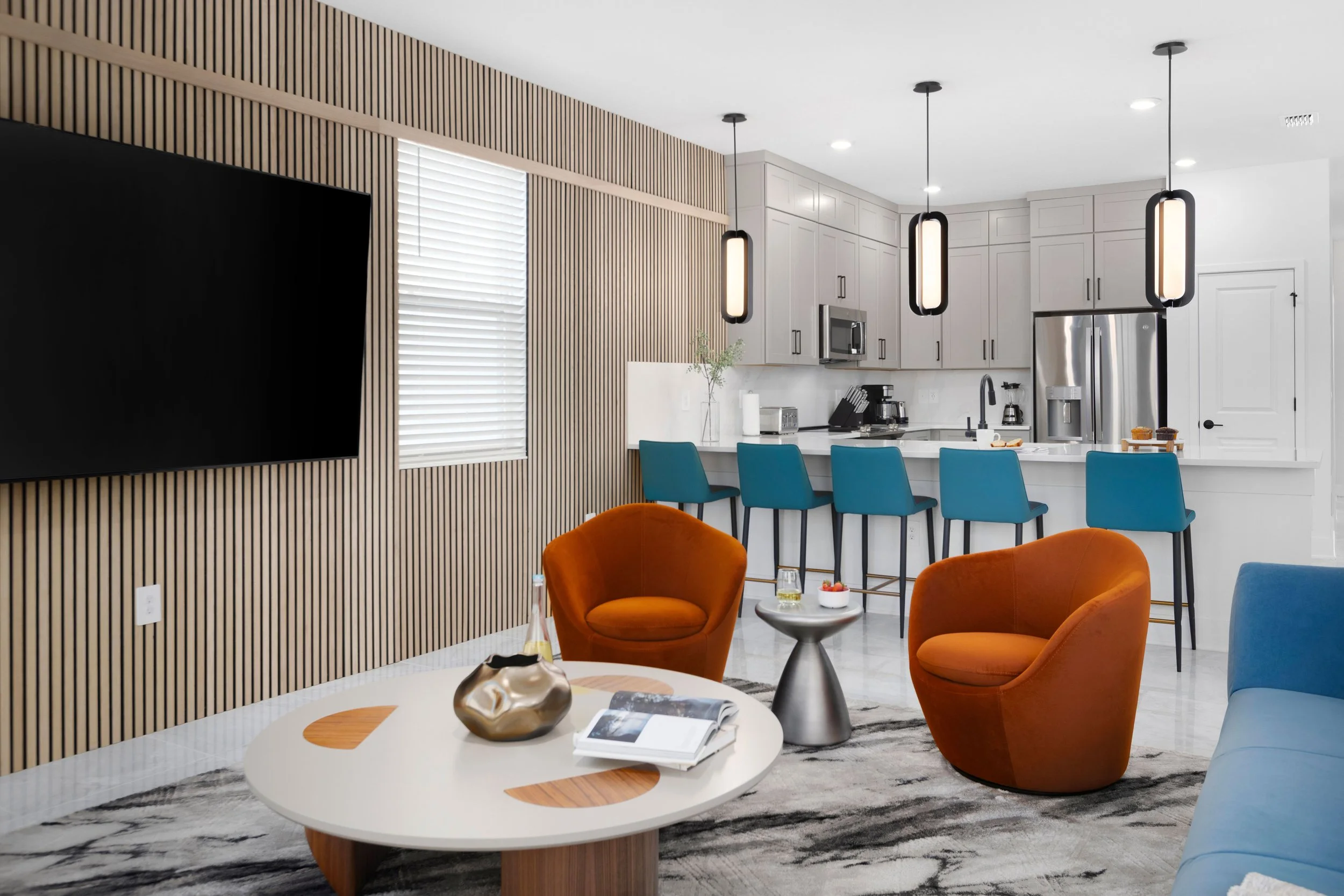
You delivered 45 photos. The portal shows a hero image, then three thumbnails, then a view-all button most buyers never press. Here’s what actually gets seen — and why photo order matters more than photo count.
The Gap Between Uploaded and Viewed
Your MLS will typically accept somewhere between 25 and 50 images depending on the board. Stellar MLS, which covers Orlando and much of Central Florida, and the boards serving Tampa Bay all allow generous counts. Syndication then pushes those images out to Zillow, Realtor.com, Redfin, Homes.com, and a long tail of aggregator sites.
But acceptance and display are different things. On a phone, where the majority of listing views happen, a buyer sees:
One hero image filling the screen on the search results card
Three to five images in the initial gallery strip on the detail page
Everything else behind a swipe or a tap
Portal behavior changes constantly and varies by device, so exact counts aren’t worth memorizing. The durable insight is the shape of the curve: attention drops off sharply after the first handful of frames, and a meaningful share of buyers never reach image 20.
That doesn’t make images 20 through 45 worthless. It makes images 1 through 6 disproportionately valuable.
Why You Still Want the Full Set
If most photos go unseen, why shoot 40 of them?
Serious buyers view all of them. The casual scroller stops at five. The buyer who schedules a showing looks at every frame, twice. Those are the views that matter.
Portals reward completeness. Listings with fuller media sets tend to surface better and hold attention longer, and time-on-listing is a signal.
Out-of-area buyers depend on them. Orlando and Tampa draw heavy relocation and second-home traffic. A buyer in Ohio needs the laundry room photo.
They answer questions before the showing. Every unanswered question is a reason to skip a tour.
Appraisal and file documentation. A complete visual record is useful long after the listing closes.
The right framing isn’t how many photos do I need. It’s which six do I lead with, and is everything else there for the buyer who wants it.
Sequencing the First Six
The opening sequence should tell a coherent story rather than dump the best-looking images in random order.
Hero exterior. Front elevation in good light. This is the thumbnail that determines whether anyone clicks at all. For a Florida property with a pool, a twilight exterior or a pool-and-lanai shot often outperforms the front elevation.
Primary living space. The main gathering room, shot wide and level.
Kitchen. The single most decision-driving room in most price bands.
The property’s actual differentiator. Waterfront, pool deck, golf frontage, acreage, a renovated primary bath, a view. Whatever the seller is really selling.
Primary bedroom.
Outdoor living. In Central Florida this is a headline feature, not an afterthought: the lanai, screened enclosure, or summer kitchen.
After that, run the rest in walk-through order so the buyer builds a mental floor plan: remaining bedrooms, baths, secondary spaces, garage, yard, community amenities.
Common Sequencing Mistakes
Leading with an empty room. A vacant living room as image two loses buyers who could have been held by the pool shot.
Burying the differentiator. If the property backs to a conservation lot, that shouldn’t be image 31.
Consecutive near-duplicates. Three angles of the same bathroom in a row reads as padding.
Detail shots too early. Faucet close-ups and cabinet hardware belong late in the set, not at position four.
Ending on the garage. The final frames get seen by your most engaged buyers. Close on something aspirational: twilight exterior, sunset over the water, the amenity center.
Letting syndication scramble the order. Confirm the sequence held after the listing goes live. It doesn’t always.
Practical Guidance by Property Type
Condo or townhome under 1,500 sq ft: 20 to 25 images is usually complete without padding.
Single-family, 1,500 to 3,000 sq ft: 30 to 40 images covers the home, outdoor space, and community.
Luxury or acreage: 40 or more, plus aerials, and consider a 3D tour so the extra rooms don’t have to carry the whole burden.
New construction and model homes: fuller sets, since builders reuse the library across floor plans and marketing channels.
If you’re consistently delivering more than 50 frames, the issue usually isn’t coverage. It’s that near-duplicates are diluting a strong set. Culling to the best version of each angle almost always improves the listing.
Ready to book? Get in touch or call us — we serve Orlando, Tampa Bay, and Central Texas.