Community association managers are one of the least obvious buyers of professional photography and one of the most consistent. An HOA has amenities to market, a reserve study to support, insurance to document, and a board that needs to see what the property actually looks like. All four of those are photography problems, and they recur every year.
Florida associations in particular carry documentation obligations that make a dated, organized photo set genuinely useful rather than just nice to have. Here's how the work breaks down.
Four Different Reasons an Association Needs Photos
They overlap, but the shot lists don't, and knowing which one you're commissioning changes the whole scope.
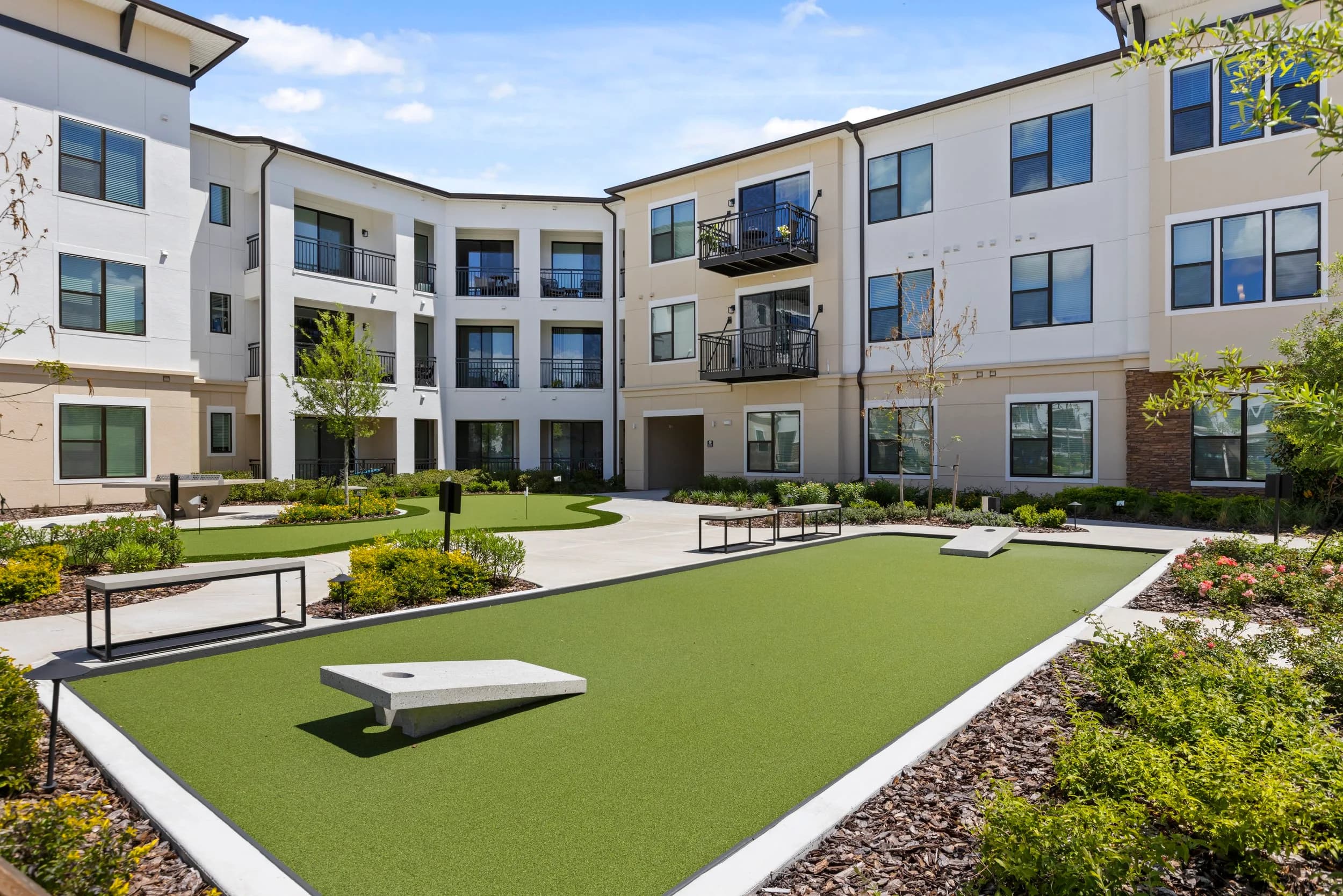
- Marketing the community. Amenity center, pool, fitness room, clubhouse, trails, and entry monument — used on the association website, in resale packets, and by agents listing inside the community. Polished, selective, twelve to twenty-five images.
- Reserve study support. Systematic coverage of every common-element component: roofs, painted surfaces, pavement, pool deck, fencing, lighting, mechanical equipment, and the amenity structures. Thorough rather than pretty, and dated.
- Insurance and pre-storm documentation. A condition record of common elements before hurricane season, so that if a claim happens the association can show what the property looked like beforehand.
- Board and vendor communication. Photos attached to a bid package, a violation record, or a capital-project proposal so that owners can see what's being discussed rather than reading a description of it.
The efficient move is to combine two or three of these in one visit. A single morning can produce a polished amenity set and a systematic condition record — they're the same property, shot with different intent.
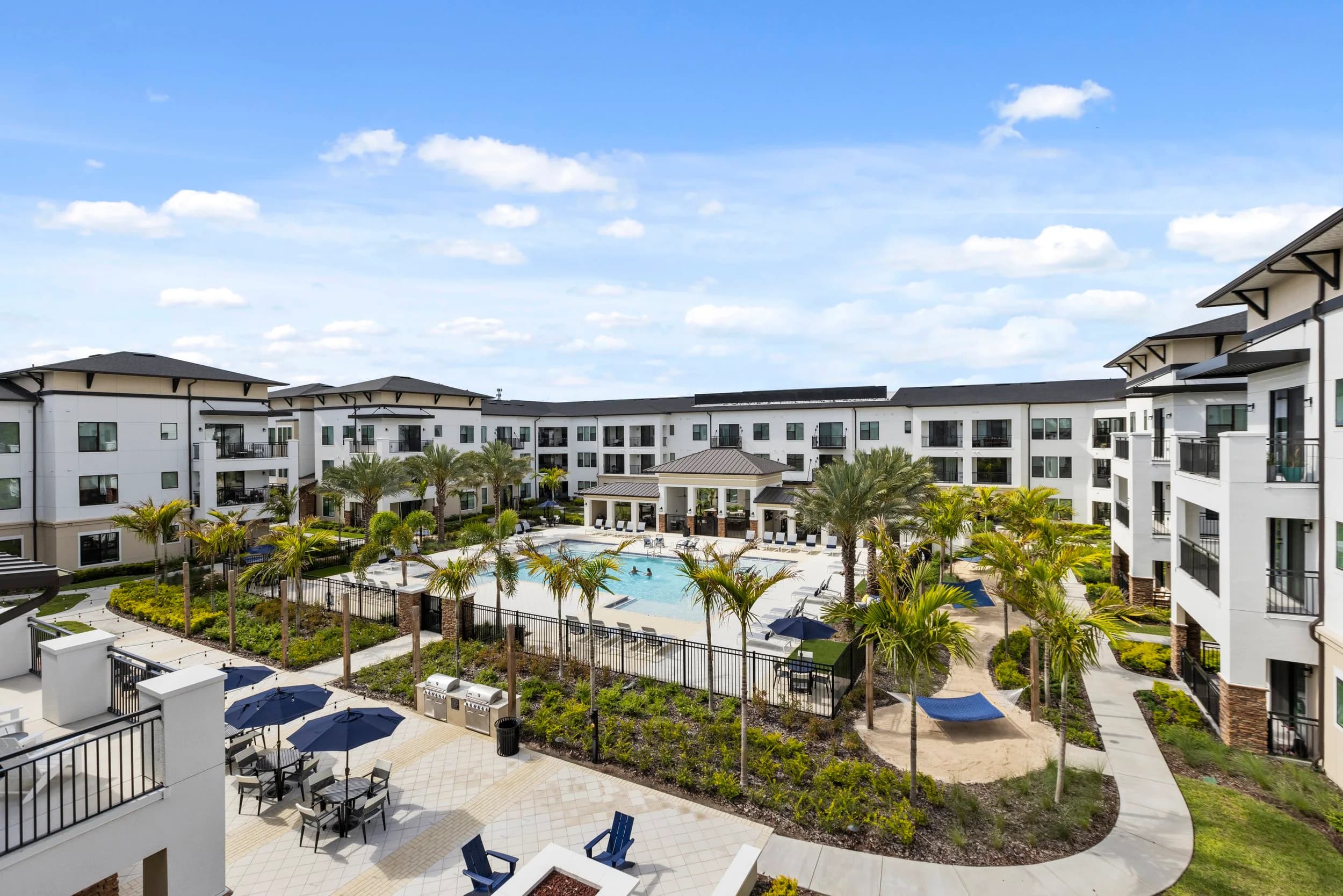
Aerials Are the Backbone of a Community Set
For an association, the aerial is not a bonus. It's the one image that shows the property as a whole, and it feeds every other use.
- Full site overview establishing the boundaries, the amenity core, and the relationship between sections or phases.
- Roof condition across the community, which for a condo or townhome association is often the single largest reserve line item and is otherwise very difficult to assess.
- Pavement and drainage. Cracking, ponding, and failing asphalt are clearly visible from above and are the second-biggest reserve item in most Florida communities.
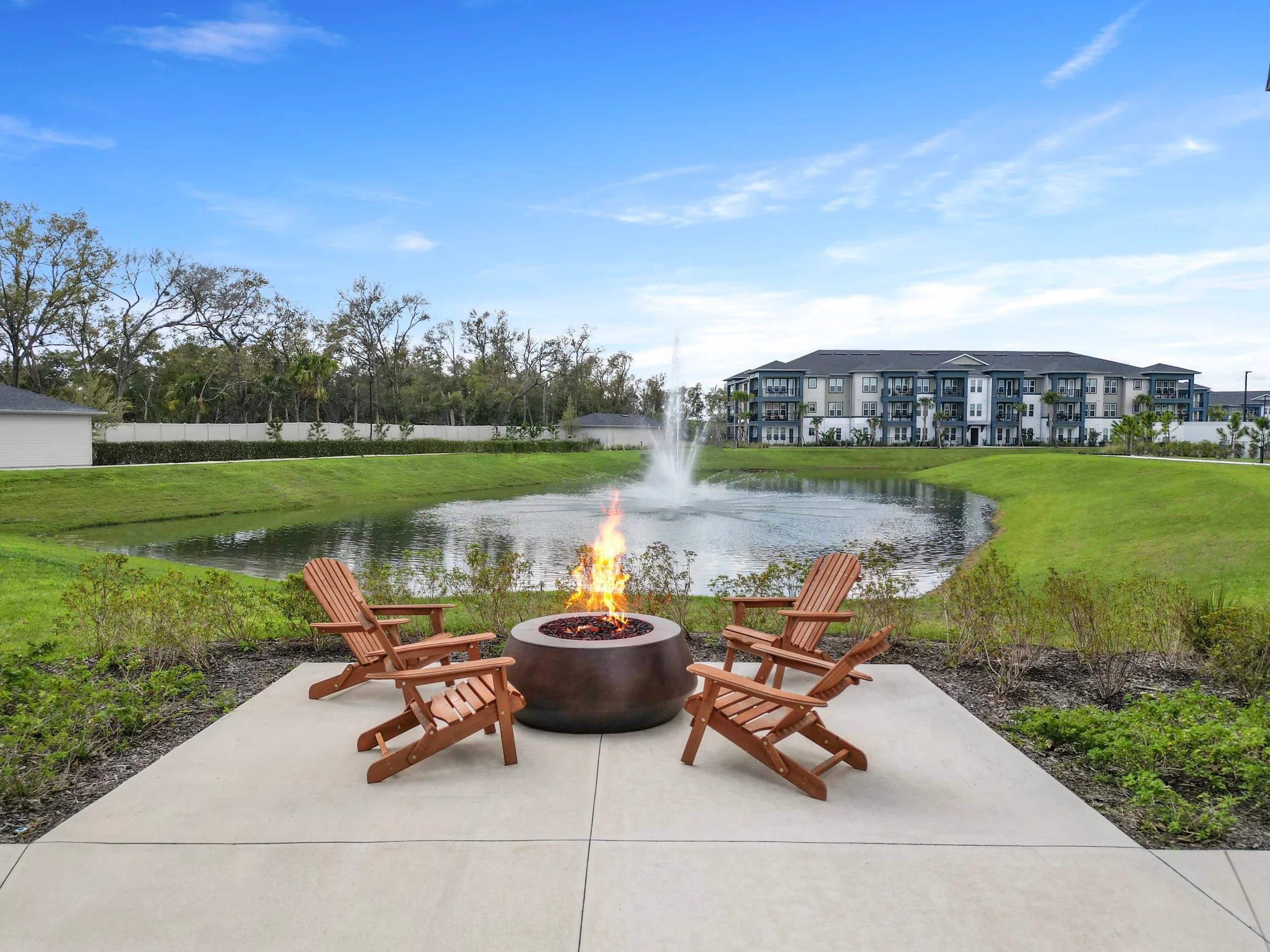
- Retention ponds, littoral shelves, and shoreline condition — a recurring maintenance and compliance topic in Florida associations.
- Landscape and tree canopy, useful both for marketing and for documenting condition before storm season.
Flying the same set annually from the same altitudes and angles creates something genuinely valuable: a year-over-year visual record the board can compare. That's a small ask at the time of the shoot and a big asset three years later.
Shooting the Amenities So They Actually Look Used
Amenity photography for an association has a specific failure mode — everything is empty, clean, and lifeless, and the community reads as deserted.
A few things that help:
- Shoot early, before the pool fills up, but stage lightly — towels on a chair, umbrellas open, a few lounge chairs angled rather than lined up like a parking lot.
- Get the fitness room lights on and the TVs on, and shoot from a corner that shows the equipment count. Prospective buyers want to know if they still need a gym membership.
- Clubhouse interiors need the same treatment as a home — vertical lines straight, windows properly exposed, lamps on.
- The entry monument at twilight with the landscape lighting on is the image that ends up on the website header. It takes twenty minutes and almost no association has one.
- Shoot the trails, dog park, and playground with the right light, which usually means early morning in Florida. Midday makes a playground look hot and harsh, because it is.
- Don't photograph identifiable residents or children without a signed release. For an association this is not a technicality — the subjects are the clients' neighbors.
What Makes a Documentation Set Actually Useful
A condition record is only worth having if it can be found and trusted later. That comes down to organization and metadata.
- Organize by component, matching the reserve study categories the association already uses — not by the order the photographer walked the property.
- Keep the capture dates intact and deliver in a structure that preserves them. A dated file is the entire point.
- Include wide context plus tight detail for each component. A close-up of a cracked pool deck tile means little without a wide shot placing it.
- Photograph the equipment plates — pool pumps, elevator, generator, HVAC on the clubhouse. Model and serial information in a photo has saved more than one board a maintenance argument.
- A Matterport scan of the clubhouse and amenity interiors is worth considering. It documents the finish condition completely, it's dated, and it doubles as a marketing tour.
- Deliver a copy the manager can hand to the board in a format that opens on a phone. A 40-gigabyte folder of raw files nobody can open is not documentation.
Make It an Annual Cadence
The associations that get the most out of this treat it as a recurring line item rather than a one-time project. A practical rhythm for Florida:
- Late spring, before hurricane season — the condition and insurance documentation pass, plus aerials.
- Once a year, in good light — refresh the marketing set, particularly after any amenity renovation.
- Ad hoc — before and after any capital project, and immediately after any storm event.
It's a modest annual cost against a budget that already funds landscaping and pressure washing, and it produces something those don't: a record. Boards turn over, managers change companies, and the institutional memory of what the property looked like in 2024 lives in the photos or it doesn't live anywhere.
Ready to book? Get in touch or call us — we serve Orlando, Tampa Bay, and Central Texas.