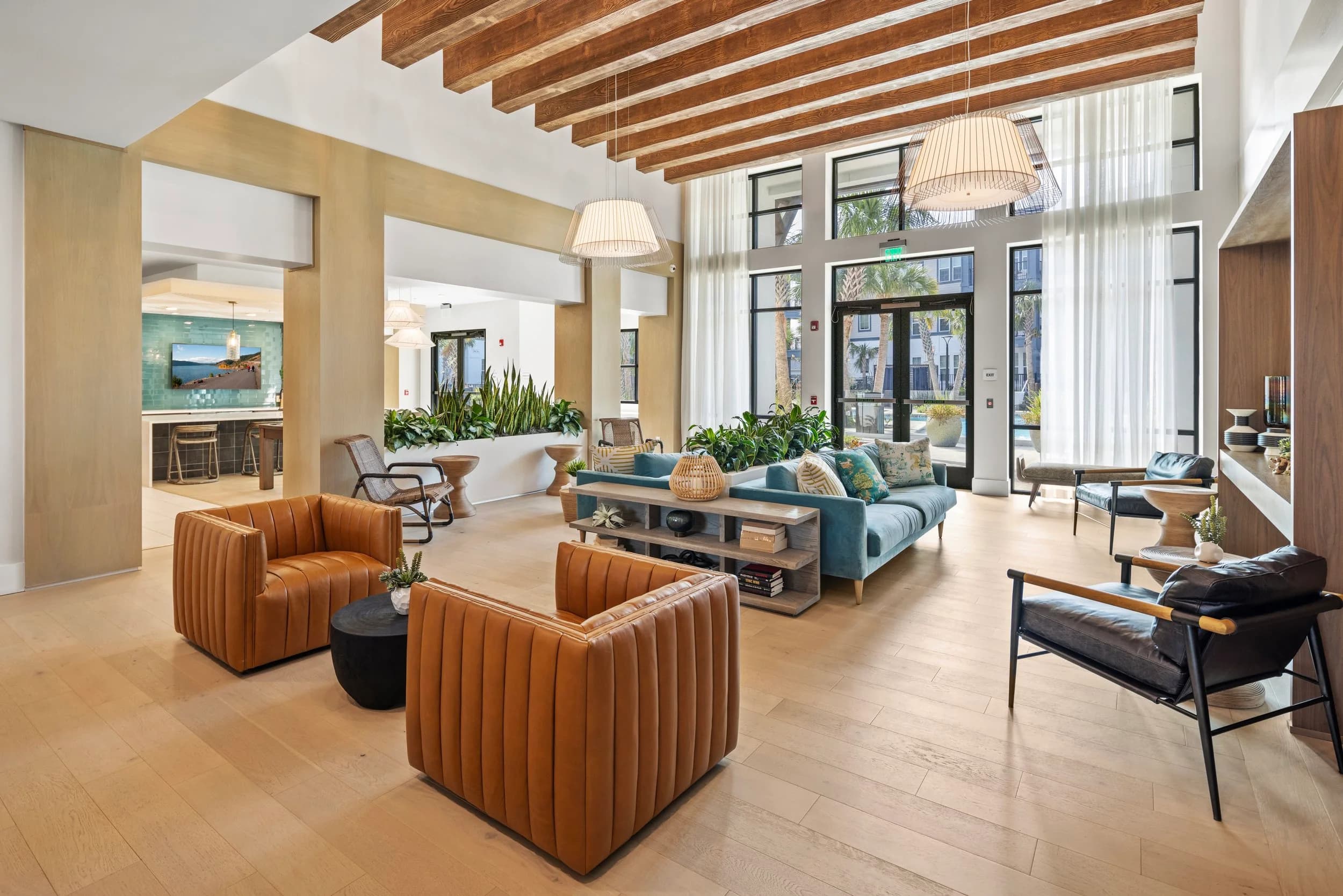
Churches, private schools, and nonprofit facilities all run on two things photography directly affects: people deciding to walk in the door, and people deciding to write a check. Most institutions have neither a photo budget nor a photo library, and it costs them both.
The work itself is straightforward architectural and facility photography. What's different is the audience — a parent touring schools, a family visiting a church for the first time, or a donor evaluating a capital campaign are each looking for something specific, and the gallery has to answer all three.
What Each Audience Is Actually Looking For
Institutions tend to ask for "photos of the building." That's the least useful brief. Break it into the three uses instead.
- Enrollment and attendance. A first-time visitor wants to know where to park, which door to use, and whether they'll feel out of place. Photos that answer logistics — entrances, drop-off, the lobby or narthex, signage — reduce the anxiety of a first visit more than another shot of the sanctuary.
- Capital campaigns and donor materials. Donors are being asked to fund a change. That means "before" photography of the current condition, plus clear documentation of the spaces the campaign will affect. This set has a documentary job, not a flattering one.
- Facility rental and community use. Many churches and schools rent gyms, fellowship halls, and auditoriums. Renters need dimensions, configurations, and a sense of capacity — and they need to see the space empty.
Photographing Spaces Built to Be Full
A sanctuary, gym, or auditorium is designed around people. Photographed empty, it can read as either impressive or abandoned, and the difference is mostly lighting and angle.
- Turn everything on. House lights, stage lights, chandeliers, accent lighting. Empty rooms shot under half the fixtures look closed.
- Shoot from a raised position when you can. A balcony, a mezzanine, or even a few steps up changes an empty room from flat to architectural, and it shows seating capacity in one frame.
- Include one occupied set if possible. A single service, assembly, or event shot alongside the empty architectural photos tells the visitor what the room is like in use. These two sets do different jobs and you want both.
- Respect stained glass and high-contrast windows. Blown-out windows in a sanctuary are the most common failure in church photography. Properly blended exposures keep both the glass and the interior readable.
The Consent Rules Are Stricter Than You Think
This is where institutional photography differs most from commercial work, and it's worth settling before anyone arrives with a camera.
- Schools: assume no students in frame unless the school has cleared it. Most schools maintain photo release records, and some families opt out. The safe default is to shoot facilities empty or during times students aren't present, and to add people only from a list the school approves.
- Churches: announce it. If any part of the shoot happens during a service or gathering, the congregation should be told in advance and given a way to stay out of frame. This is basic courtesy and it prevents a photo you can't use.
- Counseling, childcare, and private offices are off limits unless someone specifically asks for them, and even then, no records, screens, or nameplates in frame.
- Get the release question answered in writing before the shoot, not during. Who can appear, who signs off, and where the photos will be used.
The practical result is that most institutional shoots are scheduled for evenings, weekends, or breaks — whenever the building is empty. Plan for that when you book.
Drone Work for Campuses and Capital Projects
Any institution with more than one building benefits from aerial photography, because the relationship between buildings, parking, and fields is the thing a website can't otherwise explain.
Aerials are especially useful for:
- Campus overviews that show the full property and how to get around it.
- Athletic fields, playgrounds, and outdoor facilities, which are almost impossible to convey from the ground.
- Capital campaign materials — a before-aerial of the site where a new building will go is one of the most effective images in a donor packet.
- Construction progress, shot on a monthly cadence, which gives the communications team a steady supply of updates for donors who funded the project.
Churches and schools in Orlando, Tampa Bay, and the Central Texas metros frequently sit inside controlled airspace, so Part 107 authorization needs to be handled in advance rather than on the day.
Build a Library, Not a One-Time Gallery
Institutions use photography constantly and in small pieces — a bulletin, a social post, a grant application, a rental inquiry, an annual report. A single well-organized shoot that covers the building, the grounds, the spaces people rent, and a handful of activity images will serve a communications volunteer for a year.
The one thing worth repeating annually is anything seasonal or anything under construction. Everything else holds.
Ready to book? Get in touch or call us — we serve Orlando, Tampa Bay, and Central Texas.